Rick Faulkner: Meander-thon Fun for Slow Art Day

Rick Faulkner is a first-time host for Slow Art Day 2012 at the Art Depot in Gargrave, United Kingdom. The artist/director and founder member of Chrysalis, Rick undertakes creative project development, management and consultation work for the company and is looking forward to expanding Chrysalis Arts’ slow art program by incorporating Slow Art Day.

Slow Art Day: Why are you hosting Slow Art Day?

Rick: While this is our first time hosting an event for Slow Art Day, we’ve been developing a programme of slow art activity since 2008.

Chrysalis Arts’ Slow Art programme is a creative development inspired by the Slow Food movement. It highlights current changes affecting sustainability, and the impact of climate change and peak oil, showing how the way we live affects our world. Slow Art works are of high quality and are created from low environmental impact materials, sustainable processes and simultaneously express and challenge perceptions about contemporary art making.

Slow Art Day: Have you selected your artwork for Slow Art Day yet?

Rick: Yes the work is Meander-thon. Dedicated and/or insomniac art lovers are needed to watch a 24-hour film of people walking, running and cycling through the Yorkshire Dales.
The day-long film is only an excerpt from Meander, a project by ADEPT (artists Shanaz Gulzar and Steve Manthorp) commissioned by Chrysalis Arts as part of their Slow Art programme. For the project, people walked, ran and cycled through the Yorkshire Dales while recording on headband-mounted video cameras. The recordings have been edited into a synchronised, split-screen film showing where they were looking and what engaged their interest at every moment.
The film will run from 7am on Saturday 28th to 7am on Sunday 29th April at Chrysalis Arts’ Art Depot in Gargrave (BD23 3SE).

Slow Art Day: What’s your favorite piece of art or one that’s had a great affect on you?

Rick: Faster than History by The Blue Noses Group.

Slow Art Day: What else should we know about your Slow Art Day plans?

Rick: Besides the film, visitors to the Meander-thon will be invited to help draw a giant Meander Map of the Imagination by adding their own imaginary building or feature of the landscape or even a whole town to the ever-growing map. Children and adults can take part in this 3D map-making activity which will be taking place throughout the afternoon. Participants can take their work away with them and we will photograph everyone’s 3D map square, creating the giant Meander Map of the Imagination.

Join Rick at the Meander-thon for Slow Art Day in Gargrave, U.K. for a moving experience.
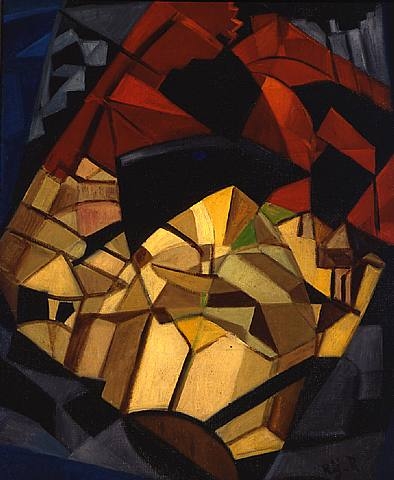
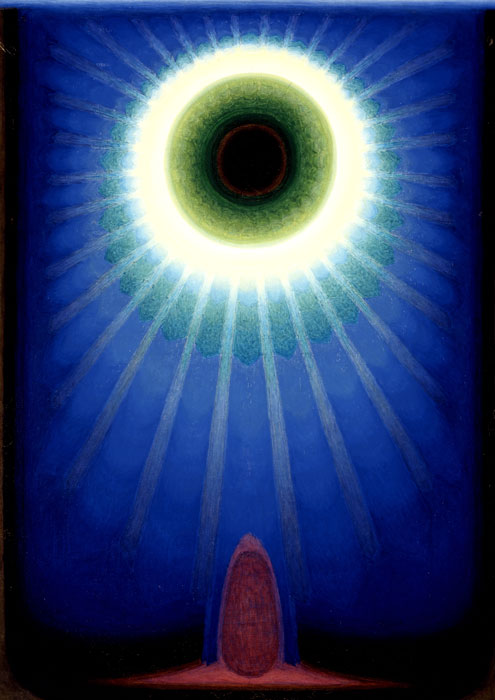
“Abstraction: Windows” by Jeanne Rij-Rousseau

Look. Slowly.

Spencer Museum of Art is participating in Slow Art Day 2012- see more info

Image source: www.junglekey.fr

Michael Bowen: A Cinematic Experience for Slow Art Day

Michael Bowen is passionate about cinema and expanding people’s horizons beyond the regular commercial film-going experience. A motion picture historian currently finishing a PhD at New York University and teaching on the college level, he tells us more about his plans for a unique, film version of Slow Art Day in New York City.

Slow Art Day: Why are you hosting Slow Art Day?

Michael: I became aware of Slow Art Day through interests I also have in fine arts painting and very much wanted to expand the scope of the event to include film art. This will be my first time hosting a Slow Art Day event, and I am hoping it will inspire other film scholars to become involved.

Slow Art Day: Have you selected your artwork for Slow Art Day yet?

Michael: I have selected a body of short films by avant-garde filmmaker Robert Nelson (who coincidentally passed away this past January), with a focus on his film, Bleu Shut (1970). My principal reason for electing to share Nelson’s work has to do with his self-conscious interest in cinematic time. I am also thrilled to be inviting people to attend this screening at New York’s Anthology Film Archives, which continues to be the country’s principle repository of “avant-garde” cinema.

See a clip from Bleu Shot (1970) by filmmaker Robert Nelson

Slow Art Day: What is your favorite piece of art – or what’s one artwork that has had a great affect on you?

Michael: I am extremely interested in art-making of an intuitive, extremely personal nature. I privilege artists who are able to produce beauty in adversity and who force people to think hard about the art-making process.

Slow Art Day: Tell us more about your Slow Art Day event.

Michael: I hope people will seize this opportunity to become familiar with the great tradition of “avant-garde” cinema and to think about watching movies in a new and challenging way. I will say a few words before the screening to orient people to the “slow viewing” process and we will meet in a nearby space right after to share a drink or a bite to eat and talk about our experiences.

Enjoy a unique cinematic experience for Slow Art Day in The Big Apple with Michael this April 28, 2012.


“August ’81” by Biren De

Look. Slowly.

Peabody Essex Museum is participating in Slow Art Day 2012- see more info

Image Source: www.pem.org


Michelle Fracaro: Matisse & More for Slow Art Day

Take a short walkabout to meet a Slow Art Day volunteer host from Down Under: Michelle Fracaro, the Program Coordinator in the Learning and Access section of the National Gallery of Australia.

Slow Art Day: Why are you hosting Slow Art Day?
Michelle: This is the National Gallery of Australia’s 3rd Slow Art Day event. We really feel that it is a fantastic program—it gives the public an opportunity to really look at art and then talk about it in their own words.

Slow Art Day: Have you selected your artwork for Slow Art Day yet?
Michelle: Yes! We’re looking at several pieces from artists of many nationalities from different periods. Read the full list on our website.

Jackson Pollack’s Blue poles (1952) is one of 7 pieces selectedfor the Slow Art Day 2012 event at the National Gallery of Australia

Slow Art Day: What is your favourite piece of art or one piece that has had a great affect on you?
Michelle: In the permanent collection here at the National Gallery of Australia, my favourite work is Mark Rothko’s 1957 # 20. I just find it so amazingly beautiful, calm, and  a bit sad all at once.

Mark Rothko’s 1957 #20

Slow Art Day: Tell us more about your Slow Art Day event.

Michelle:  Many of the programs we do centre on other people—academics, curators or other experts—in their respective fields discussing particular aspects of art. But Slow Art Day allows for everyone to have their own thoughts and ideas on art and to share them with others. We have selected 7 works for participants to look at this year. It’s up to the individual to decide on how many they want to look at in the time allocated, though we do have some common pieces we ask participants to view in order to have common pieces to discuss at lunch.

If you’re in the Canberra area, join Michelle and fellow art appreciators at the National Gallery of Australia on Slow Art Day, this April 28, 2012.

“Colorado Mural” by Herbert Bayer


Look. Slowly.

Denver Art Museum is participating in Slow Art Day 2012- see more info

Image source: http://www.denverartmuseum.org

Hedy Buzan: Focused on Diebenkorn for Slow Art Day

Hedy Buzan is the 2012 Slow Art Day host at the Orange County Museum of Art in Newport Beach, California. A veteran Slow Art Day host and advisory board member, Hedy is a painter, printmaker, and adjunct instructor at Saddleback Community College.

Slow Art Day: Why are you hosting Slow Art Day?

Hedy: Slow Art Day is all about the artwork and the viewer’s reaction to it. Being an artist myself, I like to bring an artist’s perspective to the process.

Slow Art Day: Have you selected your artwork for Slow Art Day yet?
Hedy: We will be visiting the Richard Diebenkorn show at Orange County Museum of Art in Newport Beach, California. The plan is to look at five pieces—two large Ocean Park paintings, a miniature painting on a cigar box lid, an etching, and a collage—to discover how Diebenkorn explored similar formal interests in different media.

Slow Art Day: What is your favorite piece of art or one piece that has had a great affect on you?
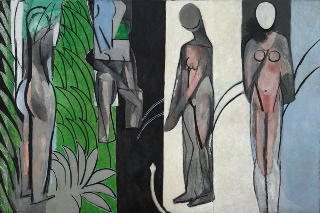
Hedy: My favorite piece of art is Bathers by the River by Matisse. This is a painting he worked on over an eight-year span from 1909-1917.  I love how he integrated the languages of Cubism, Abstraction, and non-Western art traditions with his unique sensibility.

Slow Art Day: Tell us more about your Slow Art Day event.
Hedy:  Our Slow Art Day event will be late in the day and a bit truncated (3-5 PM) as I teach that day; however, I didn’t want to skip it. This will be my fourth Slow Art Day and my third time hosting. Each time participants leave raving about the great time they had, saying that they can’t wait until next year!

If you can, join Hedy at the Orange County Museum of Art this April 28, 2012.

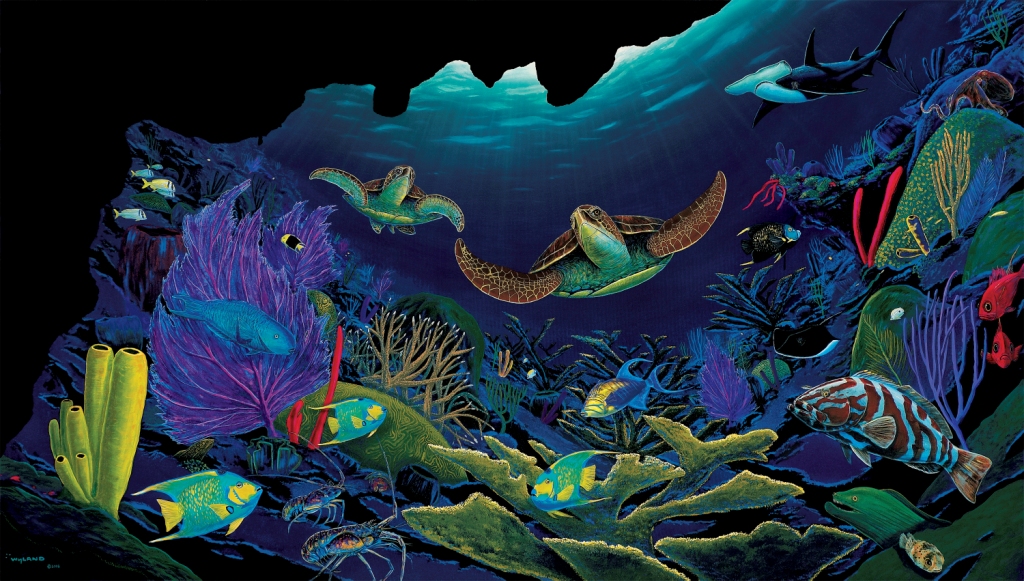
“Year of the Reef” by Wyland

Look. Slowly.

Boca Raton Museum of Art is participating in Slow Art Day 2012-  see more info

Image Source: www.bocamuseum.org

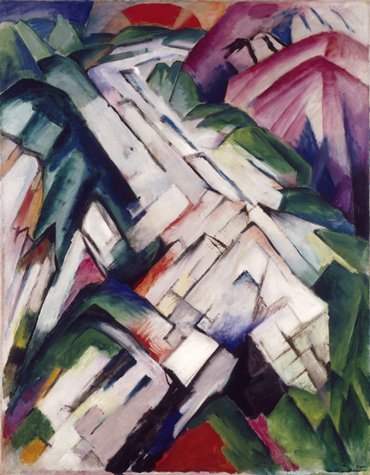
“Mountains” by Franz Marc

Look. Slowly.

San Francisco MOMA is participating in Slow Art Day 2012- see more info

Image source: http://www.sfmoma.org

“Cous Cous” by Joan Mitchell

Look. Slowly.
Currier Museum of Art in Manchester, NH, is participating in Slow Art Day 2012- see more info

Image Source: http://collections.currier.org