BYU Museum of Art: Four Ways to Slow Down in “Crossing the Divide”

For their fourth Slow Art Day, the Brigham Young University Museum of Art in Provo, Utah celebrated from Monday, March 31 through Saturday, April 5 and invited visitors to practice slow looking using four different strategies and a small group of works in the Crossing the Divide exhibition on display on the main level of the museum.

Featured works:

  • “A Corner Window in a Pawn Shop” by Rose Hartwell (1893)
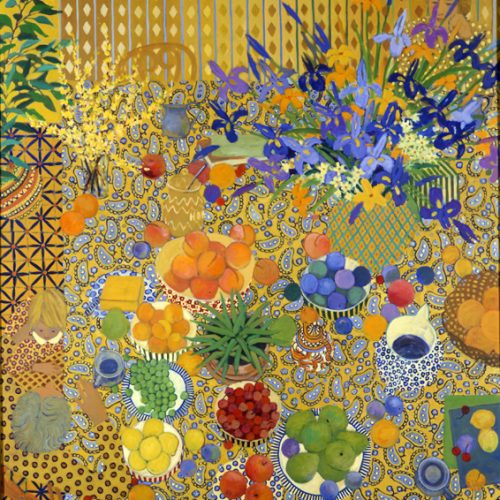
  • “Trifloria” by Jeanne Leighton-Lundberg Clarke (c. 1981)
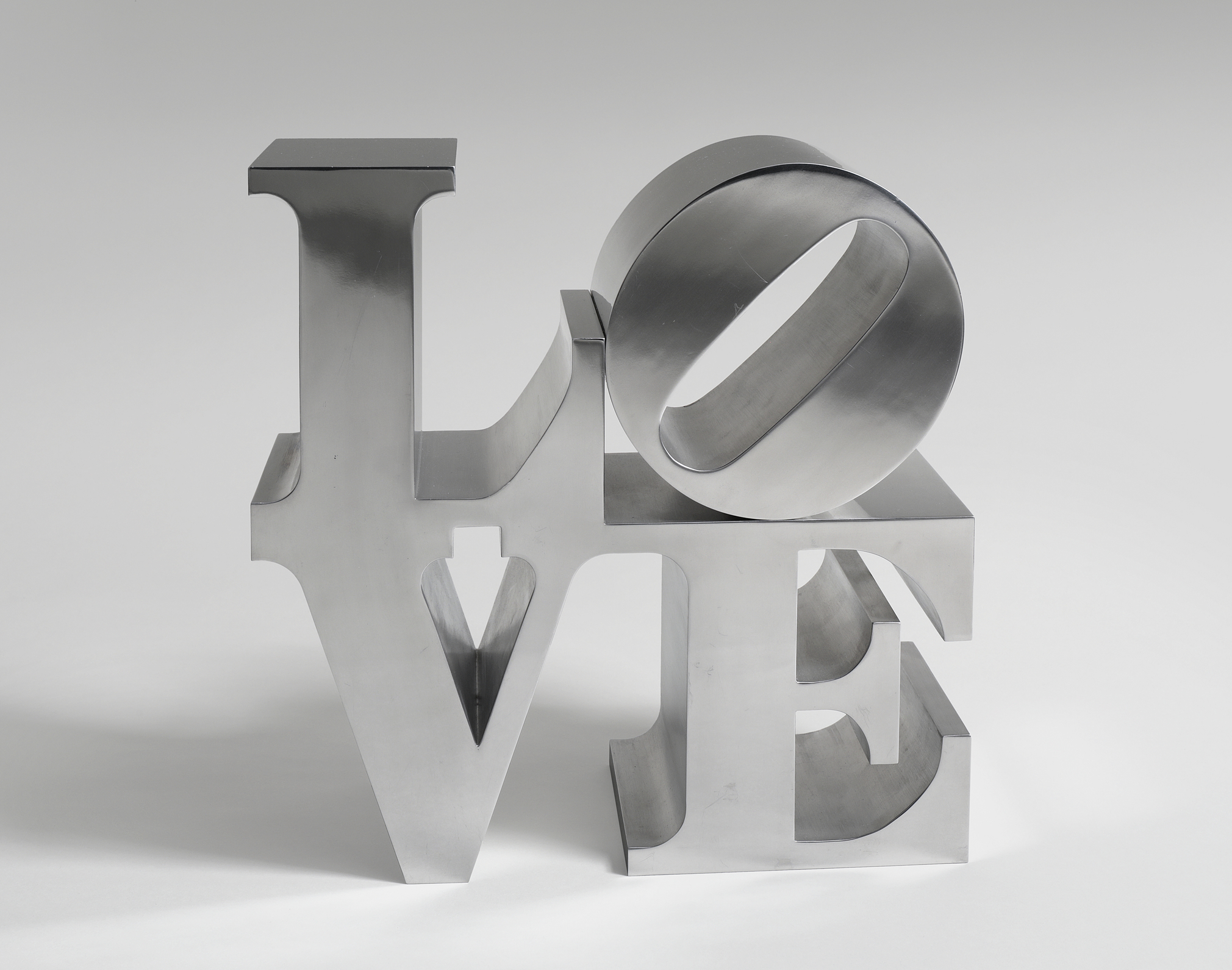
  • “LOVE” by Robert Indiana (1973)
  • “View of Monterey Bay” by Raymond Dabb Yelland (1879)
  • “Great White Throne” by Phillip Henry Barkdull (1930)

Look Big

Image
Rose Hartwell, A Corner Window in a Pawn Shop (1893), oil on canvas. Brigham Young University Museum of Art.

Visitors were encouraged to “cast a wide net” and examine every detail in Hartwell’s painting. The prompt challenged them to name ten different items for sale in the shop window — a structured way to slow down and notice complexity.

Narrow Your Focus
Image
Image

Jeanne Leighton-Lundberg Clarke, Trifloria (c. 1981), oil on canvas. Brigham Young University Museum of Art.

Here the instruction was the opposite: limit attention to colors, shapes, and patterns. By narrowing their focus, visitors discovered how repetition, contrast, and structure shape the viewing experience.

Change Your Perspective

Image
Image

Robert Indiana, LOVE (1973), aluminum. Brigham Young University Museum of Art.

Participants were invited to view Indiana’s sculpture from multiple angles, either in person or through online images. Altering physical perspective revealed new alignments of form and shadow.

Compare and Contrast

Image
Raymond Dabb Yelland, View of Monterey Bay, 1879, oil on canvas.
Image

Phillip Henry Barkdull, Great White Throne (1930), oil on canvas. Brigham Young University Museum of Art.

Image
Visitors looking, comparing and contrasting Yelland and Barkdull.

Visitors were prompted to compare subject, color, line, and composition between the two landscapes. This strategy encouraged noticing similarities and differences in mood, structure, and visual language.

After completing the activity, participants returned to the front desk to receive a small prize. All visitors selected a postcard or sticker featuring one of the works. Children also received a kaleidoscope, and adults chose between a museum pin or sticker.

At Slow Art Day HQ, we love that The BYU Museum of Art asked visitors to look with four different. That’s a great design for a thoughtful Slow Art Day.

We look forward to seeing what the BYU Museum of Art comes up with for Slow Art Day 2026.

– Ashley, Johanna, Jessica Jane, and Phyl
BYU Museum of Art Engages All Ages for their 4th Slow Art Day

For their fourth Slow Art Day, Brigham Young University (BYU) Museum of Art invited visitors to look slowly at the following four artworks from the temporary exhibition Spain and the Hispanic World: Treasures from the Hispanic Society Museum & Library:

  • Miguel Alcañiz, “Ascension Panel from the Altarpiece of St. Vincent and St. Giles,” 1422-30  
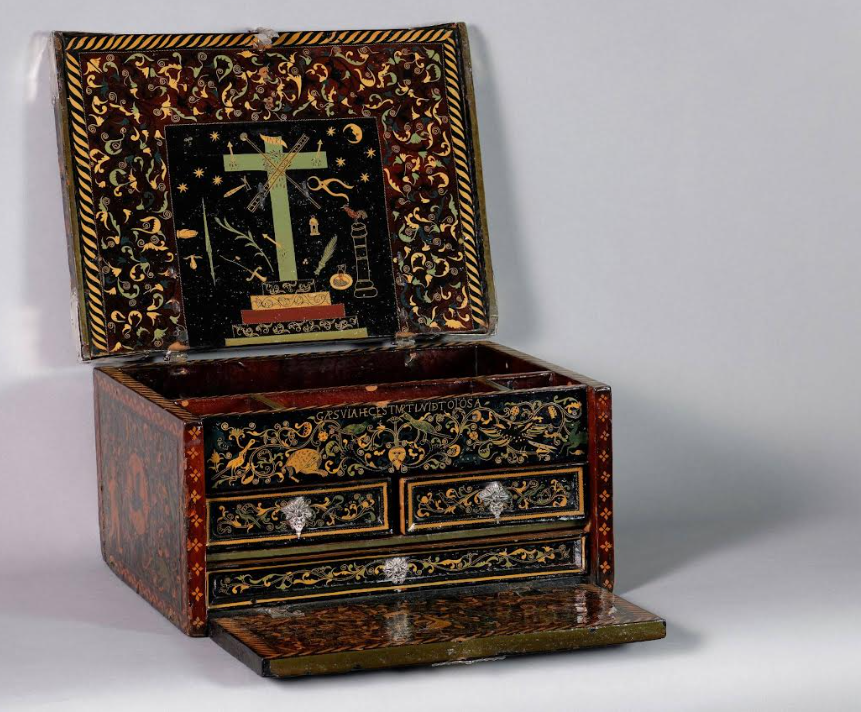
  • Unknown Colombian Artist, “Portable Writing Desk,” ca. 1684
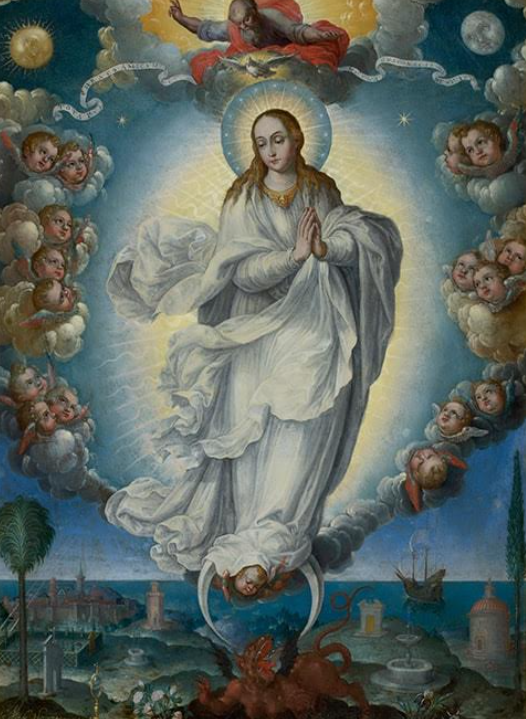
  • Fray Alonso López de Herrera, “Virgin of the Immaculate Conception,” 1640
    Painted on an engraved copper plate and displayed in a free-standing manner, allowing the visitor to explore the back of the painting.
  • Joaquín Sorolla y Bastida, Sketch for Visions of Spain,” 1912-13
    Adjacent to a television monitor showing a slow-moving panoramic view of the finished painting.

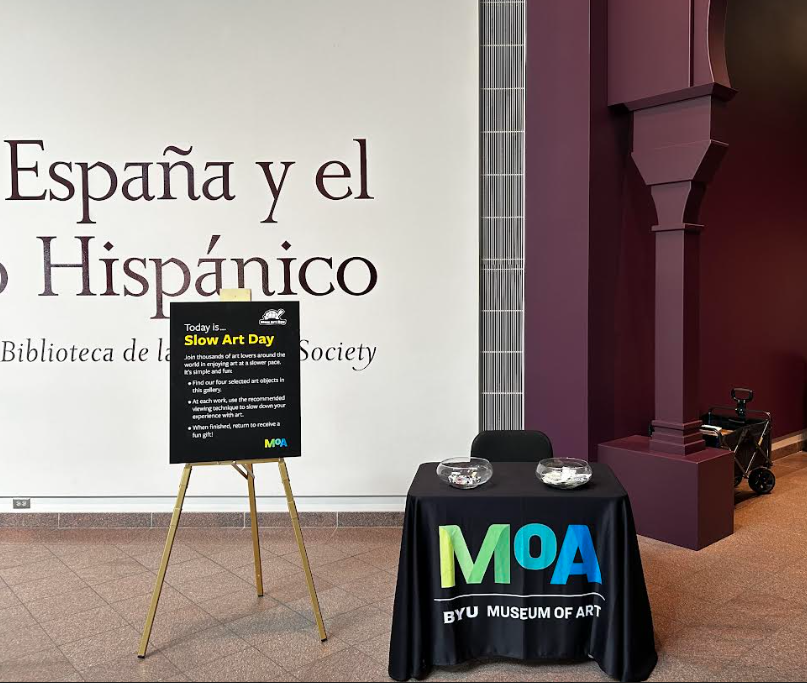
Visitors were greeted at the entrance of the exhibition by a museum educator who explained the premise of Slow Art Day, and invited them to look slowly at the four works (which were chosen by staff for their visual complexity). Each piece was accompanied by a temporary label with slow-looking prompts that were intended to help viewers be more intentional in their experience with each artwork (see example below). At the end of the visit, the museum educator prompted participants to share something they noticed or experienced by slowing down with the artworks.

Entrance to the Hispanic World exhibition on Slow Art Day, 2024
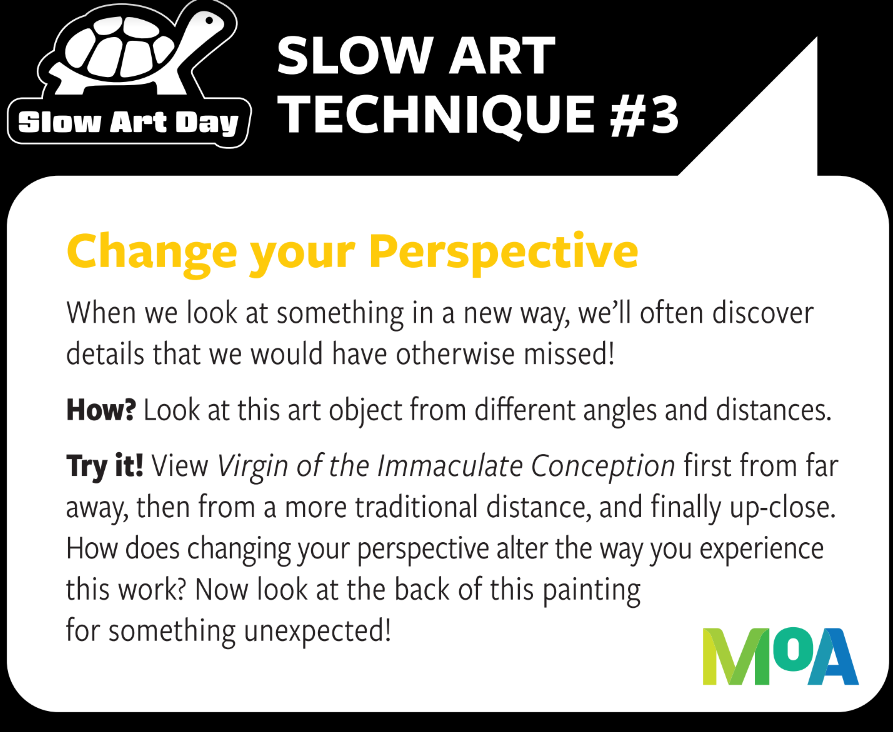
Temporary label with slow looking prompt next to the “Virgin of the Immaculate Conception” for Slow Art Day
Fray Alonso López de Herrera, “Virgin of the Immaculate Conception,” 1640 (painted on an engraved copper plate and displayed in a free-standing manner, allowing the visitor to explore the back of the painting)  
Unknown Colombian Artist, “Portable Writing Desk,” ca. 1684

In total, there were 118 participants, and the hosts gave each of them a small gift as a thank you: kaleidoscopes were offered to children, and adults had the choice between a museum pin or sticker.

The event was a success, and several participants left positive feedback:

“I liked looking at the works from different angles. I wouldn’t have realized there was something on the back of the painting (Virgin of the Immaculate Conception) if I hadn’t moved around it.” (Adult visitor)

“I really liked the box (Portable Writing Desk). It had a lot of interesting designs on it.” (7 year-old child)

“It was so cool to see the big sketch (Sorolla) next to the finished painting on the TV.” (12 year-old visitor)

“I loved the idea of slowing down and appreciating the beauty around you – not just in the museum, but in life.” (Adult visitor with children)

At Slow Art Day HQ, we love that participants got a small gift for taking part in slowing down. It is also great to see Slow Art Day events being made available to children as well as adults.

We can’t wait to see what BYU Museum of Art comes up with for Slow Art Day in 2025.

-Johanna, Ashley, Jessica Jane, and Phyl

P.S. Stay up to date with events at the BYU Museum of Art through their social media platforms on Instagram, Facebook, Pinterest, X, or YouTube by using the handle @byumoa.