
For Slow Art Day 2025, the Museum of Fine Arts Budapest (MFAB) created a thoughtful set of tools and experiences designed to help visitors slow down and engage deeply with artworks throughout the museum’s galleries.
Rather than focusing on a single guided session, MFAB encouraged visitors to explore slow looking independently through several creative formats available throughout the museum. These tools were offered free of charge and invited guests to pause, observe carefully, and spend more time with selected artworks.
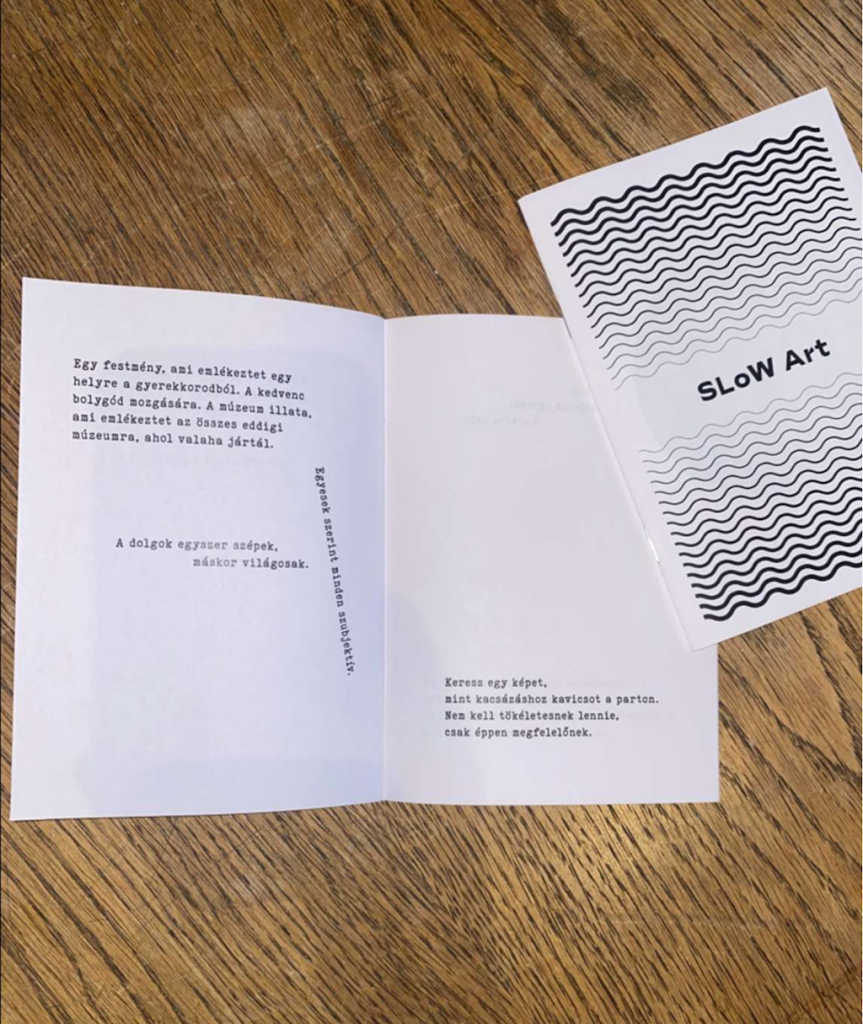
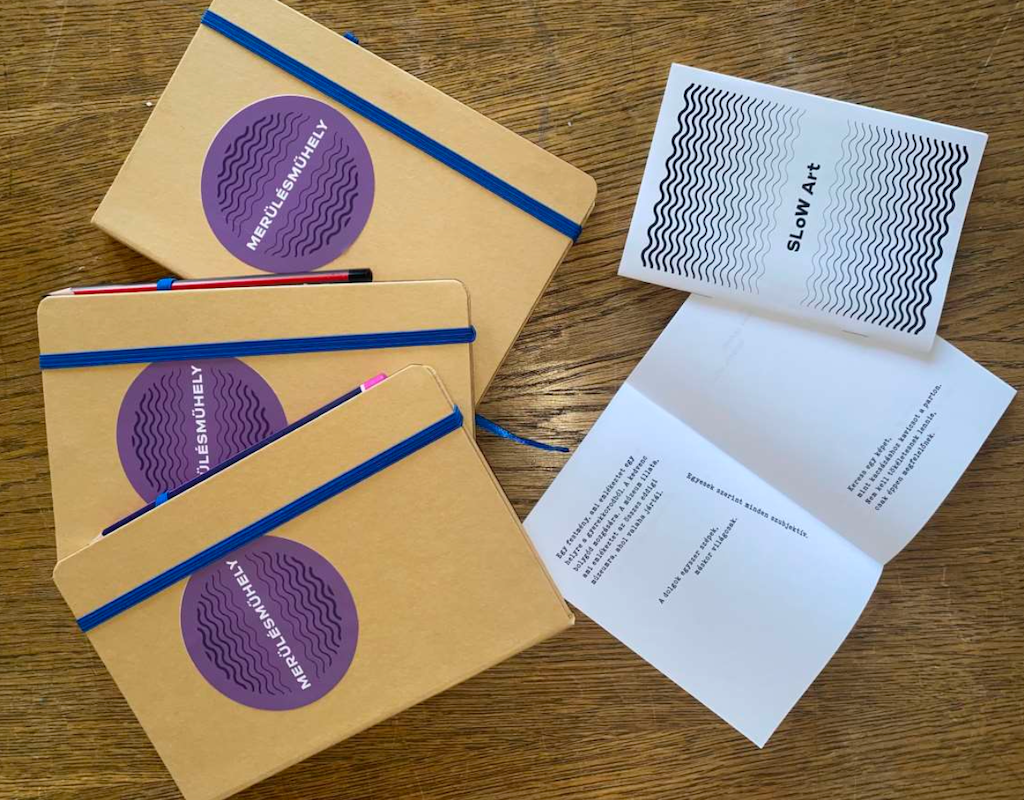
One of the most unique elements was a poetry booklet created by Hungarian poet Monika Ferencz, written specifically for the occasion. Visitors could take the booklet and move slowly through the museum while reflecting on short meditative poems and evocative text fragments. The idea was simple but powerful: choose a line, walk through the galleries, and allow the words to shape how you look at the art.
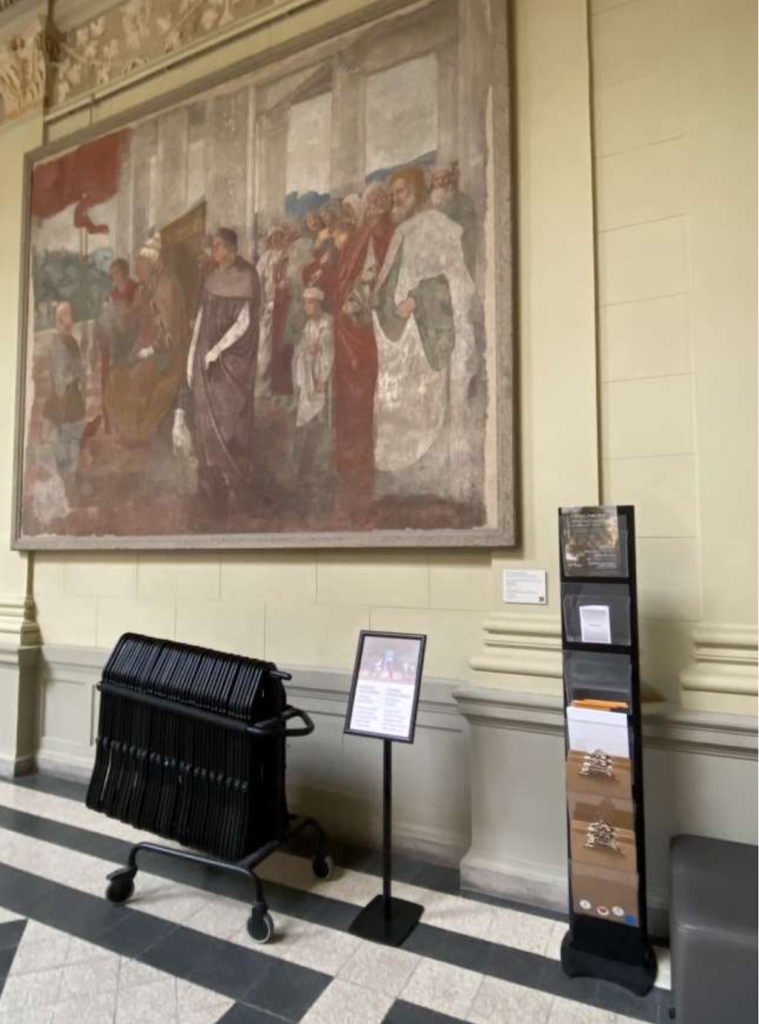
The museum also introduced a “Slow Guide – Step Inside the Painting” audio experience. By scanning QR codes placed next to eight selected artworks, visitors could listen to narrated audio reflections accompanied by music while looking closely at the paintings. This immersive format encouraged visitors to spend longer with individual works and experience them through both sound and sight.
Another activity invited visitors to draw directly in the galleries. Guests could borrow a small folding chair, drawing board, paper, and pencil and spend time sketching details from artworks in the permanent collection. Focusing on small portions of the paintings helped participants notice subtle details they might have otherwise overlooked.
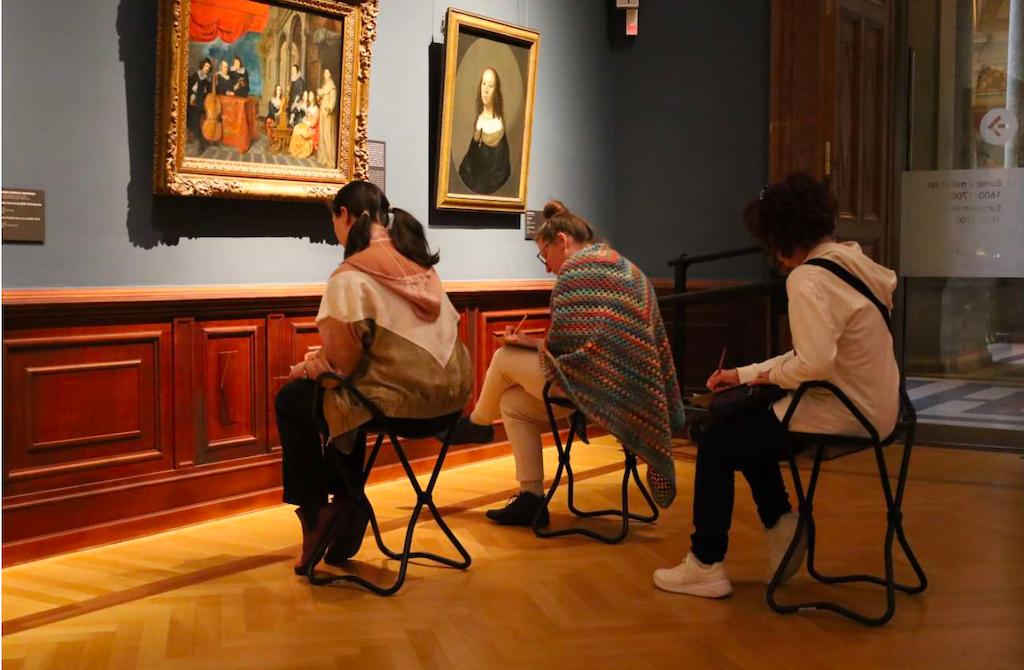
MFAB also extended its Slow Art Day programming into its regular Slow Museum evening series hosted on the 2nd Friday of each month (we love it when museums integrate slow looking into year-round programming!). One highlight was a Slow Writing Workshop led by Judit Cser, poet Monika Ferencz and museum educator Szilvia Záray, where participants used slow looking techniques as inspiration for creative writing. The three-session workshop took place in the Old Masters’ Gallery and invited a small group of participants to explore how close observation of artworks can spark new ideas and language.
But that’s not all.
The MFAB provided yet one more guided experience, titled “The Gaze.” It brought visitors together for a one-hour slow looking session in the Dutch portrait gallery. Led by museum educator Szilvia Záray, the session encouraged participants to carefully study facial expressions, posture, and subtle details within the portraits while sharing their observations with the group. Amazing.
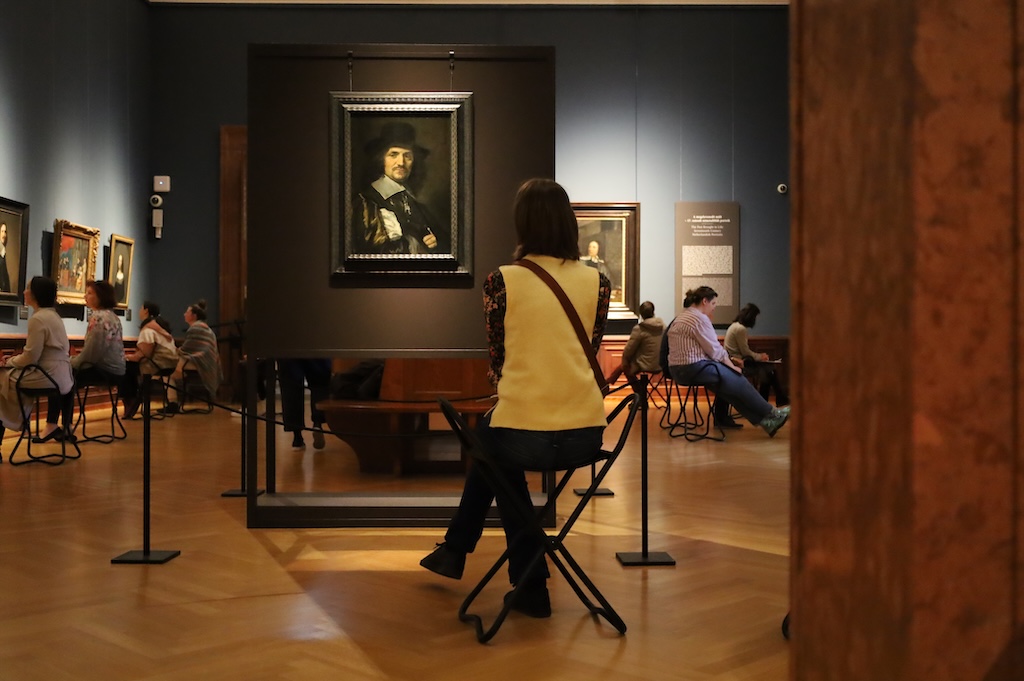
Together, these programs demonstrated how a museum can offer many different entry points into slow looking—from poetry and sound to drawing and writing—allowing visitors to discover the approach that resonates most with them, not only on Slow Art Day but throughout the year.
We at Slow Art Day HQ are grateful to the team at the Museum of Fine Arts Budapest for their thoughtful and creative approach. They are an inspiration for us all.
And we can’t wait to see what MFAB comes up with for Slow Art Day 2026.
— Ashley, Johanna, Jessica Jane, and Phyl
P.S. If you have not yet registered your museum of gallery for Slow Art Day 2026, please do.