Matisse from SFMOMA Legion of Honor, November 09, 2013 – September 07, 2014

This jewel-sized exhibition features 23 paintings, drawings, and bronzes from SFMOMA’s internationally acclaimed collection of the work of Henri Matisse, joined by four important paintings and drawings from the collection of the Fine Arts Museums of San Francisco. Celebrating the Bay Area’s early and long-standing enthusiasm for the French artist, the exhibition traces four decades of Matisse’s career, from a Cézanne-inspired still life from the turn of the last century to his richly patterned interiors from the 1920s and 1930s. Of special note are the vibrantly colored pictures from the artist’s Fauve period, from 1905 to 1908, when Matisse first rose to prominence as a leader of modern French painting.

Source: http://www.sfmoma.org/exhib_events/exhibitions/571#ixzz2y4PUnwhi
San Francisco Museum of Modern Arthttp://www.sfmoma.org/exhib_events/exhibitions/571

Rippling Recognitions

Slow Art Day has asked its 2013-14 college interns to write short summaries of their own experiences looking slowly at artworks of their choosing. Jennifer Latshaw, Slow Art Day intern from De Paul University, writes here about her experience seeing the unexpected.

Looking at art slowly is not my typical way of visiting a museum. Like many others, I tend to quickly stroll through any special exhibits that are currently on display and then visit some old favorites without spending much time with any single work. As a result, when I visited the Art Institute of Chicago to complete my slow looking assignment, I decided to find a famous work that I had never really focused on before. While the impressionist collection is a highlight of the museum and a section I’ve visited many times before, I guessed that I could find a painting there that had only gotten the quick treatment from me before.

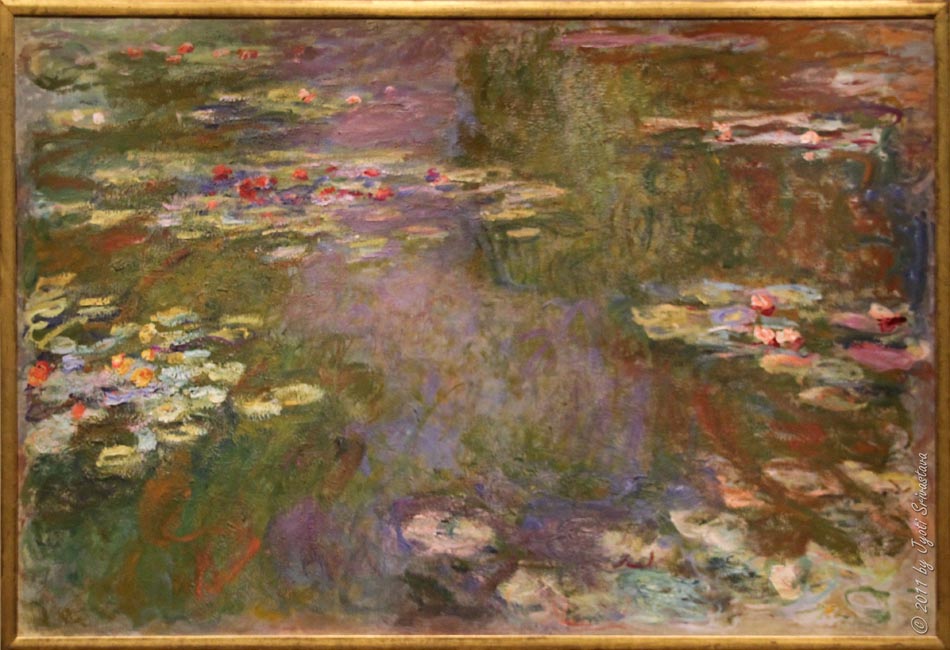
I chose one of the most popular and well-known paintings in the collection – Monet’s Water Lily Pond, 1917-1922. Of course, I’ve seen this painting before – so have many millions of people. It is such a familiar painting that I wondered if slow looking would reveal anything new.

I started the exercise by standing a few feet away from the painting in the gallery. Then after a few minutes I moved farther away. Eventually, I then got closer again. Not surprisingly, I saw different things depending on my distance from the painting. Up close the painting appeared to simply be smudges of color with no rhyme or reason to where they were placed. I noticed how it was thick in some places and sparse in others. I had not really noticed or thought about the thickness of the paint. Moving farther away from the painting, the larger image came into view. At my farthest from the canvas, I sat on a bench across the room and considered the entire painting at once. From this distance, the lilies appeared to be sitting on top of the lake with dramatic brush strokes of contrasting colors to the rest of the painting suggesting movement or reflection to give depth and dimension to the entire image.
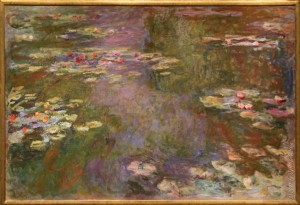
Claude Monet, Water Lily Pond, 1917-22

Claude Monet, Water Lily Pond, 1917-22
(Image Courtesy of the Art Institute of Chicago)

Varying distance also allowed me to really reflect on the way the colors interact in the image. Up close I could see not just the relative thickness of the paints but also the individual pinks, reds, yellows, and purples. When viewed from farther away they came together to make greens and browns. I had never really taken the time before to see how colors change depending on perspective. It’s one thing to learn that in color theory class. It’s another thing to really experience it from a session of slow looking.

My original goal was to look for five minutes and then jot down some notes about the experience. Once I really started to look, however, I could not get enough of the painting. During the first minute or two, I glanced at my watch every 10 or seconds to see how long I had been looking. But after that, I found myself caring less about the time and caring more about seeing new things in the painting. And before I knew it, I had been absorbed in looking at Monet’s Water Lily Pond for 30 minutes.

One unexpected and surprising benefit was that slow looking is relaxing. By focusing on one painting I was able to stop multi-tasking and really pay attention. Everything else that would regularly consume my thoughts was gone and I was left only with Monet, his beautiful water lilies, and the ability to see so much more than I ever realized was there.

– Jennifer Latshaw, De Paul University

Claude Monet’s Water Lily Pond among other great works are available to view at the Art Institute of Chicago.  The Art Institute of Chicago is not currently a 2014 Slow Art Day venue.  Sign up to host here!

A Snail’s Pace

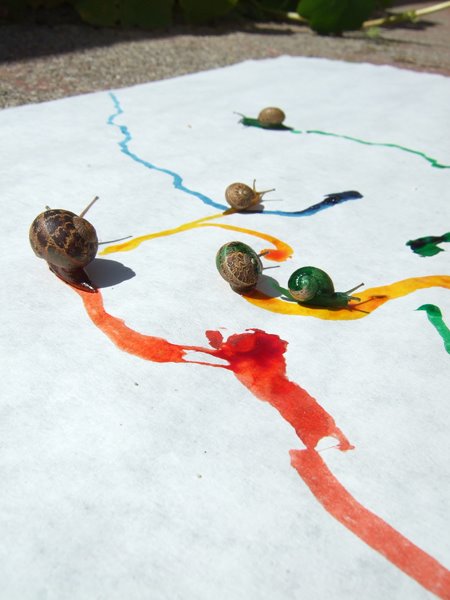
Image courtesy of Filth Wizardry (http://bit.ly/KJvKDR)

Our “team members” hard at work to make Slow Art Day 2014 a success…

Help us and your community out by signing up to be a host or participating in an event already happening in your area!

Today’s Twitter Topic

twittertopicgraphic

Join the conversation happening all day today on our twitter – get involved by tweeting @SlowArtDay or using the hashtag #TwitterTopicTuesday!

Our focus this week is the news that several Andy Warhol prints, previously declared fake, are now considered authentic. Do you think this is a good move? Read more about this on The Art Newspaper and respond to us on twitter!

– Karen

Unmasked


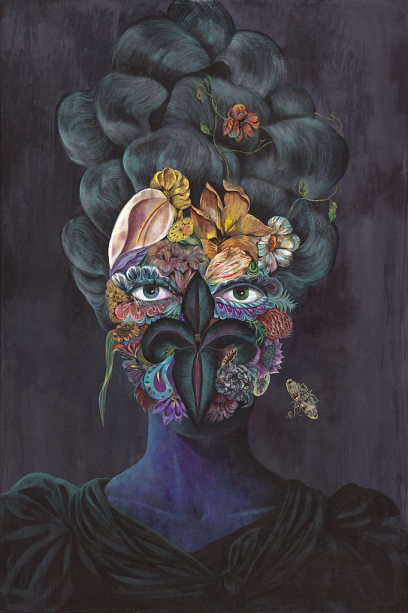
Olaf Hajek

Olaf Hajek

View mystifying and enchanting works like this piece by Olaf Hajek on our tumblr.

– Karen

tumblr Thursdays Roundup

Fantastic beings, mummies, ghouls, and mermaids included, grace the work of our featured artists this week.

See more artist credentials and more fabulous work on our tumblr.

– Karen

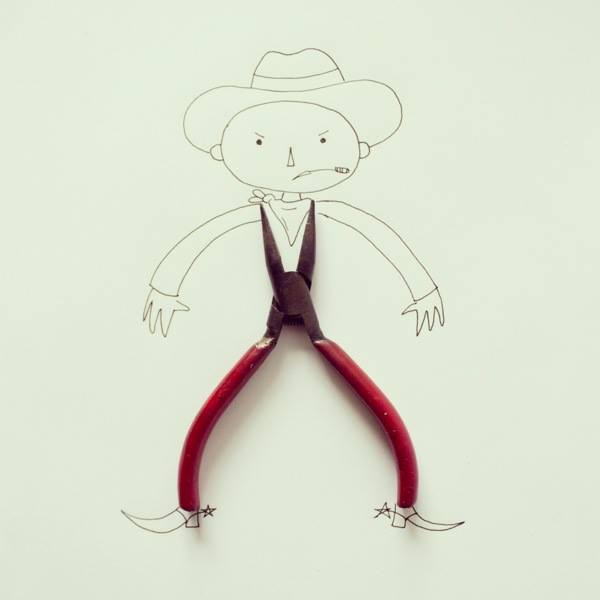
There’s a New Sheriff In Town…

Javier Pérez

Javier Pérez

Javier Pérez combines found objects into imaginative doodles.

What other household objects could you transform with a pen and a piece of paper? Reply with your ideas below!

– Karen

tumblr Thursdays Roundup

Each Thursday our social media team’s excitement is practically palpable, if not discernibly visible!
This excitement stems from the opportunity presented to our dedicated team members: selecting talented artists to showcase for our growing community of slow looking art aficionados — challenge readily accepted.

Submit your own original artwork or learn more about tumblr Thursdays here.

– Karen

tumblr Thursdays Roundup

Peruse the artistic variety provided by the talented artists who have submitted work for viewing on our tumblr page this week in the gallery above.

To submit your own artwork and to see further accreditation visit our page here.

– Karen

Slowly admiring Stephane Jaspert’s street art

As a volunteer for Slow Art Day, I am constantly reminded to admire art slowly, which has inspired me to explore the thriving global community of urban street art online and around my home in Boston for hours every week. By doing so, I have discovered numerous inspiring artists, including Stephane Jaspert.

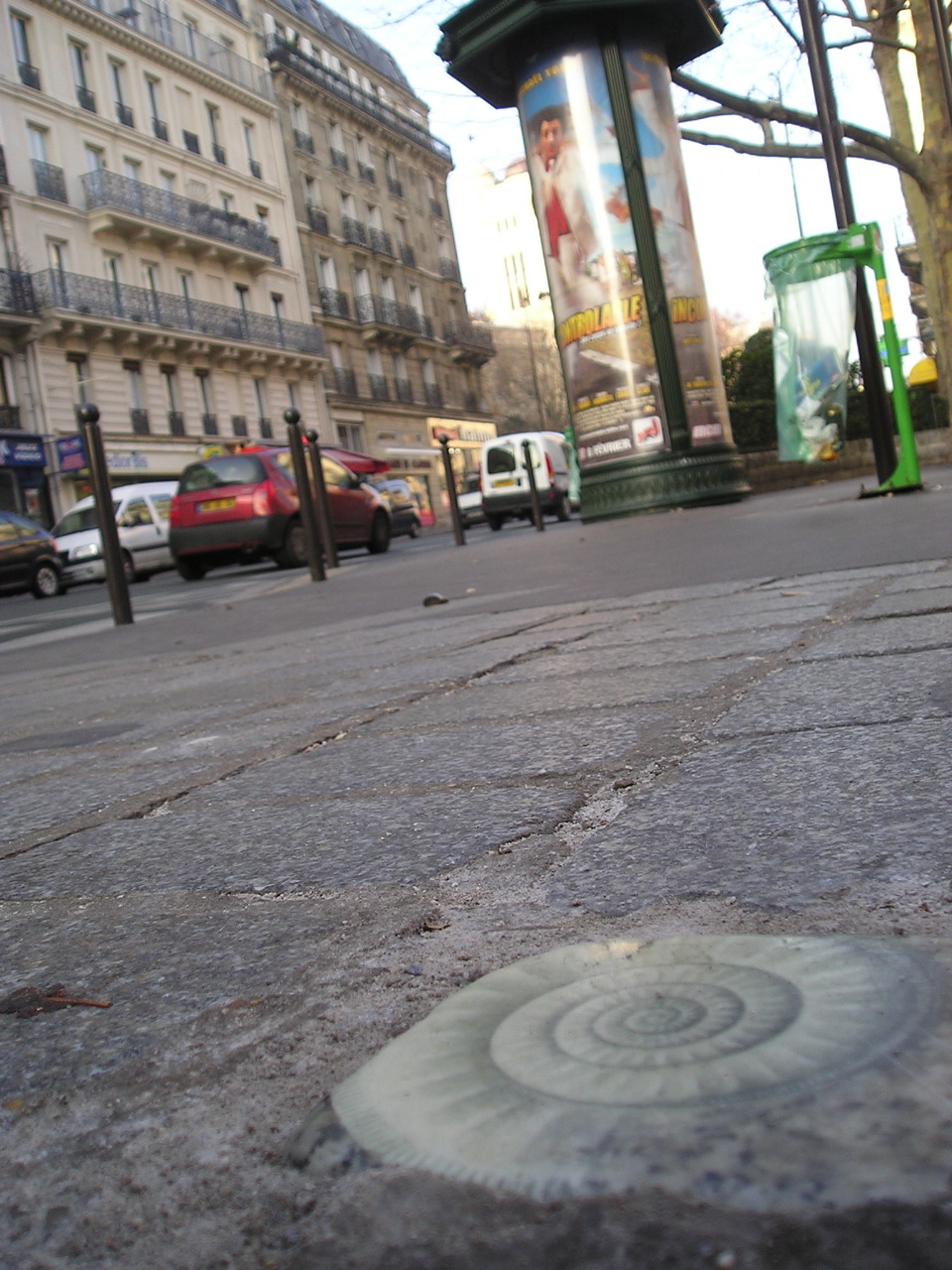
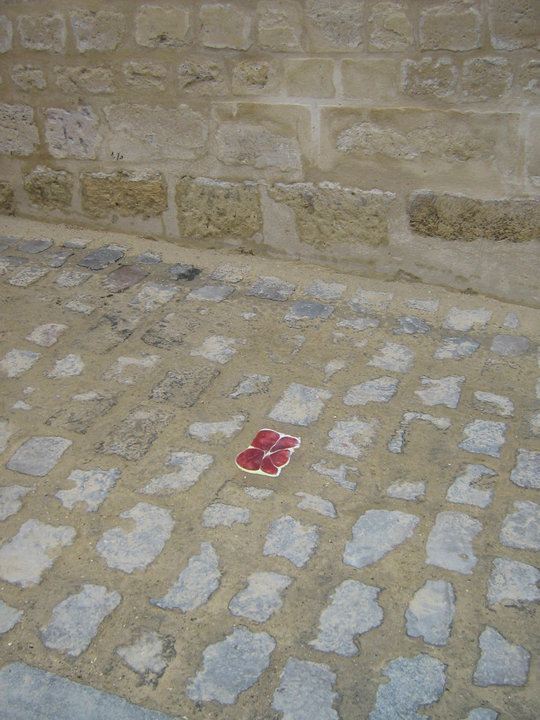
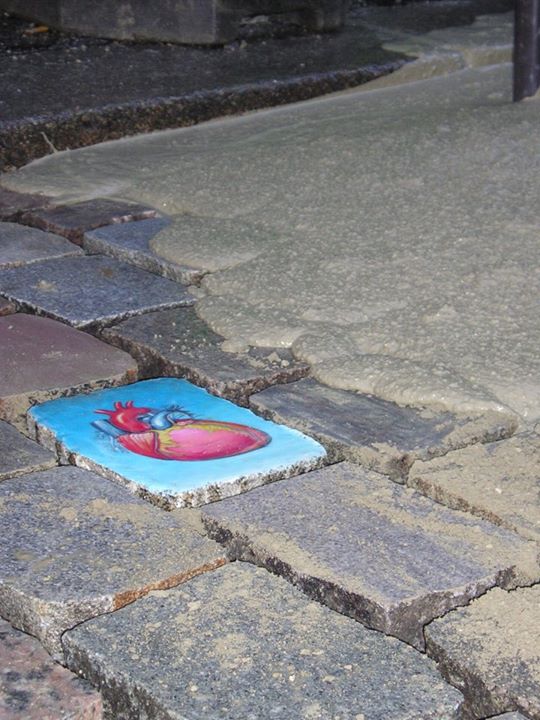
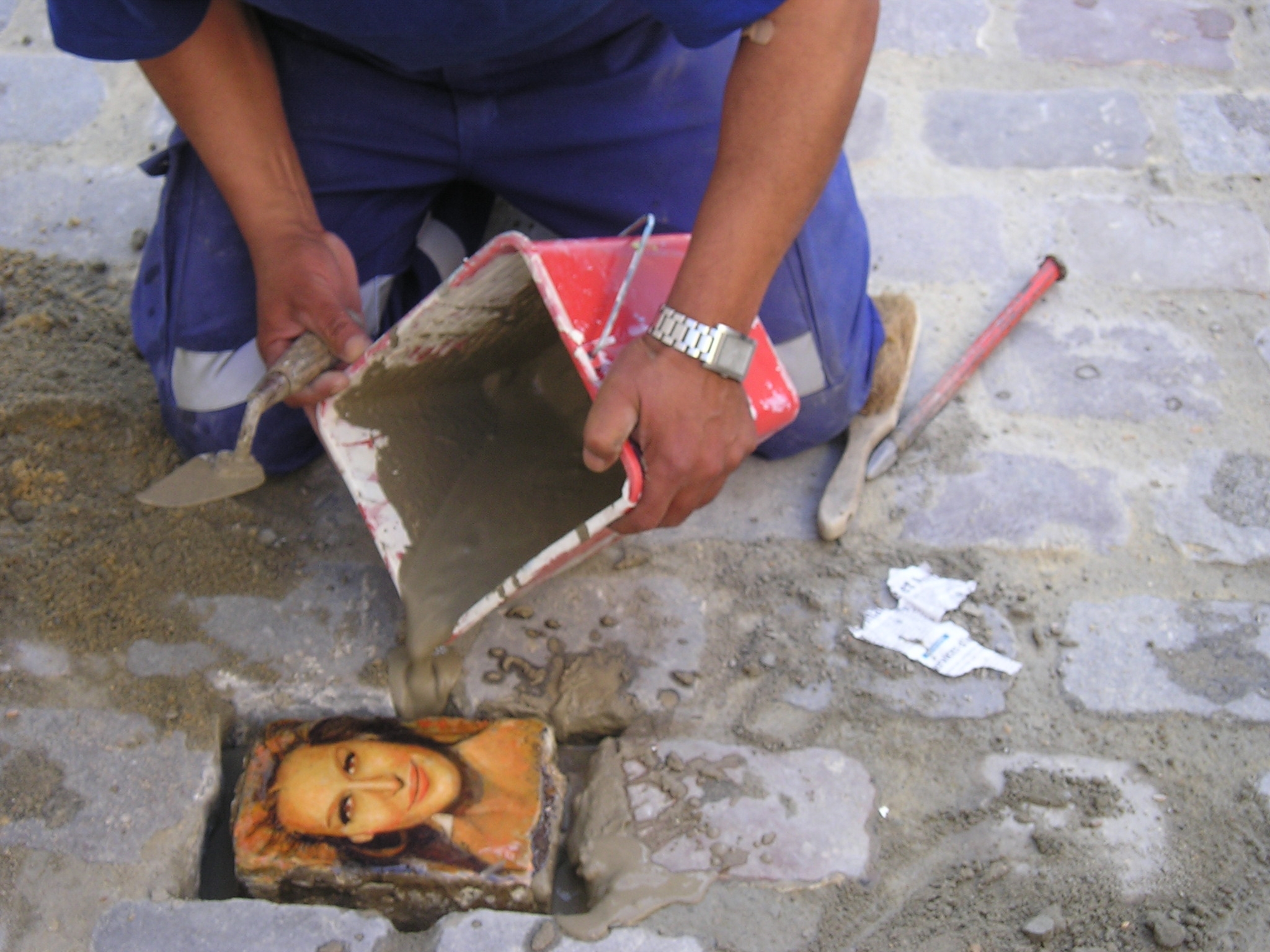
Jaspert removes loose cobblestones from Paris and replaces them with carefully painted rocks from his studio. He adorns these rocks with images and symbols from popular culture, which represents the thousands of visual stimuli that inundate us on a daily basis. He is drawn to cobblestones because they are enduring ancient materials steeped in history. He creates a fascinating tension by highlighting the dichotomy between the strong stone materials and his paintings that will inevitably be removed by the city, or washed off by pounding footsteps and raindrops.

barre8Stephane JaspertStephane JaspertStephane Jaspertdalida_portrait9_jpg

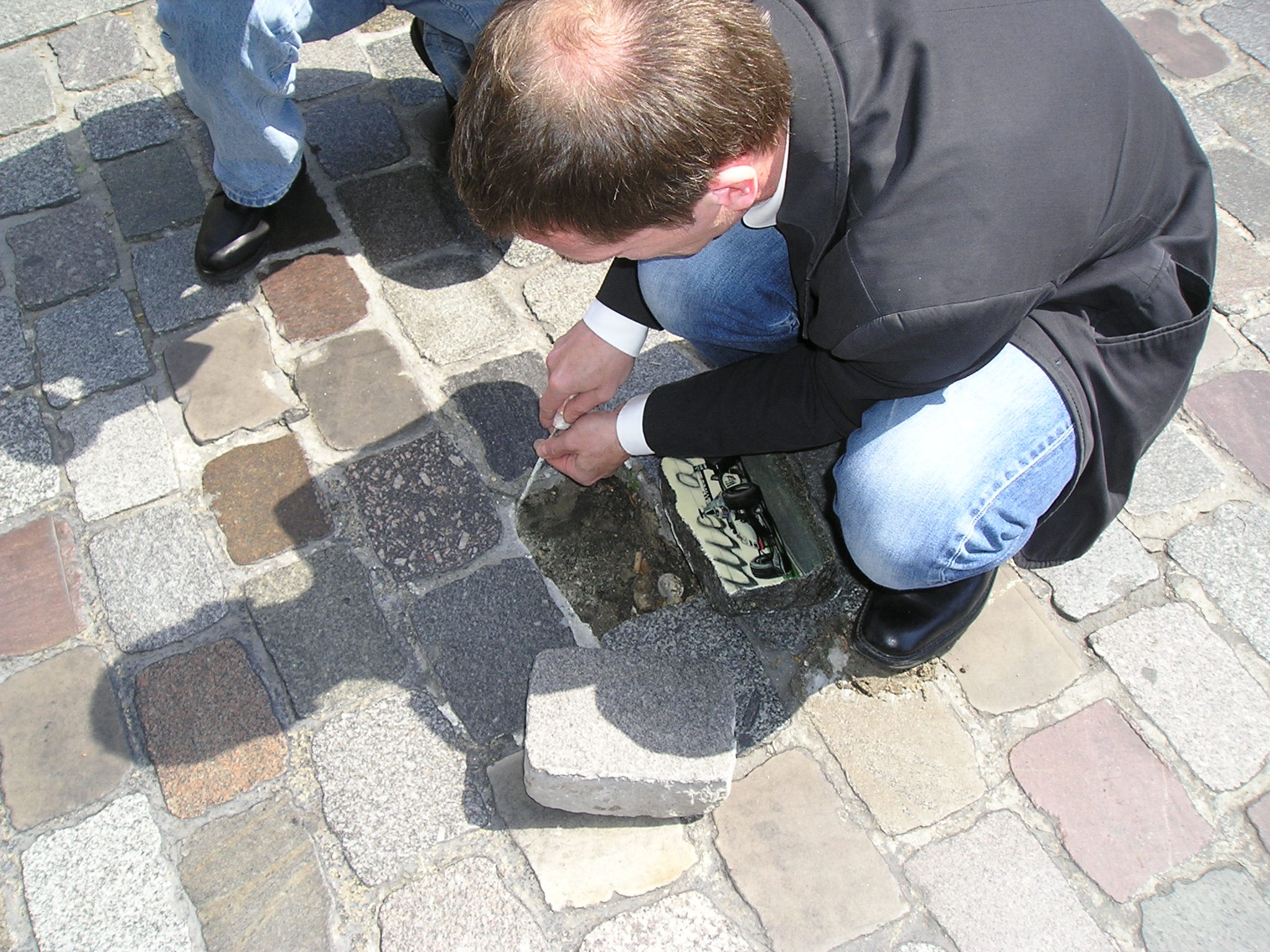
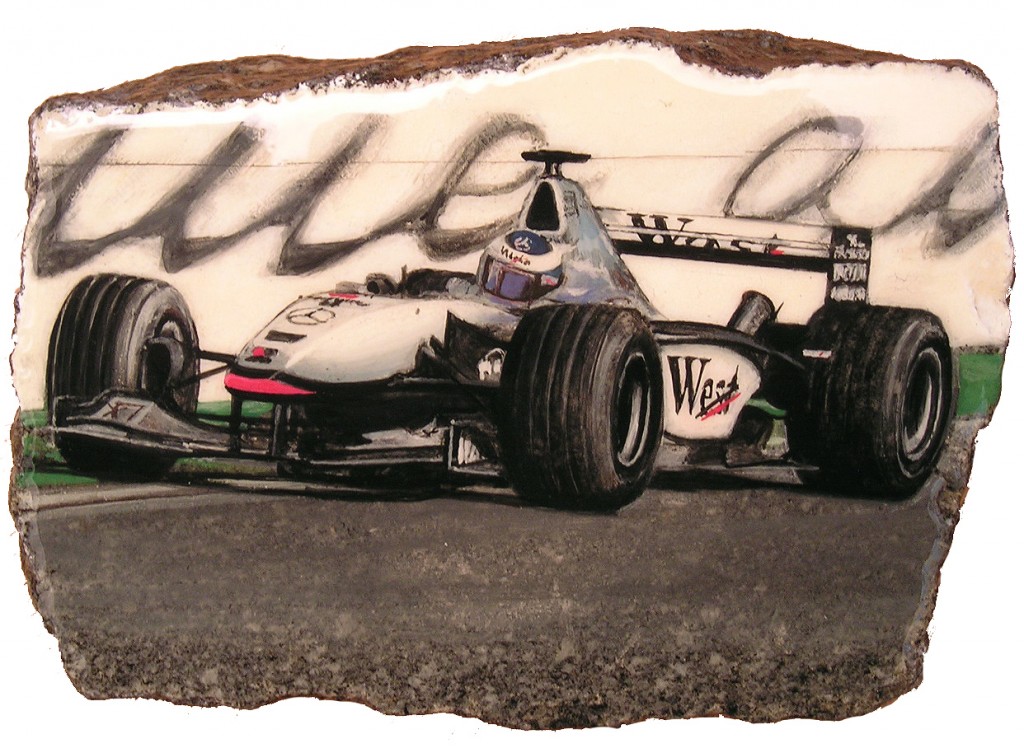
I reached out to Jaspert through Twitter, which led to a great dialogue about his process. He shared an anecdote with me about his experience in 2005 installing one of his pieces, Formula One. This particular cobblestone was adorned with an image of a Formula 1 racecar (pictured below), which had to be installed in front of the city hall of the 4th “arrondissement” (one of Paris’ 20 districts) with a bit of deceit. He related to me how he used his son’s stroller to block the view of a police officer who might have stopped him from removing the loose cobblestone and replacing it with Formula One.  He also used the stroller to store the cement and water bottle needed to complete the installation.

baudoyer16OLYMPUS DIGITAL CAMERA

I encourage Slow Art Day fans to visit his website, or follow him on Facebook or Twitter to learn more about his work.

Who are some of your favorite street artists? Leave us a response in the comment section!
– Gabrielle Peck
Slow Art Day volunteer