Slow Art and Perception at Pitzhanger in London

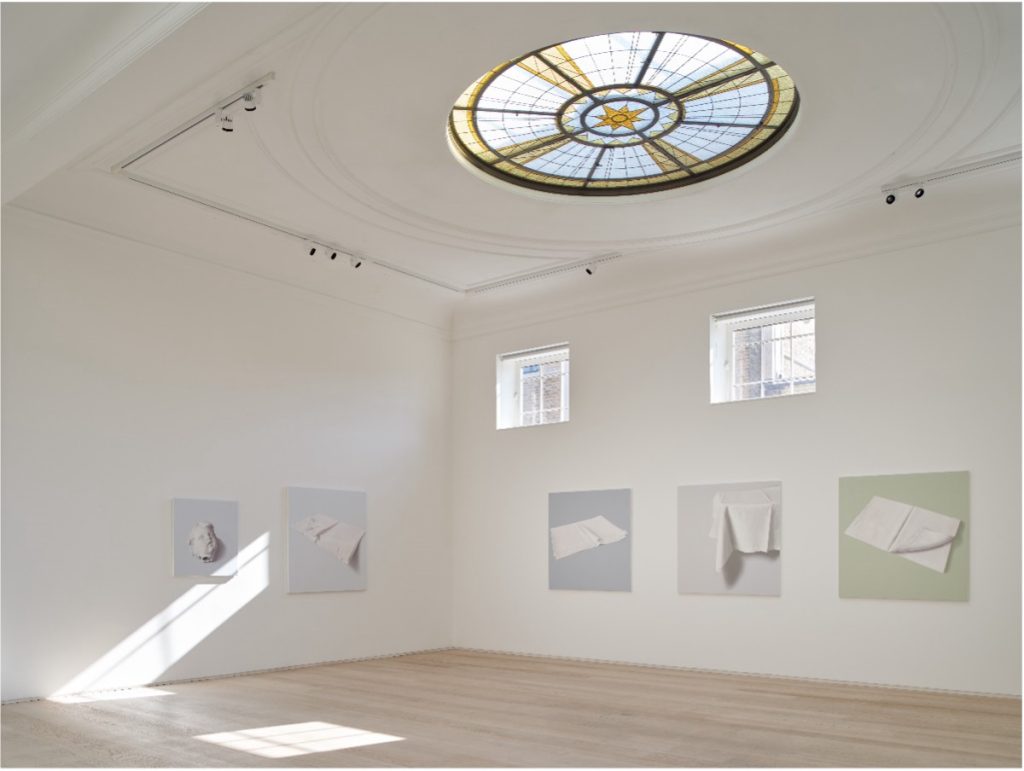
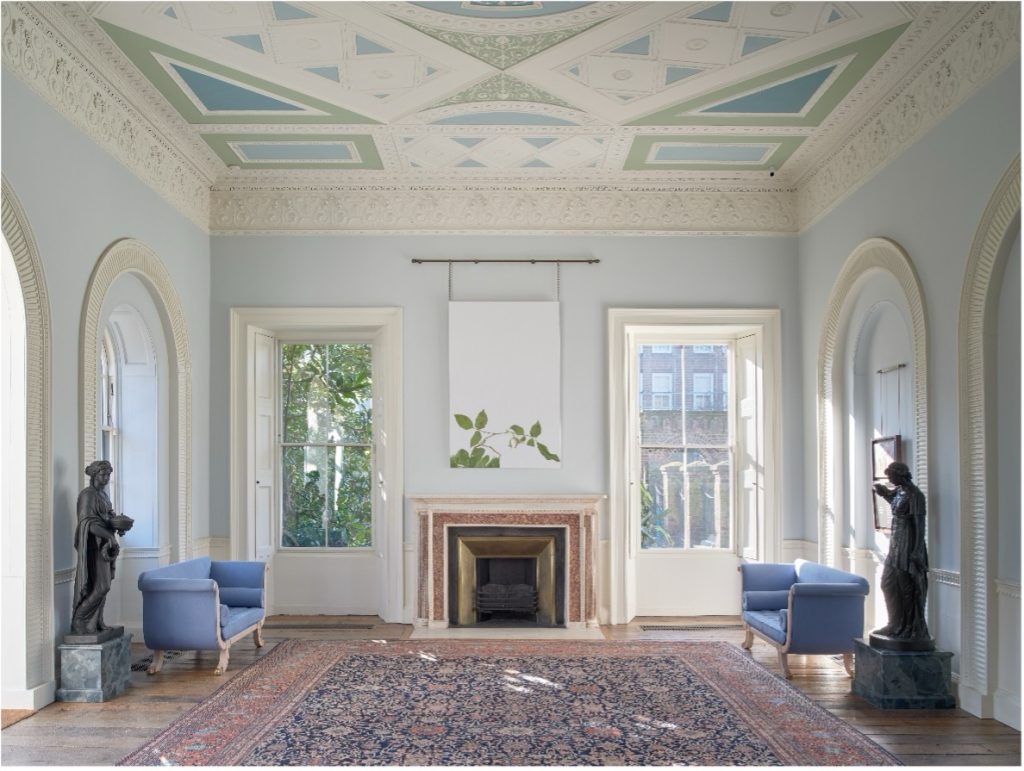
For Slow Art Day 2025, Pitzhanger Manor & Gallery in London, England collaborated with Dr. Aleksandra (Sasha) Igdalova, an expert in the psychology of art perception, to host both a self-guided and facilitated slow looking experience centered on the exhibition Alison Watt: From Light.

This marked Pitzhanger’s second slow looking session with Dr. Igdalova, following an earlier event in March. The afternoon workshop brought together attendees of varied ages, many of whom were new to slow looking. Dr. Igdalova opened the session by introducing the research behind slow observation and outlining how careful, sustained attention can transform understanding and support mindfulness. She then guided participants through a 15-minute group slow look at a selected painting, using structured prompts to direct attention and encourage reflection. Between artworks, the group engaged in discussion, with participants increasingly opening up as the session progressed.

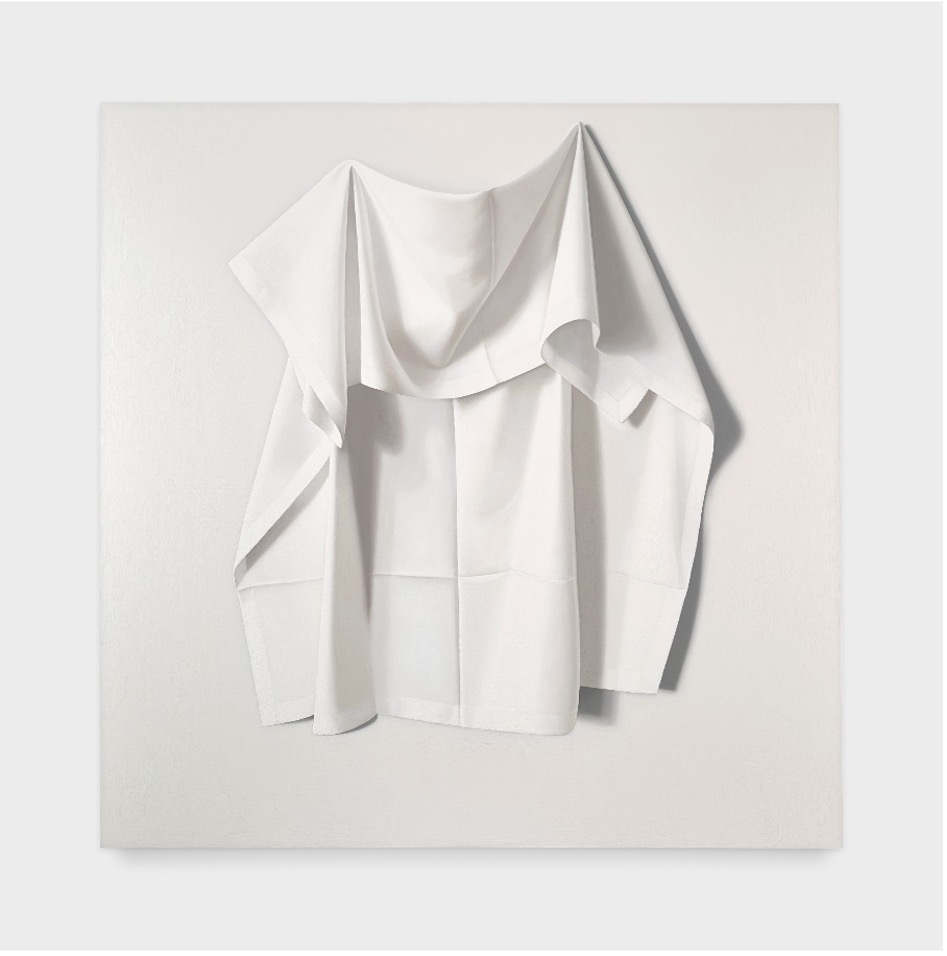
The featured exhibition, Alison Watt: From Light, provided a powerful context for the practice. Participants also spent extended time with other works including Peale and The Day After, discovering nuances that many said they would have otherwise overlooked.
According to post-session surveys, 96.67% of participants said they were extremely or very likely to try slow looking again.

Comments from the survey include:

“I experienced a deeper admiration and emotional connection with work I would have otherwise overlooked.”
“No one usually asks me what I think. I liked that.”
“I felt serene and calm. I felt unified with strangers and that was rewarding.”
“The calm and patience to look more deeply at each painting. This transformed the whole experience for me.”

These reflections capture why Slow Art Day matters — our favorite is the one about how no one usually asks them what they think. Yes! In this world of extreme inequality, creating a space where every voice is invited and valued matters.
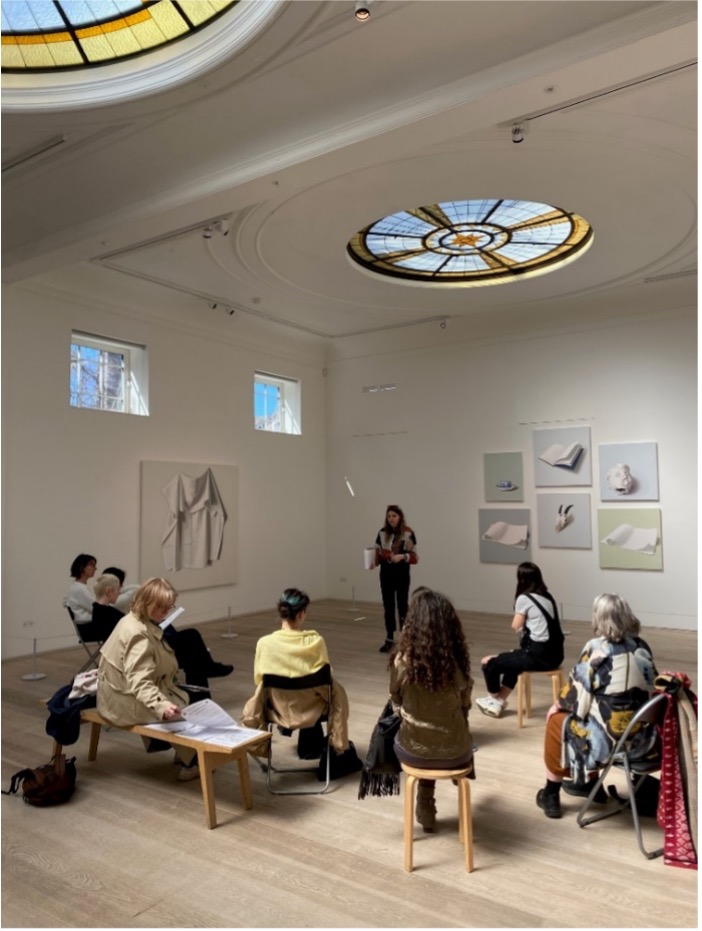
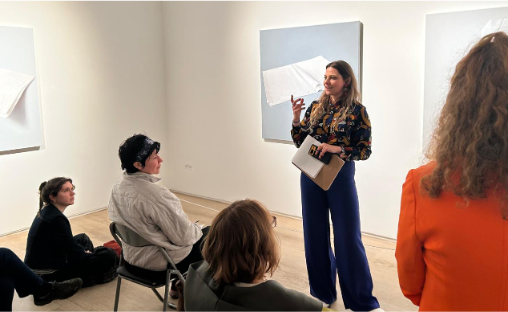
Slow Art Day at Pitzhanger 2025. Photo credit: Jamila Robson.

In parallel with the workshop, Dr. Igdalova developed a Self-Guided Slow Looking Guide (below) in collaboration with Pitzhanger Report for Slow Art Day. The guide is now permanently available in the gallery, inviting visitors to pause and reconsider their viewing habits. Staff observed that many visitors who initially spent only seconds per artwork stopped when encountering the guide, reflected on their pace, and chose to engage more deliberately. Some photographed the guide; others took copies home.

To promote the event, Pitzhanger’s communications team produced an Instagram reel featuring Dr. Igdalova’s recorded slow looking prompt layered over exhibition imagery, extending the practice beyond the gallery walls.

We thank Dr. Aleksandra Igdalova and the team at Pitzhanger Manor & Gallery for integrating research, facilitation, and accessible tools into a thoughtful Slow Art Day experience. We look forward to seeing what they come up with for Slow Art Day 2026.

– Ashley, Johanna, Jessica Jane, and Phyl

P.S. You can follow Pitzhanger Manor & Gallery on Instagram and LinkedIn.
Shipping Brow Gallery in Cumbria, UK

For their second Slow Art Day, The Shipping Brow Gallery in Maryport, Cumbria, UK invited participants to explore artworks by renowned Cumbrian artist Percy Kelly. The gallery hosts the largest permanent collection of Kelly’s work in the United Kingdom.

Featured Works:
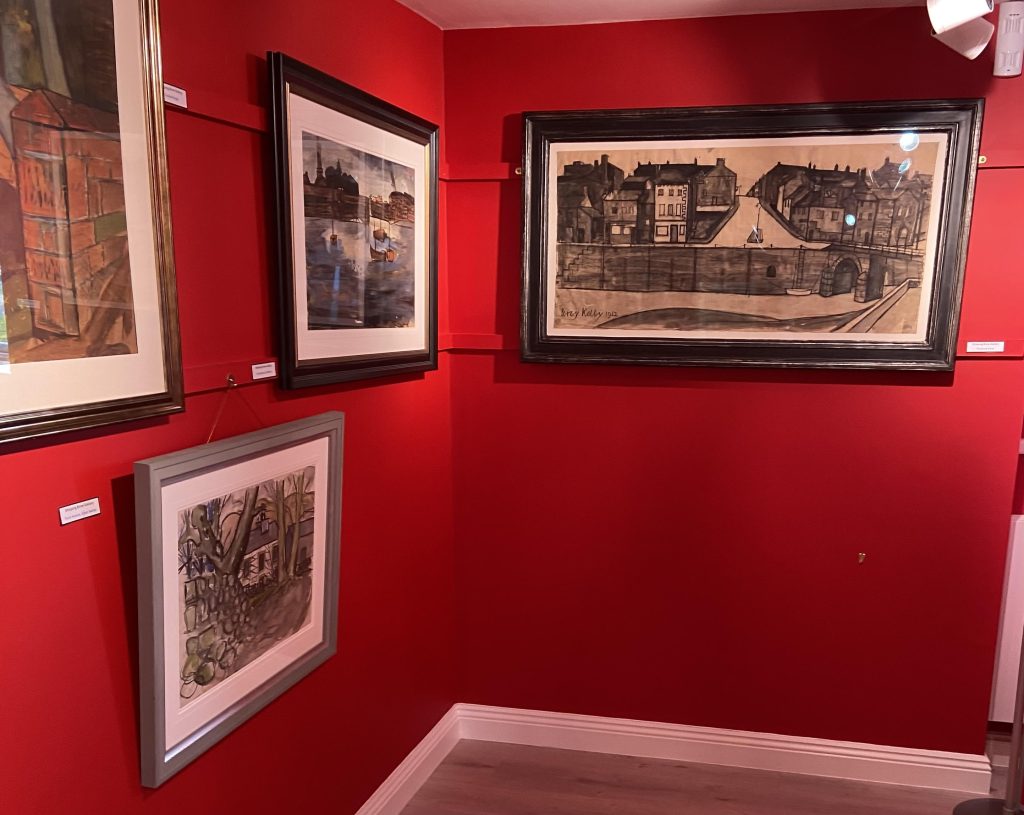
A selection of 35 paintings by Percy Kelly, prominently featuring local scenes, including the gallery itself.

A display of Percy Kelly’s works at the Shipping Brow Gallery. Photo courtesy of Shipping Brow Gallery.

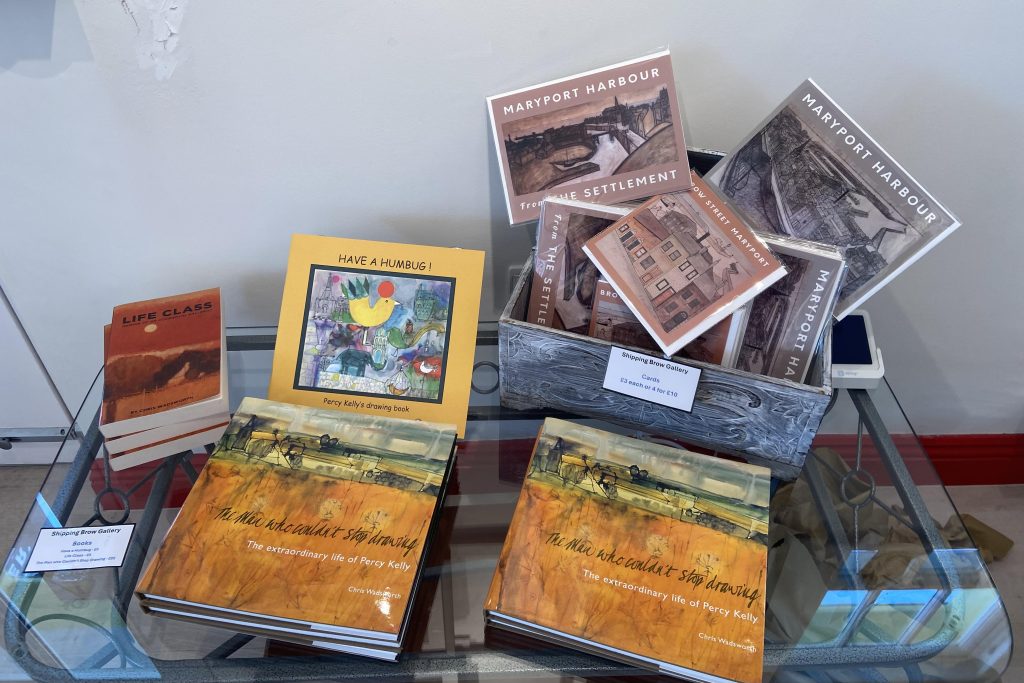
The museum also introduced a prize drawing. Attendees submitted guesses identifying how many paintings depicted the Shipping Brow Gallery building for a chance to win a copy of the art book, The Man Who Couldn’t Stop Drawing, by Chris Wadsworth.

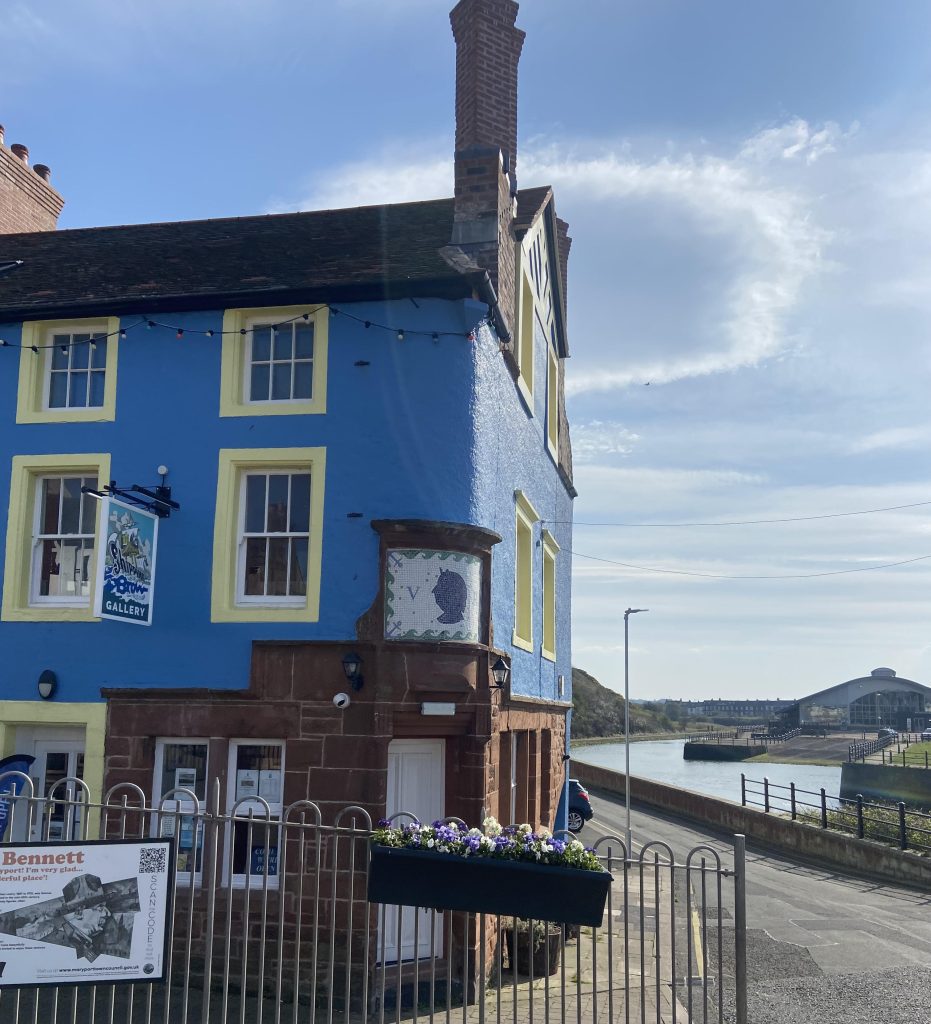
The Shipping Brow Gallery exterior. Photo courtesy of Shipping Brow Gallery.
Books on display, including the prize book The Man Who Couldn’t Stop Drawing, by Chris Wadsworth. Photo courtesy of Shipping Brow Gallery.

The event attracted a diverse group of attendees, ranging in age from 8 to 65 years, demonstrating broad community interest and engagement.

We thank Dolly Daniel and the entire Shipping Brow Gallery team for their organization and dedication to Slow Art Day 2025. We look forward to their participation in Slow Art Day 2026.

– Ashley, Johanna, Jessica Jane, and Phyl

P.S. Stay connected with Shipping Brow Gallery on Instagram.

Slow Art Day 2017 at the Yorkshire Sculpture Park

Host Rachel Massey at the Yorkshire Sculpture Park writes of their Slow Art Day 2017 experience,

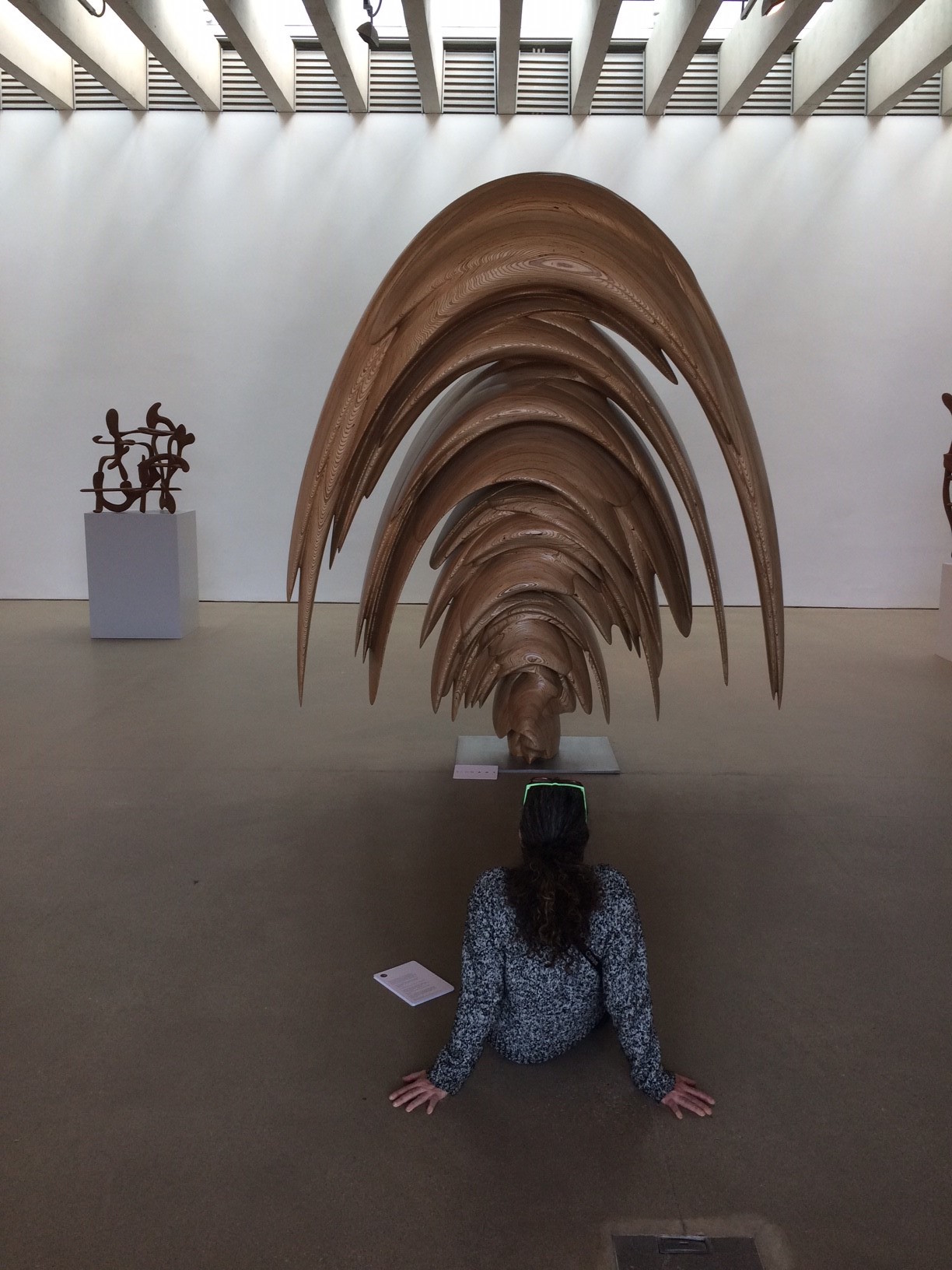
“YSP launched Mindful Moments on Slow Art Day, inviting 10 people to a private one hour viewing of Tony Cragg’s A Rare Category of Objects. Participants were invited to focus their attention on five specially selected sculptures and given cards with guidance and suggestions for mindful viewing – they were encouraged to close their eyes on arrival and before departing from each art work, allowing time for the experience to settle, perhaps noticing sensations in their body to help ground them in the moment.

Invitations for ways to view the work included, “Notice the edges of the piece. Take time to trace the edges with your eyes. Move very close to the piece and look slowly. Move further away – what do you see now?”

The atmosphere in the gallery was tranquil, yet there was a sense of intent focus and quiet energy. People moved reverentially around the space, but felt comfortable to lie on the floor, crawl around and under sculptures, move their bodies in response to the shapes.

This was followed with a delicious breakfast of tea coffee and pastries in the restaurant and conversation about the experience.”

Visitor feedback:

“Slow Art Day at YSP was truly the best way to start the weekend. We’re spending the day here, and we will do it differently after that.”

“If I’d gone on a normal visit I wouldn’t have even looked at that sculpture. Now I feel a real connection to it and it’s my favourite one.”

“All my ideas about the work changed as I looked at it longer.”

“A great privilege to have this private experience with a sculpture.”