BYU Museum of Art: Four Ways to Slow Down in “Crossing the Divide”

For their fourth Slow Art Day, the Brigham Young University Museum of Art in Provo, Utah celebrated from Monday, March 31 through Saturday, April 5 and invited visitors to practice slow looking using four different strategies and a small group of works in the Crossing the Divide exhibition on display on the main level of the museum.

Featured works:

  • “A Corner Window in a Pawn Shop” by Rose Hartwell (1893)
  • “Trifloria” by Jeanne Leighton-Lundberg Clarke (c. 1981)
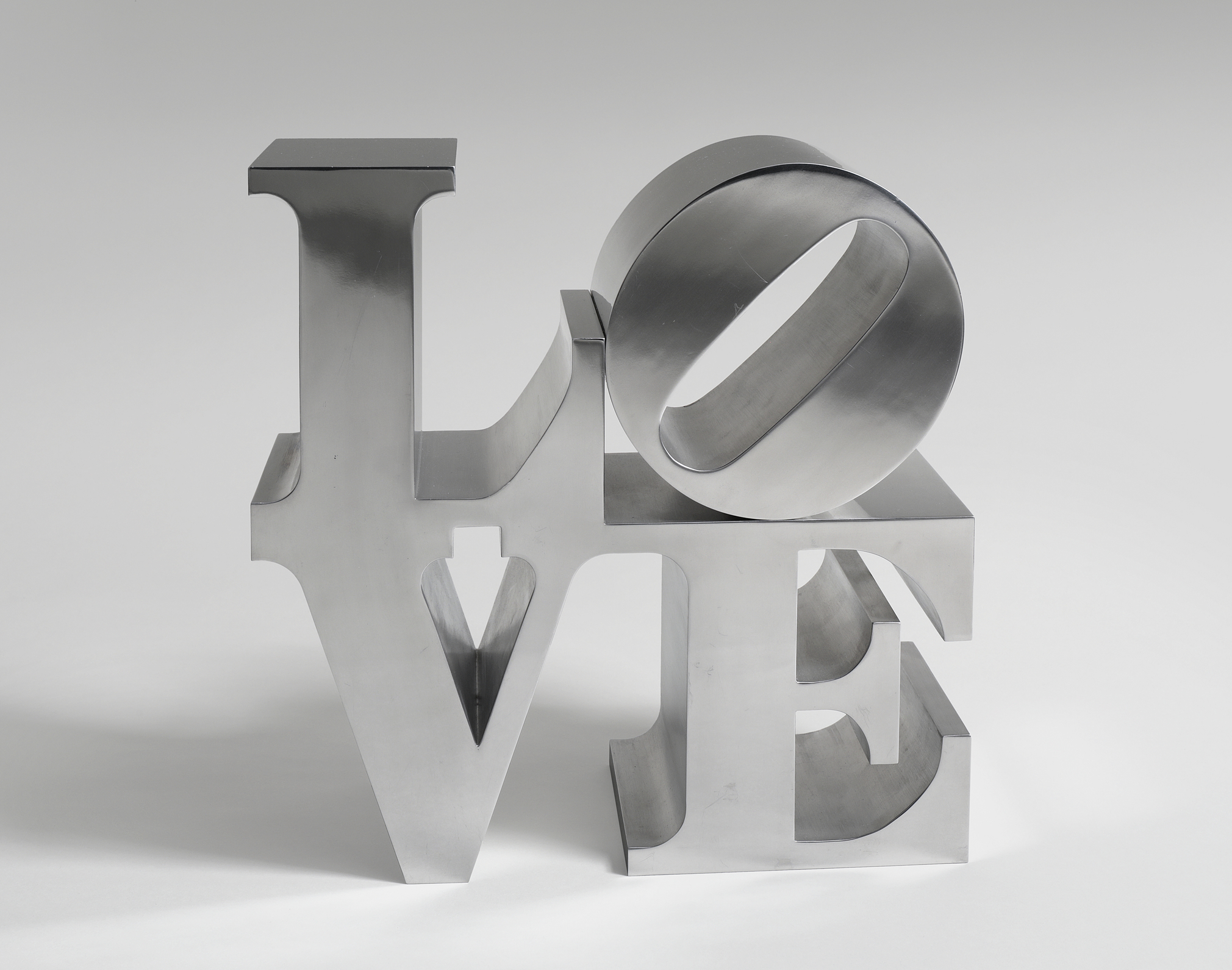
  • “LOVE” by Robert Indiana (1973)
  • “View of Monterey Bay” by Raymond Dabb Yelland (1879)
  • “Great White Throne” by Phillip Henry Barkdull (1930)

Look Big

Image
Rose Hartwell, A Corner Window in a Pawn Shop (1893), oil on canvas. Brigham Young University Museum of Art.

Visitors were encouraged to “cast a wide net” and examine every detail in Hartwell’s painting. The prompt challenged them to name ten different items for sale in the shop window — a structured way to slow down and notice complexity.

Narrow Your Focus
Image
Image

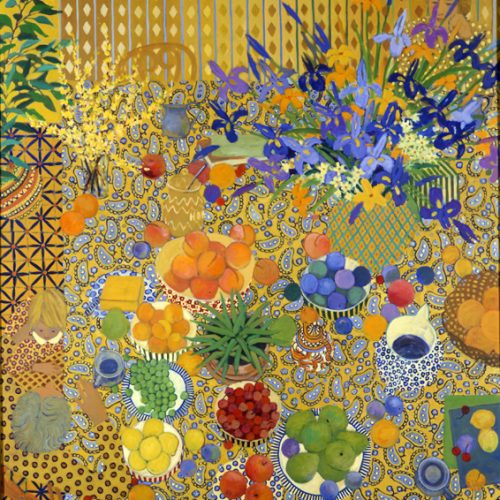
Jeanne Leighton-Lundberg Clarke, Trifloria (c. 1981), oil on canvas. Brigham Young University Museum of Art.

Here the instruction was the opposite: limit attention to colors, shapes, and patterns. By narrowing their focus, visitors discovered how repetition, contrast, and structure shape the viewing experience.

Change Your Perspective

Image
Image

Robert Indiana, LOVE (1973), aluminum. Brigham Young University Museum of Art.

Participants were invited to view Indiana’s sculpture from multiple angles, either in person or through online images. Altering physical perspective revealed new alignments of form and shadow.

Compare and Contrast

Image
Raymond Dabb Yelland, View of Monterey Bay, 1879, oil on canvas.
Image

Phillip Henry Barkdull, Great White Throne (1930), oil on canvas. Brigham Young University Museum of Art.

Image
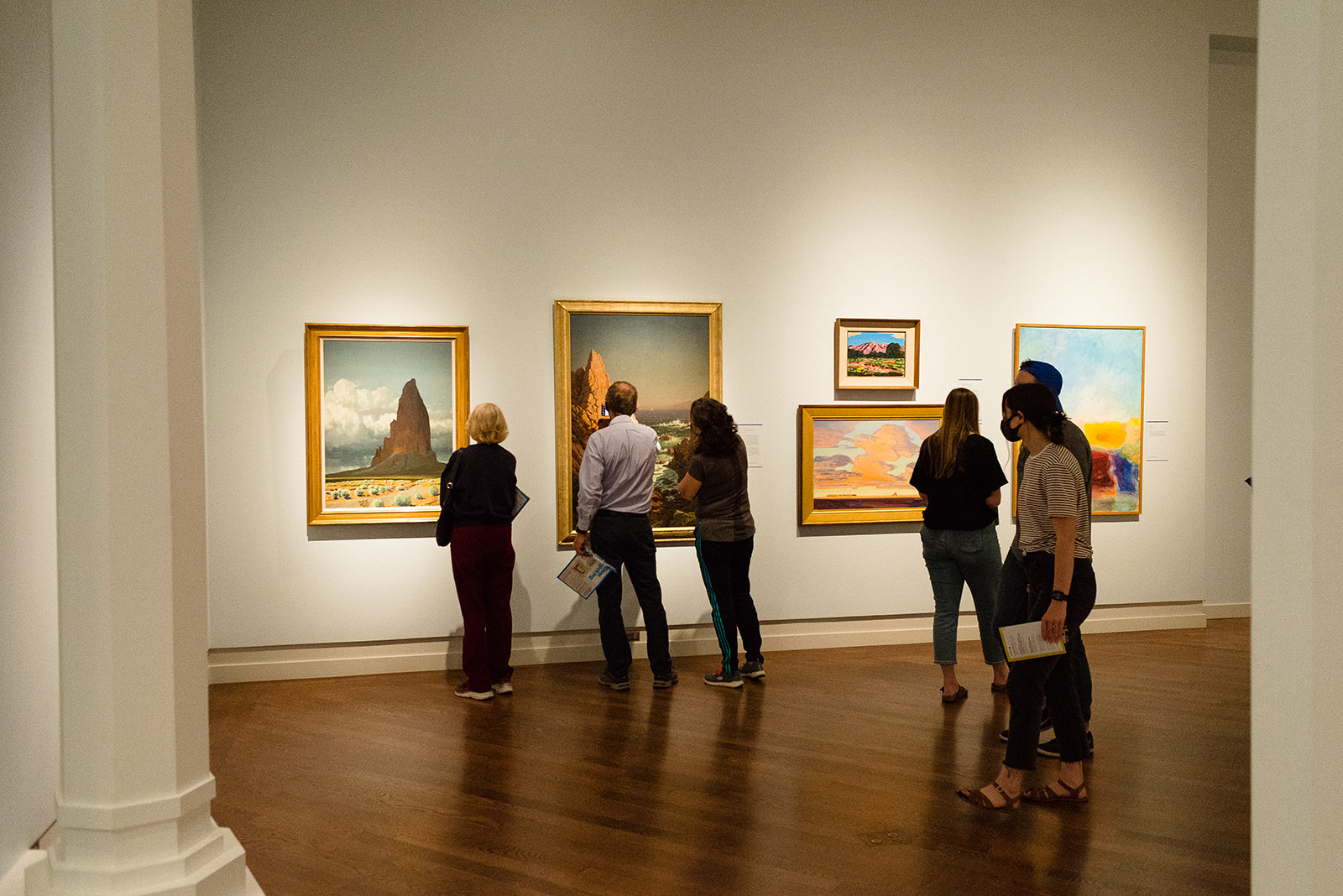
Visitors looking, comparing and contrasting Yelland and Barkdull.

Visitors were prompted to compare subject, color, line, and composition between the two landscapes. This strategy encouraged noticing similarities and differences in mood, structure, and visual language.

After completing the activity, participants returned to the front desk to receive a small prize. All visitors selected a postcard or sticker featuring one of the works. Children also received a kaleidoscope, and adults chose between a museum pin or sticker.

At Slow Art Day HQ, we love that The BYU Museum of Art asked visitors to look with four different. That’s a great design for a thoughtful Slow Art Day.

We look forward to seeing what the BYU Museum of Art comes up with for Slow Art Day 2026.

– Ashley, Johanna, Jessica Jane, and Phyl
BYU’s First Slow Art Day

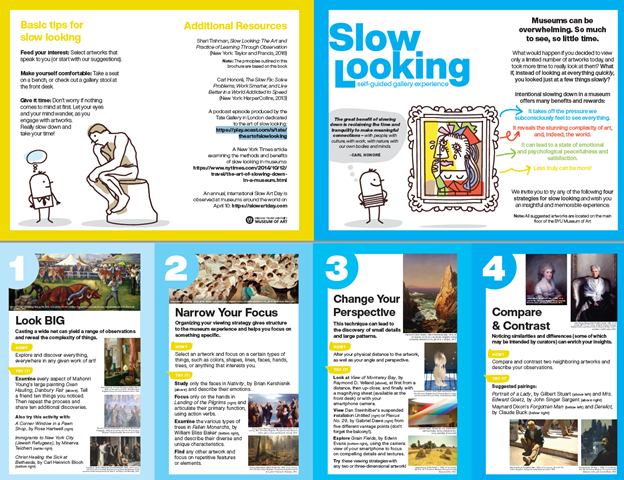
On April 10, the Brigham Young University Museum of Art (BYU) in Provo, Utah, welcomed visitors to their first Slow Art Day event, which was in-person. Visitors were welcomed by a student educator at the front desk, who invited them to try the four slow looking strategies outlined in the below brochure. Participants were given suggestions for art to use for the exercise, but were free to apply the strategies to any work of art on display.

Brigham Young University Museum of Art Slow Art Day brochure.

Below we have summarized their four key instructions (to see the full details, look at the picture of the brochure above):

  1. Look BIG: casting a wide net can yield a range of observations and reveal the complexity of things. How? Explore and discover everything, everywhere in any given work of art!
  2. Narrow your focus: organizing your viewing strategy gives structure to the museum experience and helps you focus on something specific. How? Select an artwork and focus on certain types of things, such as colors, shapes, lines, faces, hands, trees, or anything that interests you.
  3. Change your perspective: this technique can lead the discovery of small details and large patterns. How? Alter your physical distance to the artwork, as well as your angle and perspective.
  4. Contrast & Compare: noticing similarities and differences (some of which may be intended by curators) can enrich your insights. How? Compare and contrast two neighboring artworks and describe your observations.

The event was advertised via an in-house digital banner, printed signage, social media coverage on Facebook and Instagram, and a feature in the on-campus digital newsletter. A total of 116 visitors participated in the activity throughout the day.

The Museum already has a Slow Looking Gallery Guide based on Shari Tishman’s 2018 book “Slow Looking”, which features Slow Art Day and inspired BYU’s event brochure (Note: we are planning a webinar with Shari Tischman for the fall of 2021).

Below are several photos from their event.

Participants engaging with art following the four slow looking strategies.

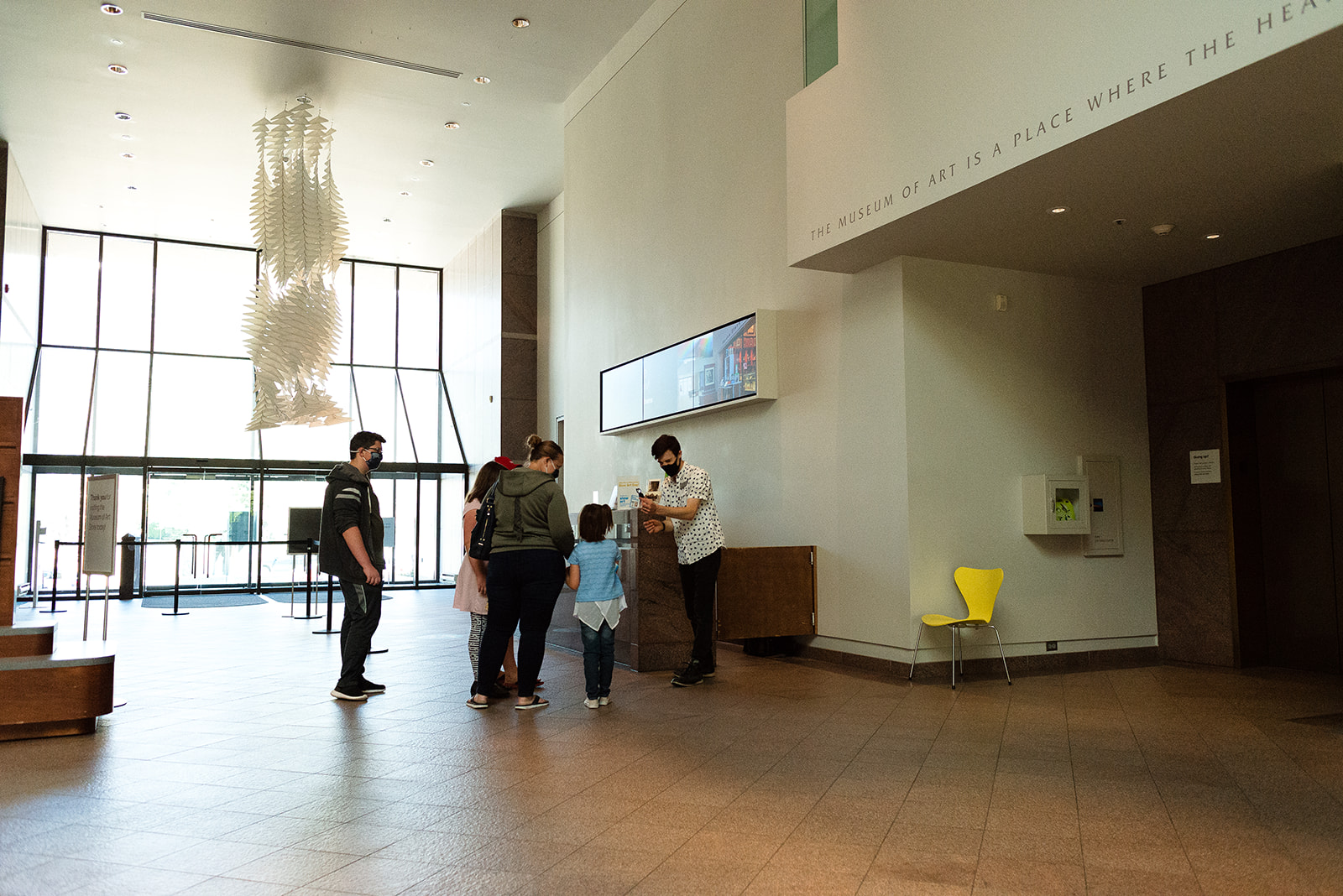
Visitors arriving at the front desk of the Museum

Philipp Malzl, Museum Educator, said that many visitors later shared their experience and insights with Museum staff. As a “thank you” gesture for sharing their feedback, the Museum gave participants a small gift (either a magnifying glass, art print, or museum pin).

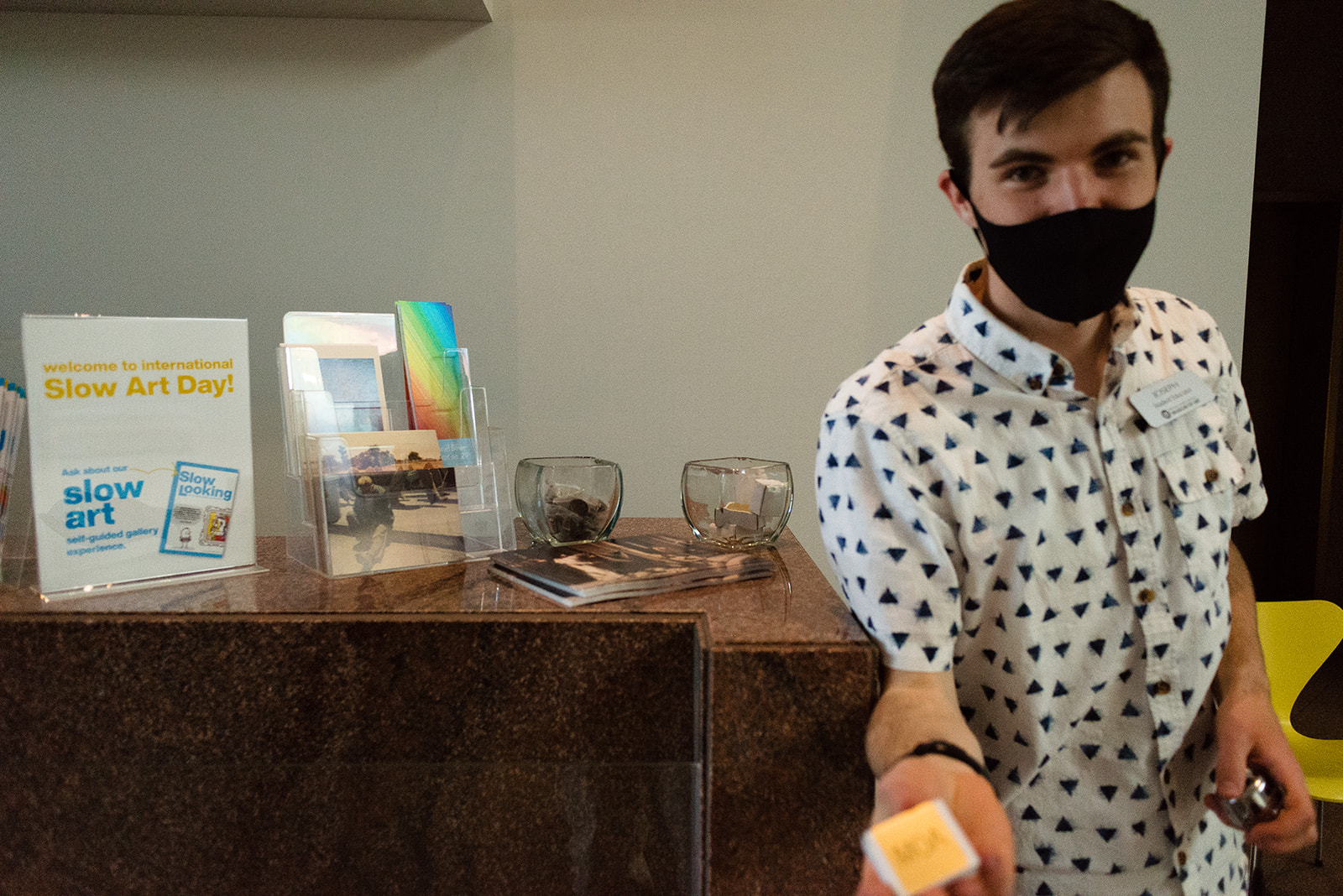
Student educator at the front desk of the Museum hands a Slow Art Day participant a gift

They received a lot of great feedback (below are some highlights):

“I had no idea there was so much to see!”

Participant’s quote

“That was awesome! A whole new perspective.”

Participant’s quote

“I have [one of these paintings] hanging in my office, but I’ve never taken the time to really look at the details. I’m an art guy… this was different, and I loved it.”

Participant’s quote

“Usually we try to see everything in a museum, but today we didn’t. We really loved slowing down and paying more attention to the details.”

Participant’s quote

“We’ve been participating in this for years…we love slow art!”

Participant’s quote

At Slow Art HQ, we are excited that more than 100 participants took part in Brigham Young University Museum’s inaugural Slow Art Day. We loved their detailed four-step brochure, and their *thank-you* gifts. They did an amazing job of creating a welcoming environment.

We look forward to seeing their plans for Slow Art Day 2022.

Johanna, Jessica, and Ashley