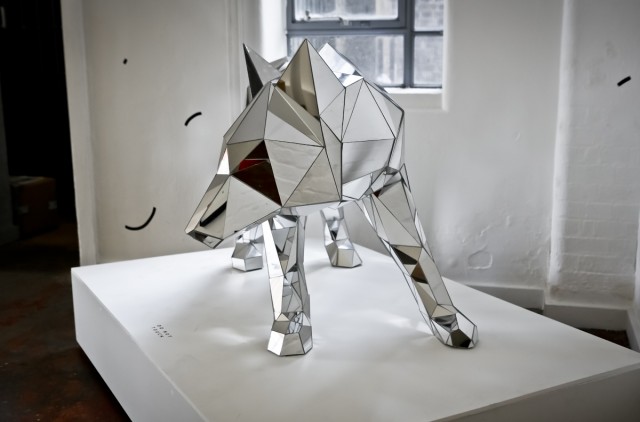
This mirrored sculpture by Arran Gregory may depict a lone wolf, but this alpha dog is certainly not lonely!
Discover the good company Gregory’s wolf is keeping on our tumblr here.
-Karen

This mirrored sculpture by Arran Gregory may depict a lone wolf, but this alpha dog is certainly not lonely!
Discover the good company Gregory’s wolf is keeping on our tumblr here.
-Karen
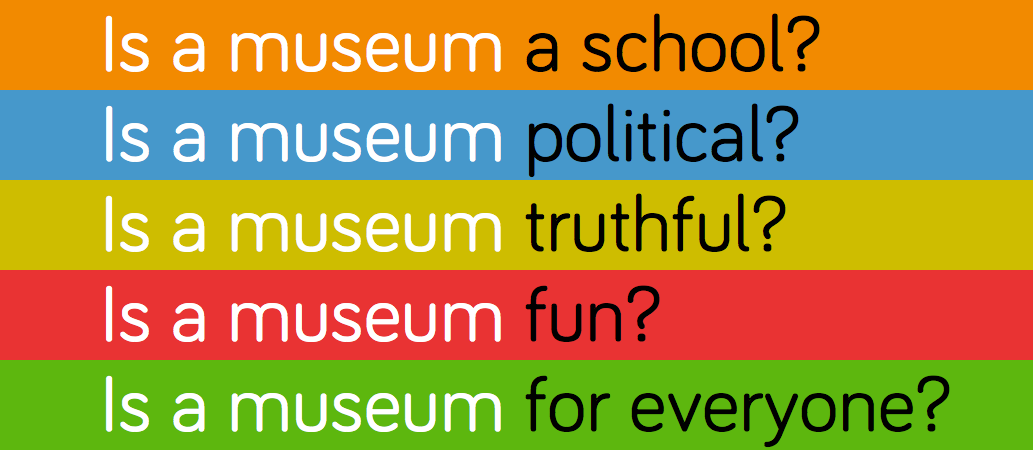
Sam Durant wants to help you redefine the museum.
Through this interactive online project, What #isamuseum?, the artist and 2013 Getty Artists Program Invitee uses crowd sourcing to explore the purpose and use of museums today. Durant mixes his own tongue-in-cheek musings with community submitted responses with the succinct control of a well worded tweet.
Durant uses social media channels in a way akin to Slow Art Day’s own use: to further discourse and broaden reach.
Why don’t we contribute to this fascinating project by sharing what every host and participant of Slow Art Day knows: that museums can be fun and for everyone by partaking in Slow Art Day!
Share your slow looking knowledge and explore further here.
– Karen

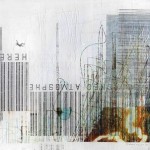

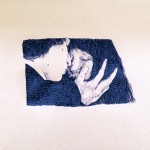
Our newest effort to support new and upcoming artists, Facebook Fridays, is in full swing with a fresh crop of visual treats!
Itching for more artwork over the weekend? Look no further than our facebook page.
– Karen
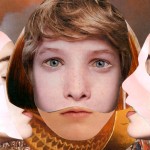




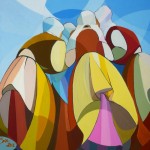
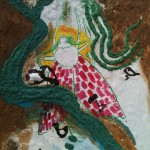
Peruse the artistic variety provided by the talented artists who have submitted work for viewing on our tumblr page this week in the gallery above.
To submit your own artwork and to see further accreditation visit our page here.
– Karen
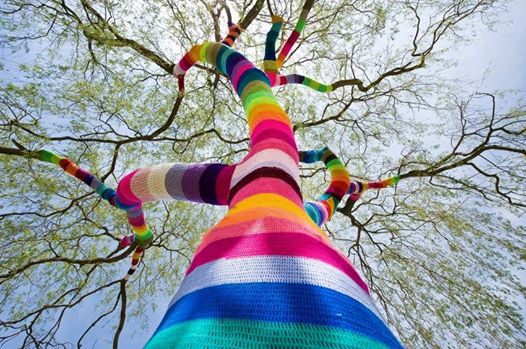
Ute Lennartz-Lembeck and her German “knitting graffiti” group B-Arbeiten adorn trees with custom-fit sweaters to encourage passers-bys to reconsider their everyday surroundings. This piece, Weeping Willow, was created in 2011 in Velbert, Germany.
See more colorful and unexpected works on our Facebook page.
– Karen

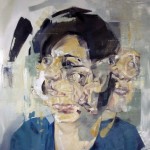


Our tumblr followers have enjoyed viewing these fractured portraits by Benjamin Garcia this week.
Want more unexpected visual treats? Check out our tumblr.
– Karen
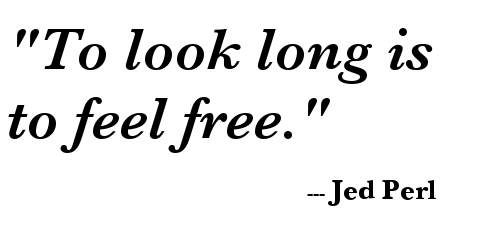
If you’ve been looking at our social media pages over the weekend you may have come across this quote from art critic Jed Perl’s essay, The Art of Looking, hosted in the anthology: Drawing Us In: How we experience art.
We at Slow Art Day couldn’t agree more.
– Karen
As the very first intern to join the Slow Art Day team back in August of 2012, I’ve seen the social media strategy for our organization evolve from the ground up. From completely revamping our Tumblr page, to becoming active again on Facebook and Twitter, we’ve grown our online presence exponentially in just over a year, thanks to our hard-working social media team of just under 10 interns and volunteers.
One our strongest beliefs at Slow Art Day is that art is truly for everyone, and our social media channels reflect that. Our Facebook page provides a daily dose of interesting artwork into your newsfeed, while our Tumblr blog showcases not only art by well-established names, but also features young and emerging artists who submit their work for our weekly “Tumblr Thursdays.”
We’re planning some exciting contests and giveaways in the future, so make sure to stay up to date on all our social media channels, whether we’re welcoming and announcing new venues on Twitter, sharing host reports and interviews on our blog, or posting thought-provoking and inspiring pieces of art on our Facebook and Tumblr.
If you like what you see, feel free to drop us a line – we always love feedback!
Alie Cline
Social Media Manager
As a volunteer for Slow Art Day, I am constantly reminded to admire art slowly, which has inspired me to explore the thriving global community of urban street art online and around my home in Boston for hours every week. By doing so, I have discovered numerous inspiring artists, including Stephane Jaspert.
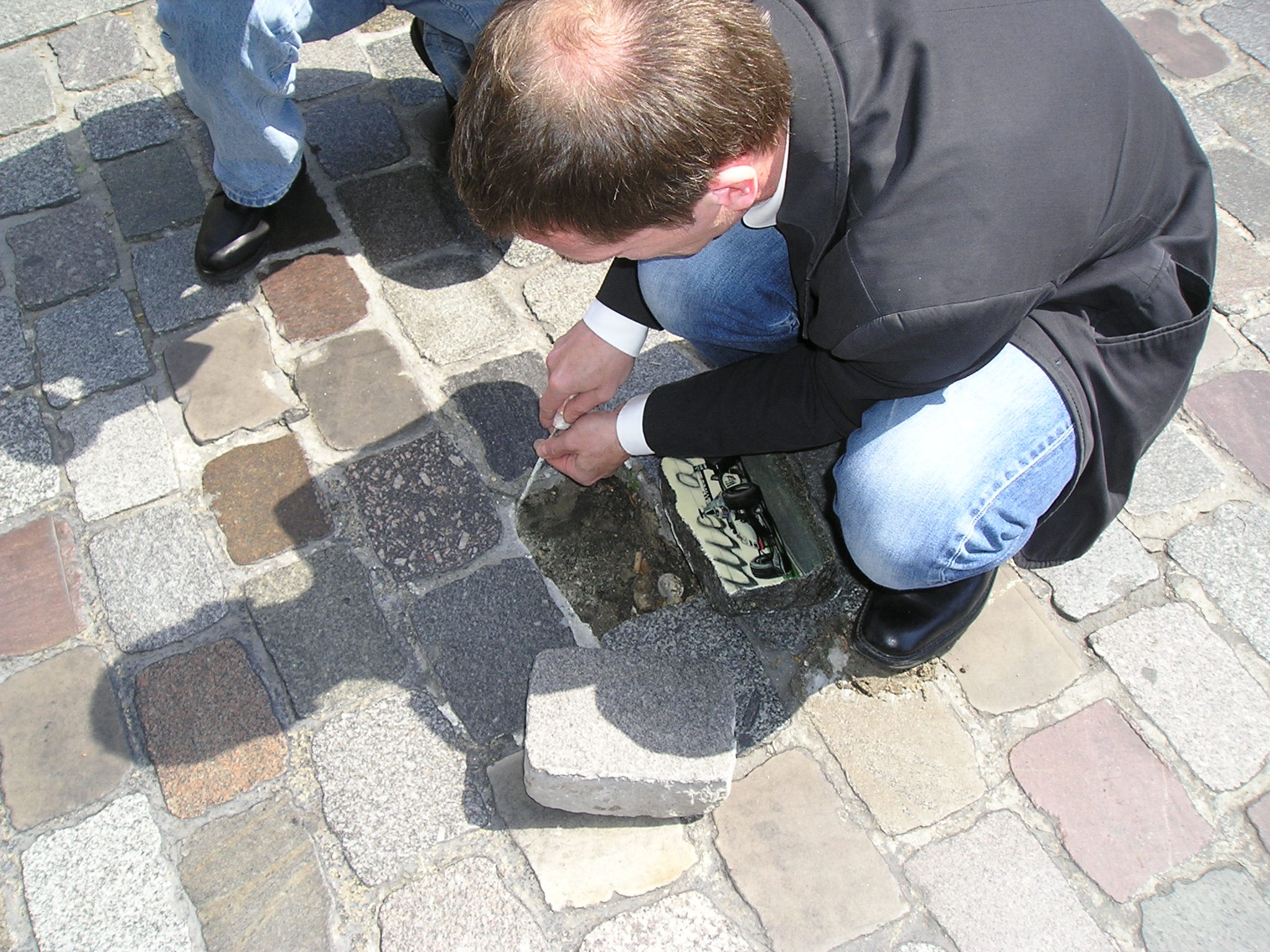
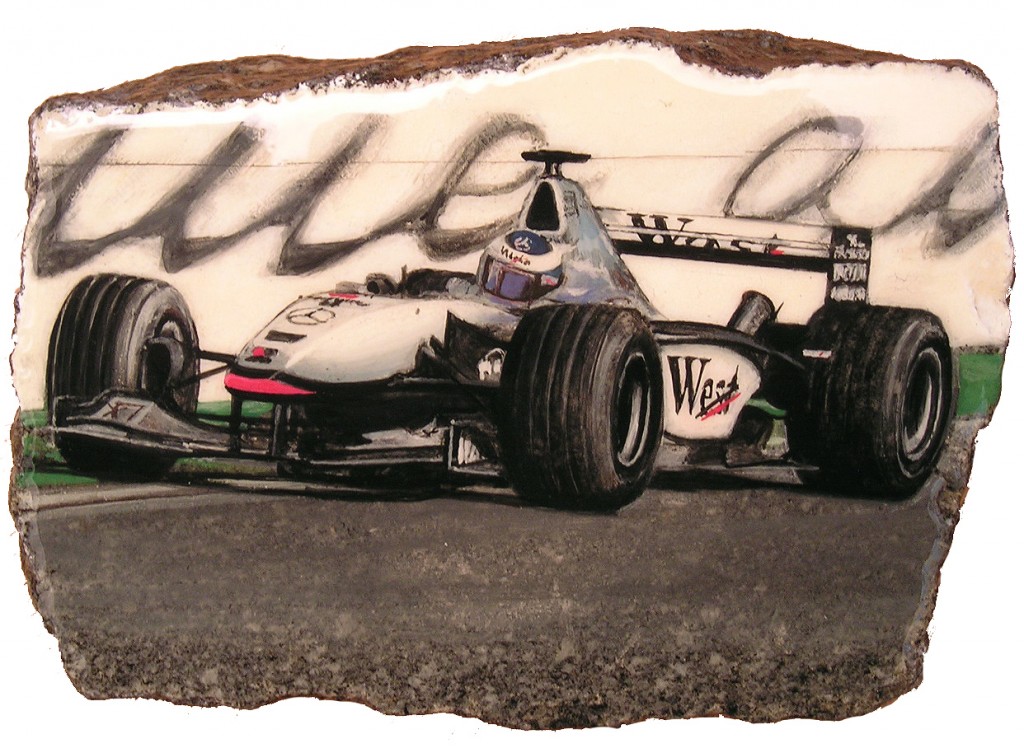
Jaspert removes loose cobblestones from Paris and replaces them with carefully painted rocks from his studio. He adorns these rocks with images and symbols from popular culture, which represents the thousands of visual stimuli that inundate us on a daily basis. He is drawn to cobblestones because they are enduring ancient materials steeped in history. He creates a fascinating tension by highlighting the dichotomy between the strong stone materials and his paintings that will inevitably be removed by the city, or washed off by pounding footsteps and raindrops.

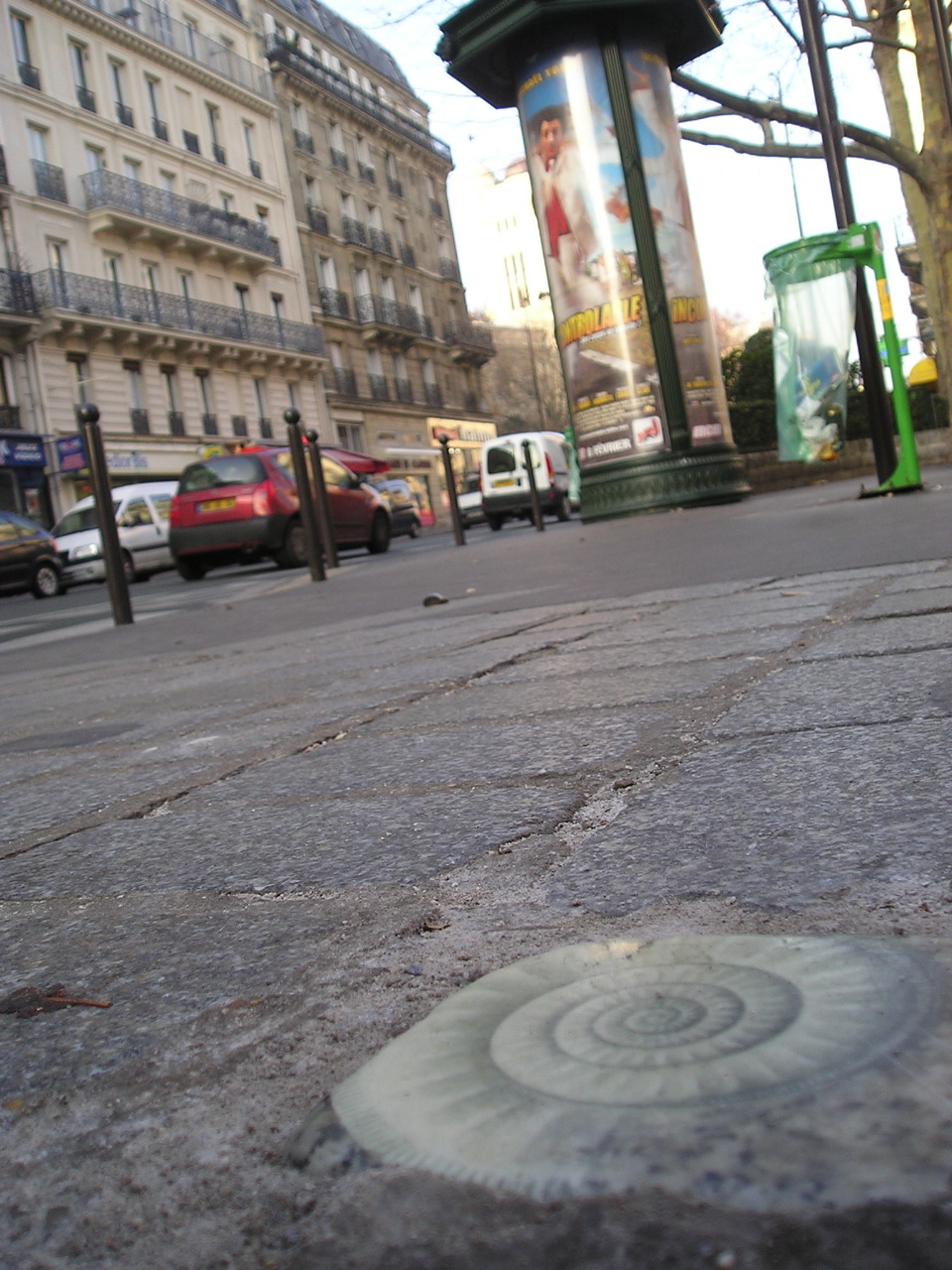
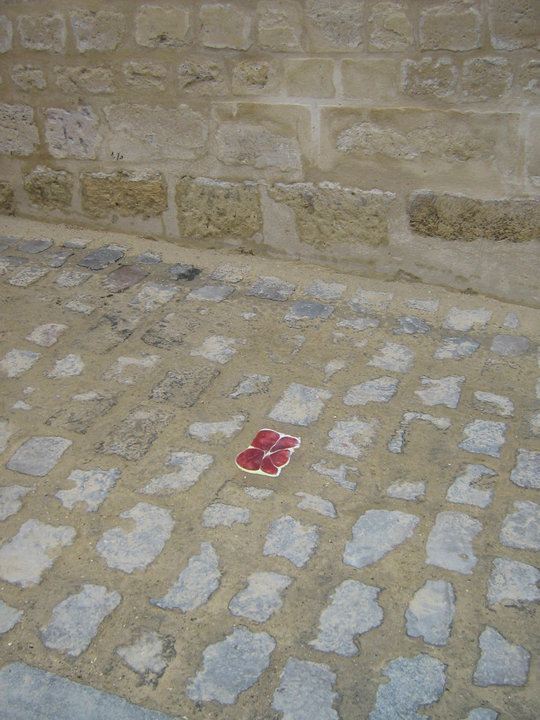
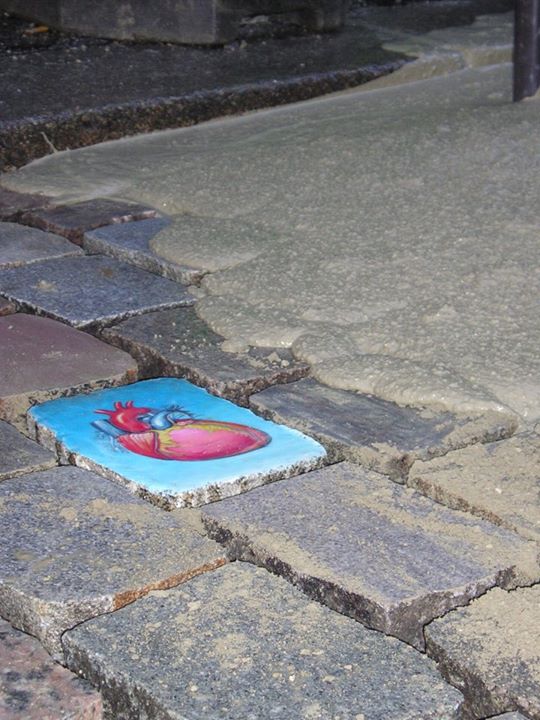
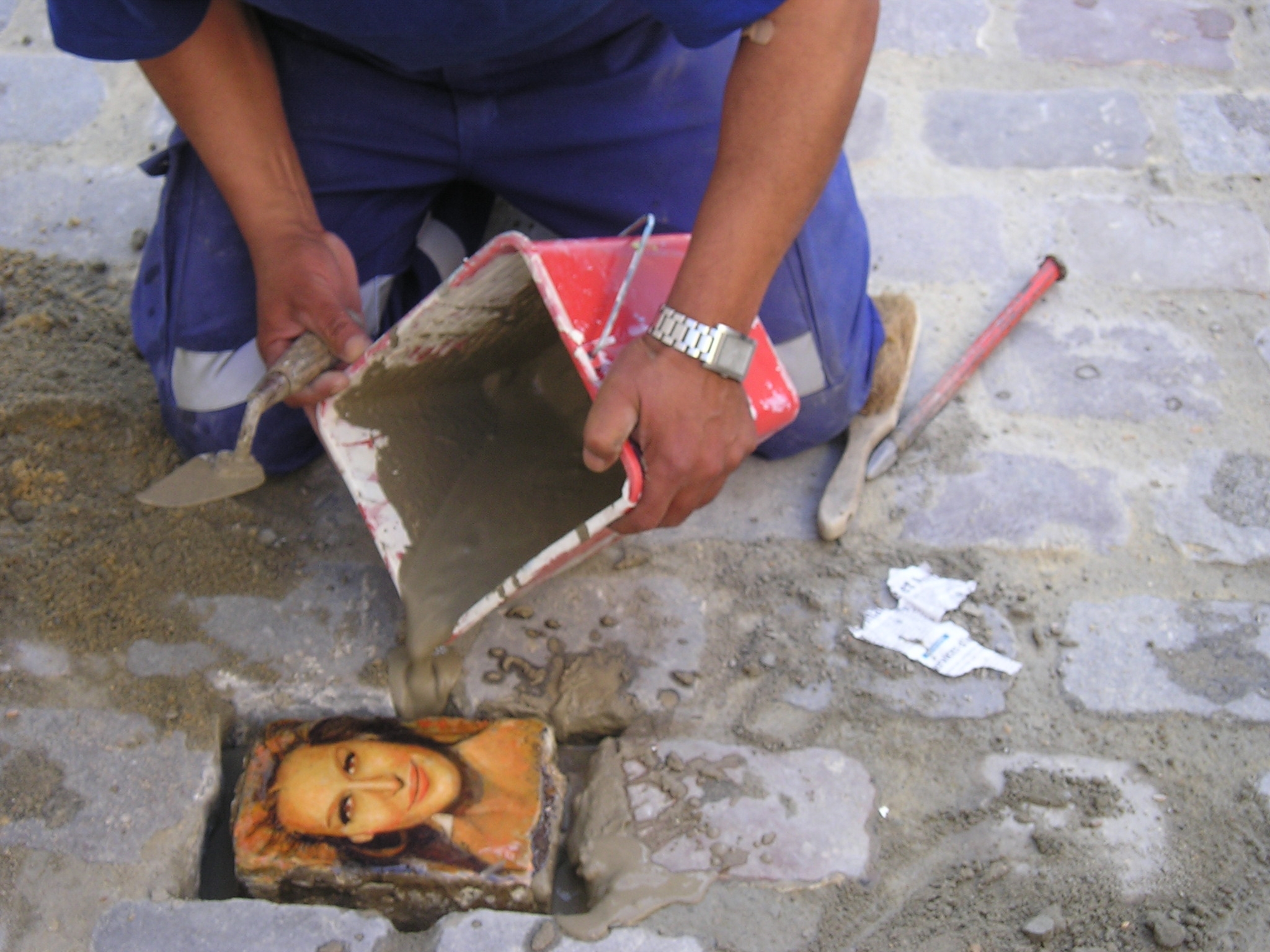
I reached out to Jaspert through Twitter, which led to a great dialogue about his process. He shared an anecdote with me about his experience in 2005 installing one of his pieces, Formula One. This particular cobblestone was adorned with an image of a Formula 1 racecar (pictured below), which had to be installed in front of the city hall of the 4th “arrondissement” (one of Paris’ 20 districts) with a bit of deceit. He related to me how he used his son’s stroller to block the view of a police officer who might have stopped him from removing the loose cobblestone and replacing it with Formula One. He also used the stroller to store the cement and water bottle needed to complete the installation.
I encourage Slow Art Day fans to visit his website, or follow him on Facebook or Twitter to learn more about his work.
Who are some of your favorite street artists? Leave us a response in the comment section!
– Gabrielle Peck
Slow Art Day volunteer
[In this series, we will be posting reports from Slow Art Day hosts around the world who held Slow Art Day events on April 27, 2013. This week, we are featuring the Slow Art Day event run by Margaret McCue, held at the Rietberg Museum in Zürich, Switzerland]
Dear fellow hosts,
I hosted an event at the Rietberg Museum in Zürich, Switzerland. The Rietberg is a “world art” museum, meaning non-European. Many participants said they especially appreciated the cross-cultural aspect.
Nearly everyone said they wished there would be more frequent Slow Art
events.
The most difficult part was the discussion: I chose the museum’s cafe, which has only small tables that can’t be easily rearranged so we were divided into small groups of four. I had hoped we could eat and converse on the museum’s terrace, at tables that we could have moved around to accommodate whatever size turnout. However, this is Zürich, and it poured rain. So, I would do this part differently in the future.
I chose the five pieces for variety: big, small, simple, complex, colorful, monochromatic, painting, sculpture, ceramic, in different locations throughout the museum (which is in several small buildings) and no repeat of a culture. A few asked me whether there was a theme, and most did not realize or understand that I had chosen the art: they thought that (somehow!) the Slow Art Day organization itself chose the art at all locations. Several noted that they especially liked the variety, the moving around, and the freedom to just look at those pieces without feeling compelled to look at anything else.
I totally enjoyed hosting this event, and appreciate the Slow Art Day organization for making it possible for anyone to host. The participants were, for me, a fun combination of people I know personally and complete strangers who discovered it through Eventbrite. Most of all, I appreciate the concept: slow down and absorb what you see.
Thanks again to all who made this a world-wide event,
Margaret