Category Archives: slowartday
Notes From Hosts: Joanna Essen
Compton Verney Art Gallery situated in Warwickshire, England will be hosting slow art day for our second year. We were thrilled to take part in 2013, with an important movement allowing engagement at your own pace.
The Countdown Begins…
It seems like only yesterday we were kicking off Slow Art Day 2013 last April. Now we’ve come full circle yet again for an exciting day of art discovery.
With over 180+ venues already, participants can join the worldwide movement in any number of locations – from Adelaide, Australia to Yountville, California.
We heartily invite you to make 2014 your first slow looking experience. There’s no better time to start than now.
Keep apprised of our preparations by checking our facebook page, tumblr blog, and twitter feed for more updates.
“See” you all soon.
– Karen
Dig into Slow Art Day
A new education-based movement called “Deeper Learning” is proposing an alternative to educational styles featuring a skill us slow looking aficionados already know well: undisturbed, passionate study.

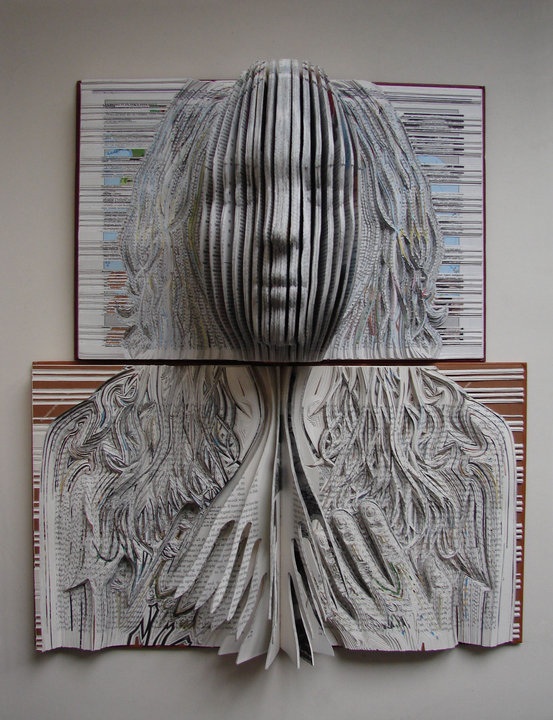
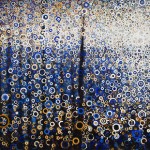
Emma Lloyd – “Emergence”
Find this and other works on our
Pinterest page.
The concept of Deeper Learning is defined as “a rich learning experience for students that allows them to really dig into a subject and understand it in a way that requires more than just memorizing facts” according to Katrina Schwartz, of KQED’s Mind/Shift blog.
This kind of advocation for “digging into” something applies well to the slow looking philosophy. Instead of glossing over a work of art to see every item in a museum’s collection, Slow Art Day invites the viewer to stop and find inspiration within only five pieces for at least ten minutes at a time. The results are spectacularly diverse as seen in our well-documented catalog of slow looking experiences.
Scharwtz proposes that for the Deeper Learning model to catch on, it would help for educators to see it in action first before implementing within their classrooms.
Don’t have a handy Deeper Learning optimized classroom to bring the educator in your life too? Why not bring them along to a Slow Art Day event in your area!
This April, start the discussion around alternative ways of education and art experience.
– Karen
Is it Art? Museum visitors invited to decide for themselves – Dothan Eagle Article featuring Slow Art Day mention
by Peggy Ussery
Published in Dothan Eagle : February 2014
“Beginning Feb. 25, the museum will begin hosting a series called “Is it Art?” and asking visitors to join a conversation about why a piece of art is art.
The series is based on Slow Art Day, an international art appreciation event held in April that the Dothan museum began participating in two years ago. Visitors come into museums, spend an extended period of time just looking at a work of art and then stick around to talk about it…”
Follow Your ‘Nose’…
Our latest Pinterest board is so tantalizing that you’ll want to feast your eyes on these scrumptious combinations of art and food.
Once you get your artsy foodie fix, be sure to follow us on Pinterest to see more delightful finds from the Pinterest Universe!
– Karen
Rippling Recognitions
Slow Art Day has asked its 2013-14 college interns to write short summaries of their own experiences looking slowly at artworks of their choosing. Jennifer Latshaw, Slow Art Day intern from De Paul University, writes here about her experience seeing the unexpected.
Looking at art slowly is not my typical way of visiting a museum. Like many others, I tend to quickly stroll through any special exhibits that are currently on display and then visit some old favorites without spending much time with any single work. As a result, when I visited the Art Institute of Chicago to complete my slow looking assignment, I decided to find a famous work that I had never really focused on before. While the impressionist collection is a highlight of the museum and a section I’ve visited many times before, I guessed that I could find a painting there that had only gotten the quick treatment from me before.
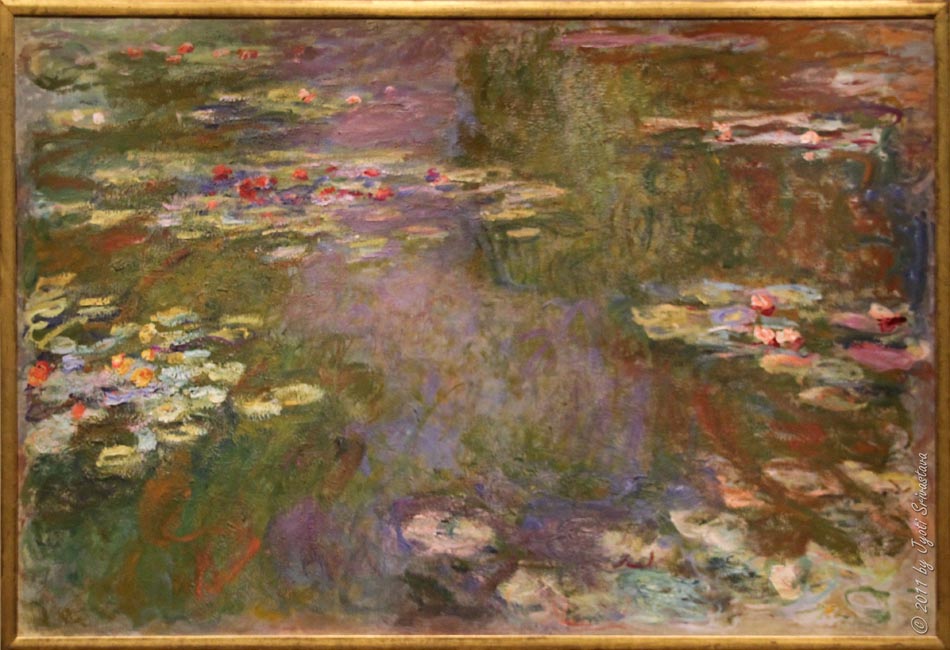
I chose one of the most popular and well-known paintings in the collection – Monet’s Water Lily Pond, 1917-1922. Of course, I’ve seen this painting before – so have many millions of people. It is such a familiar painting that I wondered if slow looking would reveal anything new.
I started the exercise by standing a few feet away from the painting in the gallery. Then after a few minutes I moved farther away. Eventually, I then got closer again. Not surprisingly, I saw different things depending on my distance from the painting. Up close the painting appeared to simply be smudges of color with no rhyme or reason to where they were placed. I noticed how it was thick in some places and sparse in others. I had not really noticed or thought about the thickness of the paint. Moving farther away from the painting, the larger image came into view. At my farthest from the canvas, I sat on a bench across the room and considered the entire painting at once. From this distance, the lilies appeared to be sitting on top of the lake with dramatic brush strokes of contrasting colors to the rest of the painting suggesting movement or reflection to give depth and dimension to the entire image.
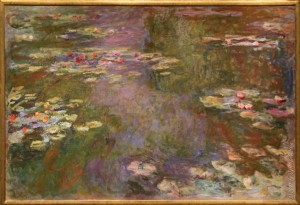
Varying distance also allowed me to really reflect on the way the colors interact in the image. Up close I could see not just the relative thickness of the paints but also the individual pinks, reds, yellows, and purples. When viewed from farther away they came together to make greens and browns. I had never really taken the time before to see how colors change depending on perspective. It’s one thing to learn that in color theory class. It’s another thing to really experience it from a session of slow looking.
My original goal was to look for five minutes and then jot down some notes about the experience. Once I really started to look, however, I could not get enough of the painting. During the first minute or two, I glanced at my watch every 10 or seconds to see how long I had been looking. But after that, I found myself caring less about the time and caring more about seeing new things in the painting. And before I knew it, I had been absorbed in looking at Monet’s Water Lily Pond for 30 minutes.
One unexpected and surprising benefit was that slow looking is relaxing. By focusing on one painting I was able to stop multi-tasking and really pay attention. Everything else that would regularly consume my thoughts was gone and I was left only with Monet, his beautiful water lilies, and the ability to see so much more than I ever realized was there.
– Jennifer Latshaw, De Paul University
Claude Monet’s Water Lily Pond among other great works are available to view at the Art Institute of Chicago. The Art Institute of Chicago is not currently a 2014 Slow Art Day venue. Sign up to host here!

You Can’t Pin Us Down…
…Except on Pinterest!
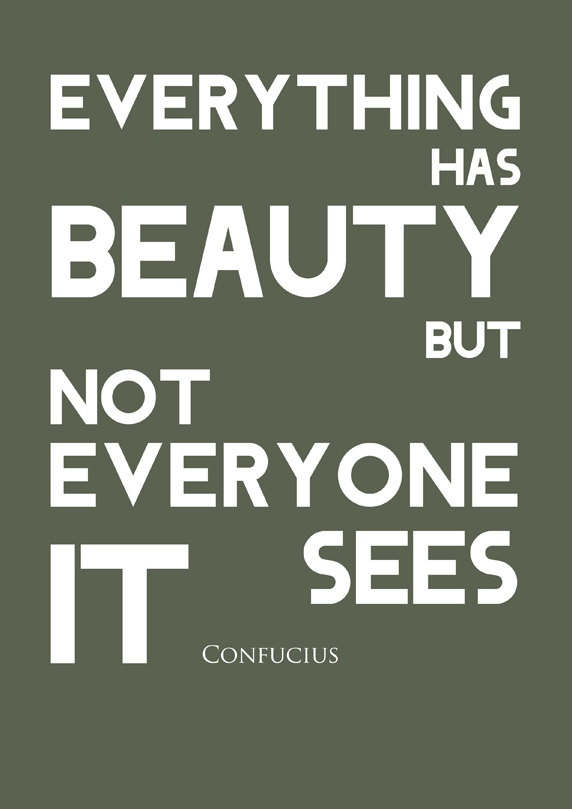
Get ready for Slow Art Day 2014 by browsing our Pinterest boards, featuring some of the most thought-worthy slow looking quotes and eye-catching works to view slowly.
And while you’re there – don’t forget to relive the Slow Art Day 2013 memories in our special Board of our venues’ highlights!
We’re still dipping our toes into the Pinterest pool, so why don’t you stop by our latest nook of the internet and follow us while we’re ‘under construction’ ? No hard hats required.
– Karen
Sunday Submissions
Kofe Nata’s A Postcard is one of many visual treats available for view on our smorgasbord of delectable art from our Sunday Submissions series across our social media domain.
Why don’t you try out the tasting menu here…?
– Karen
Sunday Artist Submissions
- EMCN
- Kendyll Hillegas
- Daesup Song
- Nisha Chavda
- Ai Natori
- André Ofner
- Jessie Bayliss
- Slow Eye
- Tinca Veerman
- Kako Ueda
Like what you see? Join in on the artistic action by submitting your own work for consideration.
– Karen