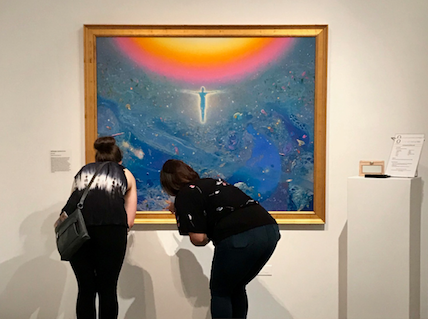
For their first Slow Art Day, the Museo Edward James, also known as Las Pozas, in Xilitla, Mexico hosted a contemplative experience titled “Finding Seclusia,” led by Beatriz Acosta.
The museum, which is dedicated to the legacy of Edward Frank Willis James, is set in a rainforest, and features towering surrealist sculptures amid pools and waterfalls.
That’s all we at Slow Art Day HQ need to know to jump on the plane to Xilitla (pronounced: hee-LEET-lah).
James, an eccentric British poet, artist, and patron of the Surrealist movement created the Edward James Sculpture Garden, Las Pozas, as a fusion of the organic and the artificial, merging jungle and concrete into a single, dreamlike environment where imagination and inner worlds could take physical form.
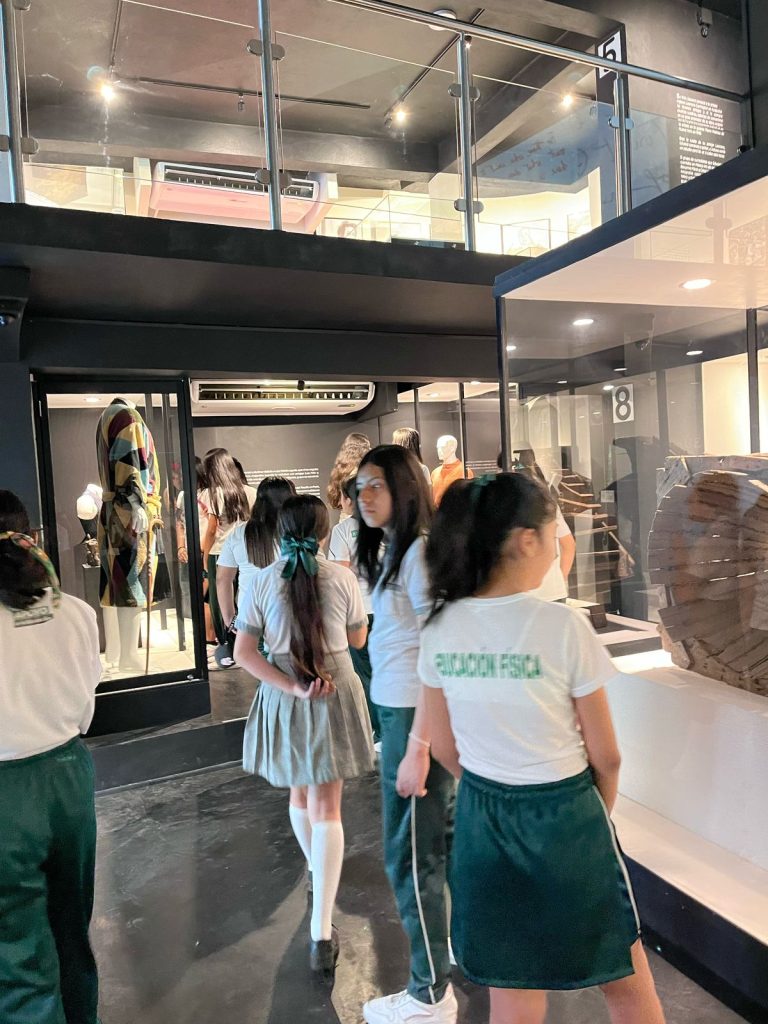
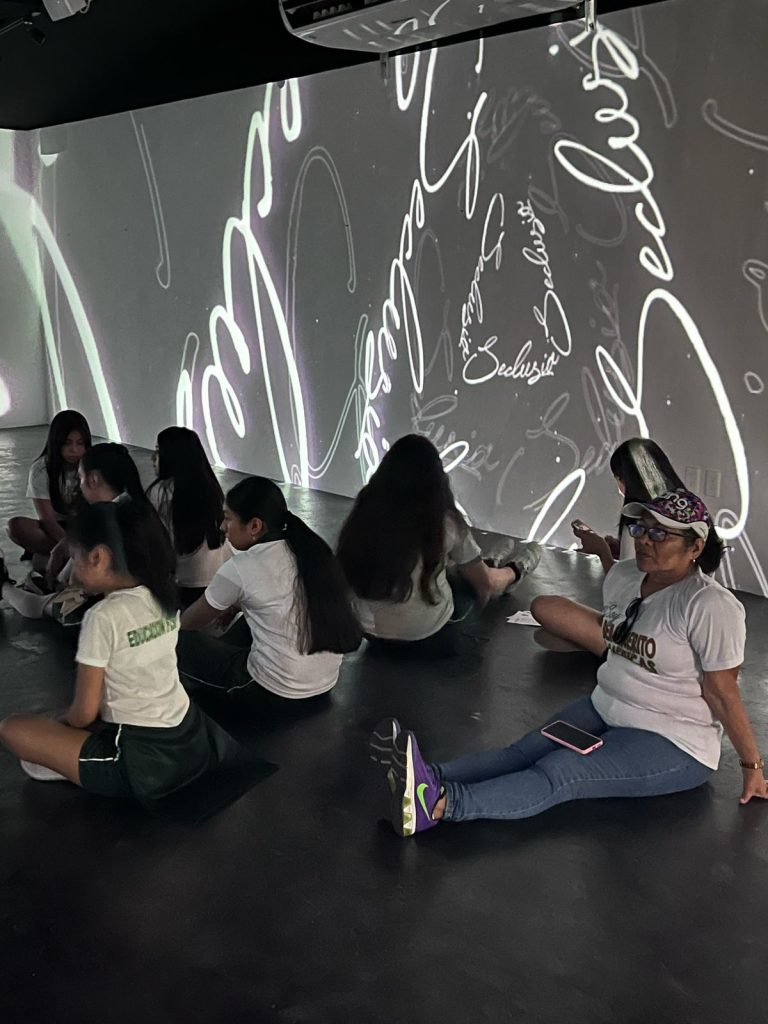
For their Slow Art Day, the museo welcomed a group of high school students through five carefully designed stations with unique slow-looking experiences. The session began in the Seclusia room with an introduction to the Slow Art Day movement and the power and purpose of slow looking. Participants also received a handout with prompts and spaces to write their notes throughout the experience.
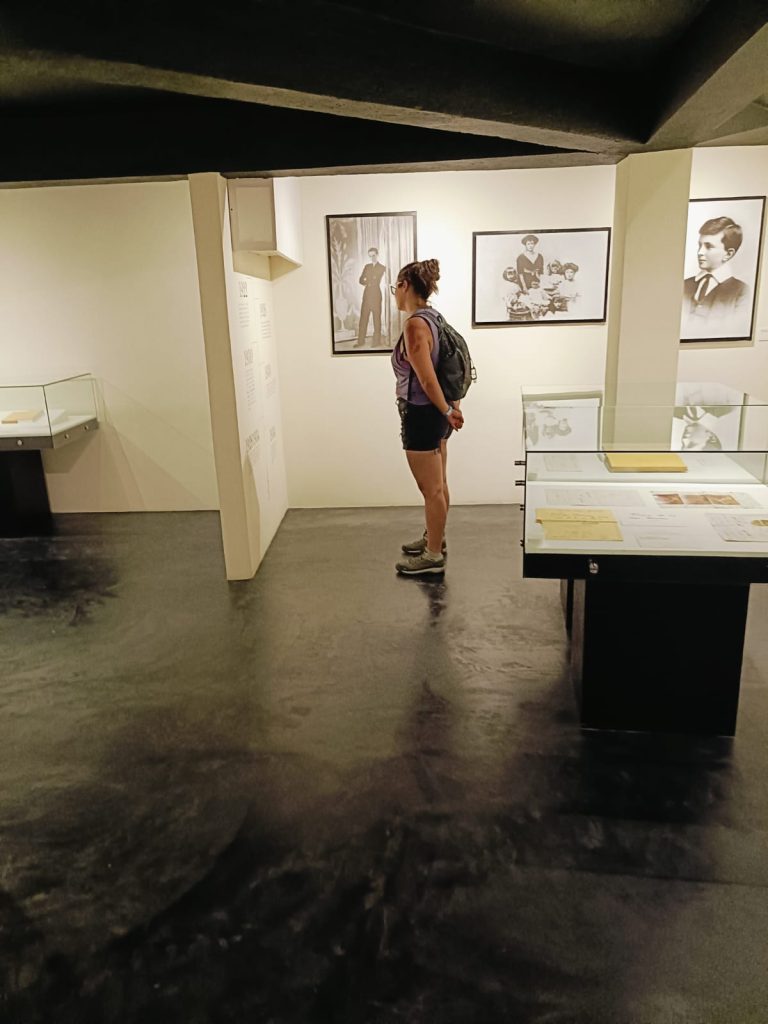
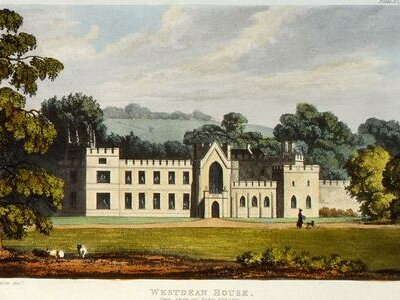
The first of the five stations focused on photographs of West Dean, Edward James’s childhood home. Participants explored James’s early life and family context, reflecting on how expansive spaces and environments can shape imagination and inner worlds.
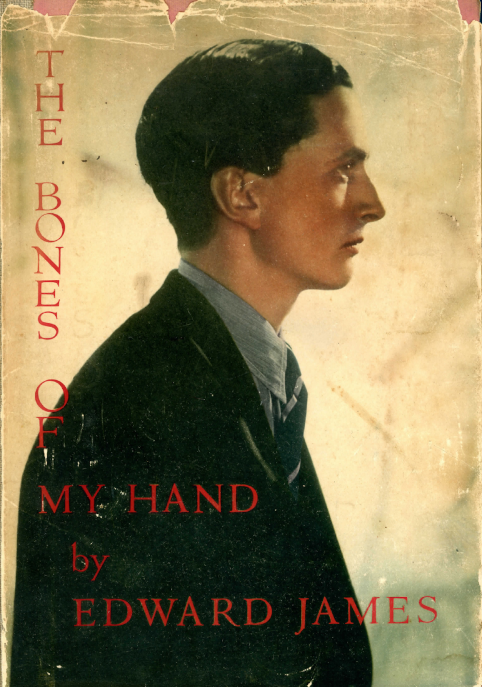
At the second station, participants spent quiet, individual time reading selections from the digital archive of James’s poetry book, The Bones of My Hands. This station emphasized attentive reading and personal interpretation, allowing each participant to engage with James’s words at their own pace.
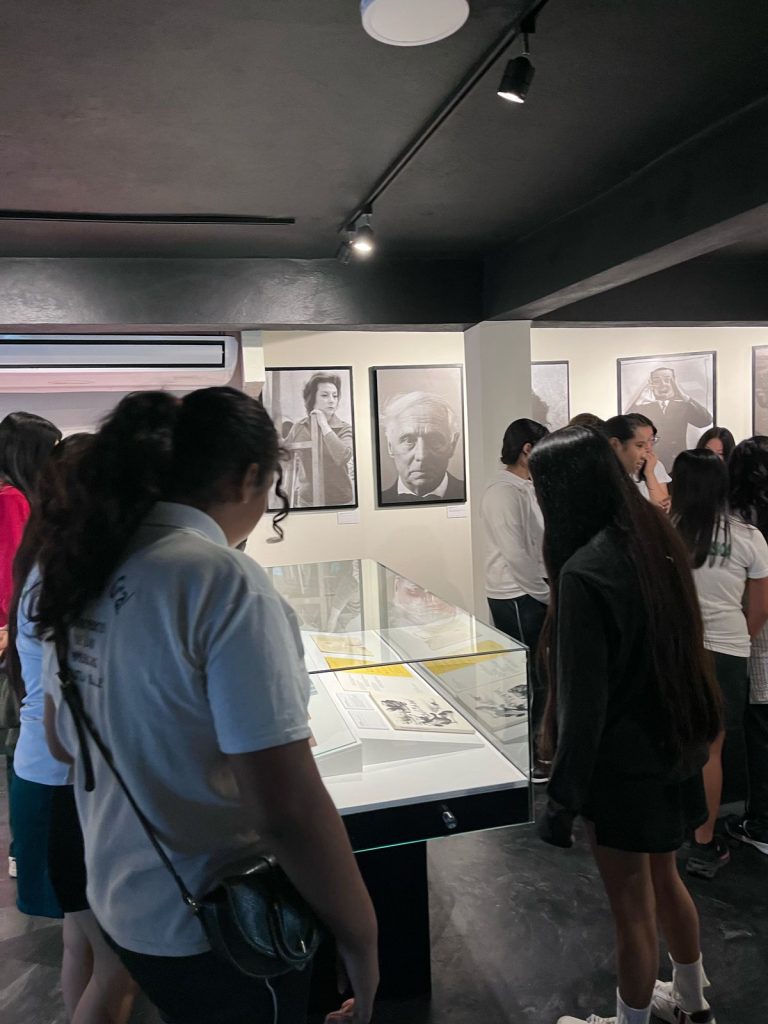
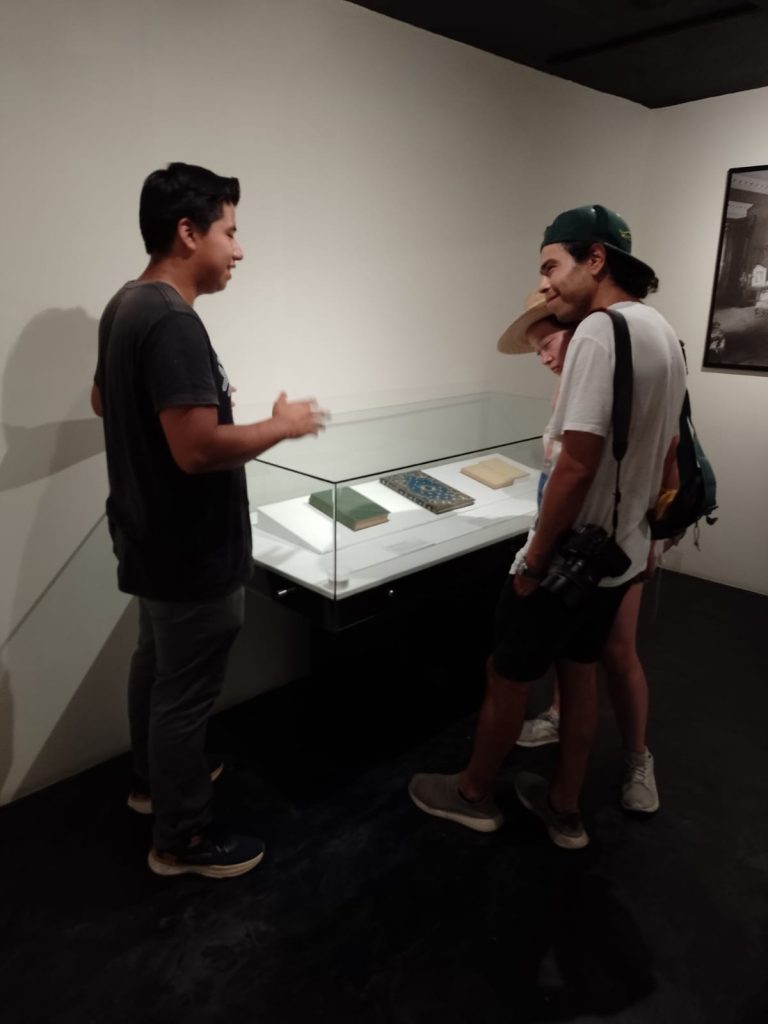
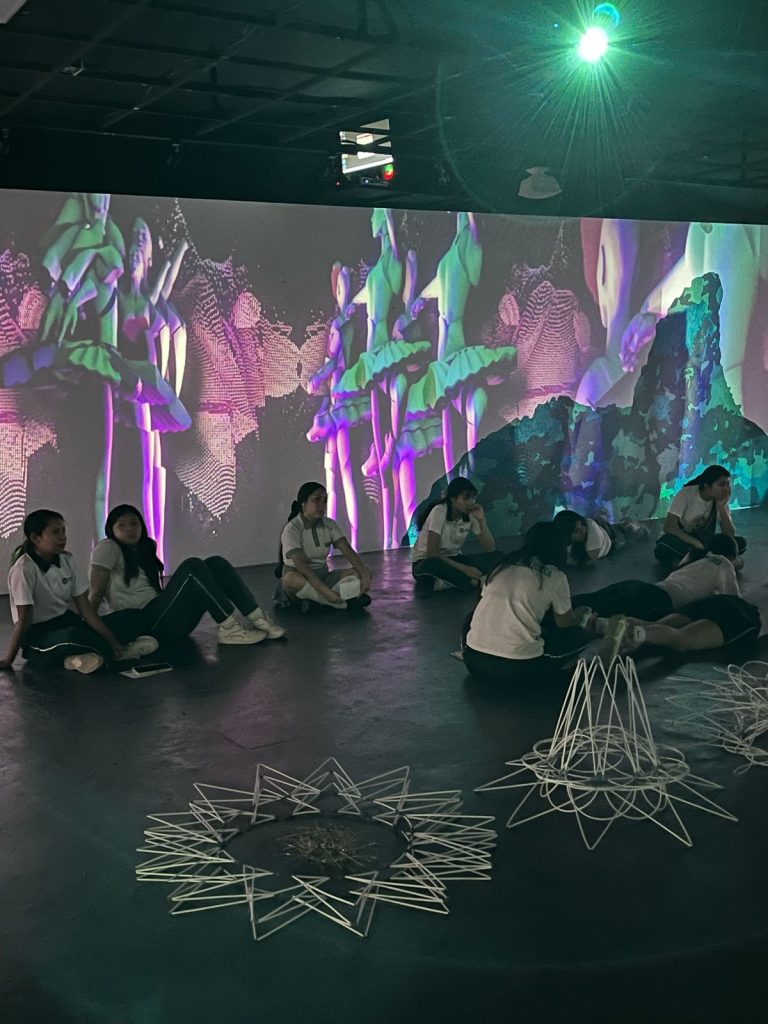
The third station centered on 14 original molds used in the creation of the sculpture garden. Participants closely observed the forms, textures, and details of the molds, considering how abstract ideas are translated into physical structures.
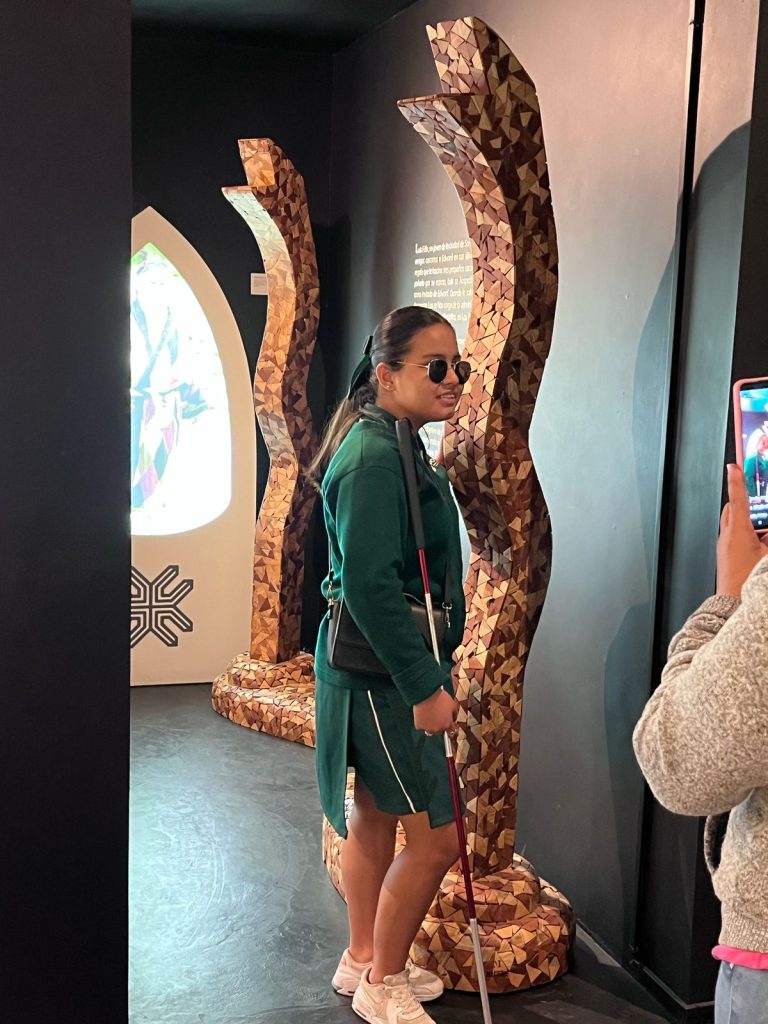
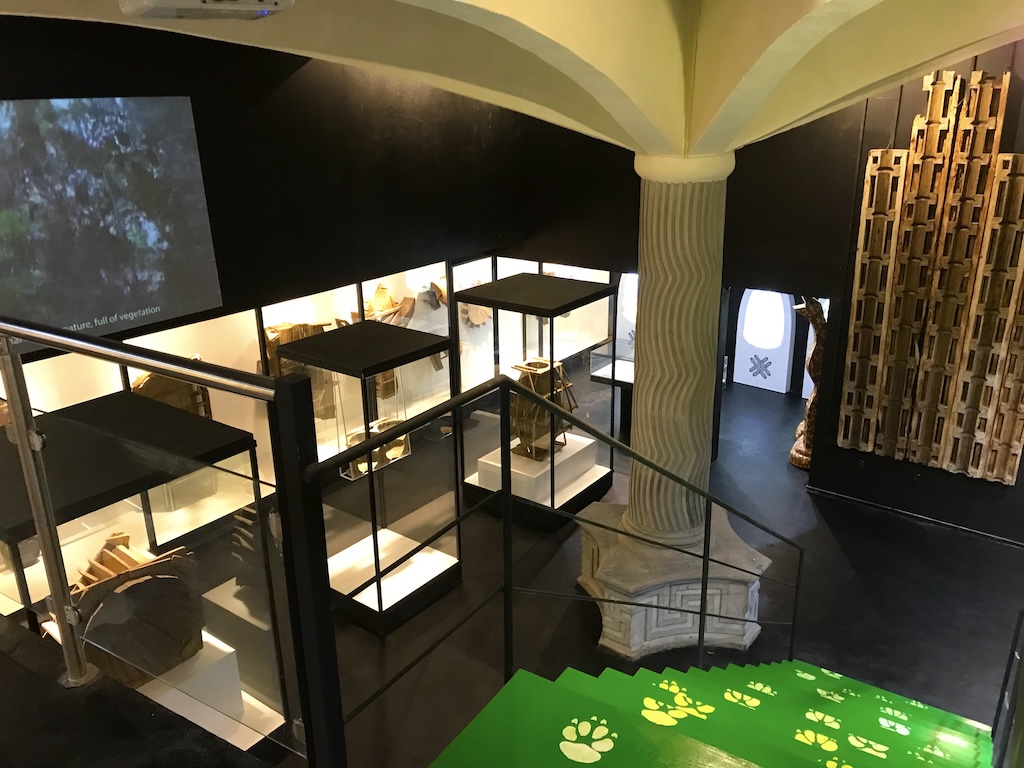
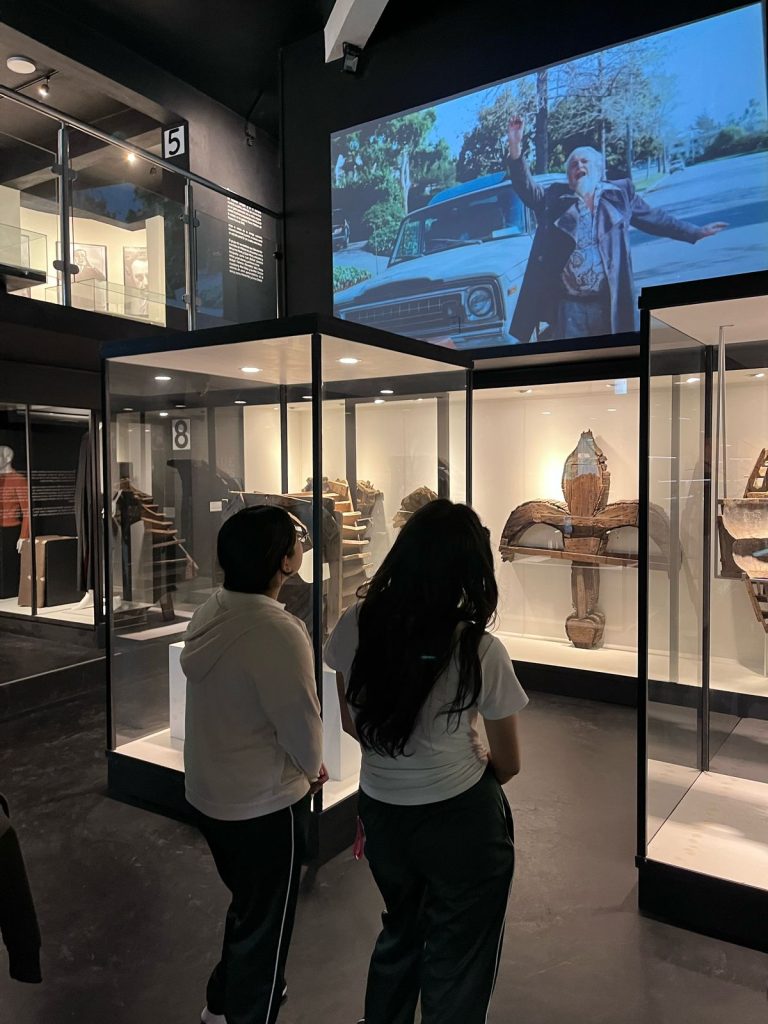
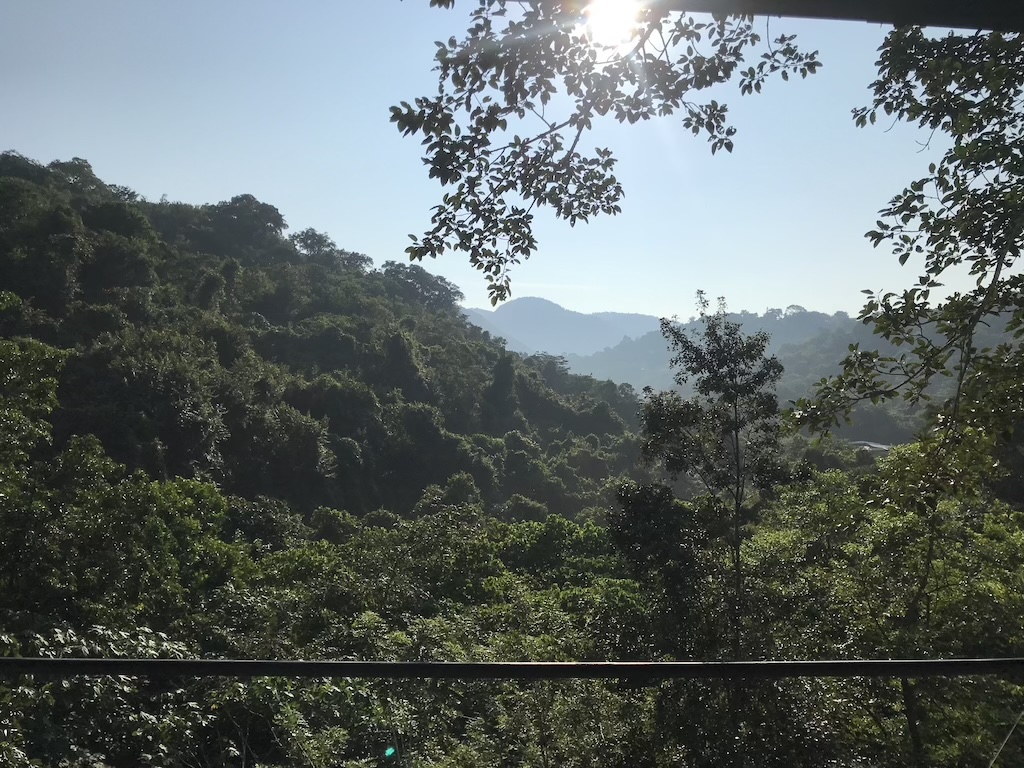
The fourth station took place on the museum balcony, where participants engaged in silent observation of the surrounding landscape. They were invited to notice sounds, colors, movement, and physical sensations, recognizing nature as an essential component of James’s creative universe.
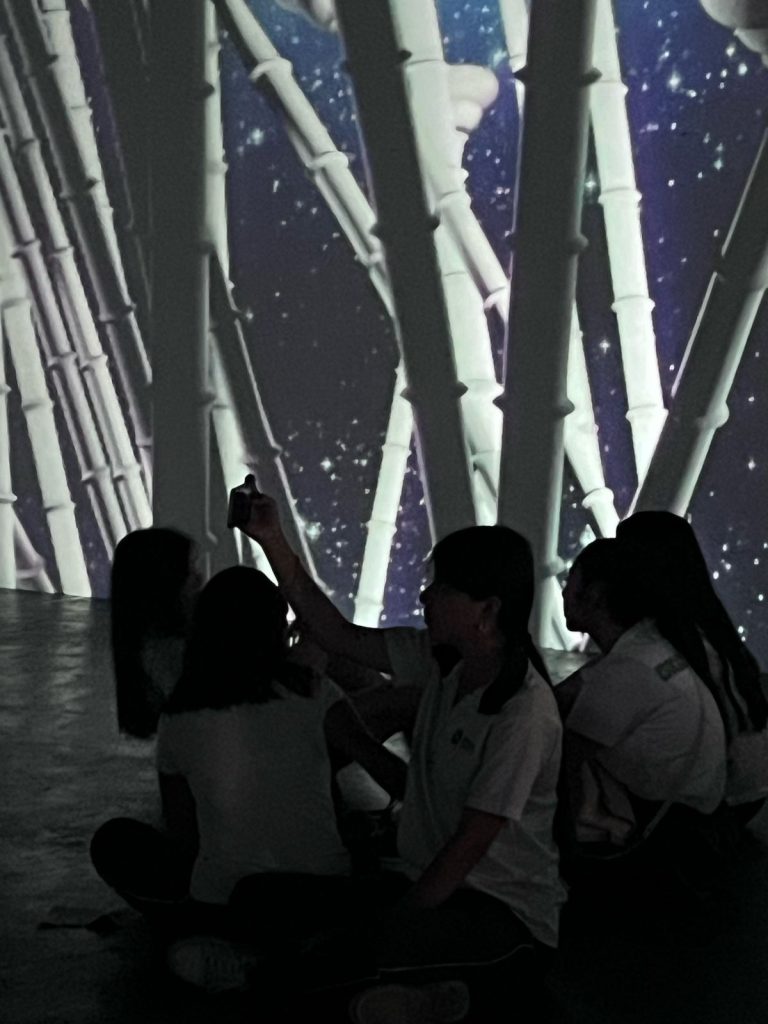
The final station consisted of a 15-minute immersive video, Seclusia, which explored themes of imagination, interior worlds, and the human desire to create a personal refuge. This concluding experience allowed participants to synthesize what they had encountered throughout the session.
We at Slow Art Day HQ love everything about this and look forward to seeing what creative design the Museo Edward James comes up with for Slow Art Day 2026.
– Ashley, Phyl, Jessica Jane, and Johanna
P.S. Follow them on their Instagram.