Cameron Art Museum Hosts Second Slow Art Day

For Slow Art Day 2025, Cameron Art Museum in Wilmington, North Carolina invited visitors to participate in a self-guided slow-looking experience designed to encourage careful observation and personal meaning-making. The museum emphasized that slow looking is not driven by curators or historians, but by individuals forming their own connections with artworks.

Visitors were encouraged to intentionally select three to four artworks and spend extended time with each, using a printed Guide to Slow Art that offered practical suggestions such as finding a comfortable place to sit, bringing a notebook and pencil, and building meaning through sustained observation and conversation with companions

Th guide suggested visitors spend time with artworks from the exhibition The Game Changers, which highlighted the Abstract Expressionist artists Helen Frankenthaler, Richard Diebenkorn, and Robert Rauschenberg. Suggested works included:

  • Girl Squatting (1960) by Richard Diebenkorn
  • Tiger’s Eye (1987) by Helen Frankenthaler
  • Autobiography (1968) by Robert Rauschenberg
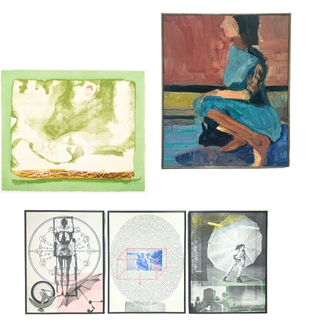

From left to right: Helen Frankenthaler, Tiger’s Eye, 1987. Color etching, aquatint, lithograph, and
silkscreen. Collection of Cameron Art Museum, Belden Collection. Richard Diebenkorn, Girl Squatting, 1960. Oil on canvas. On loan from the Akron Art Museum, purchased with funds from the Phyllis Albrecht Memorial Fund
. Bottom: Robert Rauschenberg, Autobiography 1968. Offset lithography on paper. On loan from Nasher Museum of Art at Duke University, Gift of Blake Byre, A.B. ‘57.
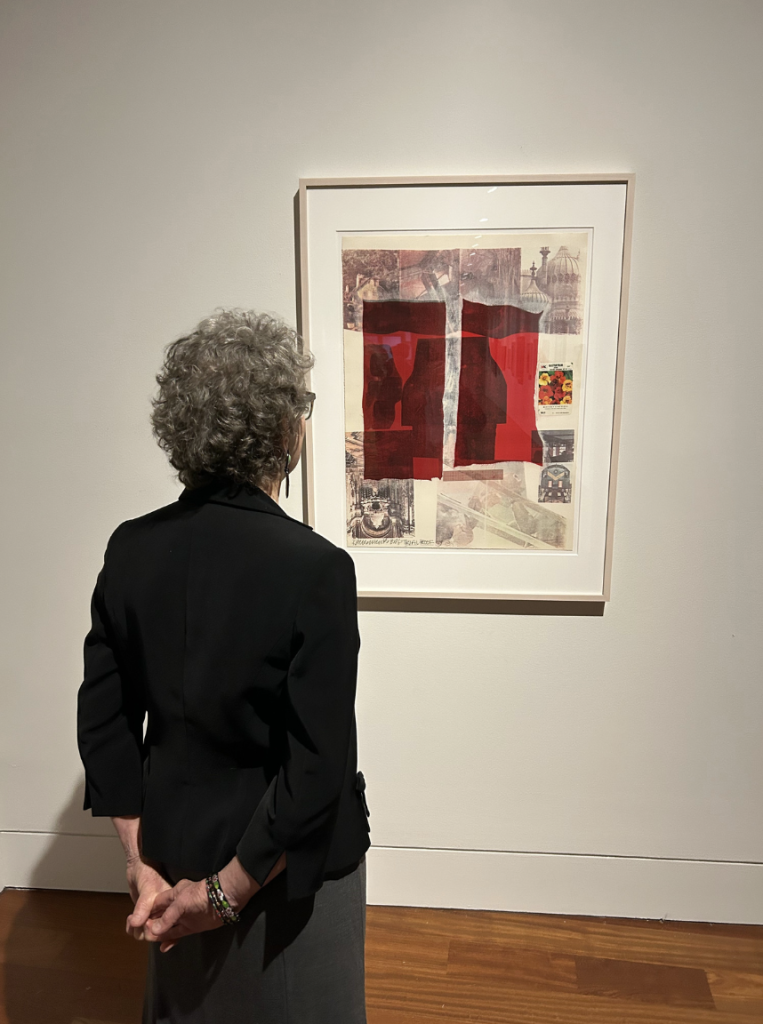

Slow Art Day participant viewing Robert Rauschenberg, Why You Can’t Tell #2, 1979. Lithograph and collage on paper. On loan from the Weatherspoon Art Museum, University of North Carolina,
Greensboro, NC, Gift of Mr. and Mrs. Samuel Dorsky.
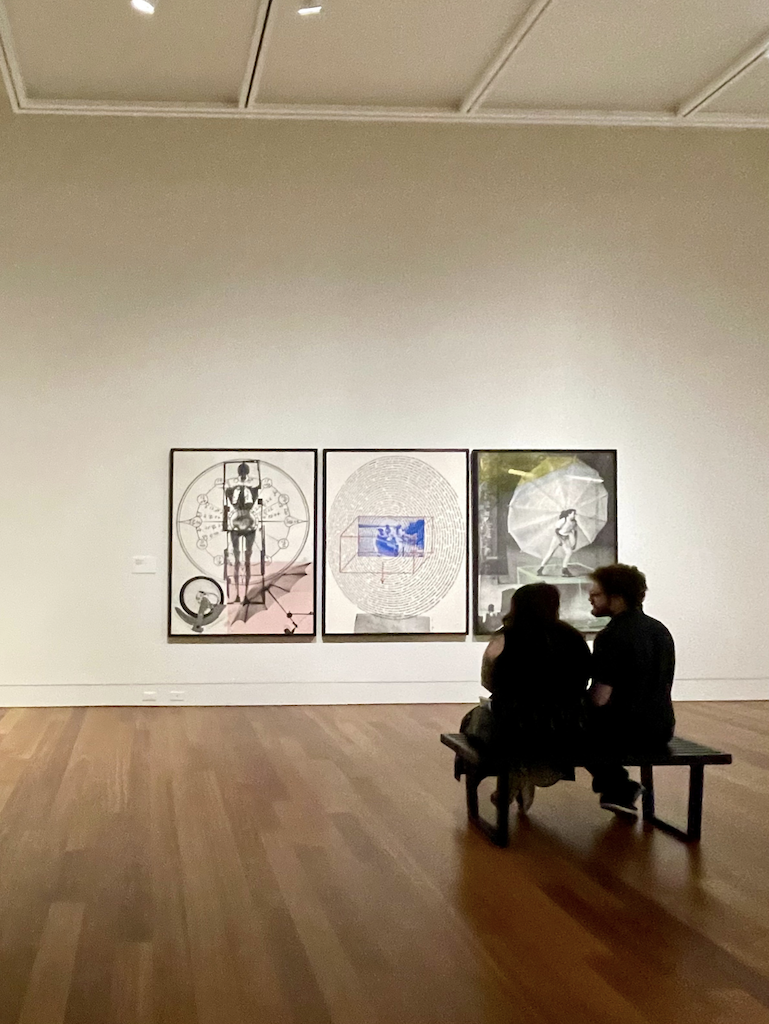
Slow Art Day participants viewing Robert Rauschenberg, Autobiography 1968. Offset lithography on paper. On loan from Nasher Museum of Art at Duke University, Gift of Blake Byre, A.B. ‘57.

By offering a clear framework while leaving interpretation open, Cameron Art Museum created a Slow Art Day experience that supported independent exploration and reflection throughout the day.

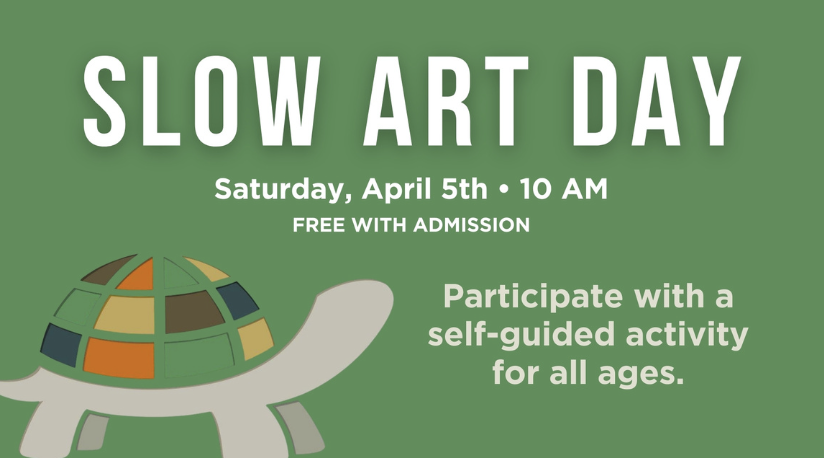
Below is their front desk signage for the day, and you may download their Slow Art Day Flyer to see how they framed their instructions for the day. (PDF, 7.5 MB).
We thank Ashley Rowland, Education Assistant, and the Cameron Art Museum team for hosting Slow Art Day 2025 and look forward to seeing what they come up with for Slow Art Day 2026.

– Ashley, Johanna, Jessica Jane, and Phyl
P.S. – Follow them on Facebook and Instagram.

Self-Guided Slow Art at the Cameron Art Museum

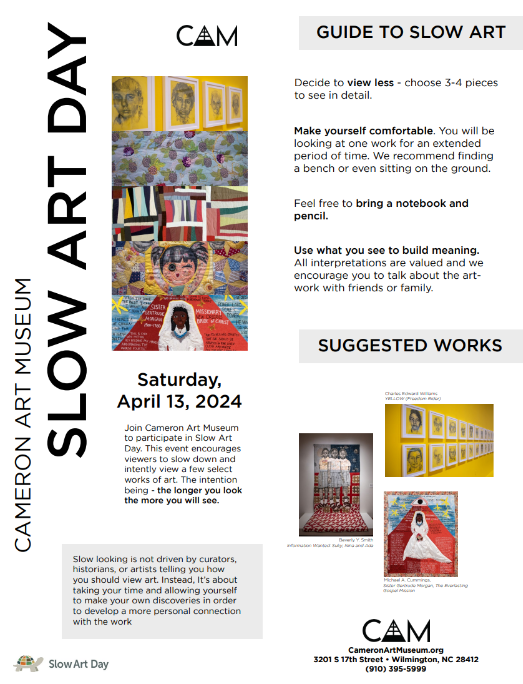
For their first Slow Art Day, the Cameron Art Museum in Wilmington, North Carolina, organized a self-guided viewing activity. They provided visitors with a flyer (shown below) which had a framework for participating and suggested artworks ranging from paintings to quilted art.

Flyer of the event

This is a great flyer/set of instructions. Other museums should feel free to copy anything they’ve done here.

We are glad to welcome the Cameron Art Museum to the Slow Art Day movement and look forward to what they come up with for 2025.

– JJ, Johanna, Ashley, and Phyl

Look, Listen, and Relax at Drinking Gourd Gallery

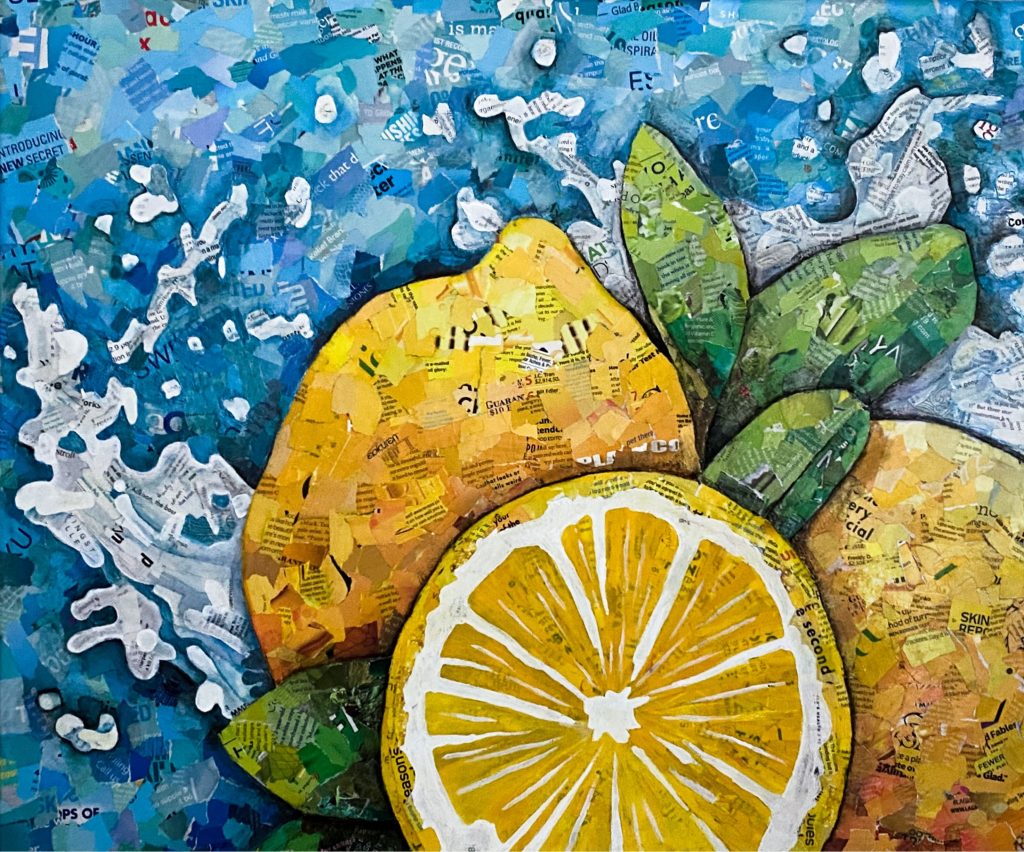
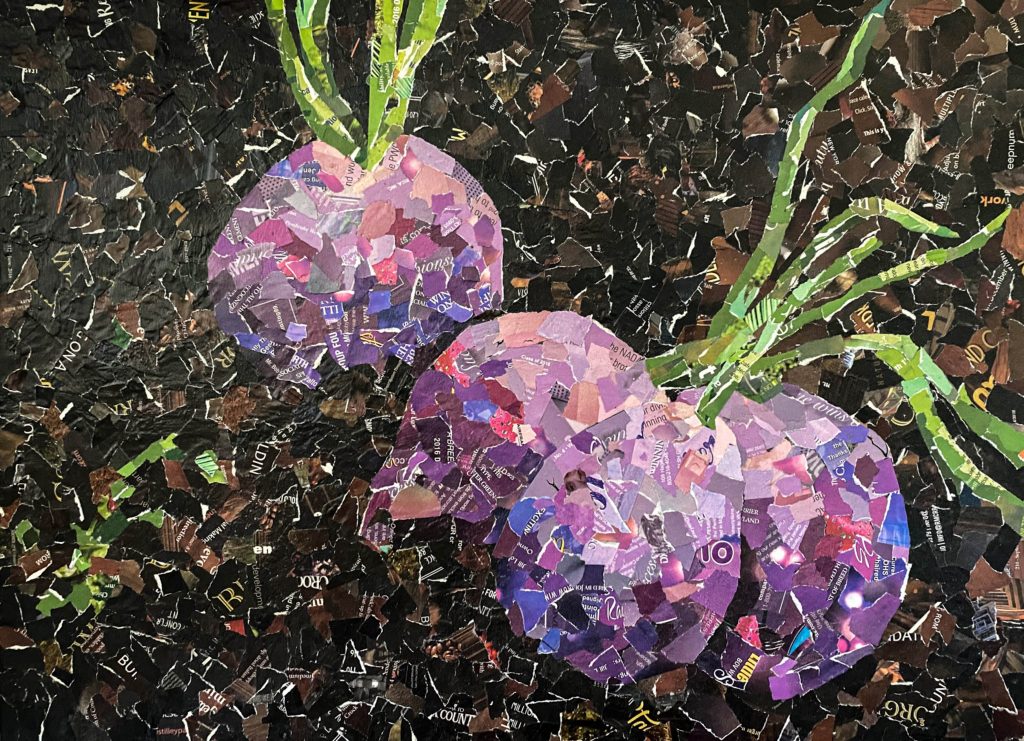
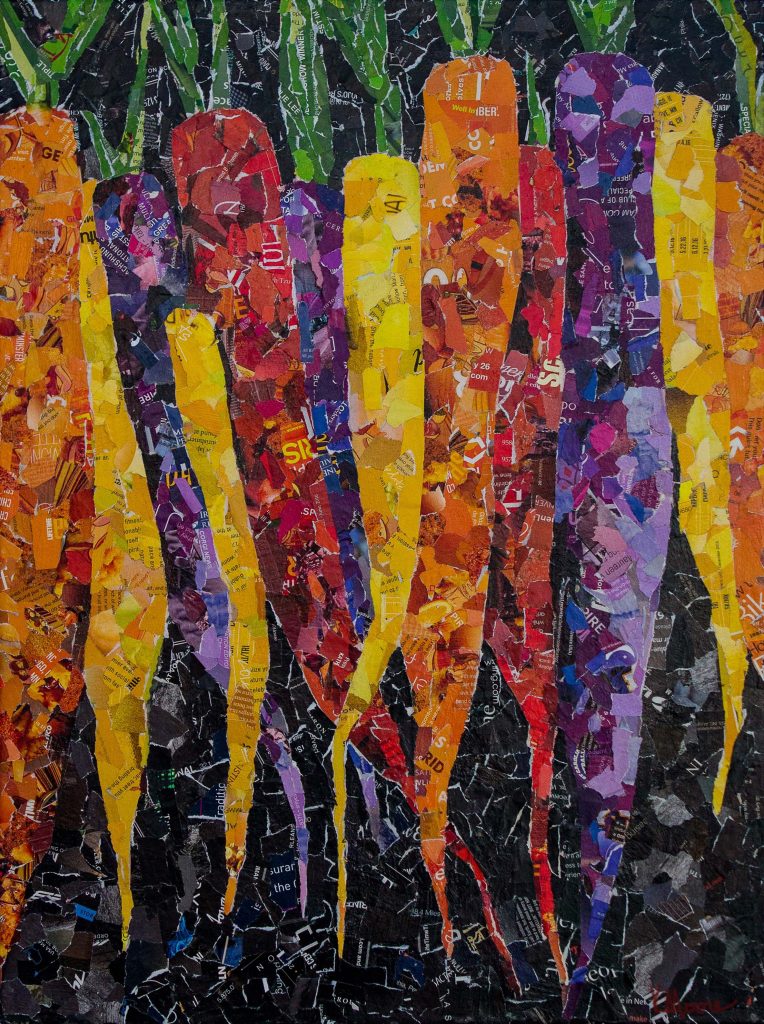
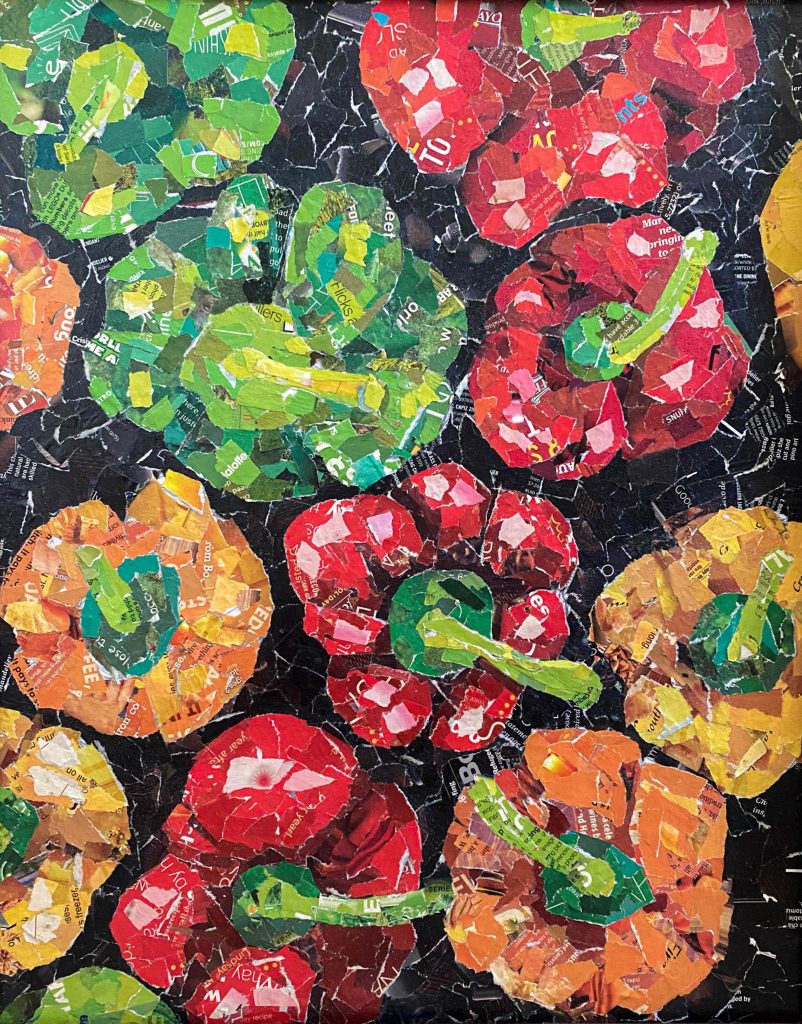
For Drinking Gourd Gallery‘s first Slow Art Day, founder Carol Torian hosted artist Kirsten Moore and led a 75-minute guided slow looking experience. Based in Raleigh, NC and conducted via Zoom, the event focused on Kirsten Moore’s food art paintings: “Easy Peasy Lemon Squeezy,” “Spring Onions,” “Taste the Rainbow,” and “Traditions.” Following a meditative centering exercise, visitors observed each piece, then engaged in a group discussion to share their impressions of the artwork. Kirsten also shared aspects of her artistic process and what inspires her to create.

Easy Peasy Lemon Squeezy, Kirsten Moore, 2022, Mixed Media, 20″x24″
photo credit: Carol Torian
Spring Onions, Kirsten Moore, Mixed Media, 2017, 24″x18″
photo credit: Carol Torian

Kirsten Moore’s works are mosaics of recycled materials, such as magazines, and build on the history of food as art. Moore has a passion for planet sustainability and uses repurposed materials and discarded items instead of traditional mediums to create her mixed media artwork. Her process of deconstructing the material and giving it new life can be seen in her paintings, sculptures, and even digital artwork.

Taste the Rainbow, Kirsten Moore, Mixed Media, 2018, 18″x24″
photo credit: Carol Torian
Traditions, Kirsten Moore, Mixed Media, 2016, 16″x20″

Drinking Gourd Gallery promoted their event on Facebook and Instagram using the following image:

The attendees were engaged and excited about the process.

We encourage Slow Art Day educators and curators to spend some time with Moore’s terrific food art.

We also note that the gallery, which gets its name from the folk song “Follow the Drinking Gourd” honoring those who were once enslaved, plans on holding virtual slow art events on a quarterly basis.

We can’t wait to see what Drinking Gourd Gallery comes up with for Slow Art Day 2023!

– Robin, Ashley, Phyl, Johanna, and Jessica Jane

Slow Looking and the 19th Amendment in Asheville

The Asheville Art Museum hosted its third Slow Art Day with a virtual slow looking webinar focused on three works by women artists in honor of the 19th Amendment’s 100th anniversary:

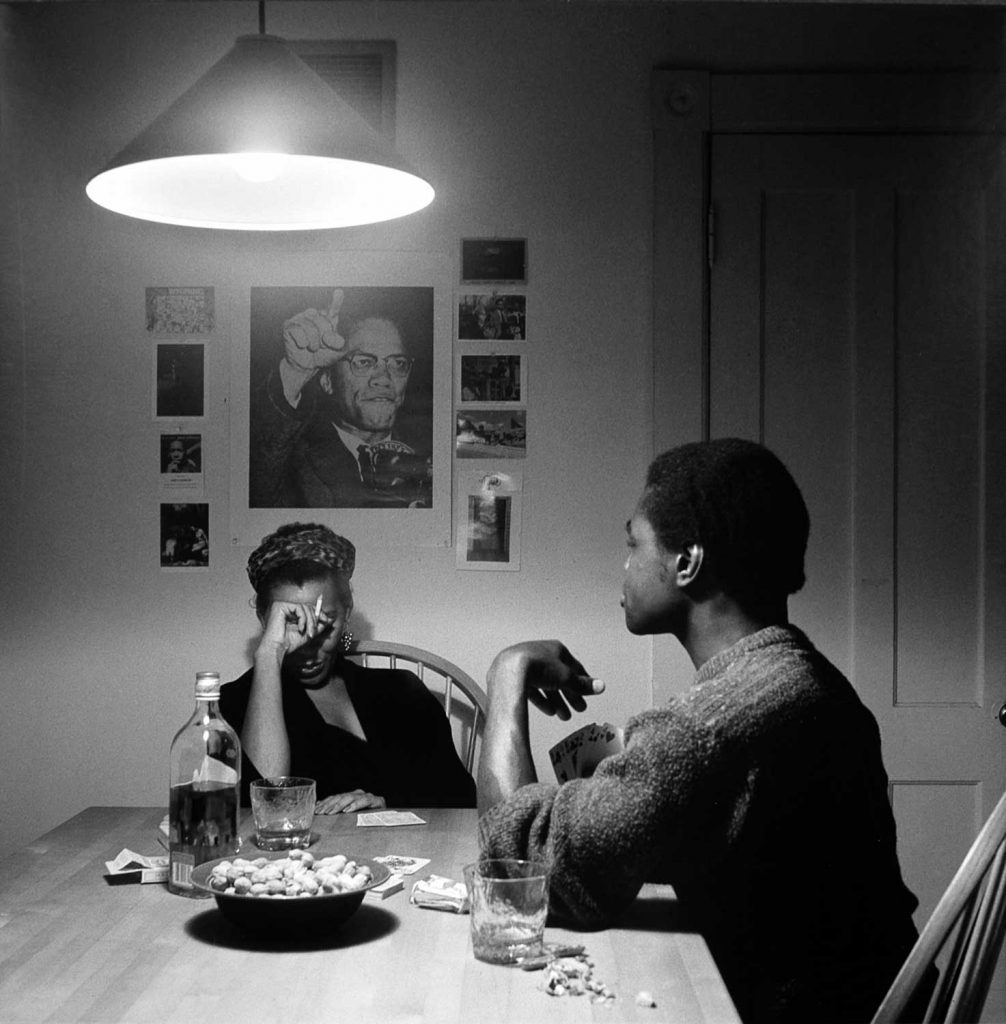
  • Carrie Mae Weems, Untitled (Playing Cards/Malcolm X) from the Kitchen Table II series, 1990.
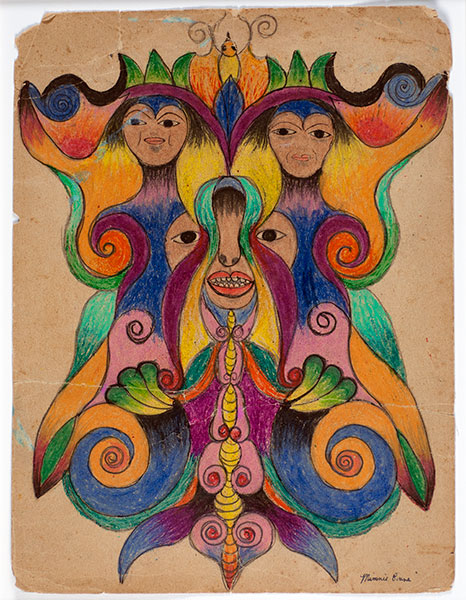
  • Minnie Evans, Untitled, 2012.
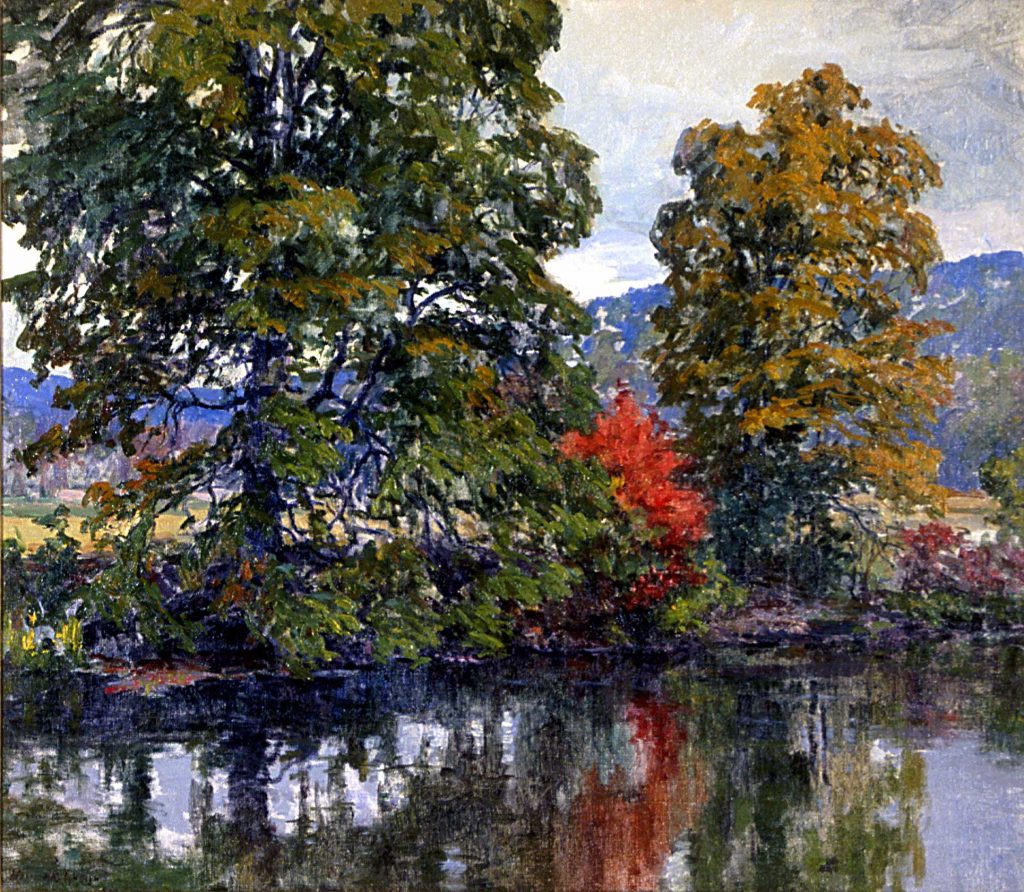
  • Harriet Randall Lumis, The Little Red Bush, circa 1915.
Carrie Mae Weems, Untitled (Playing Cards/Malcolm X) from the Kitchen Table II series, 1990, printed 1999, gelatin silver print, edition 2/5, 26 ¾ × 26 ⅞ inches. Museum purchase with funds provided by 2004 Collectors’ Circle, 2004.24.04.91. © Carrie Mae Weems, courtesy Jack Shainman Gallery.
Minnie Evans, Untitled, not dated, colored pencil on brown paper, 11 ¾ × 9 inches. Gift of Randy Siegel, 2012.08.42.
Harriet Randall Lumis, The Little Red Bush, circa 1915, oil on canvas, 24 × 28 inches. Given in honor of Dorothy Hamill on her birthday, October 12, 2000, 2000.14.21.

Master docent Doris Potash instructed participants to do three things before the webinar: 1) find a quiet, still space; 2) look at each of the three images for 15 minutes; 3) while looking, ask yourself the following questions:

  • What’s going on in each artwork? What details do you notice?
  • If you were in those places, what sounds would you hear? What textures and temperatures would you feel?
  • What memories and emotions do these artworks evoke?
  • Each of these artworks was created by a woman. Is there anything about the works that you would associate with a uniquely female perspective?

Doris then moderated a live discussion about the experience.

The two-part session was attended by 23 participants, who gave very positive feedback about the event:

“A lovely way to spend an hour of my social distancing!”

“…a much needed break during these trying times.”

“I was very moved by the art selections and benefitted from this experience greatly.”

Participant Quotes

The Slow Art Day event was well-received on social media, with over 100 likes on Facebook and Instagram. It sparked so much interest overall that the Museum has since added weekly Slow Art Friday sessions to its regular calendar of events! A recording of the original Slow Art Day session can be found here, and the weekly program description and upcoming fall programs can be found here.

Our mission at Slow Art Day is to inspire museums and participants to embrace slow looking every day. Thus, we are excited that this North Carolina-based museum not only produced a great Slow Art Day but now has made slow looking a weekly activity.

-Johanna and Ashley