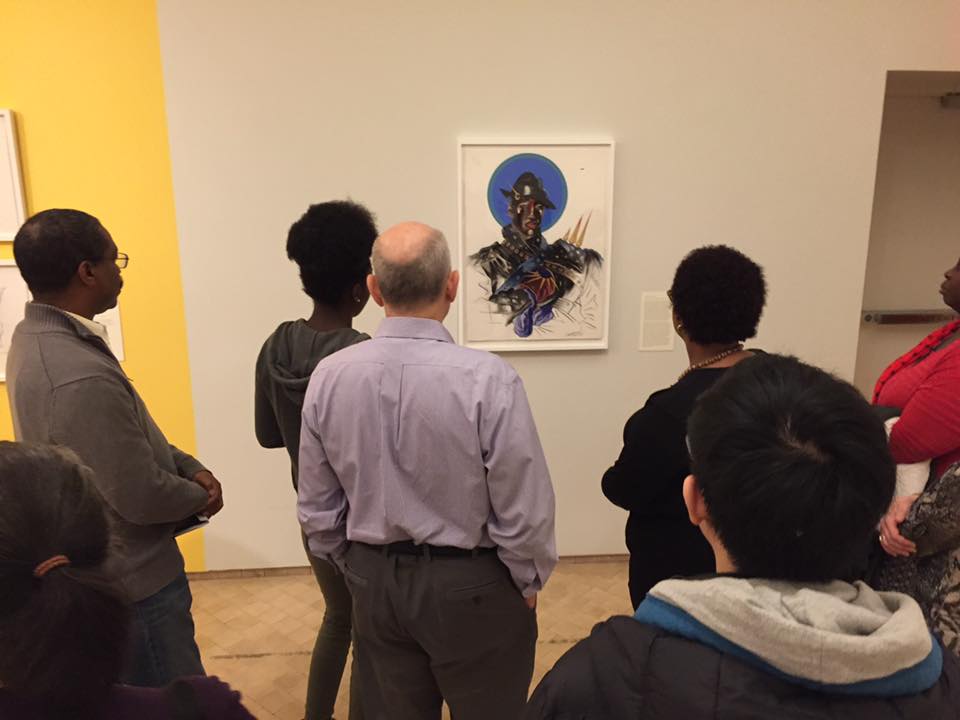
Slow Art Day 2017 in Shanghai

Host Joan Lueth at FQ Projects gallery (and the host of this year’s only Slow Art Day event in China) writes of their slow looking experience this year:

Checking in from Shanghai after another fabulous Slow Art Day experience! We gathered in an old neighborhood of fast disappearing houses, due to rapid development, in a typical 1920s Shanghai lane house now converted into FQProjects gallery featuring emerging artists. Viewing the works of Shanghai artist Wang DaWei, we entered into his world of mixed media paintings reflecting on living on the outside of community in a new neighborhood. As one participant Raymond Bu said, ‘I feel a happiness about the art even though the people seem alone. I grew up in a house just like this until I was 15 years old. It brings nostalgia to me inside the house and inside the paintings’. Thanks for another terrific event in a special and unique location! Best of luck from Shanghai to all those waking up to their Slow Art Day!  Zhi Yi (best wishes!)
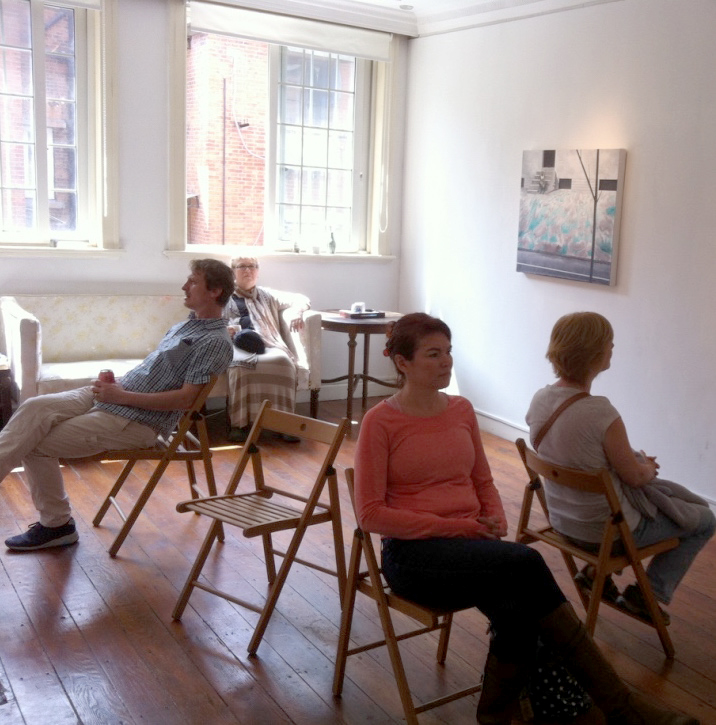
Slow lookers at FQProjects in Shanghai

Slow lookers at FQ Projects in Shanghai
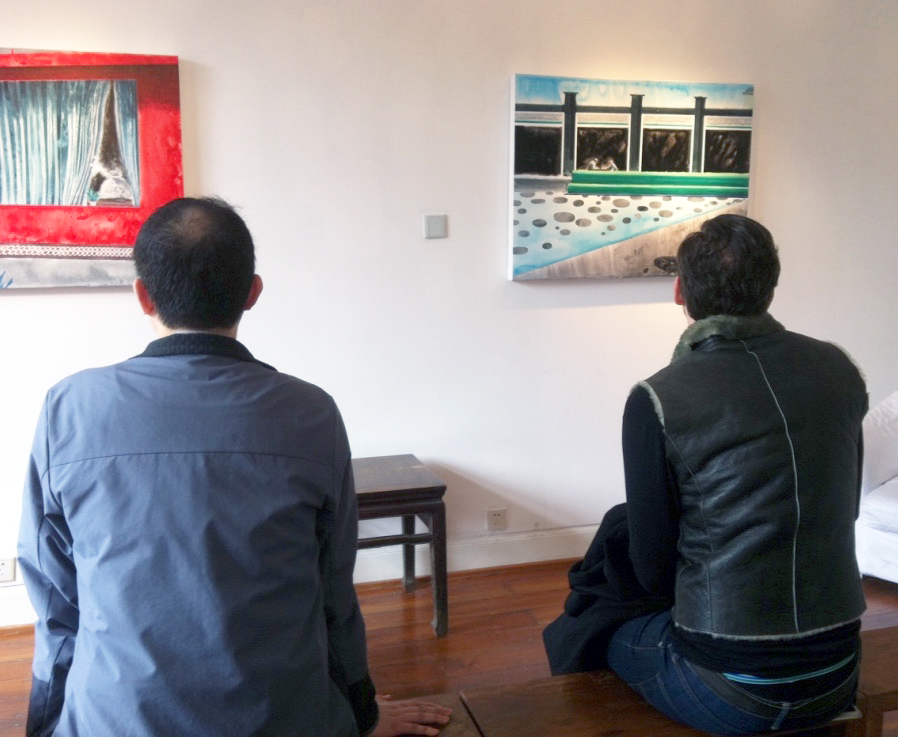
Slow lookers at FQProjects in Shanghai

Slow lookers at FQ Projects in Shanghai
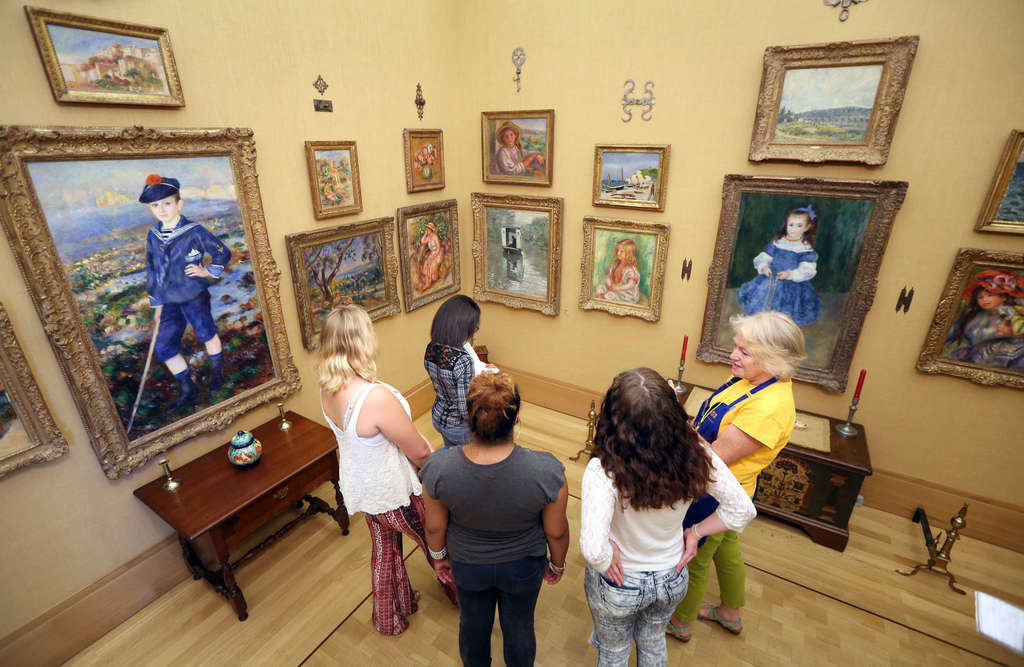
Philadelphia Museums’ Plea to Visitors: Slow Down!

The Philadelphia Enquirer / The Barnes Foundation

“Come to a gallery, sit with it for a while, absorb the works there. It’s like listening to a great piece of music. Looking at a really good work of art over and over again, you begin to see it differently.”

Excellent advice from William Perthes, senior instructor at The Barnes Foundation, in the Philadelphia Inquirer‘s great article on Slow Art Day at Philadelphia museums. In addition to the Barnes, The Fabric Workshop and Museum and Philadelphia’s Magic Gardens are also hosting events this Saturday!

Read the full article here.

On ikonoTV, Everyday is Slow Art Day

Get ready for Slow Art Day in your area and train your eyes on ikonoTV.

Our partners at ikonoTV say:

“ikonoTV reinforces the idea of art as a universal language. Bringing art into everyone’s home, we invite our audience to take time and surrender to its beauty. Our expert team of curators and animators produce slow-art-clips narrating art without using words, a purely visual experience creating a deep connection between the viewer and the work of art.

Slow down, today and every day, and let art become part of your life: Switch on your smart TV, iPad or computer and turn your screen into a beautiful moving canvas thanks to the 24/7 stream.”

Slow Art Day in the Wall Street Journal

We were very excited to read columnist Terry Teachout‘s lovely write-up of Slow Art Day in the Wall Street Journal – it’s always great to see Slow Art Day reach new and wider audiences!

Read the full article here.

Slow Art Day & the BBC

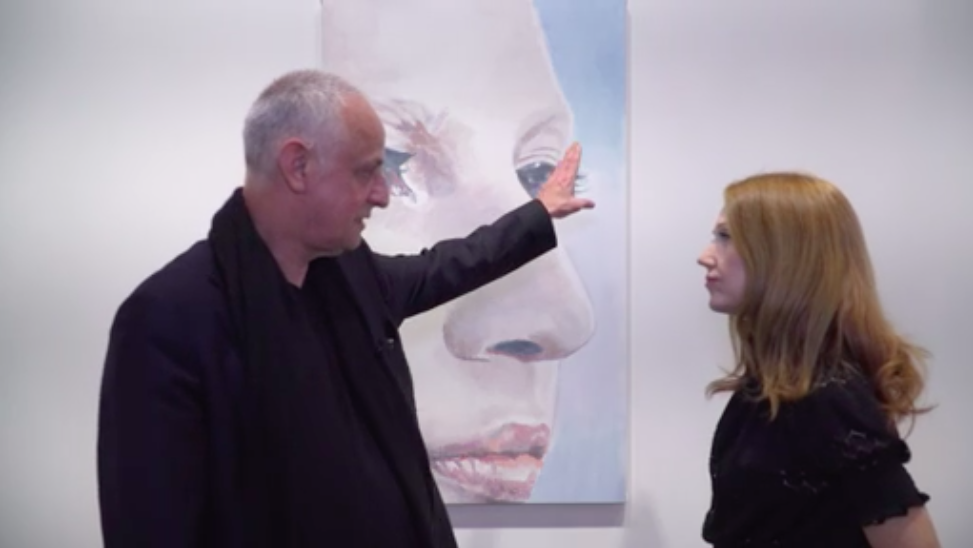
It’s hard to believe how much Slow Art Day has grown and spread across the world since its inception in New York a mere 8 years ago. We’re looking forward to having 170+ venues from dozens of countries participate in Slow Art Day 2017. Slow Art Day has had a large presence in the UK since the beginning and this year venues from the National Gallery to the Ashmolean Museum are organizing events – so we were extremely excited to see this feature in BBC Culture on the slow art movement. Filmed at Art Basel Hong Kong, reporter Linda Kennedy discusses the merits of slow looking with a variety of artists and art critics.

Belgian artist Luc Tuymans in the BBC "How to Look at Art" video.

Belgian artist Luc Tuymans in the BBC’s “How to Look at Art” video.

Watch the full video here!

Slow Art Day Tips from the Rubin Museum

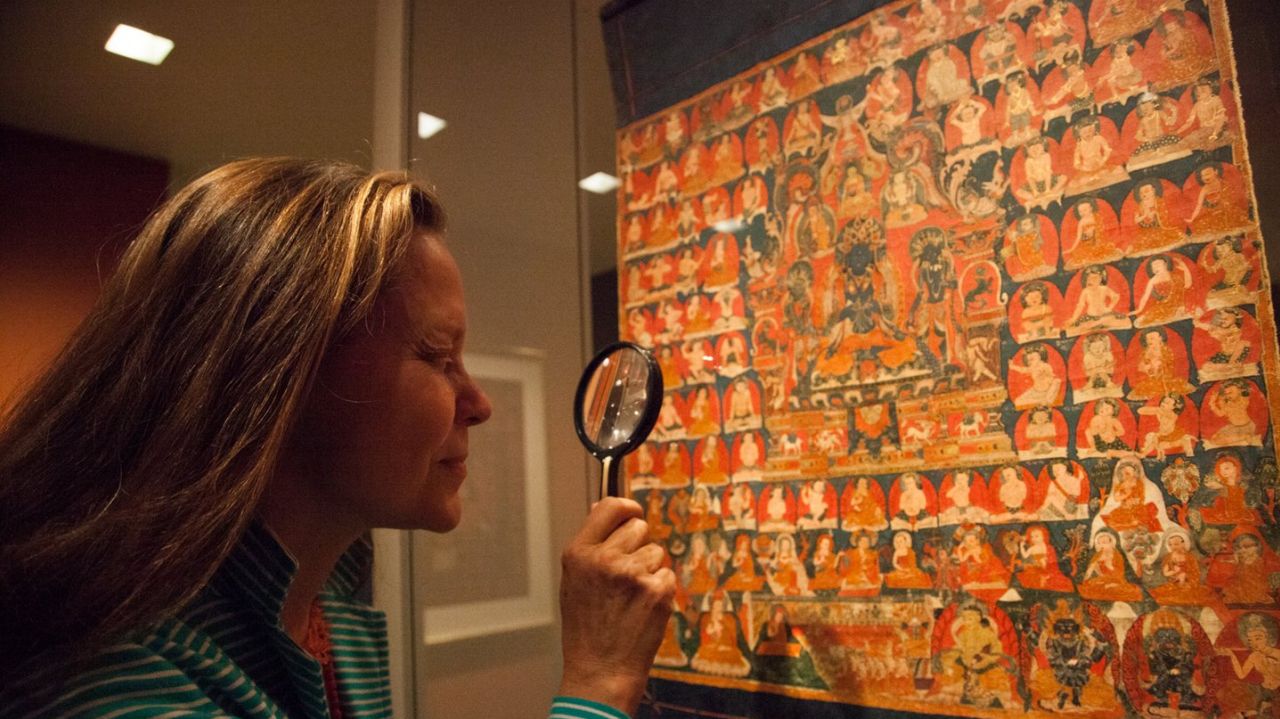
Rubin Museum of Art

Rubin Museum of Art

The Rubin Museum of Art in New York is hosting a Slow Art Day event for the third year in a row, and they have some expert tips for you to bring with you to your slow looking experience on April 8. Their advice?

Take longer — and longer — looks
Look at a piece for 5 seconds then turn around and write down five things to describe it. Do the same thing again looking for 10 seconds, then 20.
Back-to-back drawing
In this partner exercise, two people stand or sit back to back. One person faces the object and describes it to the second, who draws it.
Ask yourself questions
Some questions Sloan recommends you can ask yourself for deeper looking include: What is the first thing you notice about this artwork? Does this make you think of anything that you’ve seen before? What do you see that makes you say that?

Read the full article on AM New York here.

Slow Art Day is coming to the Rowayton Arts Center

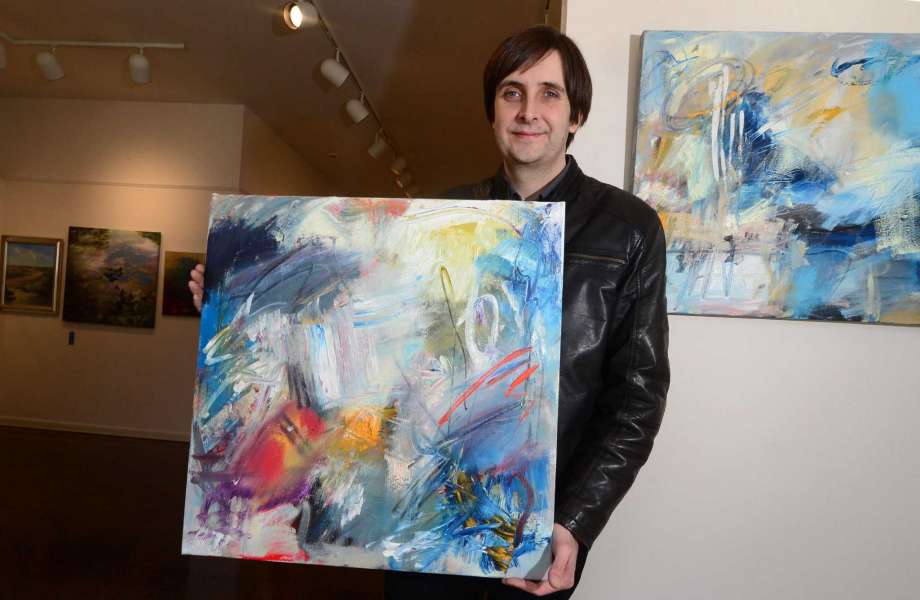
The Norwalk Arts Commission is participating in Slow Art Day for the third year in a row, this time partnering with the Rowayton Arts Center in Norwalk, CT. Their event will coincide with the opening of Abstractiona new exhibition at the Rowayton Arts Center featuring abstract paintings by local artists. The show was judged by New York artist and educator Riad Miah, who will also lead Slow Art Day participants in a conversation about the works.

Artist Bruce Horan with two of his abstract paintings that will be featured in the Rowayton Arts Center's upcoming exhibition "Abstraction" and on view during Slow Art Day 2017. Photo: Erik Trautmann / Hearst Connecticut Media

Artist Bruce Horan with two of his abstract paintings that will be featured in the Rowayton Arts Center’s upcoming exhibition “Abstraction” and on view during Slow Art Day 2017. Photo: Erik Trautmann / Hearst Connecticut Media

Read a full write-up of the event in The Hour here, and if you’re in the area get your tickets here!

Slow Art Day Makes You Happy

How great is this Slow Art Day promotional video created by host Karolina Fabelova at Kunstzeichnen? Check it out on YouTube and tell us what you think below!

Slow Art Day Founder Phil Terry Interviewed for “Artsy Editorial”

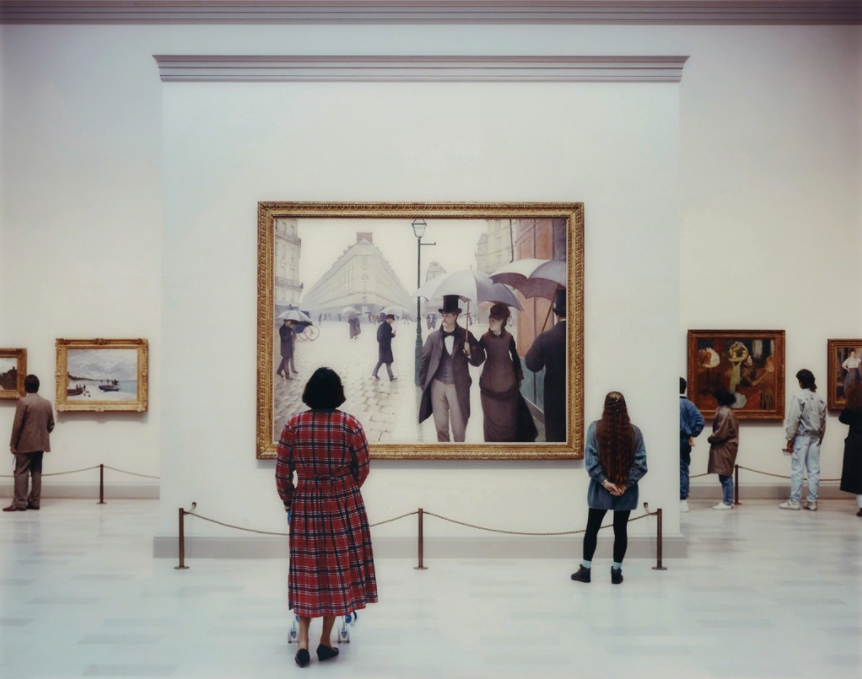
Thomas Struth Art Institute of Chicago II, Chicago, 1990 Phillips: Photographs

Thomas Struth
Art Institute of Chicago II, Chicago, 1990
Phillips: Photographs

Slow Art Day founder Phil Terry was recently interviewed by Isaac Kaplan for Artsy EditorialThe editorial delves into the experience of looking at art, the length of time required to look at a work of art in order to “get” it, and how museums both help and hinder the practice of slow looking.

Phil says in the editorial, ““People in the art world generally know how powerful it can be to look at a work of art for more than seven seconds.” […] “I started Slow Art Day because everyone else doesn’t know this.”

Read the full article here, and let us know your thoughts below!

Slow Art Day and the All Stars Project

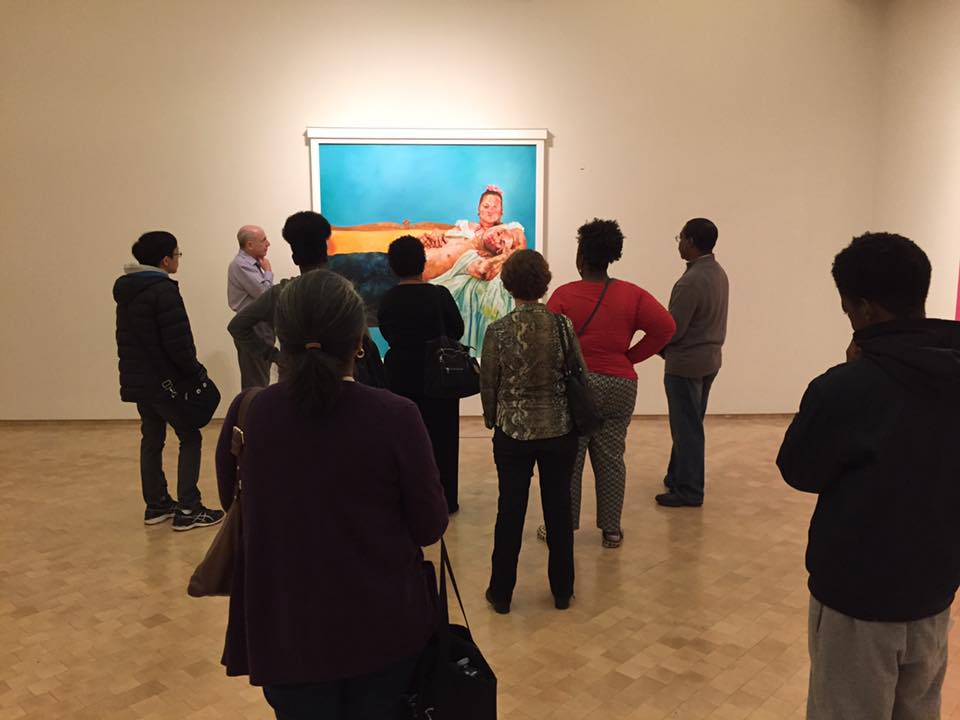
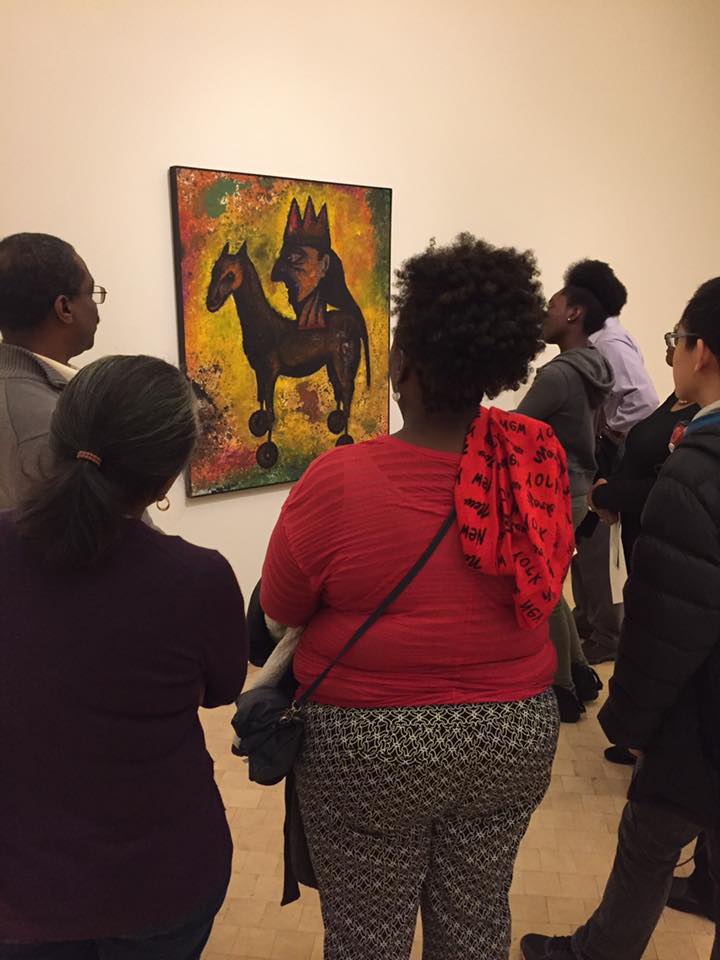
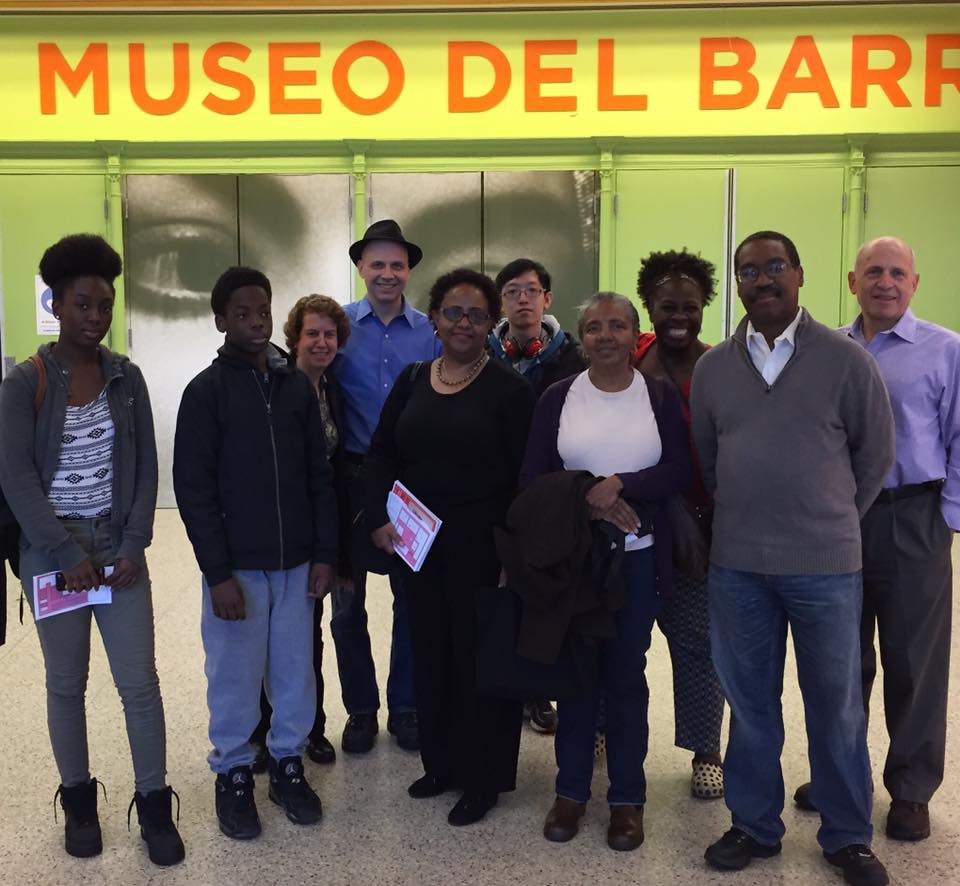
In November, Slow Art Day founder Phil Terry partnered with the All Stars Project to bring a group of youth and community members to El Museo del Barrio in New York for a day of slow looking and discussion.

Phil writes, “Museums and art are for everyone – not just the few. Slow Art Day and the All Stars Project, Inc. are working together to help more people learn how to look at and love art – how to walk into a museum and not feel intimidated, to approach art as if we are all included because we are.”

Check out photos from the visit below!