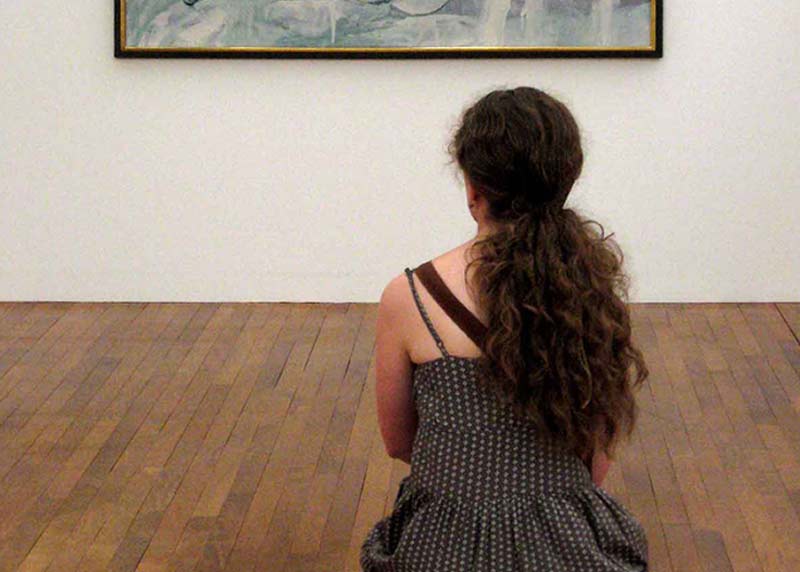
The annual event celebrating art.
Slow Art Day is Saturday, April 11, 2026 Join Us!
Photo by Greg Neville

For Slow Art Day 2025, Vänersborgs konsthall in Vänersborg, Sweden, hosted a guided slow-looking event centered on the exhibition A.I. vs Själen (A.I. vs the Soul). The program combined meditation, independent observation, and group dialogue in a focused gallery setting.
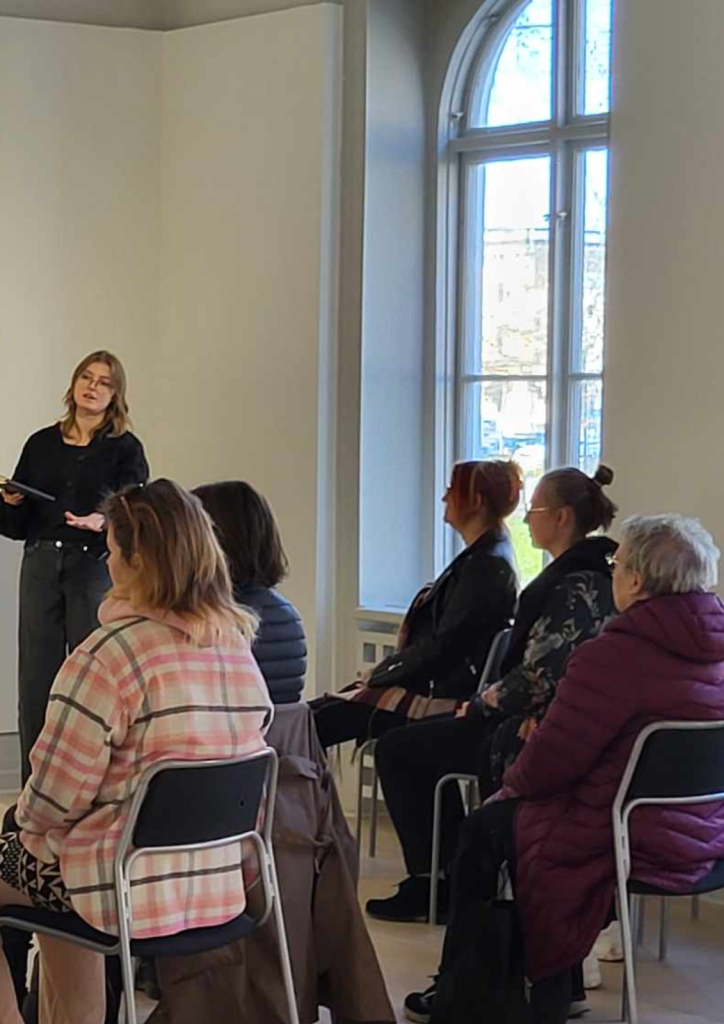
Selected artworks were chosen by participants from two designated walls within the exhibition A.I. vs Själen (A.I vs the Soul)
Eleven participants took part in the free event. The session began with a short introduction to slow looking as a practice, followed by a guided meditation designed to help participants settle into the experience. From there, facilitators offered simple, structured prompts to support a 10-minute slow looking exercise. Participants then gathered to share reflections and discuss their thoughts. Conversations focused on perception, attention, and how the themes of technology, AI, and the human soul emerged through extended looking.
Following the discussion, the gallery invited participants to continue the conversation over a traditional Swedish fika, offering coffee and biscuits in a relaxed social setting.
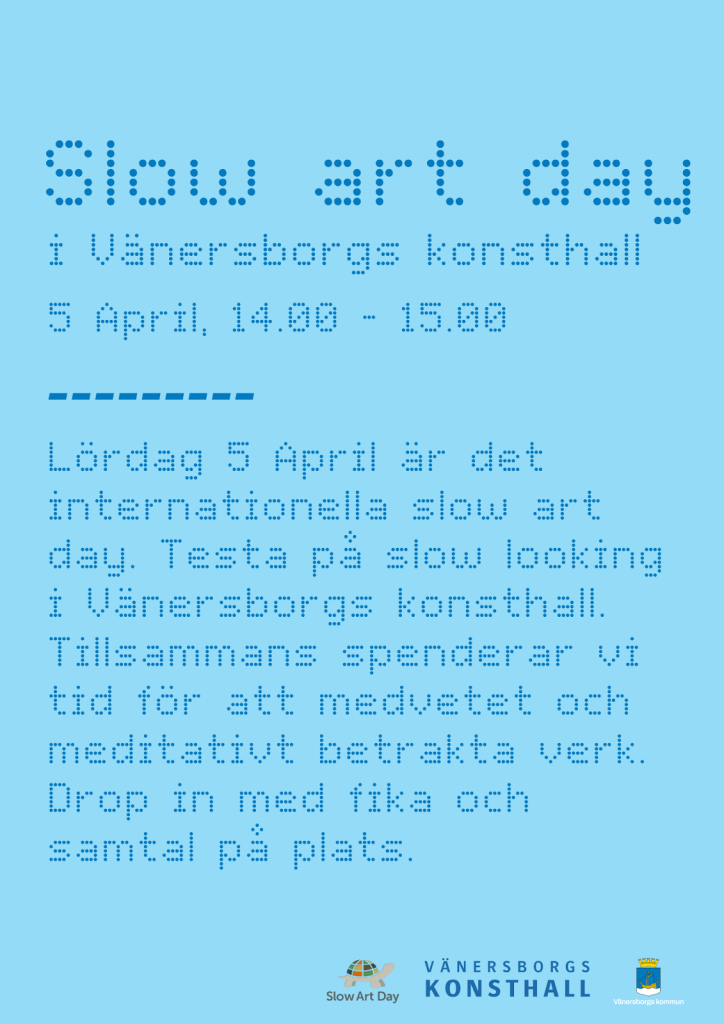
We thank Hanna Tobiasson, Cultural Coordinator at Vänersborgs konsthall, for creating a Slow Art Day experience that thoughtfully engaged questions around technology and its growing influence on how art is created, perceived, and discussed today. We look forward to seeing what the team at Vänersborgs konsthall comes up with for Slow Art Day 2026.
– Ashley, Johanna, Jessica Jane, and Phyl
P.S. Follow Vänersborgs konsthall on Facebook.
For Slow Art Day 2025, yoga-based movement instructor Carol Rossi of Lobey Movement returned to Slow Art Day – she was a pioneer who helped launch the movement back in 2010 – and hosted her own slow-looking session at the de Young Museum in San Francisco, California. Drawing from her background in yoga and mindfulness, Rossi designed a self-guided Slow Art Day experience.
In preparation for the day, Rossi created and shared a dedicated Slow Art Day webpage that outlined simple viewing tips and a short guide to the artworks she selected. Her materials encouraged participants to spend extended time with each work, notice physical details and emotional responses, and resist the urge to move quickly. Rather than formal facilitation, the structure supported personal pacing and reflection, allowing participants to engage with the museum in a focused yet flexible way.
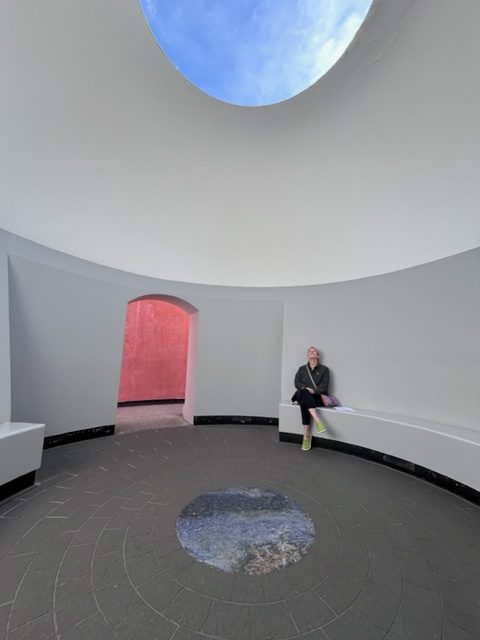
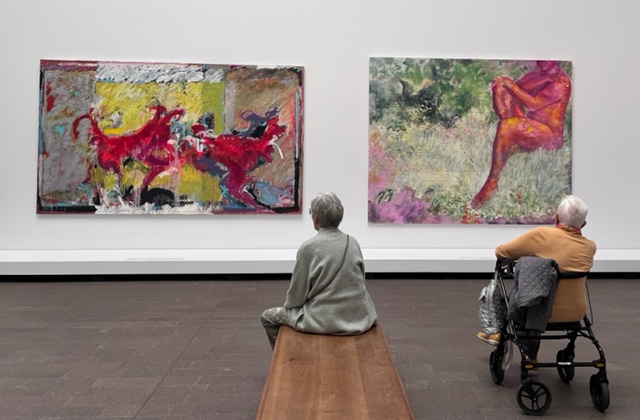
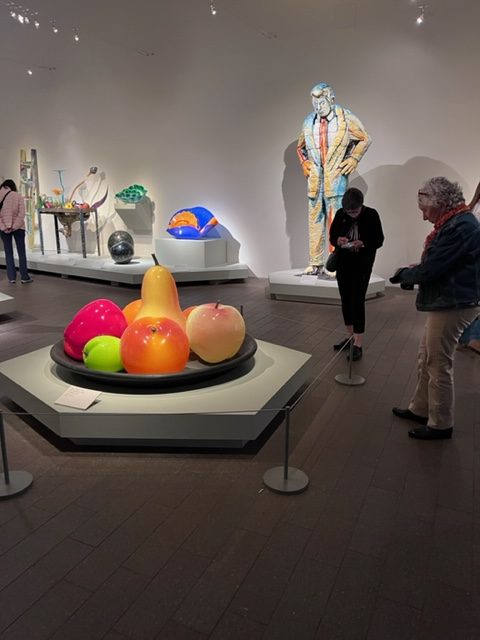
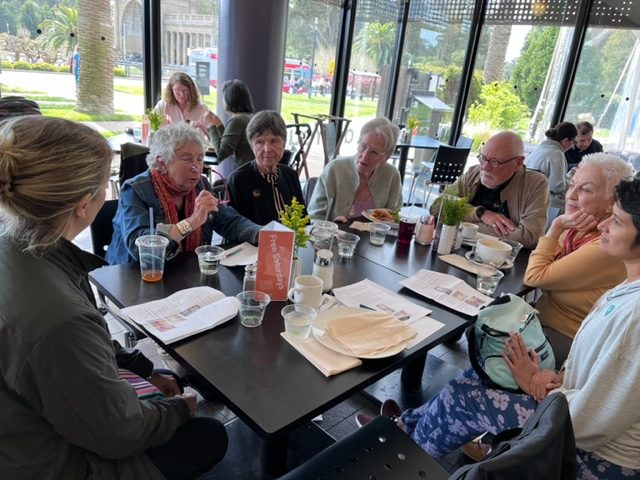
Rossi documented and reflected on the experience through LinkedIn and Instagram, sharing photographs, excerpts from her viewing guide, and personal observations about hosting Slow Art Day. These posts are great practical examples for others interested in creating their own Slow Art Day experiences to follow. Her approach shows how hosting can begin with clear intentions, simple prompts, and a willingness to invite others to slow down together.
At Slow Art Day HQ, we actively encourage this kind of individual-led design. Slow Art Day is not limited to institutions; anyone can host a slow-looking experience, whether as a yoga instructor, educator, designer, or community member. Resources like Carol Rossi’s website and posts offer concrete inspiration for those considering hosting their own event, much like other community-driven Slow Art Day efforts we have seen in recent years.
We thank Carol Rossi for her pioneering support of Slow Art Day, and for returning to work with us again. We look forward to seeing what she comes up with for Slow Art Day 2026.
– Ashley, Johanna, Jessica Jane, and Phyl
For Slow Art Day 2025, students at the University of Alabama participated in a project titled Walking In It, developed under the direction of Professor Sharony Green and presented in connection with the Gorgas House Museum in Tuscaloosa, Alabama. The project focused on an experimental video that encouraged people to notice walking and to think about it as something shaped by history and circumstance, not a simple experience that everyone can take for granted.
As part of the project, students enrolled in Professor Green’s Fall 2024 and Spring 2025 history courses contributed 30-second long videos of themselves walking through campus and around Tuscaloosa. These clips were combined into a single “digital quilt” bringing together repeated movement across shared spaces.

The completed video was featured online and projected onto the exterior of the Gorgas House Museum on April 4, 2025, from 10:00 a.m. to 2:00 p.m. The projection was designed as a come-and-go experience, allowing Slow Art Day participants and passersby to encounter the work throughout the day. The setting of the projection on Gorgas House, the campus’s oldest dwelling constructed in 1829, provided historical context for the project’s focus on movement and access.
Watch the video projection:
Additional components were coordinated by Sonya Harwood-Johnson, Director of the Gorgas House Museum. These included interpretive displays featuring nineteenth-century shoes and an interactive station where members of the campus community could decorate miniature boots produced with a 3D printer, inspired by a Mexican artist’s project.


In addition to the video projection, the Slow Art Day project included a campus-wide scavenger hunt. Participants were invited to move through campus using the scavenger hunt prompts, with a prize offered to those who completed the activity.
Students also created a short video previewing the event, offering viewers a sense of the site and project setup:
The project received coverage in The Crimson White – Gorgas House hosts The University of Alabama’s submission to global Slow Art Day – the University of Alabama’s student newspaper, which reported on the Gorgas House Museum’s participation in the global Slow Art Day initiative. Across digital platforms, the project reached a wide audience, with more than 1,100 views on Instagram and over 1,200 additional views and impressions across other social media channels.

We thank Sharony Green, Sonya Harwood-Johnson, and the participating students for their innovative Slow Art Day events, and look forward to seeing what they come up with for Slow Art Day 2026.
– Ashley, Johanna, Jessica Jane, and Phyl
P.S. Read more about the project, Walking In It: An Experimental Video, on the Gorgas House Museum website. You can follow the Gorgas House Museum on Facebook and Instagram.
The Gothenburg Museum of Art in Gothenburg, Sweden, participated in Slow Art Day 2025 by offering two structured activities for adults and children. The program combined guided meditation, slow looking in the galleries, and hands-on making in the studio.
The group gathered in front of Oracle, a sculpture by Norwegian artist Jone Kvie, on view in the exhibition Apocalypse: From Last Judgement to Climate Threat.
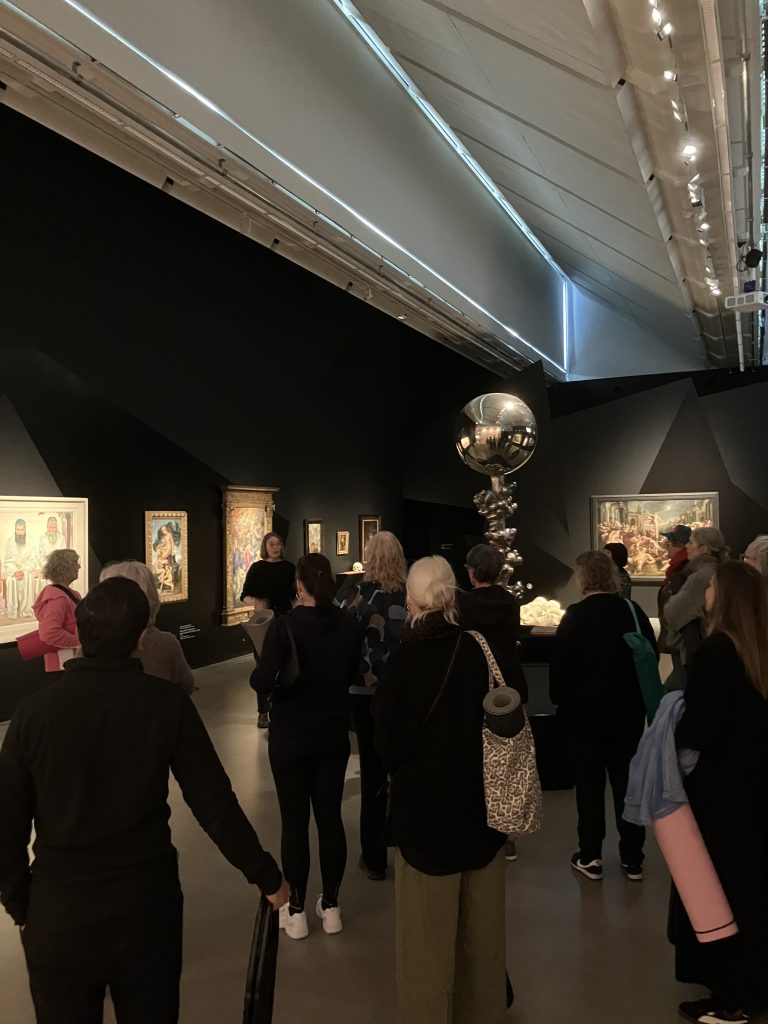
For adult participants, the museum hosted a guided meditation led by Pernilla Ljungkvist, artist and yoga teacher, around the sculpture. Through stillness and focused attention, participants were invited to engage with the sculpture more deliberately.
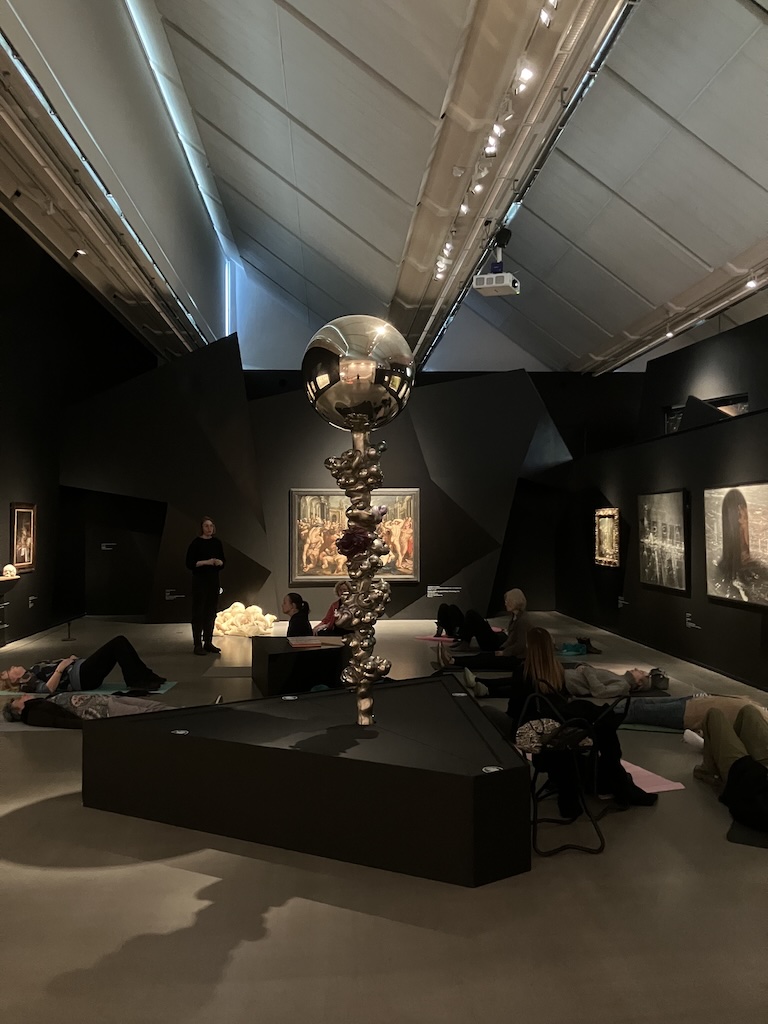
For children ages 6–12, the museum offered a two-part workshop. The first part took place in the museum’s collection galleries, where participants practiced slow-looking exercises and completed a drawing activity based on careful observation.
The group then moved to the Museum Studio, where a selection of objects was presented. Participants chose one or more objects to reinterpret by painting with watercolors, drawing with colored pens, or shaping forms in clay. The emphasis throughout was on slowing down, observing closely, and working deliberately. Across both activities, the shared goal was to encourage sustained attention and mindful engagement through observation, reflection, and making.
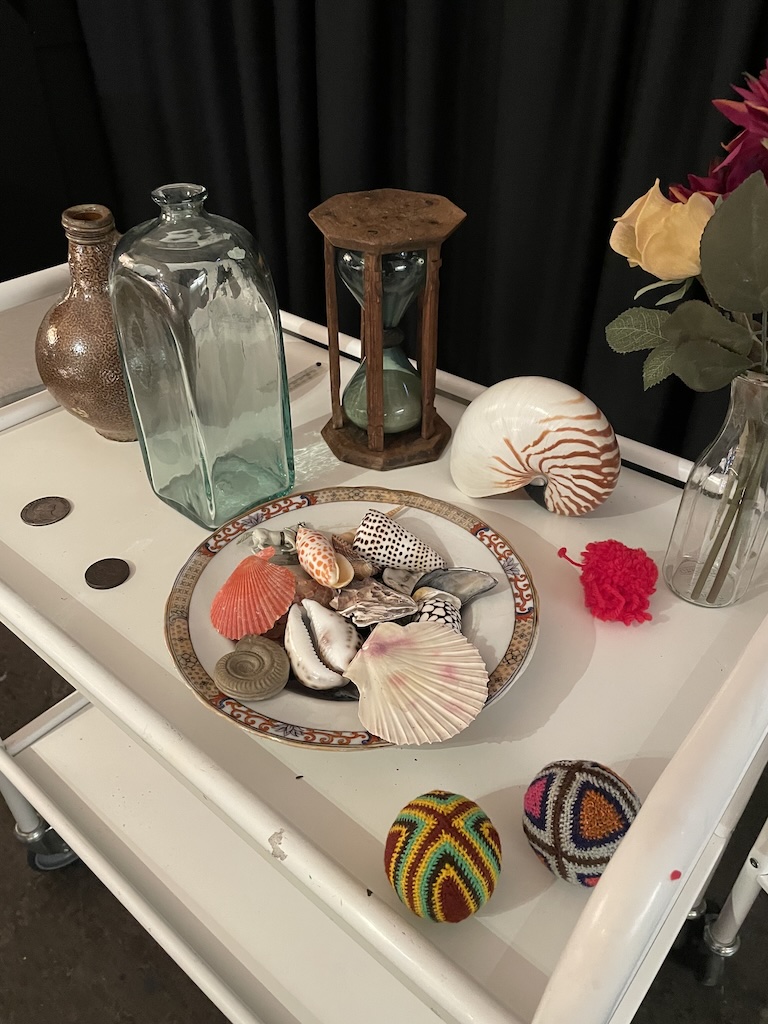
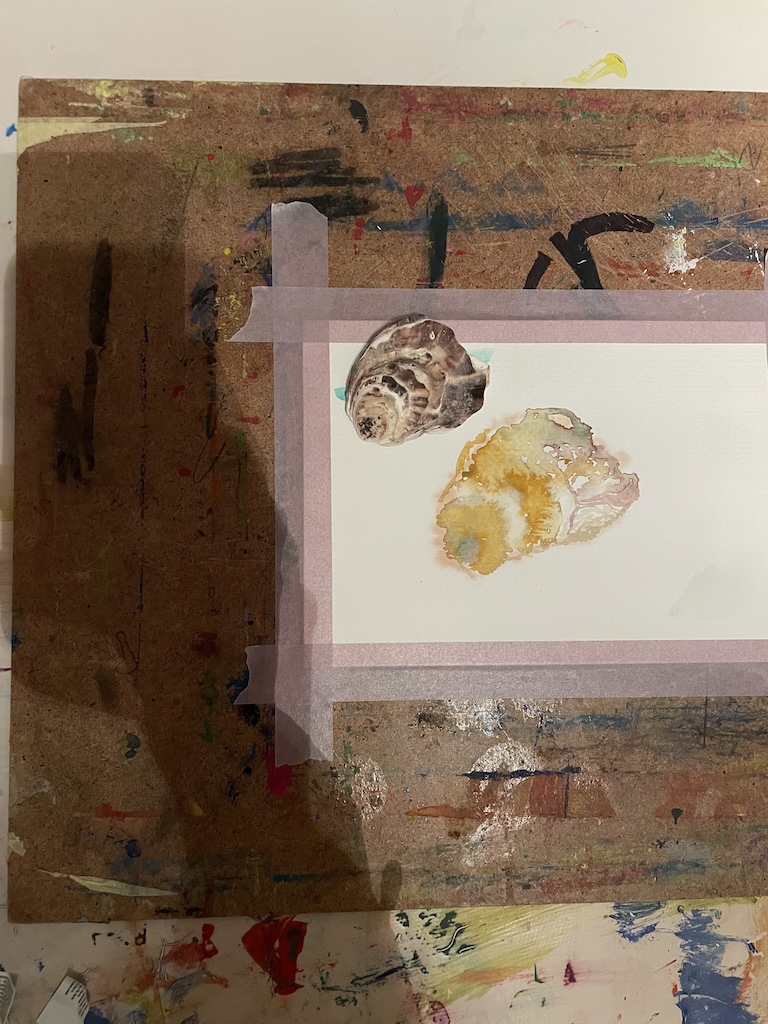
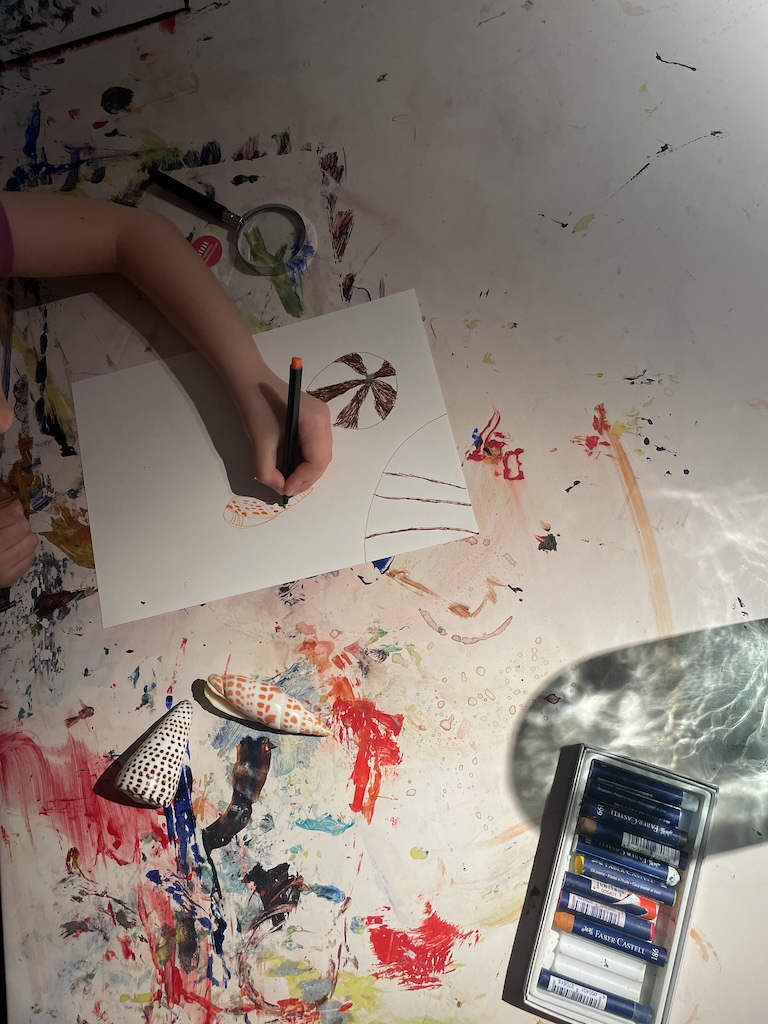
We thank Jonna Kihlsten, Art Educator, and the Gothenburg Museum of Art team for designing inclusive Slow Art Day experiences, as well as Pernilla Ljungkvist for leading the meditation session. We look forward to seeing what Gothenburg comes up with for Slow Art Day 2026.
– Ashley, Johanna, Jessica Jane, and Phyl
P.S. Follow Gothenburg Museum of Art on Facebook and Instagram