Collective Memory and Slow Writing at Nordiska Akvarellmuseet’s First Slow Art Day

For their first Slow Art Day, the Nordiska Akvarellmuseet in Sweden hosted a reflective slow looking session featuring works by Swedish artist Claes Hake in the exhibition “HAKE / Retrospective 1962–2024.”

The session was led by museum art educator Renée Tan, who designed the experience to emphasize quiet observation and personal reflection before introducing interpretation or historical context.

Participants began by sitting together in silence for 15 minutes in front of three paintings: My First Gold Painting, The Woods 2, and The Woods 1. Visitors were asked to turn off their mobile phones and simply observe the works without any prior explanation about the artist or the artworks.
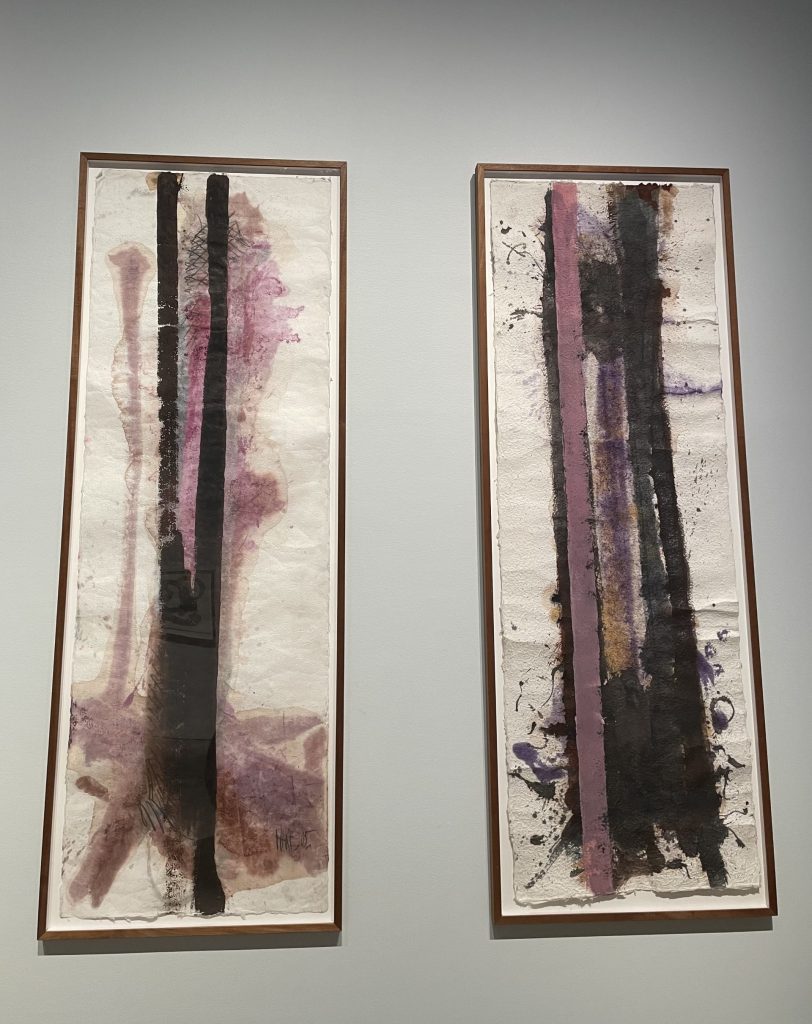
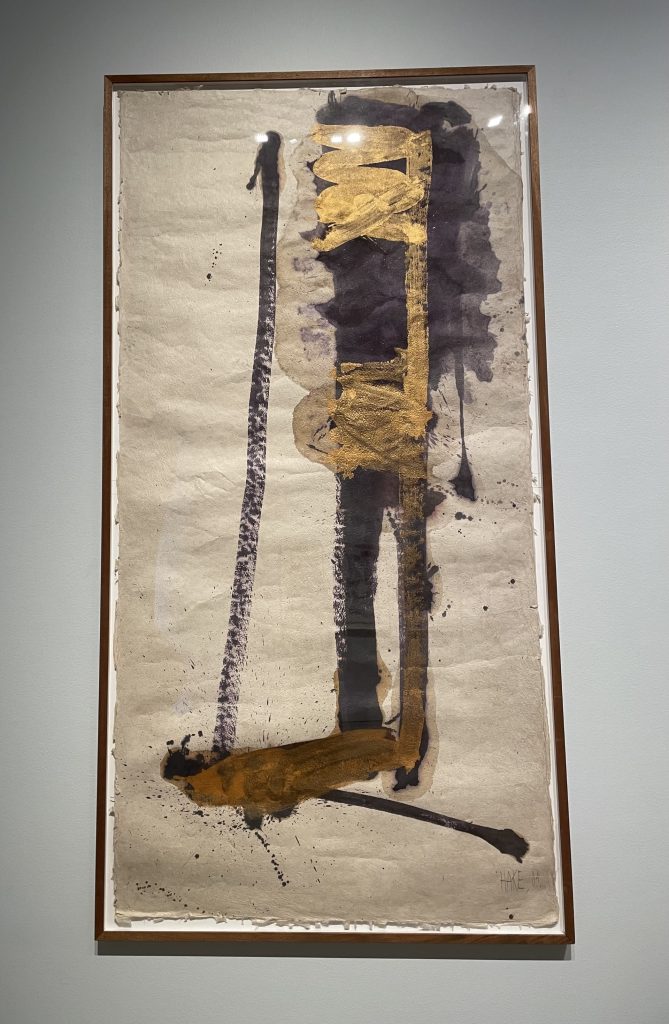
The Woods 2 and The Woods 1. Photo courtesy of Nordiska Akvarellmuseet.
My First Gold Painting. Photo courtesy of Nordiska Akvarellmuseet.

After the silent viewing period, Renée Tan invited participants to share their impressions through guided questions. The conversation focused on participants’ sensory and emotional responses to the paintings, including the atmosphere of the space, the shapes and colors in the compositions, the materials and techniques used, and possible metaphorical interpretations that emerged during the slow looking process.

Following the discussion, the group continued with a guided walk through the rest of the exhibition. The tour concluded in front of the oldest artwork in the exhibition, created by Claes Hake when he was just 17 years old.

At this final stop, participants were invited to reflect on their own past. Renée asked them to think about a place connected to their youth and imagine themselves there again. Each participant then chose a feeling, object, or activity associated with that memory and wrote it down on small pieces of paper.

The papers were placed on the floor alongside slips containing the words “I remember.” As the participants’ reflections accumulated, the fragments formed a collective memory poem, connecting personal histories with the experience of looking at art.
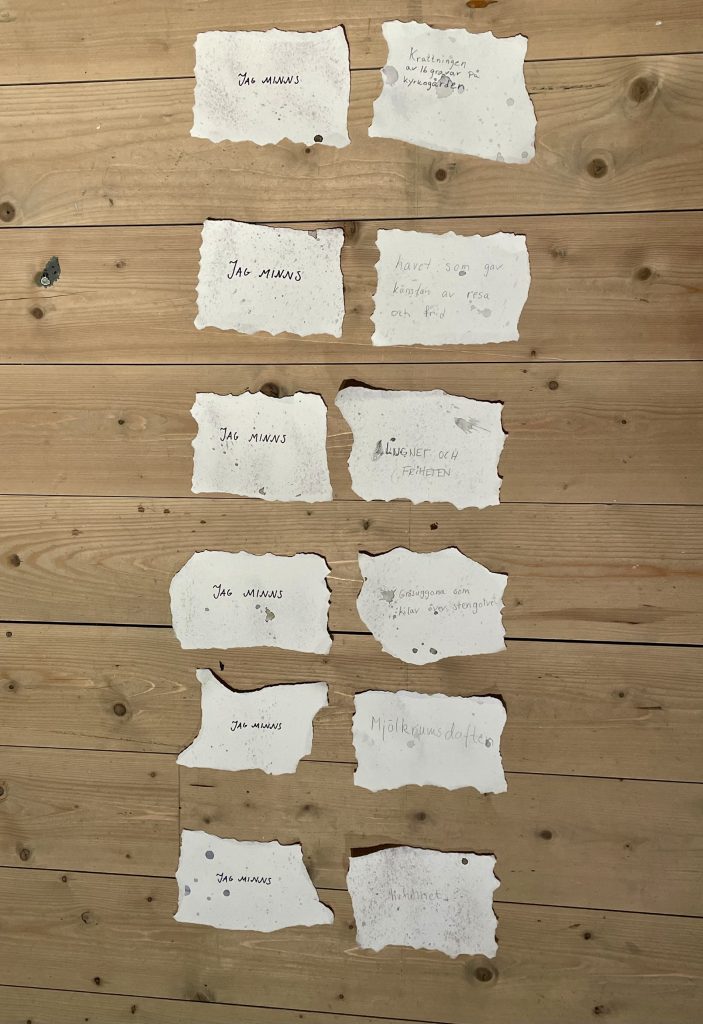
Through silence, conversation, shared reflection, and poetry, the Slow Art Day session at Nordiska Akvarellmuseet demonstrated how slow looking can go beyond observation to open up space for memory, storytelling, and collective creativity.

We at Slow Art Day HQ are grateful to Renée Tan and the team at Nordiska Akvarellmuseet for creating such a thoughtful and participatory experience. We look forward to what they come up with for Slow Art Day 2026, which is coming up April 11, 2026.

— Ashley, Johanna, Jessica Jane, and Phyl

P.S. If you have not yet registered your museum of gallery for Slow Art Day 2026, please do.
Poetry, Audio Narration, and Slow Drawing at the Museum of Fine Arts Budapest

For Slow Art Day 2025, the Museum of Fine Arts Budapest (MFAB) created a thoughtful set of tools and experiences designed to help visitors slow down and engage deeply with artworks throughout the museum’s galleries.

Rather than focusing on a single guided session, MFAB encouraged visitors to explore slow looking independently through several creative formats available throughout the museum. These tools were offered free of charge and invited guests to pause, observe carefully, and spend more time with selected artworks.

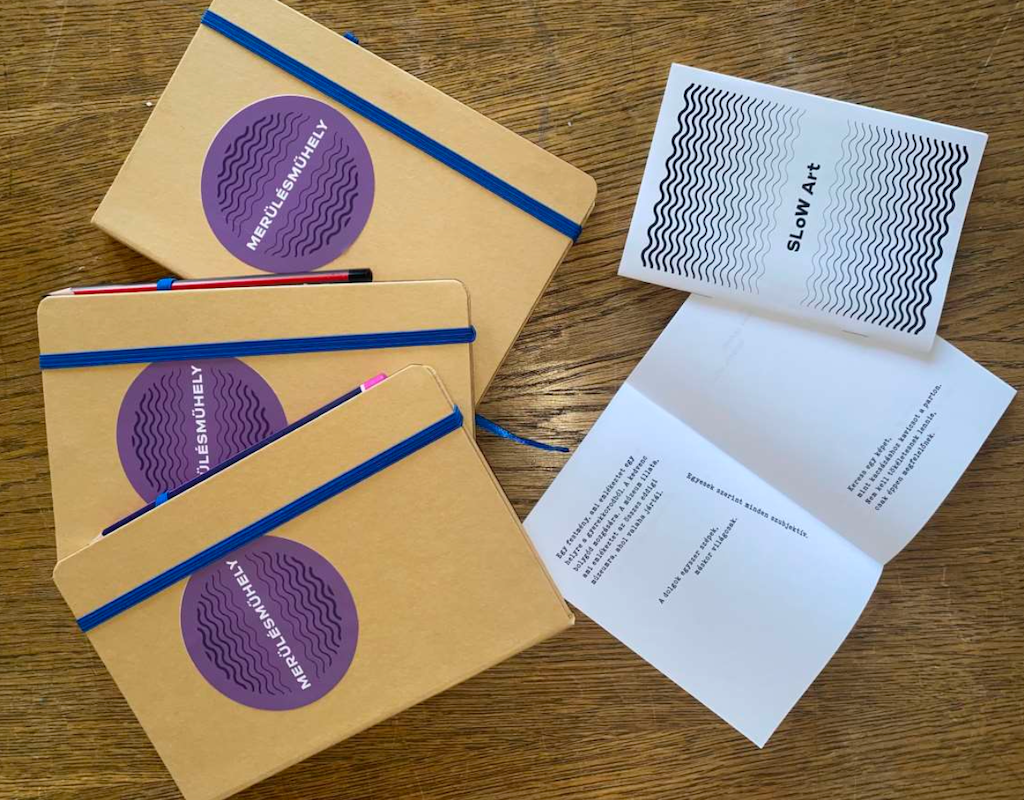
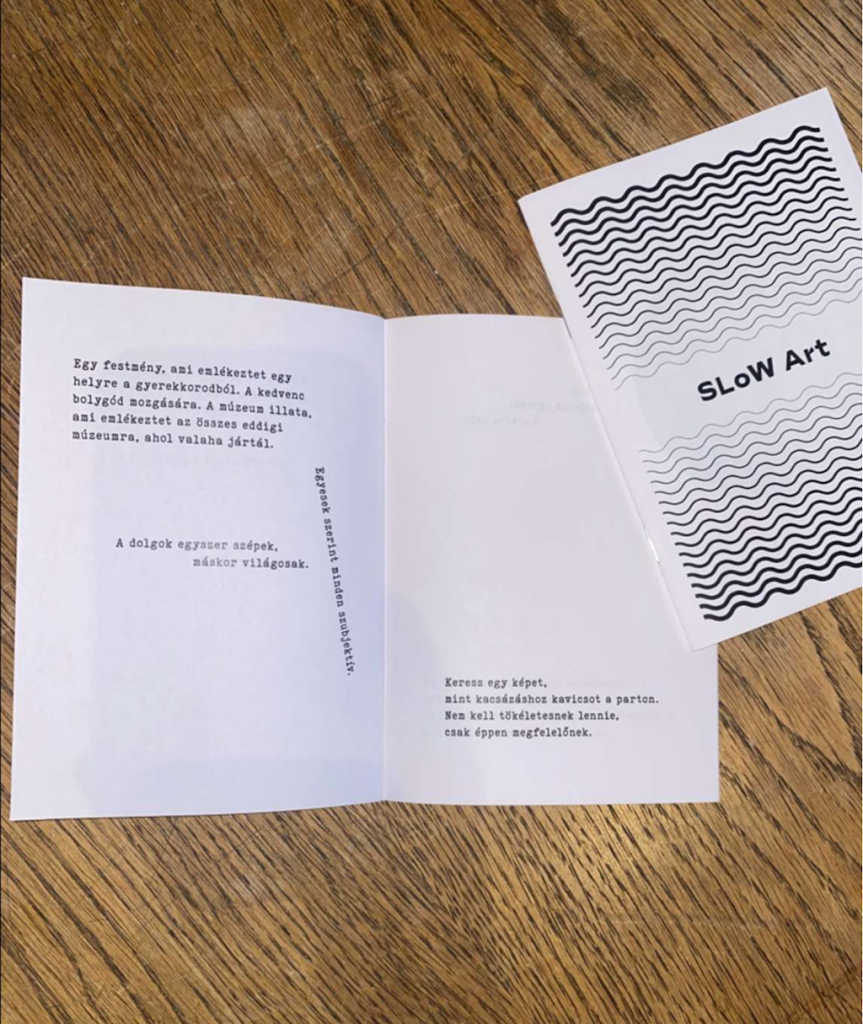
One of the most unique elements was a poetry booklet created by Hungarian poet Monika Ferencz, written specifically for the occasion. Visitors could take the booklet and move slowly through the museum while reflecting on short meditative poems and evocative text fragments. The idea was simple but powerful: choose a line, walk through the galleries, and allow the words to shape how you look at the art.

The museum also introduced a “Slow Guide – Step Inside the Painting” audio experience. By scanning QR codes placed next to eight selected artworks, visitors could listen to narrated audio reflections accompanied by music while looking closely at the paintings. This immersive format encouraged visitors to spend longer with individual works and experience them through both sound and sight.

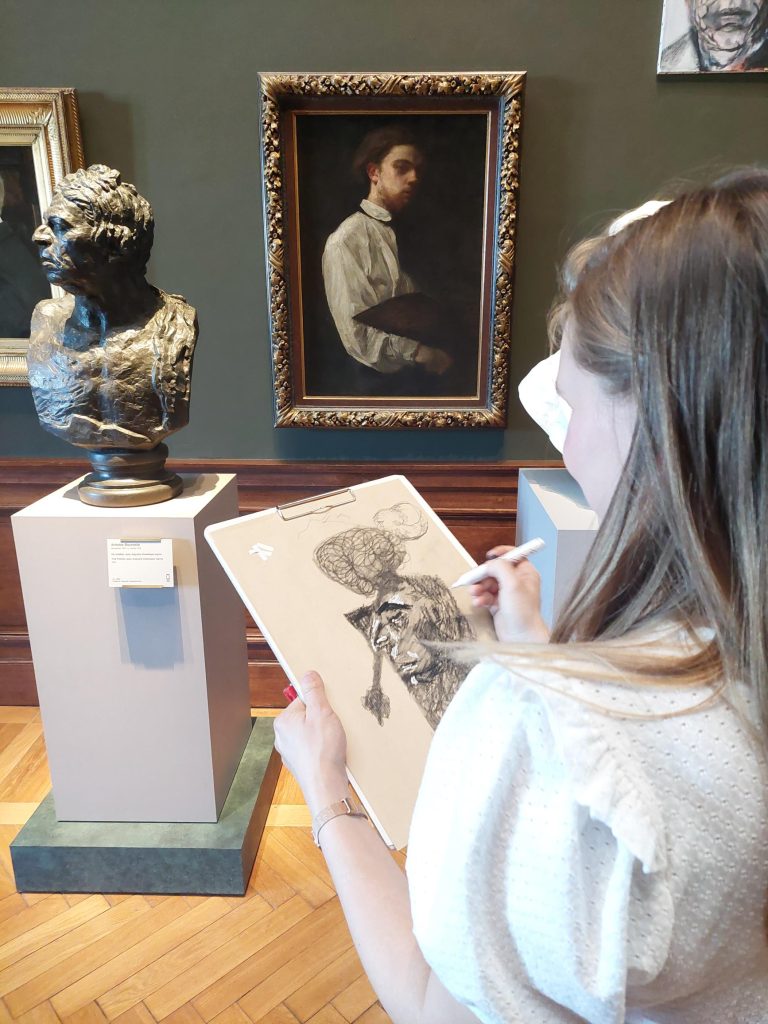
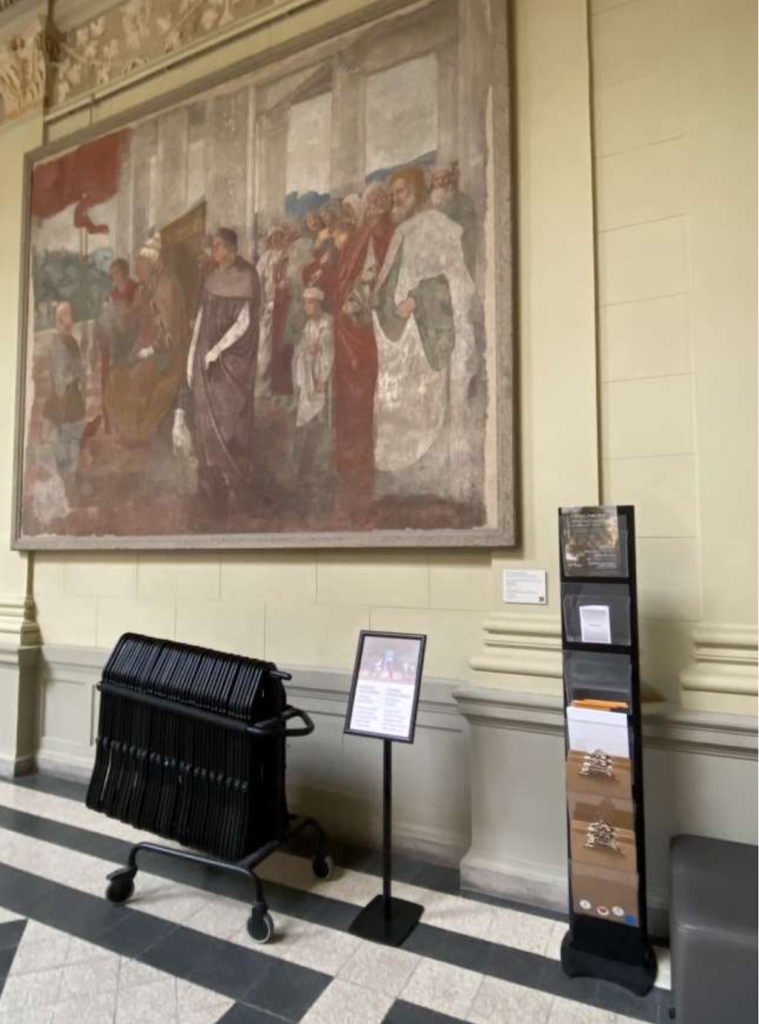
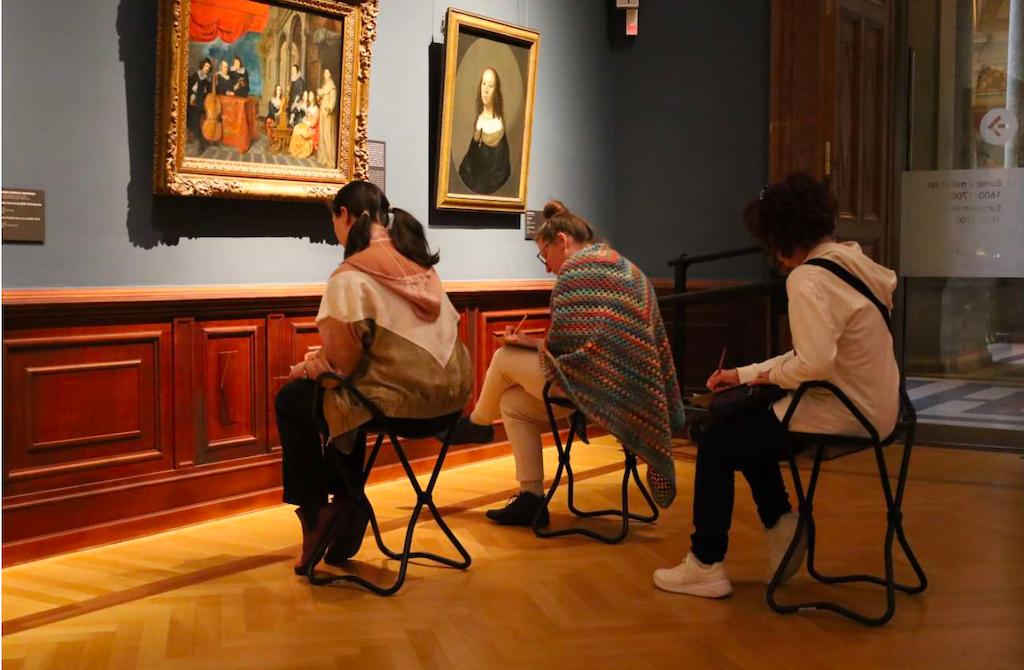
Another activity invited visitors to draw directly in the galleries. Guests could borrow a small folding chair, drawing board, paper, and pencil and spend time sketching details from artworks in the permanent collection. Focusing on small portions of the paintings helped participants notice subtle details they might have otherwise overlooked.

MFAB also extended its Slow Art Day programming into its regular Slow Museum evening series hosted on the 2nd Friday of each month (we love it when museums integrate slow looking into year-round programming!). One highlight was a Slow Writing Workshop led by Judit Cser, poet Monika Ferencz and museum educator Szilvia Záray, where participants used slow looking techniques as inspiration for creative writing. The three-session workshop took place in the Old Masters’ Gallery and invited a small group of participants to explore how close observation of artworks can spark new ideas and language.

But that’s not all.

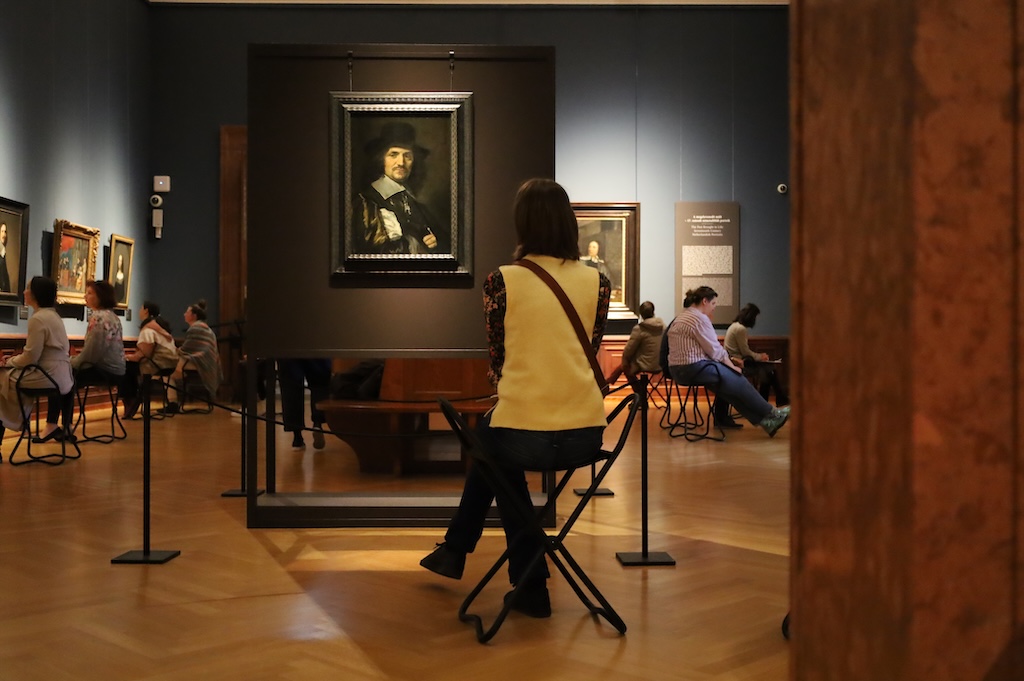
The MFAB provided yet one more guided experience, titled “The Gaze.” It brought visitors together for a one-hour slow looking session in the Dutch portrait gallery. Led by museum educator Szilvia Záray, the session encouraged participants to carefully study facial expressions, posture, and subtle details within the portraits while sharing their observations with the group. Amazing.

Participant during slow art session “The Gaze”. Photo courtesy of MFAB.

Together, these programs demonstrated how a museum can offer many different entry points into slow looking—from poetry and sound to drawing and writing—allowing visitors to discover the approach that resonates most with them, not only on Slow Art Day but throughout the year.

We at Slow Art Day HQ are grateful to the team at the Museum of Fine Arts Budapest for their thoughtful and creative approach. They are an inspiration for us all.

And we can’t wait to see what MFAB comes up with for Slow Art Day 2026.

— Ashley, Johanna, Jessica Jane, and Phyl

P.S. If you have not yet registered your museum of gallery for Slow Art Day 2026, please do.
Myth, Symbolism and Reflection at PEANA in Mexico City

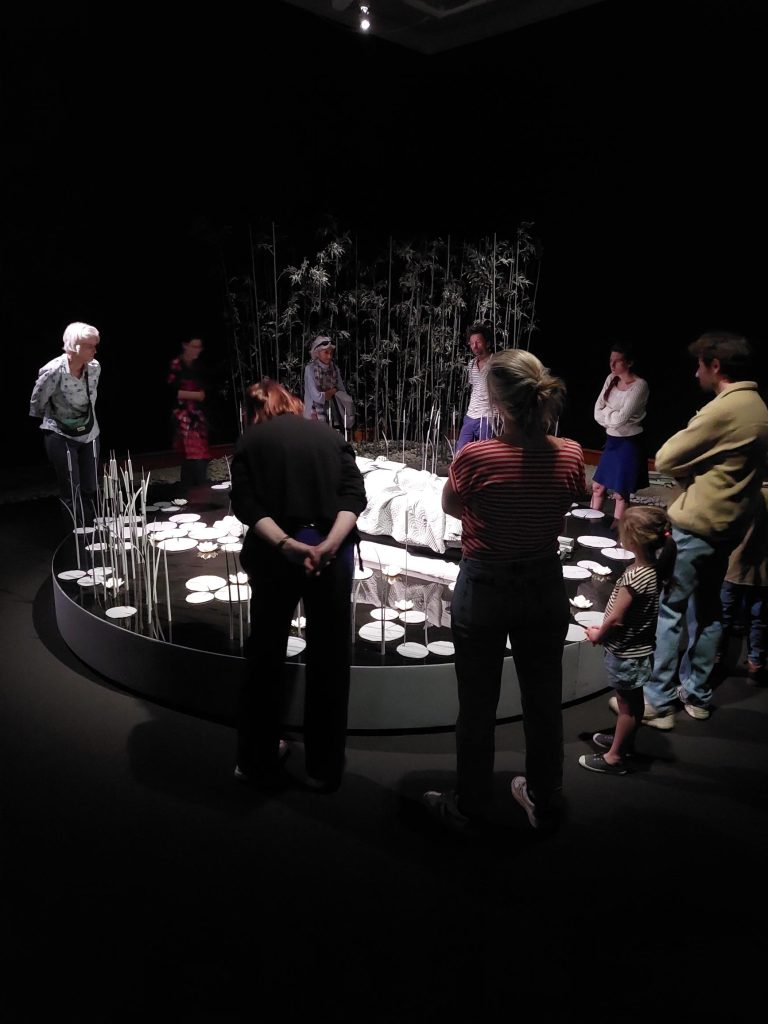
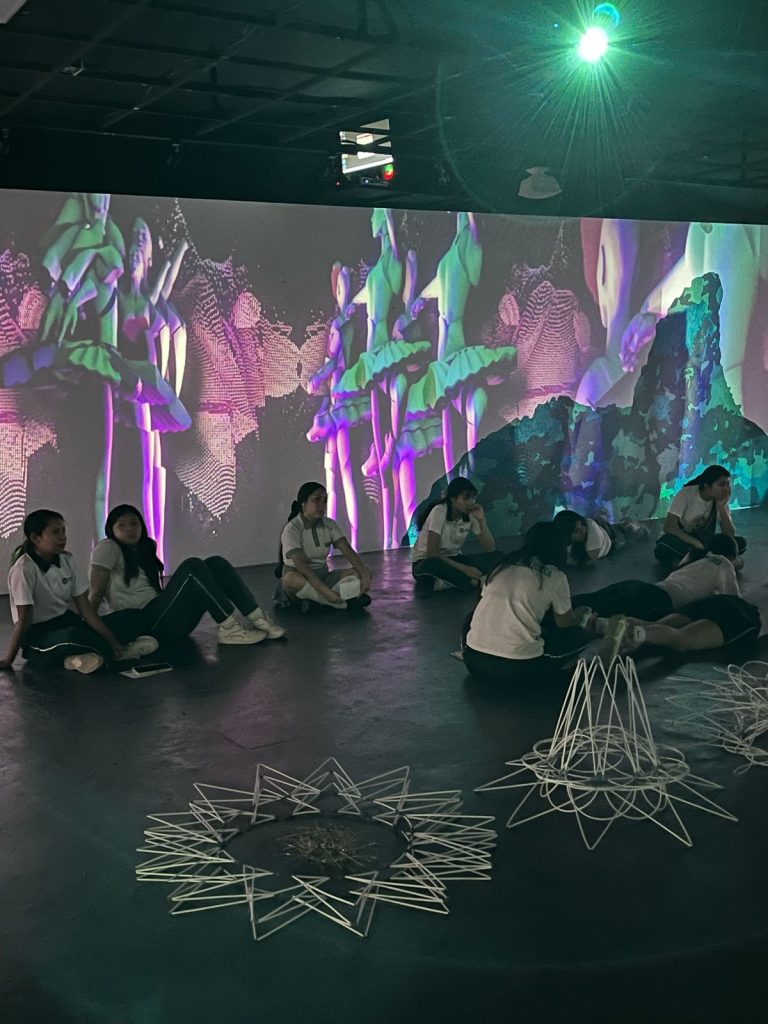
For their first Slow Art Day – as part of the large 2025 citywide event in Mexico City, the contemporary gallery PEANA in Mexico City, Mexico hosted an immersive slow looking experience centered on “Their Silhouettes Bristled With Razors,” the first solo exhibition at the gallery by Mexican artist Naomi Rincón Gallardo.

Rincón Gallardo’s work explores themes of contemporary violence, decolonial thought, and ancient Mesoamerican narratives. The exhibition was presented in a dim, atmospheric environment that invited visitors to slow down and spend time contemplating the symbolic imagery and layered storytelling within the works.

The PEANA team welcomed visitors with a brief introduction and encouraged participants to approach the experience with openness and curiosity. Printed reflection prompts were distributed to guide the slow looking process, asking visitors questions about the symbolism they noticed, their first impressions of the artworks, and how their perceptions evolved as they spent more time observing.

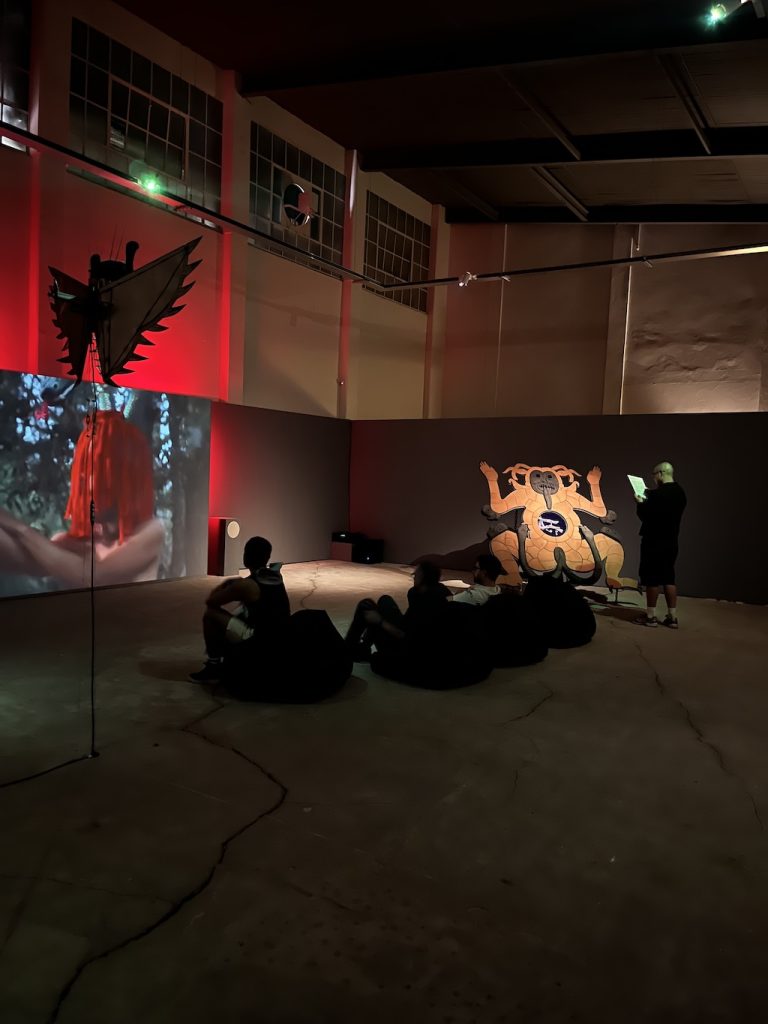
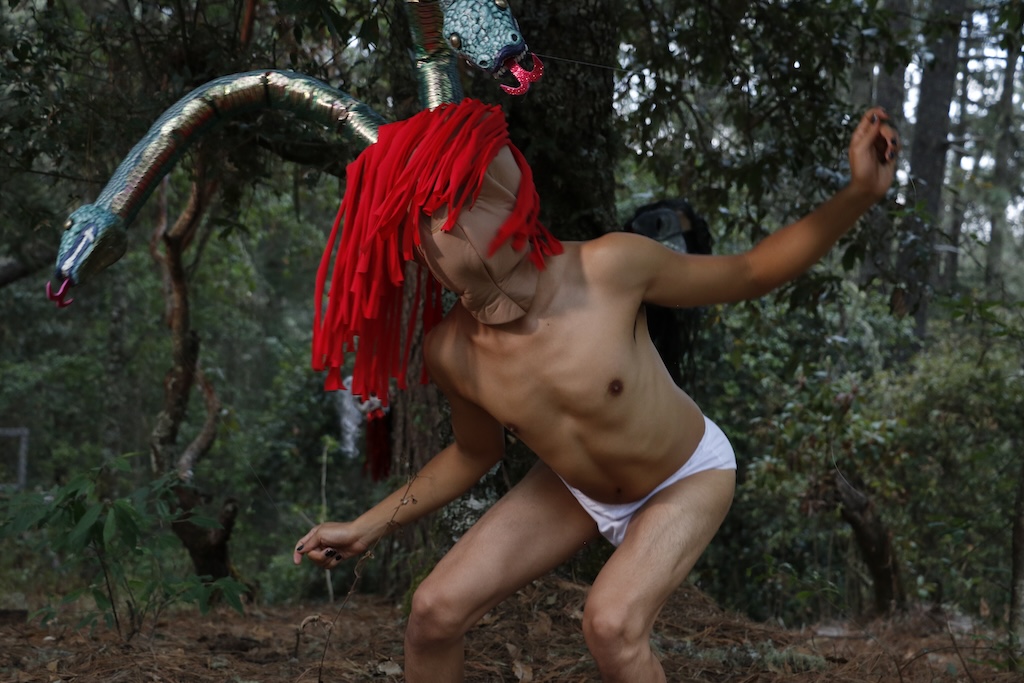
Participants during the Slow Art Day event. Photo courtesy of PEANA.

The prompts also invited creative responses, encouraging participants to draw, write a poem, or describe their reactions after spending time with the artworks. This simple but powerful structure helped visitors move beyond quick viewing and into deeper engagement with the themes and emotional resonance of the exhibition.

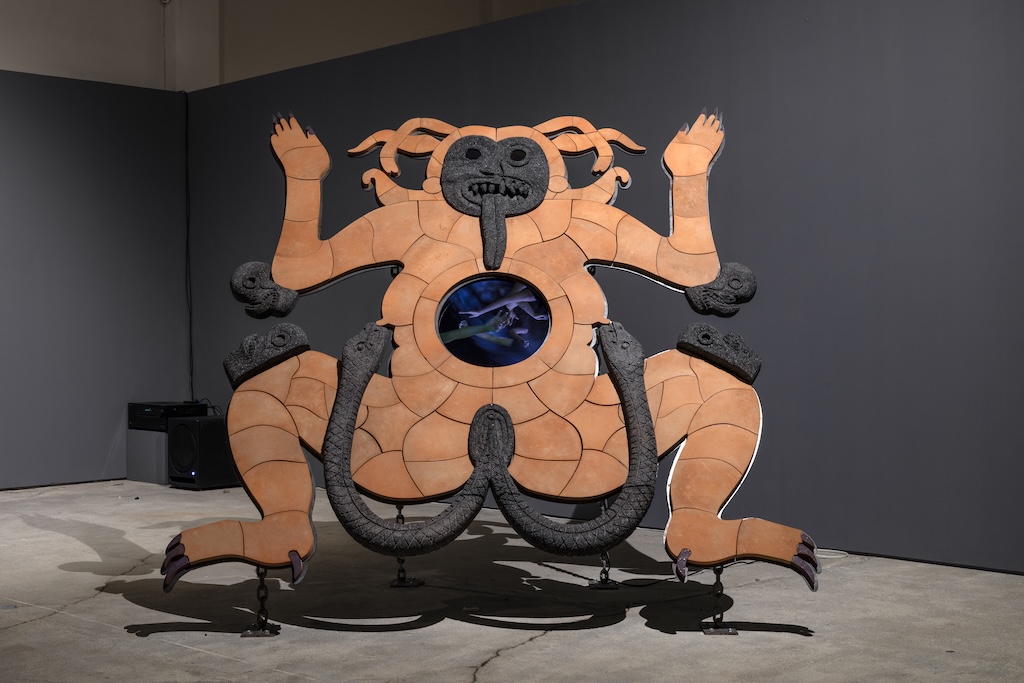
Several works from the exhibition served as focal points for slow looking, including Mechatronic Butterfly, Eclipse I, and Me enterraron boca arriba con la lengua fuera (Tlaltecuhtli). These works combine sculptural elements, video, and mythological imagery to create powerful visual narratives rooted in Indigenous cosmologies and contemporary cultural critique.

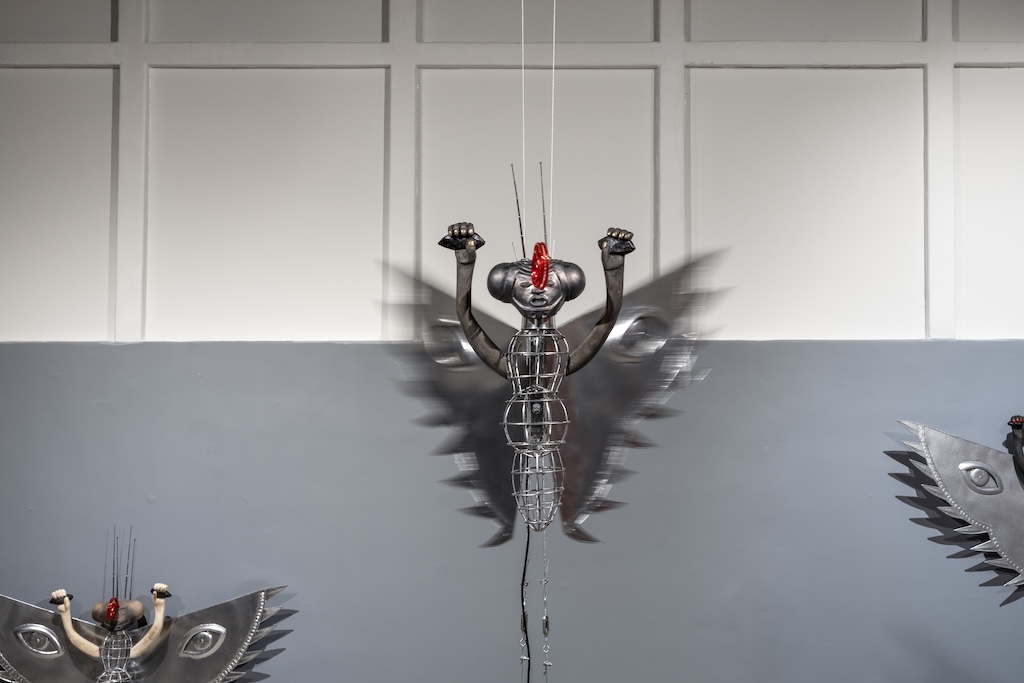
Mechatronic Butterfly. Photo courtesy of PEANA.
Eclipse I. Photo courtesy of PEANA.
Me enterraron boca arriba con la lengua fuera (Tlaltecuhtli). Photo courtesy of PEANA.

By pairing immersive artworks with guided reflection prompts, PEANA created an environment where visitors could slow down, contemplate difficult themes, and engage with the artworks in a personal and meaningful way.

Approximately 60 visitors participated in PEANA’s Slow Art Day experience, making a wonderful contribution to Mexico City’s citywide celebration.

We at Slow Art Day HQ are grateful to the team at PEANA and to Constanza Ontiveros Valdés, who organized the 2025 citywide event. And we are amazed that Ontiveros Valdés has already organized more than 35 galleries and museums for Slow Art Day 2026. We can’t wait!

— Ashley, Johanna, Jessica Jane, and Phyl

P.S. If you have not yet registered your museum of gallery for Slow Art Day 2026, please do.
Music, Poetry, Drawing and Discussion at the Royal Museum of Fine Arts in Antwerp

For Slow Art Day 2025, the Royal Museum of Fine Arts Antwerp (KMSKA) in Belgium invited visitors to slow down and engage deeply with art through a series of thoughtfully designed experiences across the museum’s exhibitions.
KMSKA has been an important participant in the Slow Art Day movement for nearly a decade and was notably the first museum in Belgium to organize a Slow Art Day event in 2016. For the 2025 edition, the museum expanded its program with several creative formats designed to help visitors observe more carefully and reflect more deeply.

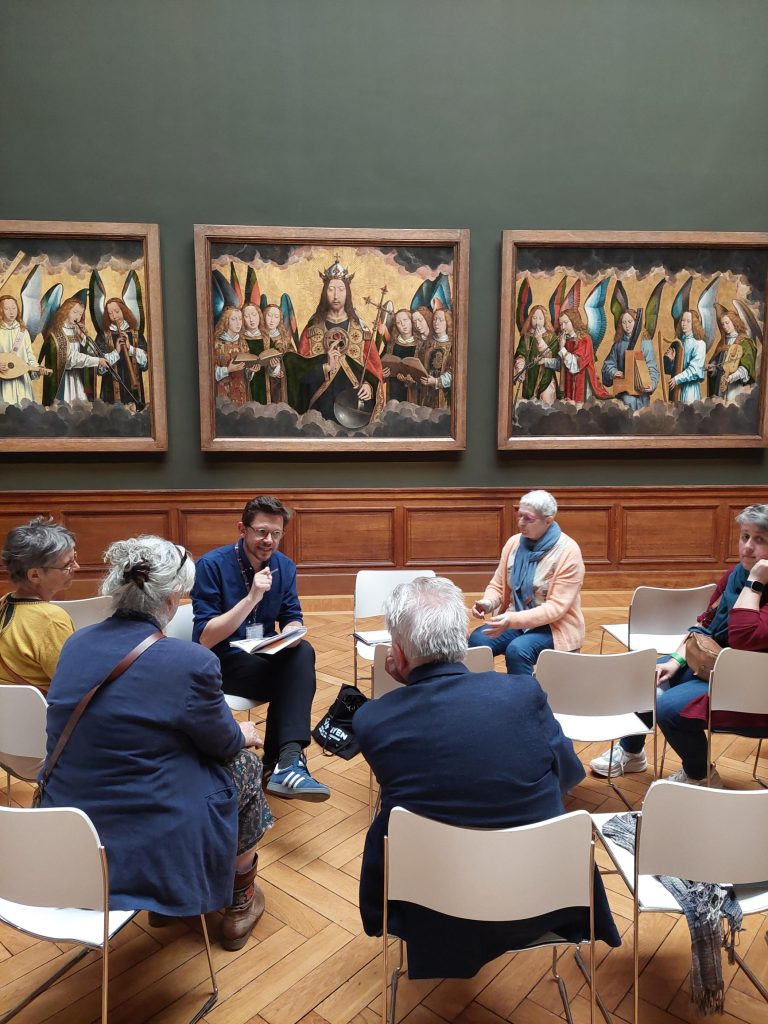
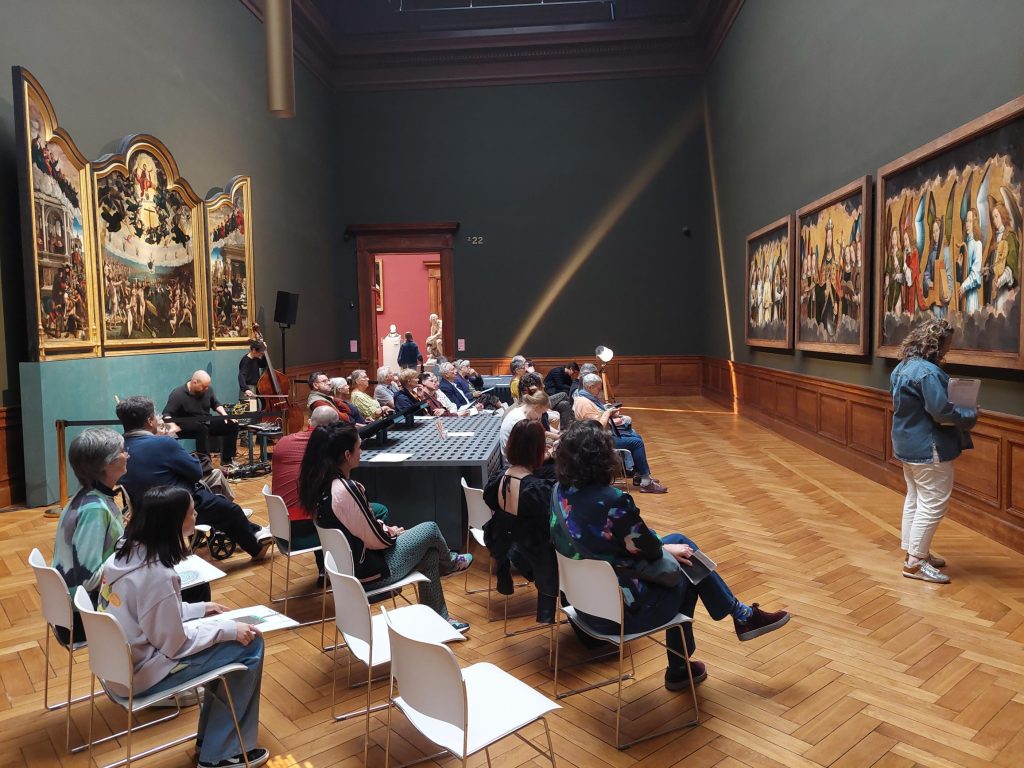
One of the highlights was an experimental program called “Slow Looking with Music.” Visitors spent an hour focusing on a monumental triptych by the 15th-century Flemish painter Hans Memling, while a live soundtrack was performed by the Belgian experimental band Monnik. The musicians performed from behind the audience so that all attention remained directed toward the artwork (note: we at Slow Art Day HQ wish we could have been there).

Electric guitars, analog synthesizers, effect pedals, and layered vocal sounds created an immersive soundscape that encouraged visitors to observe the painting slowly and thoughtfully. Participants were given printed prompts to guide their reflections, including questions such as: What do you see? What do you hear? What thoughts or feelings arise? slow_looking_prompts_music_KMSKA

After the musical performance, a museum guide facilitated a group discussion where visitors shared their interpretations and experiences.

In addition to this musical slow looking experiment, KMSKA organized several other Slow Art Day activities throughout the museum.

During “In Dialogue,” visitors sat together in front of a selected artwork by Belgian contemporary artist Hans Op de Beeck, guided by a museum educator who helped participants observe closely and discuss their impressions.

Another activity invited visitors to participate in a drawing tour through the exhibition spaces. With drawing prompts provided by a museum guide, participants of all skill levels used sketching as a way to slow down and connect with the artworks.

A literary component was also included. Museum staff member Sophie led a poetry session, reading selected poems alongside artworks and encouraging visitors to reflect on how language and visual art interact.

Finally, visitors could participate in Radio Bart, a special conversational format led by art lovers who are blind. Through discussion and thoughtful questioning, the Radio Bart hosts helped visitors experience artworks from new perspectives and notice details they might otherwise overlook.

Together, these varied programs demonstrated how many different paths can lead to slow looking. Whether through music, drawing, poetry, or spoken word and conversation (especially awesome for blind participants), visitors were encouraged to pause, reflect, and engage more deeply with the artworks around them.

We at Slow Art Day HQ are deeply grateful to the team at KMSKA for continuing to innovate around slow looking and for being such a long-standing leaders in our movement.

We look forward to what amazing design they come up with for Slow Art Day 2026.

— Ashley, Johanna, Jessica Jane, and Phyl

African Art and Haiku in South Africa

For their eighth Slow Art Day, Artichoke Gallery at MelonRouge in Magaliesburg, South Africa invited visitors to slow down with art and poetry at an interactive morning titled “Afriku: Slow Visions & Whispered Words.” The event paired slow looking at a curated selection of African artworks with a hands-on Japanese haiku writing workshop led by gallery owner Hannelie Sanders.

On Saturday, April 5, 2025, participants gathered in the gallery’s contemplative space to begin their slow looking experience. The exhibition offered a rich range of African art — from textured mixed-media works and figurative compositions to abstract pieces that emphasize line, pattern, and gesture. The diversity of the artworks created varied visual rhythms: some pieces invited attention to bold color and dynamic shapes; others unfolded quietly, revealing depth and nuance through closer observation.

As participants slowed down with individual works, they were encouraged to engage with formal elements such as surface texture, mark making, and spatial relationships, and with the emotional presence each piece carried. These visual qualities provided fertile ground for deep attention, allowing slow lookers to connect more intimately with what they saw.

After an initial period of quiet observation, Hannelie Sanders introduced the basics of Japanese haiku. Participants were then invited to translate what they noticed in the art into their own three-line poems, using mood, imagery, and sensory detail as inspiration. The morning’s workshop emphasized presence, patience, and creative response, encouraging people to let what they saw inform what they wrote.

Following the haiku writing, the group shared reflections over a light lunch. Many spoke of how slowing down shifted their perception, helping them notice details and relationships within the artworks that might otherwise go unseen. In a further celebration of creative engagement, the haiku poems crafted during the session were displayed alongside the exhibition for the remainder of its run through May 4, allowing poetry and visual art to exist side by side.

At Slow Art Day HQ, we appreciate how Afriku wove visual art with poetry (and lunch!) into the slow looking experience. We love that participants’ poems became part of the exhibition itself.

We look forward to seeing what Artichoke Gallery at MelonRouge comes up with for Slow Art Day 2026.

– Ashley, Johanna, Jessica Jane, and Phyl

P.S. Follow them on Facebook

Rainforest, Sculpture and Surrealism in Xilitla, Mexico

For their first Slow Art Day, the Museo Edward James, also known as Las Pozas, in Xilitla, Mexico hosted a contemplative experience titled “Finding Seclusia,” led by Beatriz Acosta.

The museum, which is dedicated to the legacy of Edward Frank Willis James, is set in a rainforest, and features towering surrealist sculptures amid pools and waterfalls.

That’s all we at Slow Art Day HQ need to know to jump on the plane to Xilitla (pronounced: hee-LEET-lah).

James, an eccentric British poet, artist, and patron of the Surrealist movement created the Edward James Sculpture Garden, Las Pozas, as a fusion of the organic and the artificial, merging jungle and concrete into a single, dreamlike environment where imagination and inner worlds could take physical form.

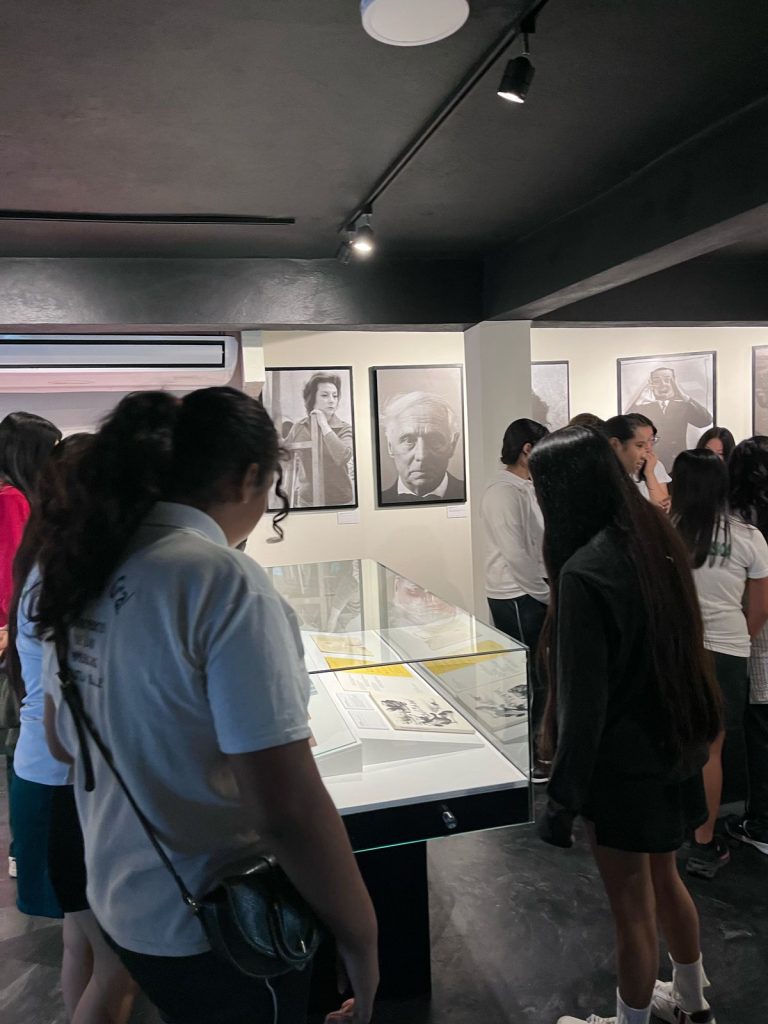
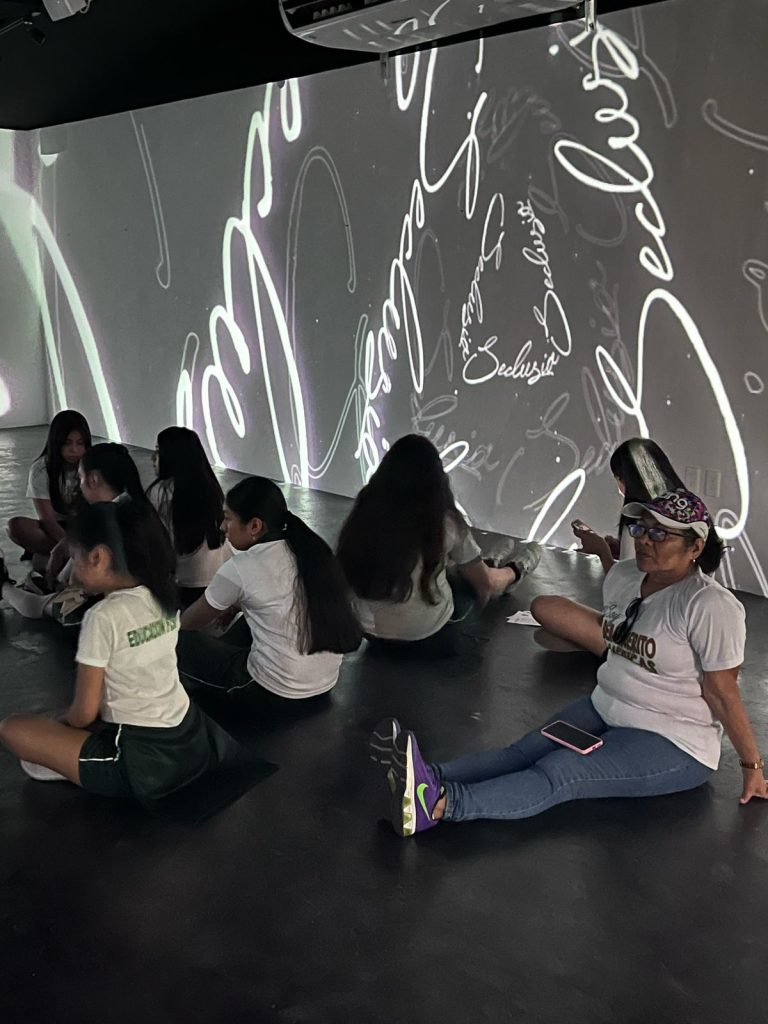
For their Slow Art Day, the museo welcomed a group of high school students through five carefully designed stations with unique slow-looking experiences. The session began in the Seclusia room with an introduction to the Slow Art Day movement and the power and purpose of slow looking. Participants also received a handout with prompts and spaces to write their notes throughout the experience.

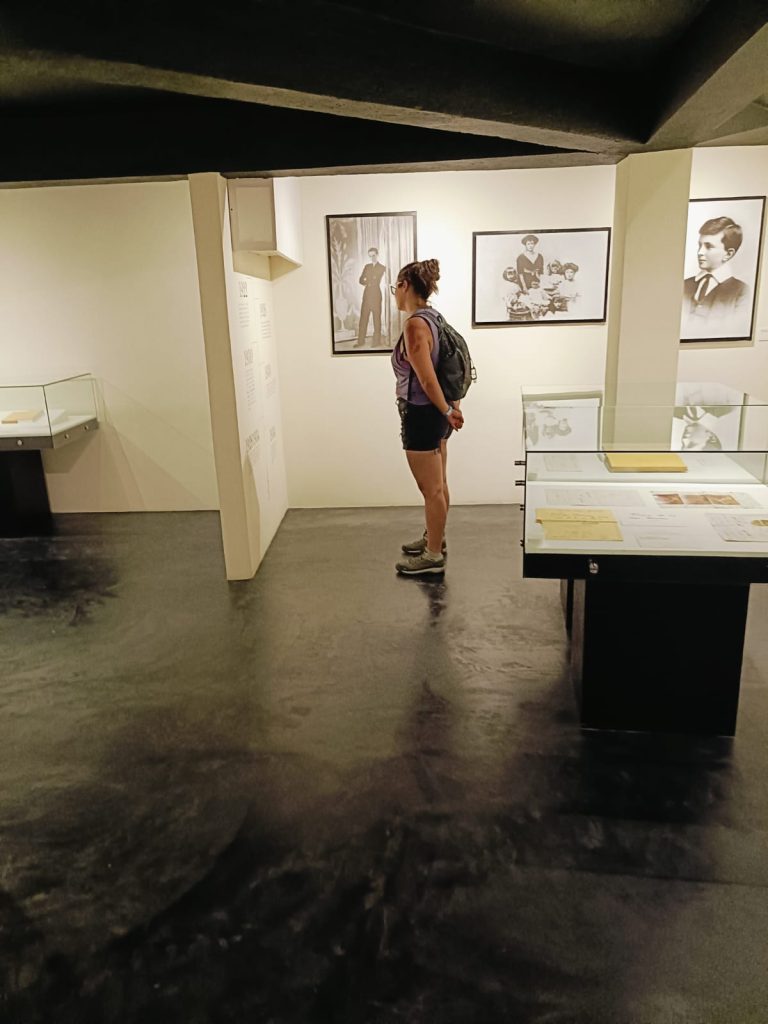
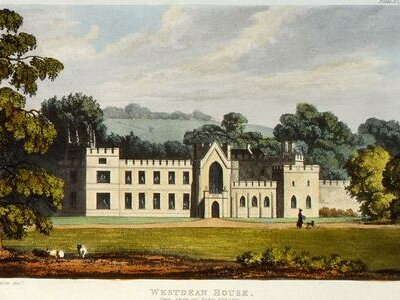
The first of the five stations focused on photographs of West Dean, Edward James’s childhood home. Participants explored James’s early life and family context, reflecting on how expansive spaces and environments can shape imagination and inner worlds.

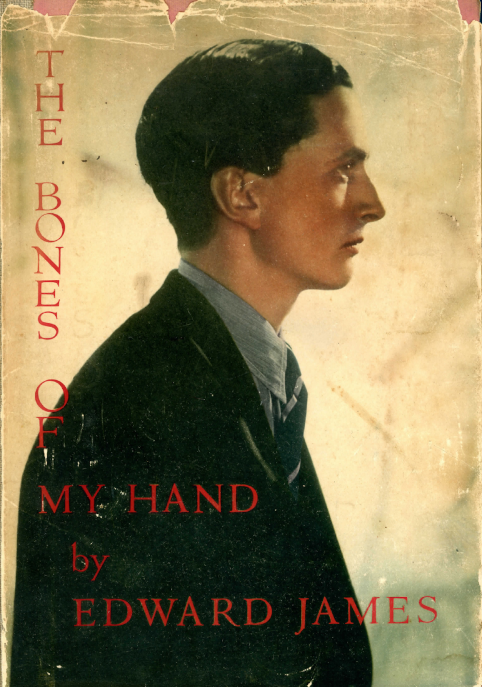
At the second station, participants spent quiet, individual time reading selections from the digital archive of James’s poetry book, The Bones of My Hands. This station emphasized attentive reading and personal interpretation, allowing each participant to engage with James’s words at their own pace.

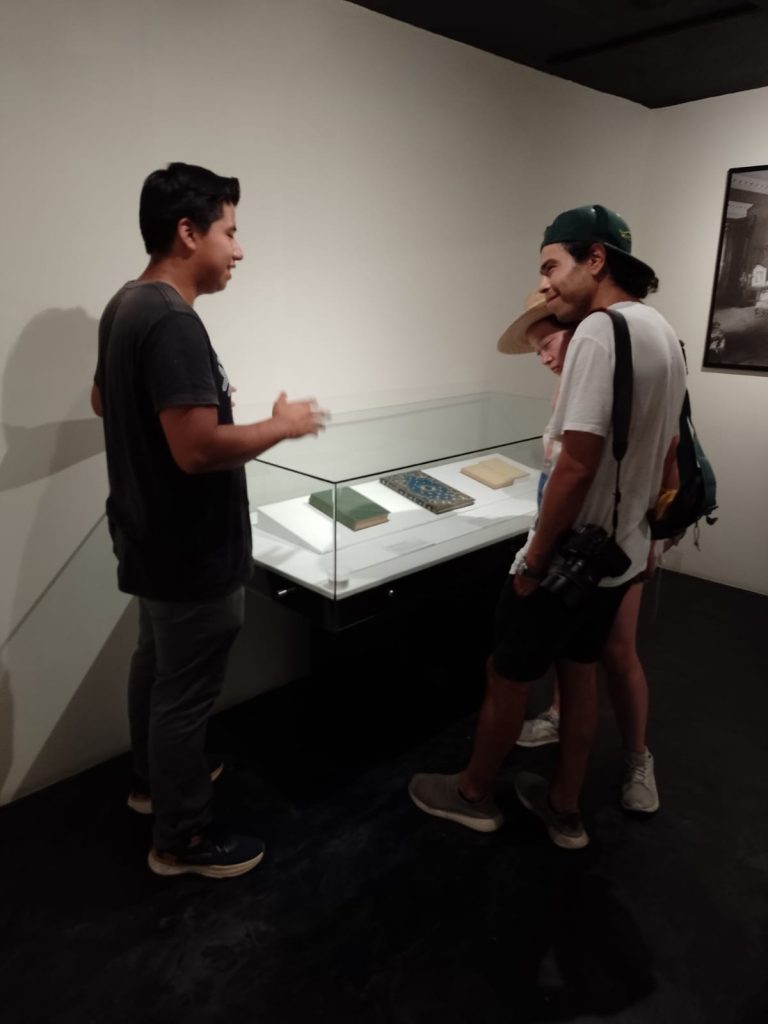
The third station centered on 14 original molds used in the creation of the sculpture garden. Participants closely observed the forms, textures, and details of the molds, considering how abstract ideas are translated into physical structures.

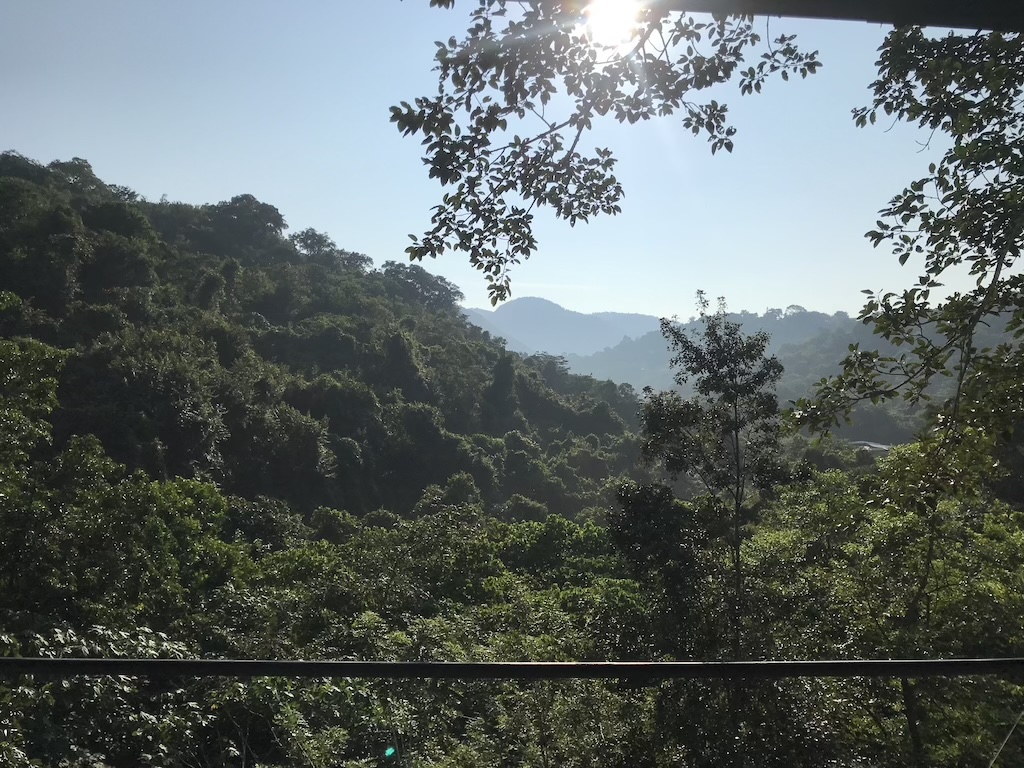
The fourth station took place on the museum balcony, where participants engaged in silent observation of the surrounding landscape. They were invited to notice sounds, colors, movement, and physical sensations, recognizing nature as an essential component of James’s creative universe.

View from the Museum.

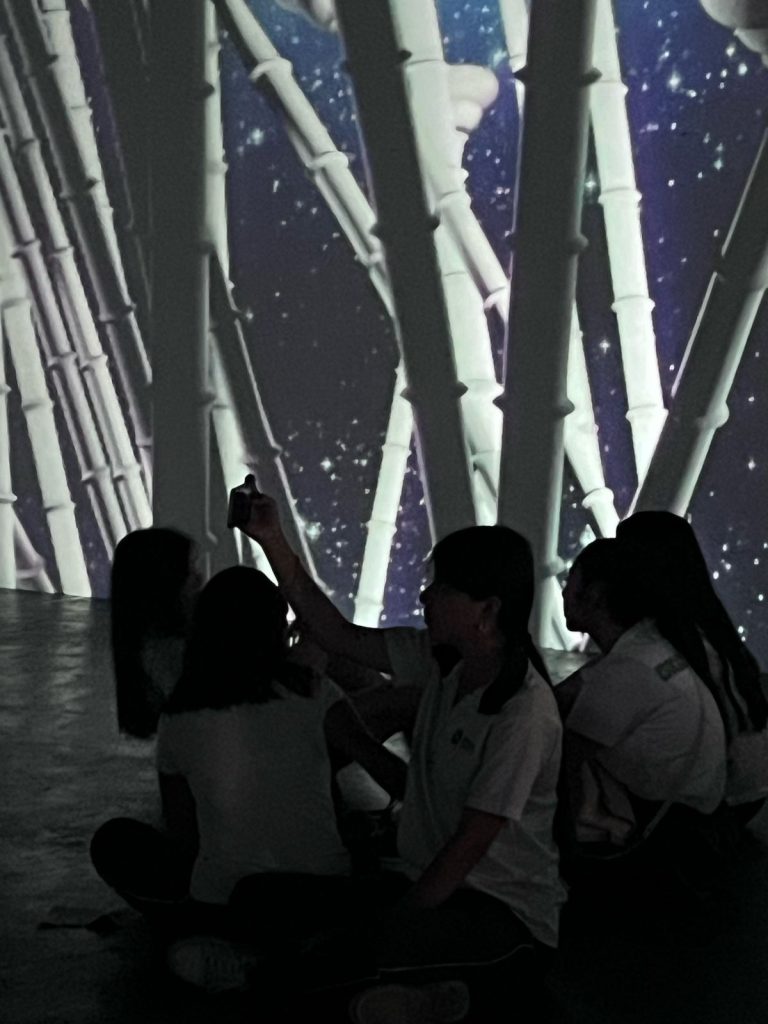
The final station consisted of a 15-minute immersive video, Seclusia, which explored themes of imagination, interior worlds, and the human desire to create a personal refuge. This concluding experience allowed participants to synthesize what they had encountered throughout the session.

We at Slow Art Day HQ love everything about this and look forward to seeing what creative design the Museo Edward James comes up with for Slow Art Day 2026.

– Ashley, Phyl, Jessica Jane, and Johanna

P.S. Follow them on their Instagram.

Art, Performance, and Community in Alkiza, Spain

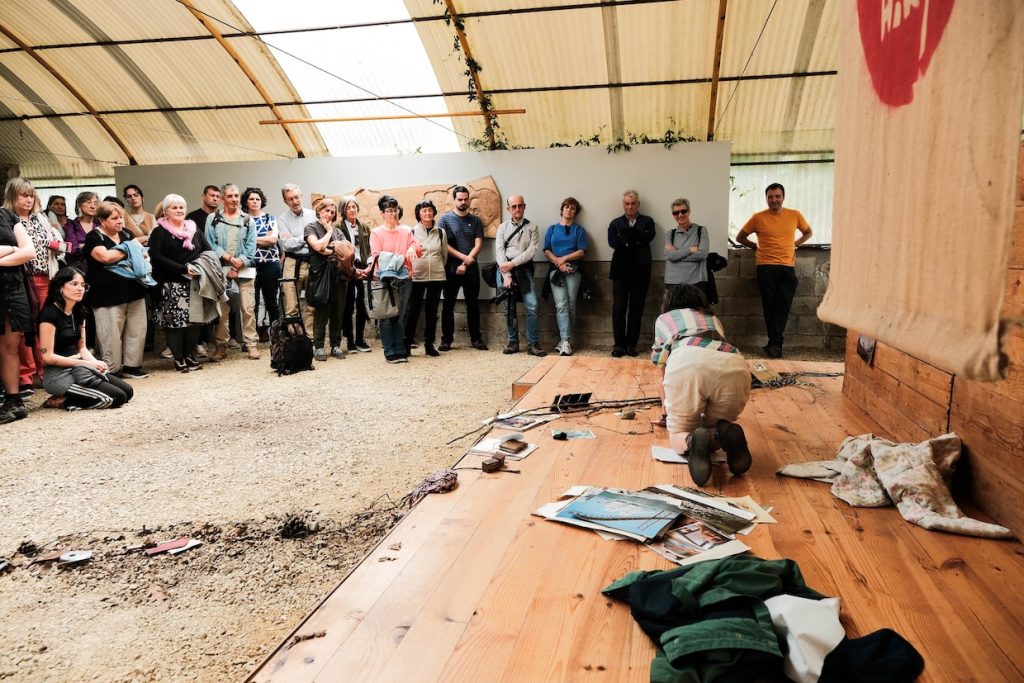
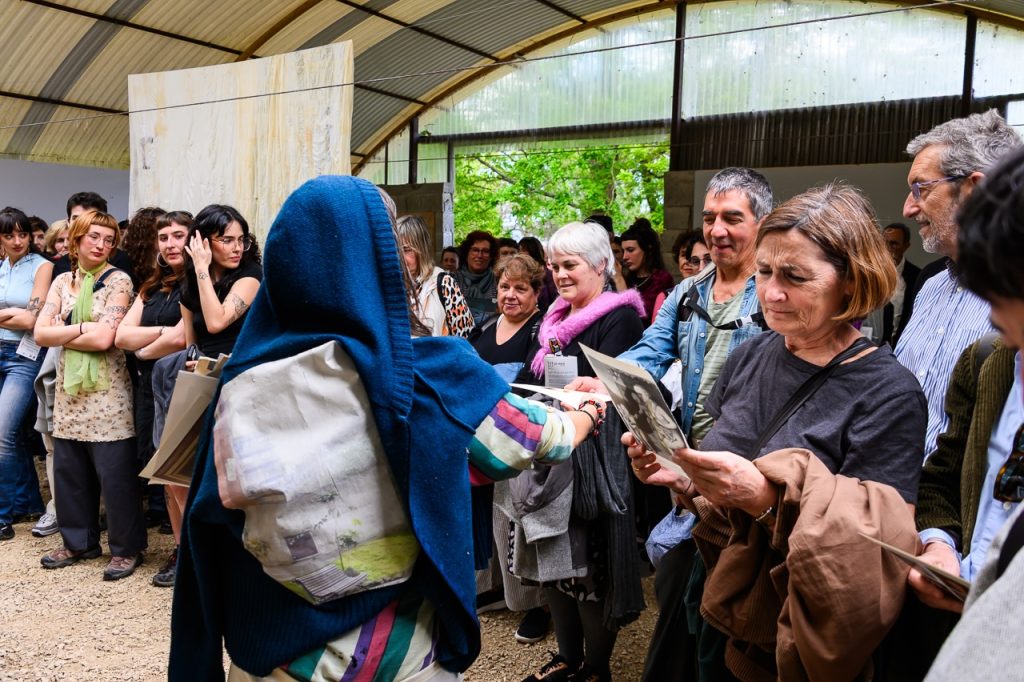
For their 10th Slow Art Day, Ur mara Museoa in Alkiza, Spain, hosted a gathering that combined exhibition, performance, and a shared meal in a single, community-centered experience.

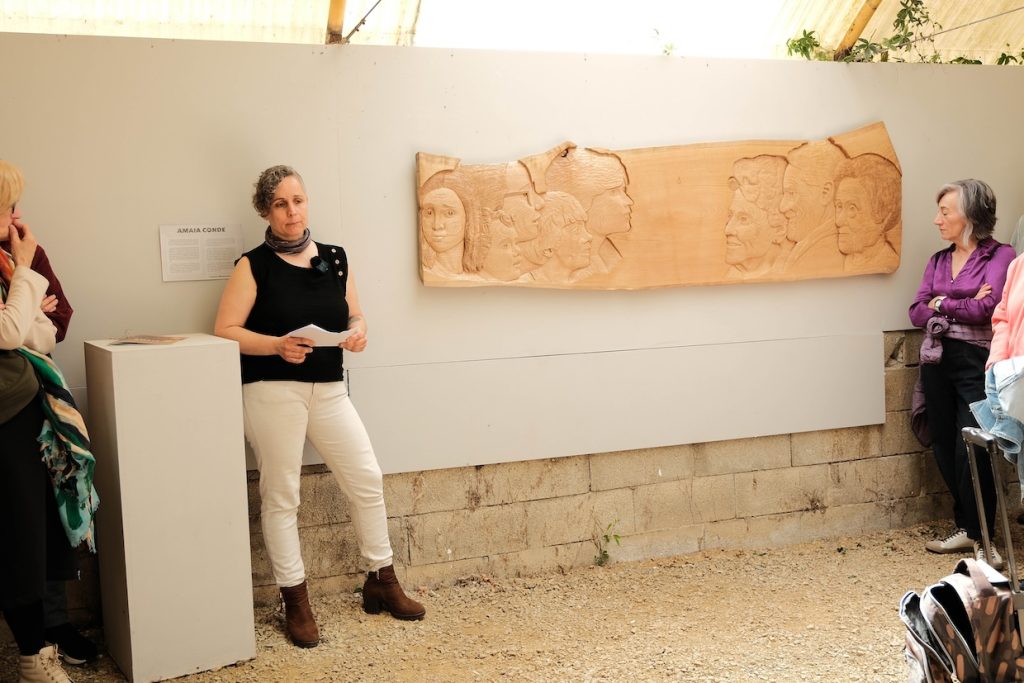
The event featured an exhibition by artists Ruth Anne Lopez, Amaia Conde, and Ainhoa Apezteguia, alongside a live performance by Leire Ugalde.

They put together a terrific video summary of the full day, which you can watch below.

Highlights included:

– A poetic reflection on touch and memory (0:59-2:08), using the metaphor of raindrops to explore how we interact with and preserve moments.

– An artistic piece focusing on skies and images (2:18-2:38), highlighting how images can capture what life cannot.

– An interview with artist Amaya Condechirt (2:51-3:36), who discusses her passion for wood carving and how her sculptures (3:03-3:18) explore the human form and complex life themes to bridge communication gaps in society.

– A sculptural work featuring older individuals and children (3:37-3:47), with one child breaking the fourth wall to question what they are being told, adding a touch of adolescent humor (3:48-3:56).

– A brief moment of reflection on new ideas and connections (4:41-4:50).

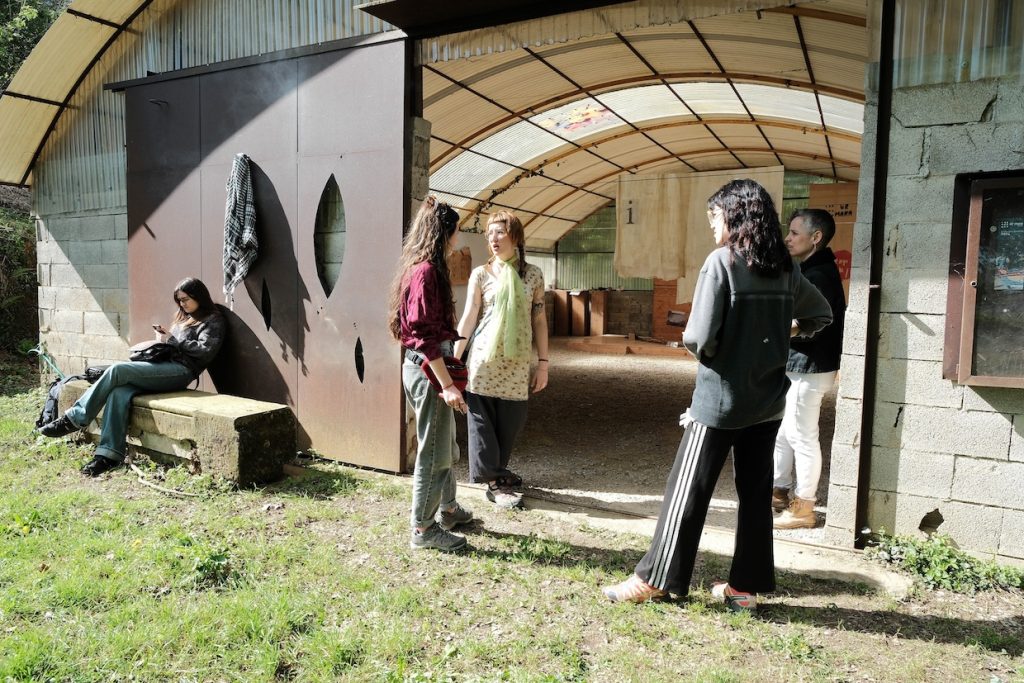
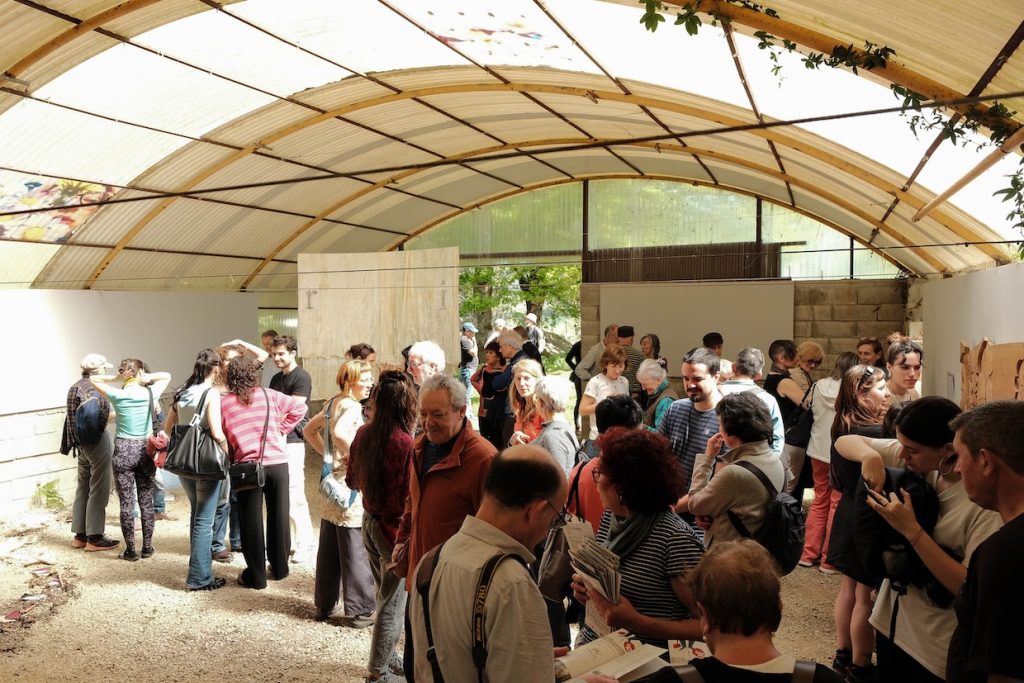
In addition, here are some still photos of the event.

As always with Ur Mara Museo, slow food was a part of the full day experience.

Thus, following the exhibition opening and performance, the museum organized a community lunch that brought together artists and visitors. The day as a whole reflected Ur mara Museoa’s mission, which we love, to connect contemporary artistic practice with local community life.

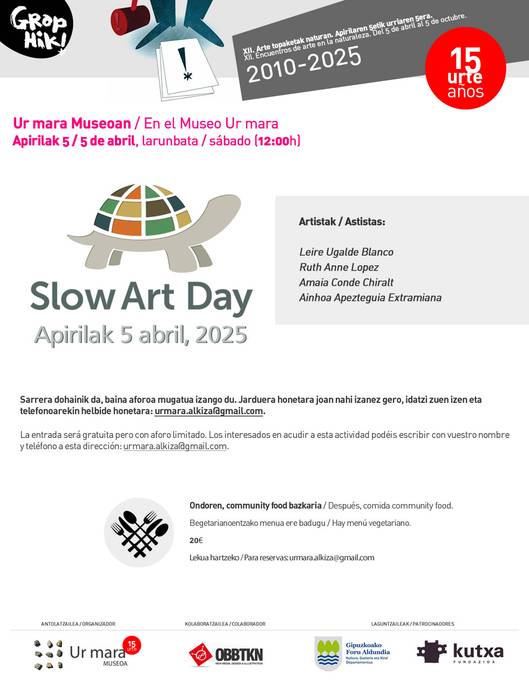
Below is their flyer for the event.

https://28kanala.tok-md.com/argazkiak/Gwx/cache/urmara_aprilak_5_tokikom_700x700.jpg

The museum shared documentation of the day through its social media channels, capturing both the exhibition and the collective atmosphere of the event.

We thank the team at Ur mara Museoa for their dedicated 10 years of leadership in the Slow Art Day movement. We look forward to seeing what they come up with for Slow Art Day 2026.

– Ashley, Johanna, Jessica Jane, and Phyl

P.S. Follow Ur mara Museoa on Instagram

100th Anniversary Celebration: Slow Art Day at El Nido Art Space (VC Projects)

For their second Slow Art Day, El Nido Art Space, presented by VC Projects, in Los Angeles celebrated the 100th birthday anniversary of artist and poet Sam Francis.

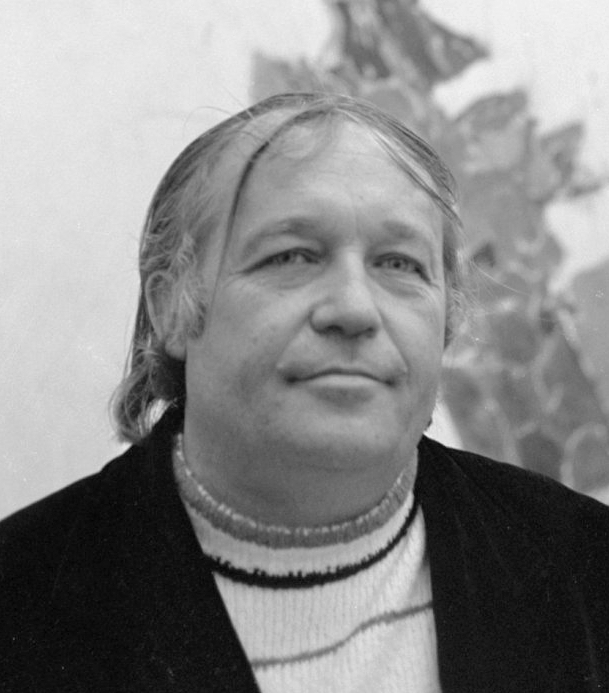
Sam Francis (1923 – 1994) — American painter and printmaker. Photographed in 1968. Photo: Eric Koch. CC BY-SA 3.0 nl

Ahead of Slow Art Day, one of Francis’ poems was sent to participating artists. They were invited to create a new artwork, dance, or song in a medium of their choice, inspired by the poem. The artists included:

Shane Guffogg – California
AKAT – Japan
Bjarni Sigurbjörnsson – Iceland
Mark van Drunick – Netherlands
Victoria Chapman – California

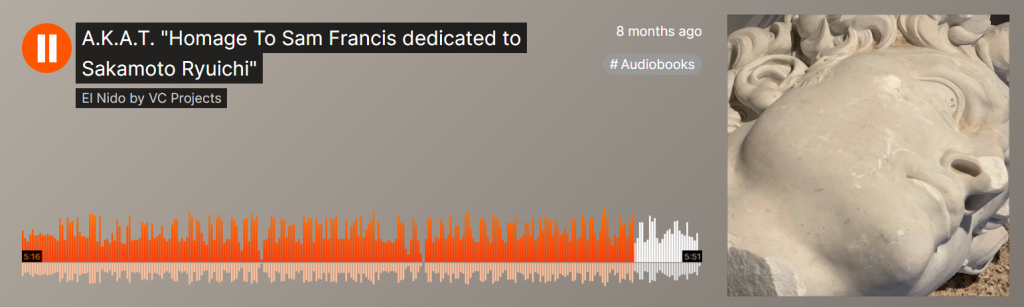
Here is the file containing the instructions and poem. Take a look for yourself, and read through it slowly (or listen to the poem through one of the artists’ interpretations, such as one of A.K.A.T’s recordings on SoundCloud).

The artists were given the following guidelines, also included in the document above:

1. Read the text slowly out loud

2. After reading, go outside or look through a window to see the sky (either day or night.)

3. Contemplate in silence

4. Create a work in any medium in reflection of this text

The responses included dance, song, and new paintings. VC Projects wrote a report following the event, which includes these responses. We also include a selection of them below.

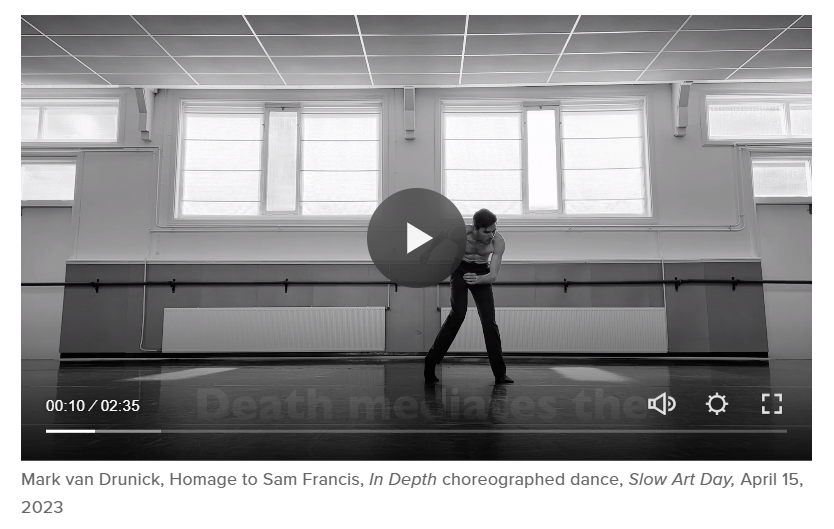
Mark van Drunick, a dancer from the Netherlands, interpreted a poem through dance. If you click directly on the still image below, you will be taken to the page where the video is viewable. Mark also included some of the text from the poem directly in the video, so that the viewer could follow it slowly as part of the experience.

A.K.A.T., a Japan-born artist who today resides in both L.A. and Tokyo, recorded two different versions of the poem being read out loud, with music and sound effects included. The first version is a recitation of the poem by A.K.A.T. (note: the recitation is whispered). In the second version, we hear the sound of A.K.A.T’s mother’s voice reciting the text (done in one take! This one is spoken at normal volume and has a calm and relaxing mood).

We highly recommend that you view the other contributions in the excellent report written by VC projects.

At Slow Art Day HQ, we love that artists were invited into a celebration of another artist as part of this Slow Art Day event. Why not try it yourself: How would you interpret Sam Francis’ poem?

We can’t wait to see what El Nido and VC Projects come up with for 2024 Slow Art Day.

-Johanna, Ashley, Jessica Jane, and Phyl

Philadelphia Museum of Art Combines Poetry, Music, and Visual Art

Philadelphia Museum of Art creatively integrated music and poetry with their 2019 Slow Art Day in celebration of National Poetry Month. 

“Since poems slow us down to consider individual words, phrases, and the structure of language, we thought this would be a great way to encourage slow looking,” said Greg Stuart, Museum Educator and Public Programs Coordinator.

Slow Art Day participants were asked to focus on a single work of art for 45 minutes while experiencing an in-gallery music performance. They were then also encouraged to participate in poetry writing workshops and a bookmaking program.

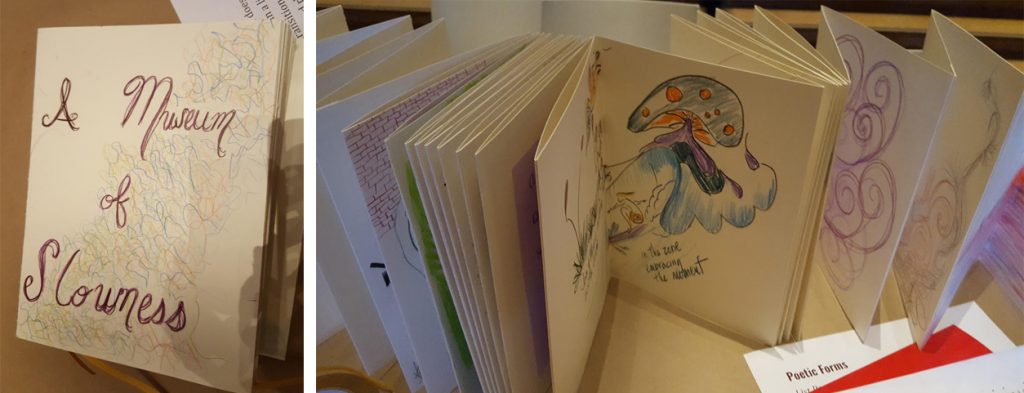
Candy Alexandra Gonzalez, a local poet and visual artist, encouraged participants to create a collaborative book by writing and drawing about things in their lives that they wished moved at a slower pace.

Collaborative book created by Slow Art Day participants.

One visitor said: 

“This was great for me and my eight year old daughter. It helped us look at the art more closely and talk about it together. Thank you!”

We couldn’t be happier to hear of such a successful multimedia, multi-sensory Slow Art Day, and look forward to what the Philadelphia Art Museum creates for Slow Art Day 2020.

Ashley