BYU Museum of Art: Four Ways to Slow Down in “Crossing the Divide”

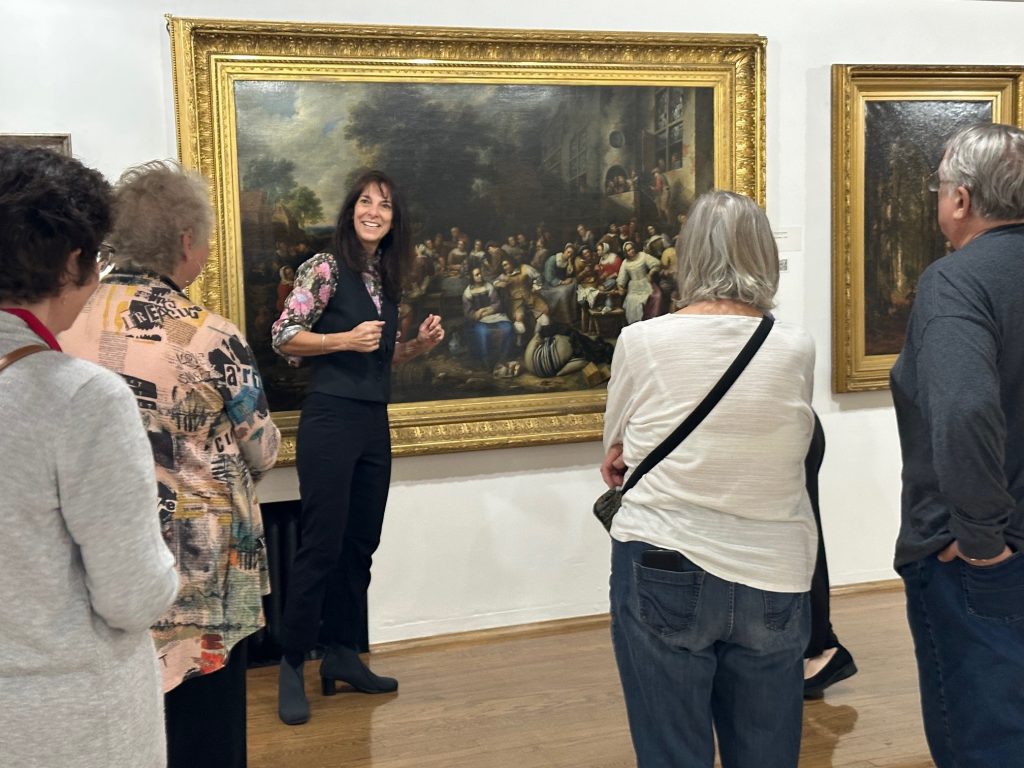
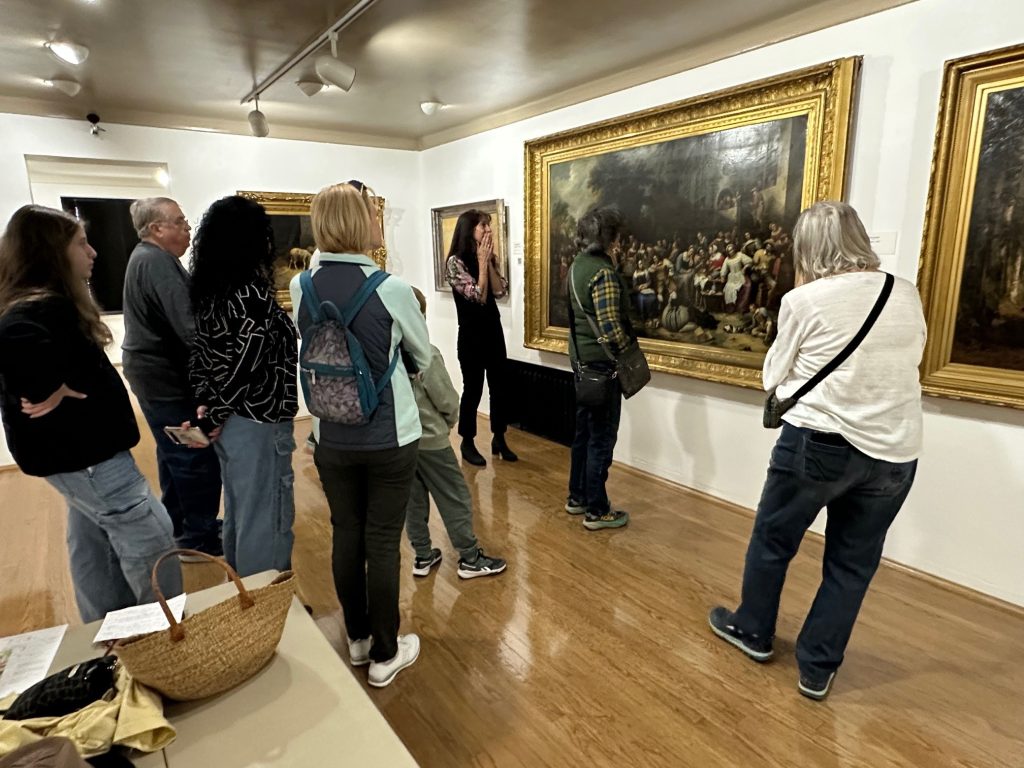
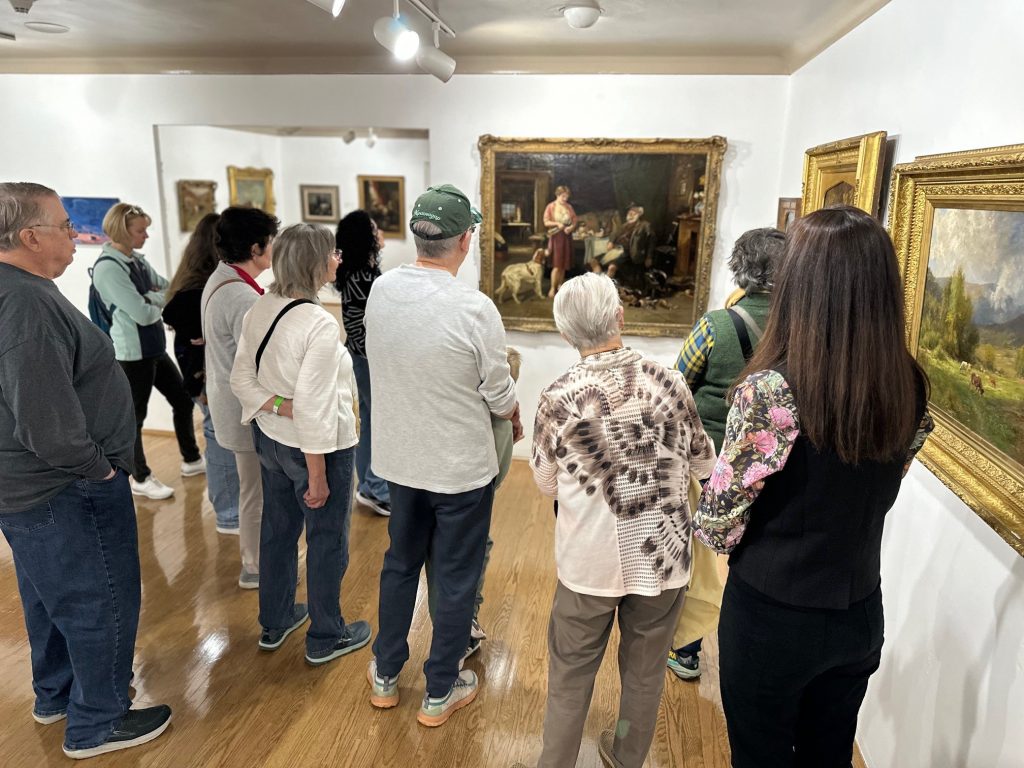
For their fourth Slow Art Day, the Brigham Young University Museum of Art in Provo, Utah celebrated from Monday, March 31 through Saturday, April 5 and invited visitors to practice slow looking using four different strategies and a small group of works in the Crossing the Divide exhibition on display on the main level of the museum.

Featured works:

  • “A Corner Window in a Pawn Shop” by Rose Hartwell (1893)
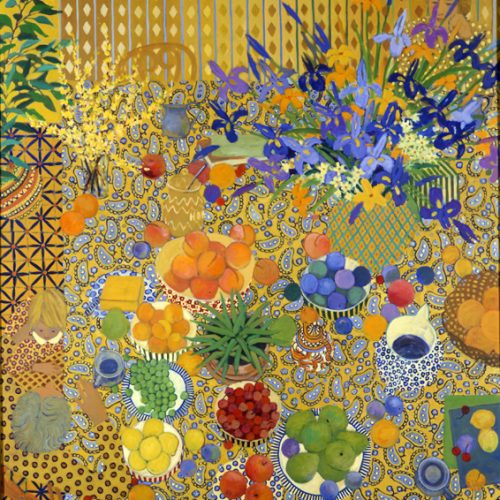
  • “Trifloria” by Jeanne Leighton-Lundberg Clarke (c. 1981)
  • “LOVE” by Robert Indiana (1973)
  • “View of Monterey Bay” by Raymond Dabb Yelland (1879)
  • “Great White Throne” by Phillip Henry Barkdull (1930)

Look Big

Image
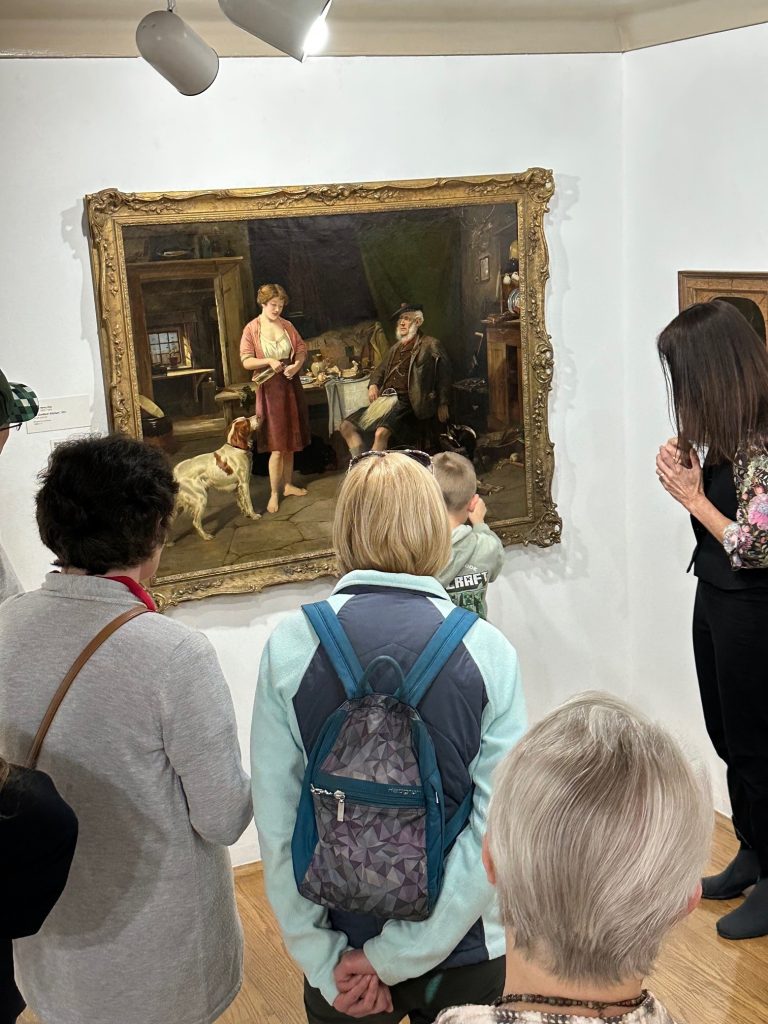
Rose Hartwell, A Corner Window in a Pawn Shop (1893), oil on canvas. Brigham Young University Museum of Art.

Visitors were encouraged to “cast a wide net” and examine every detail in Hartwell’s painting. The prompt challenged them to name ten different items for sale in the shop window — a structured way to slow down and notice complexity.

Narrow Your Focus

Image
Image

Jeanne Leighton-Lundberg Clarke, Trifloria (c. 1981), oil on canvas. Brigham Young University Museum of Art.

Here the instruction was the opposite: limit attention to colors, shapes, and patterns. By narrowing their focus, visitors discovered how repetition, contrast, and structure shape the viewing experience.

Change Your Perspective

Image
Image

Robert Indiana, LOVE (1973), aluminum. Brigham Young University Museum of Art.

Participants were invited to view Indiana’s sculpture from multiple angles, either in person or through online images. Altering physical perspective revealed new alignments of form and shadow.

Compare and Contrast

Image
Raymond Dabb Yelland, View of Monterey Bay, 1879, oil on canvas.
Image

Phillip Henry Barkdull, Great White Throne (1930), oil on canvas. Brigham Young University Museum of Art.

Image
Visitors looking, comparing and contrasting Yelland and Barkdull.

Visitors were prompted to compare subject, color, line, and composition between the two landscapes. This strategy encouraged noticing similarities and differences in mood, structure, and visual language.

After completing the activity, participants returned to the front desk to receive a small prize. All visitors selected a postcard or sticker featuring one of the works. Children also received a kaleidoscope, and adults chose between a museum pin or sticker.

At Slow Art Day HQ, we love that The BYU Museum of Art asked visitors to look with four different. That’s a great design for a thoughtful Slow Art Day.

We look forward to seeing what the BYU Museum of Art comes up with for Slow Art Day 2026.

– Ashley, Johanna, Jessica Jane, and Phyl

Rainforest, Sculpture and Surrealism in Xilitla, Mexico

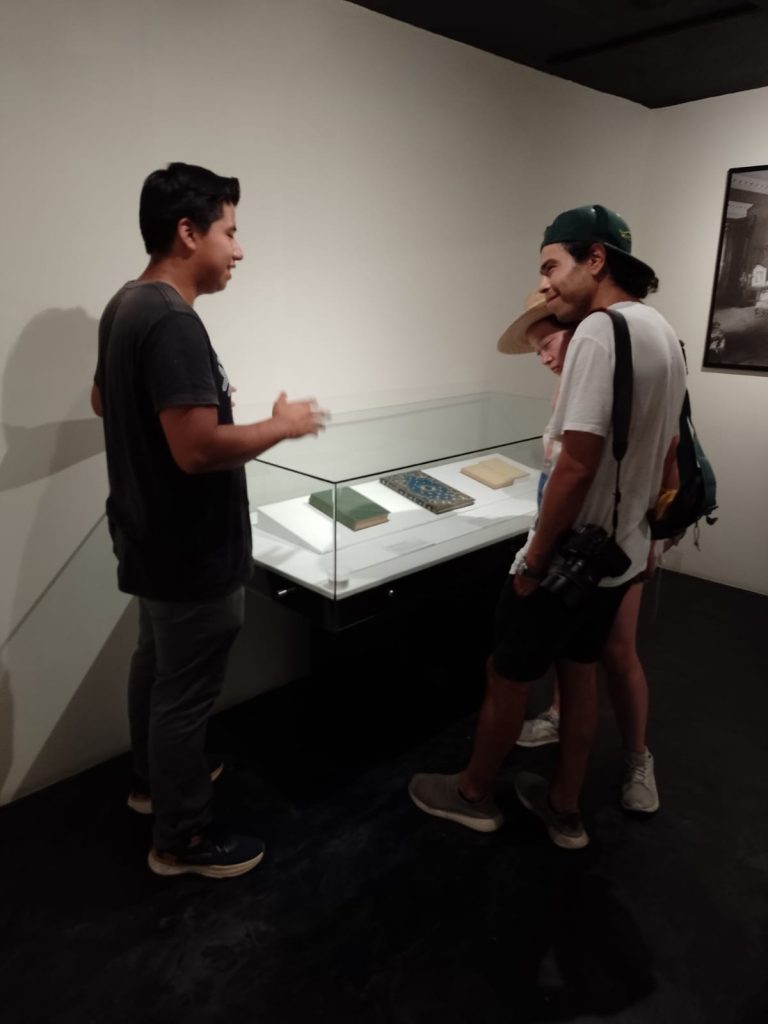
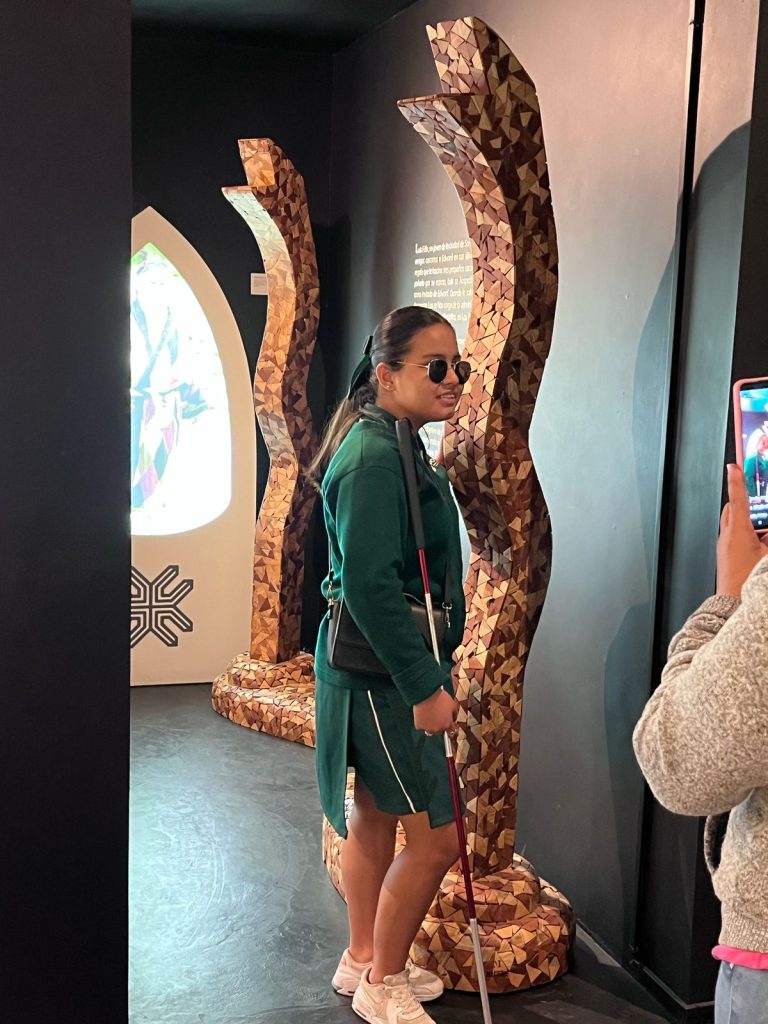
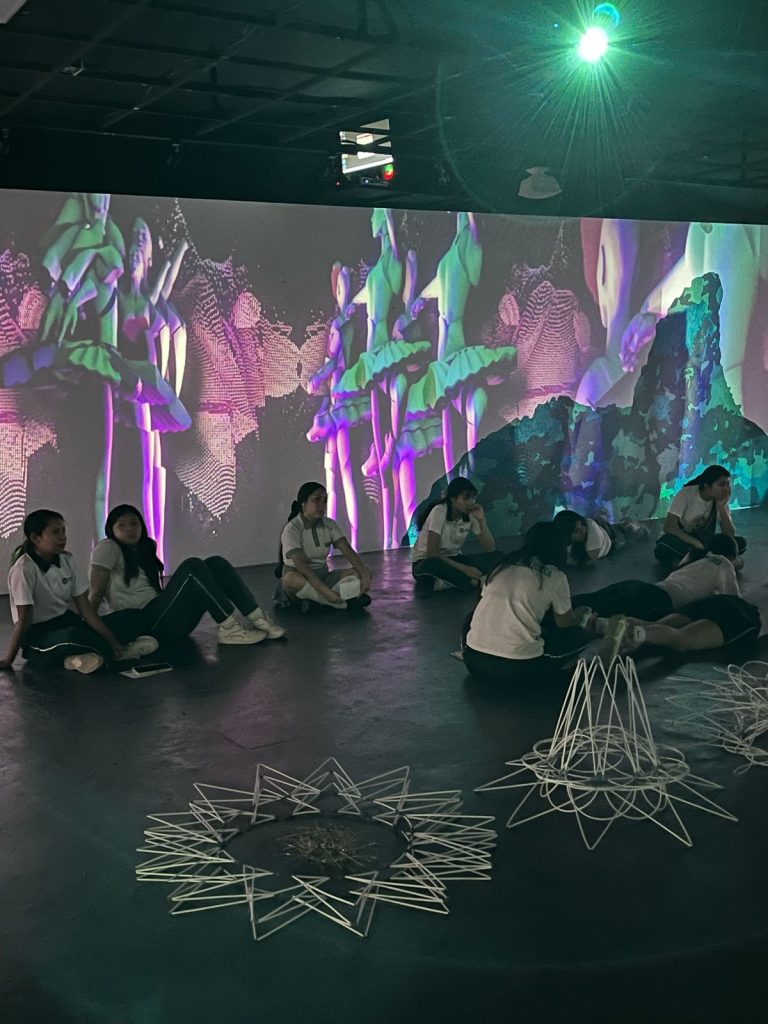
For their first Slow Art Day, the Museo Edward James, also known as Las Pozas, in Xilitla, Mexico hosted a contemplative experience titled “Finding Seclusia,” led by Beatriz Acosta.

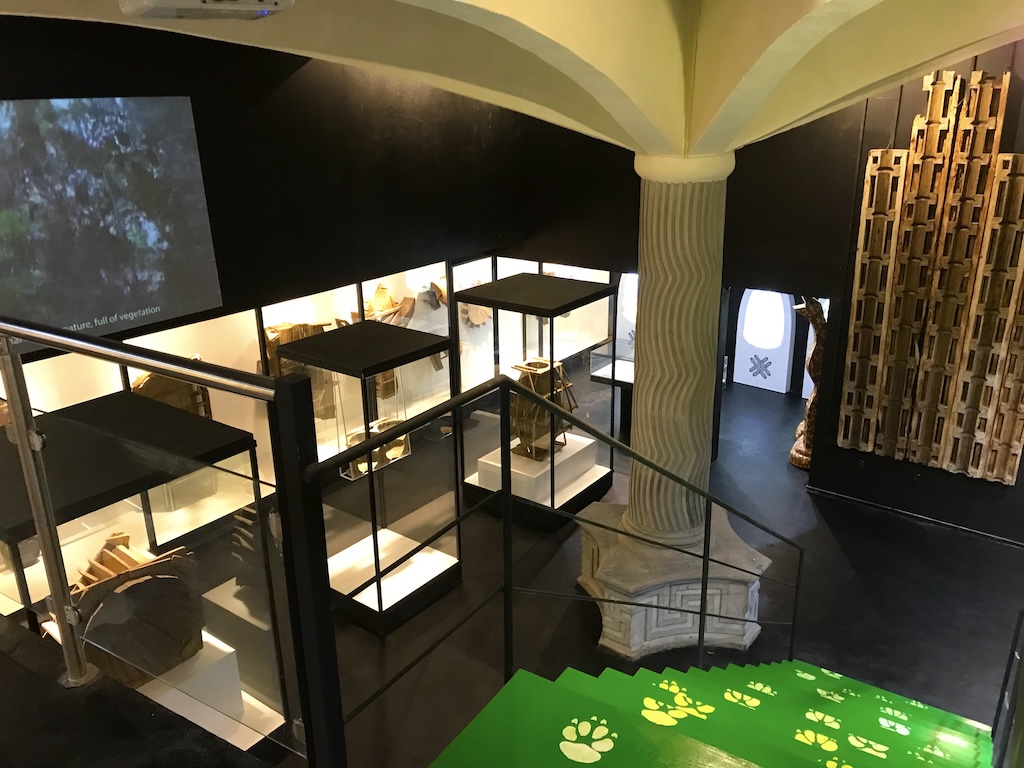
The museum, which is dedicated to the legacy of Edward Frank Willis James, is set in a rainforest, and features towering surrealist sculptures amid pools and waterfalls.

That’s all we at Slow Art Day HQ need to know to jump on the plane to Xilitla (pronounced: hee-LEET-lah).

James, an eccentric British poet, artist, and patron of the Surrealist movement created the Edward James Sculpture Garden, Las Pozas, as a fusion of the organic and the artificial, merging jungle and concrete into a single, dreamlike environment where imagination and inner worlds could take physical form.

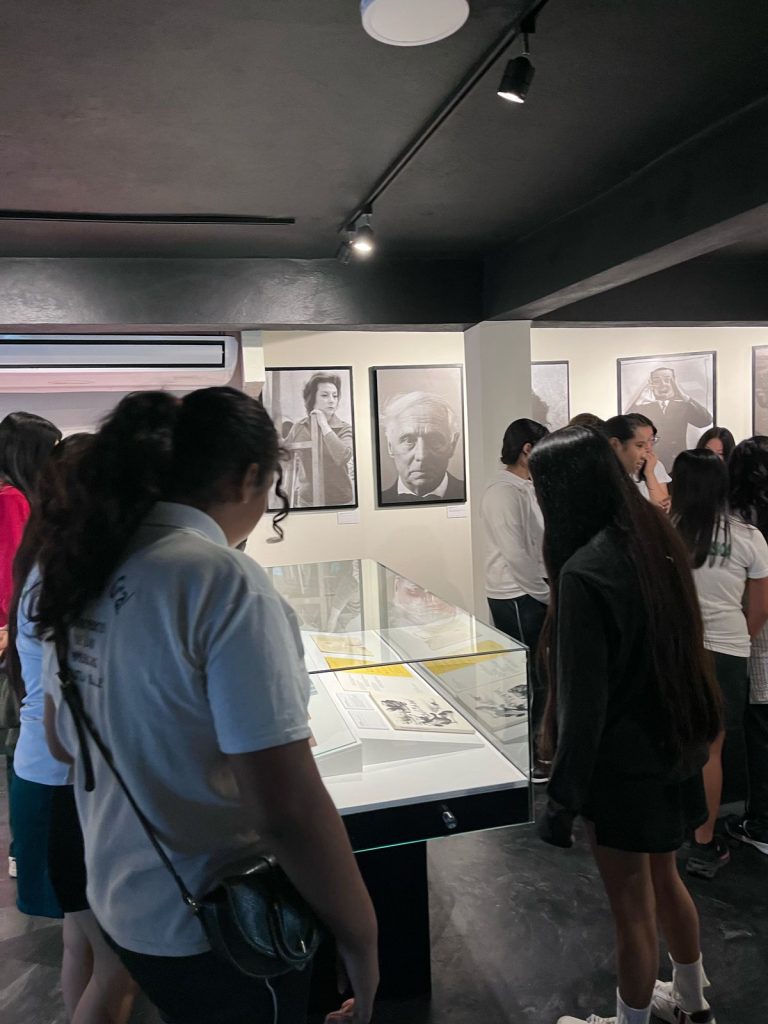
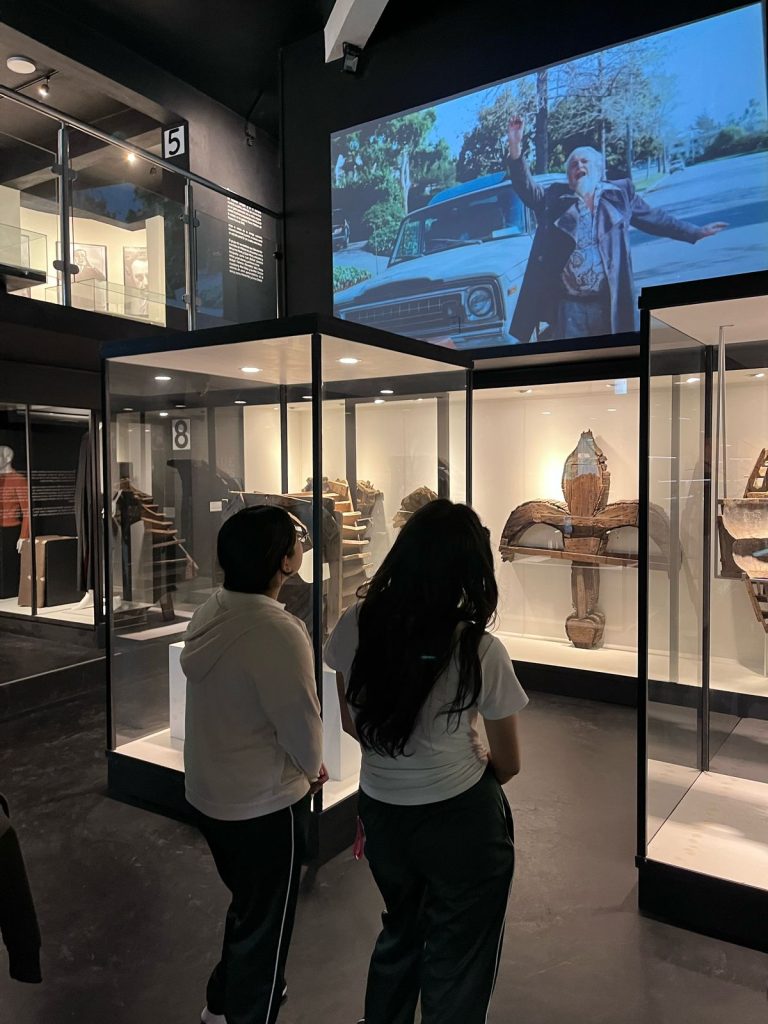
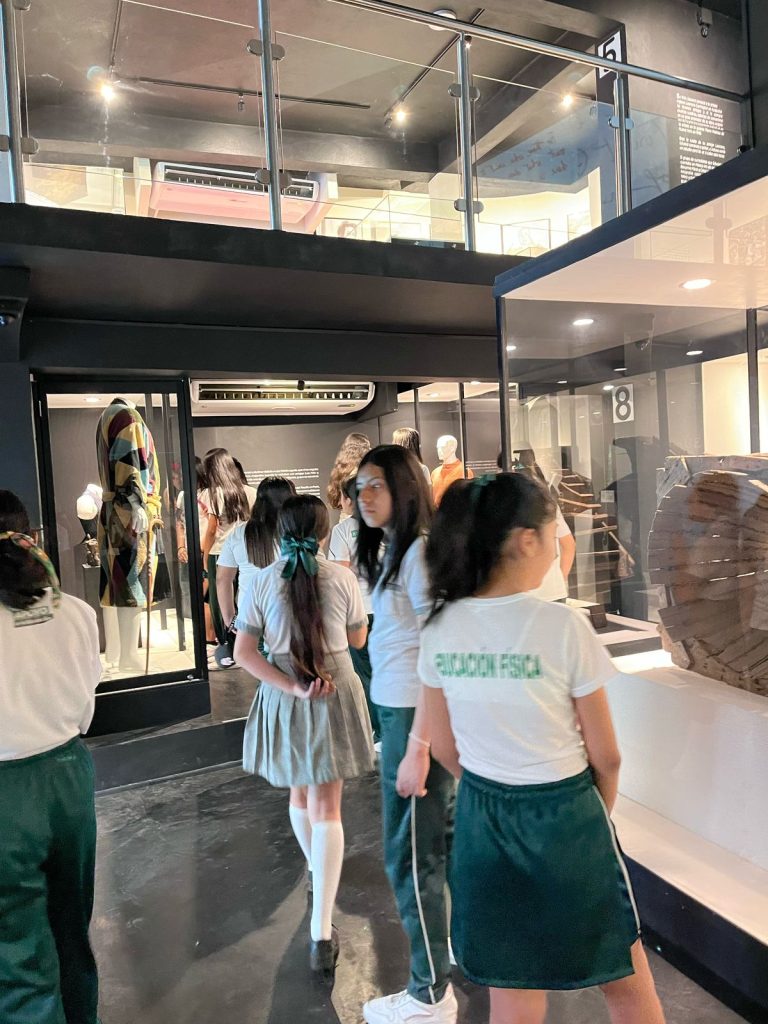
For their Slow Art Day, the museo welcomed a group of high school students through five carefully designed stations with unique slow-looking experiences. The session began in the Seclusia room with an introduction to the Slow Art Day movement and the power and purpose of slow looking. Participants also received a handout with prompts and spaces to write their notes throughout the experience.

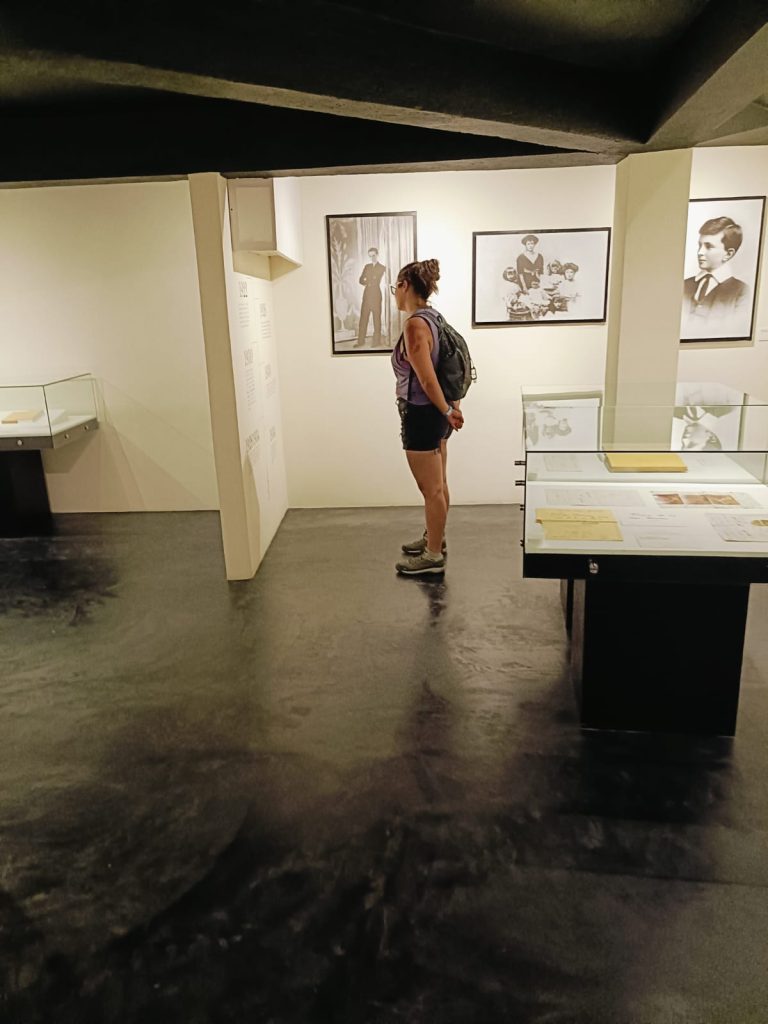
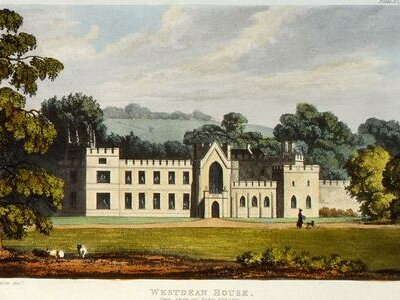
The first of the five stations focused on photographs of West Dean, Edward James’s childhood home. Participants explored James’s early life and family context, reflecting on how expansive spaces and environments can shape imagination and inner worlds.

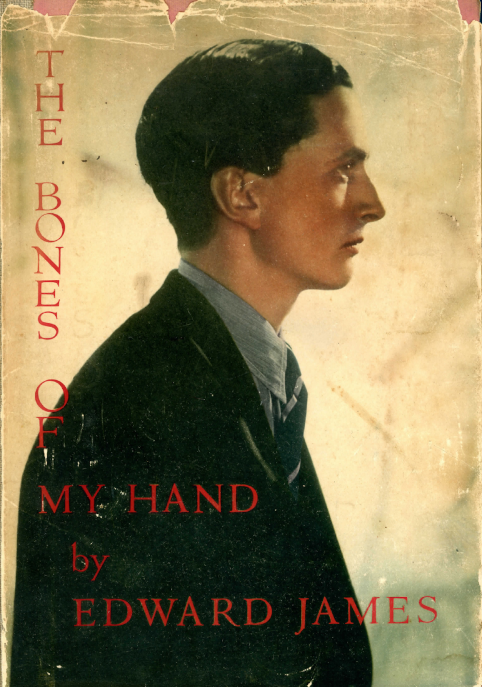
At the second station, participants spent quiet, individual time reading selections from the digital archive of James’s poetry book, The Bones of My Hands. This station emphasized attentive reading and personal interpretation, allowing each participant to engage with James’s words at their own pace.

The third station centered on 14 original molds used in the creation of the sculpture garden. Participants closely observed the forms, textures, and details of the molds, considering how abstract ideas are translated into physical structures.

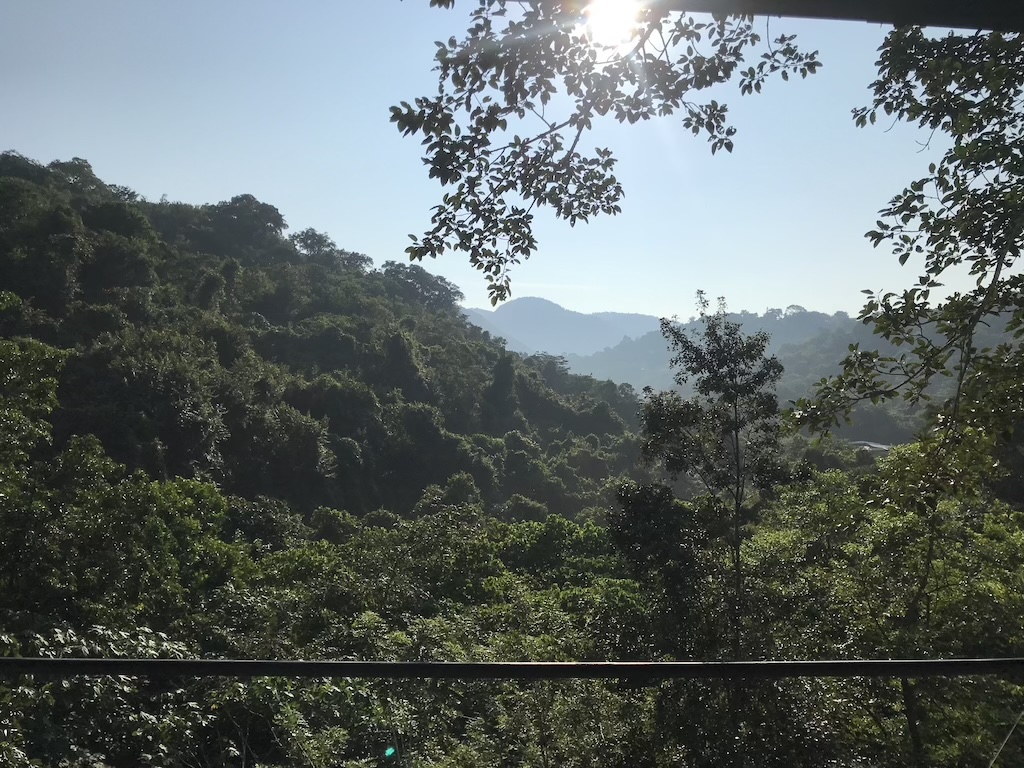
The fourth station took place on the museum balcony, where participants engaged in silent observation of the surrounding landscape. They were invited to notice sounds, colors, movement, and physical sensations, recognizing nature as an essential component of James’s creative universe.

View from the Museum.

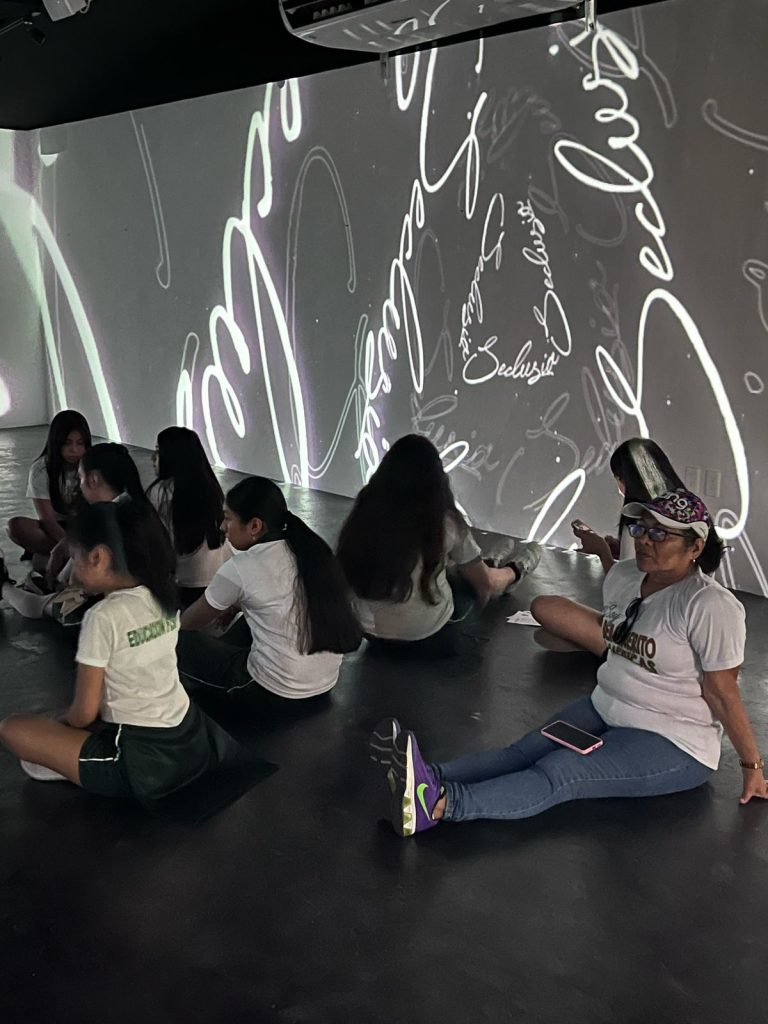
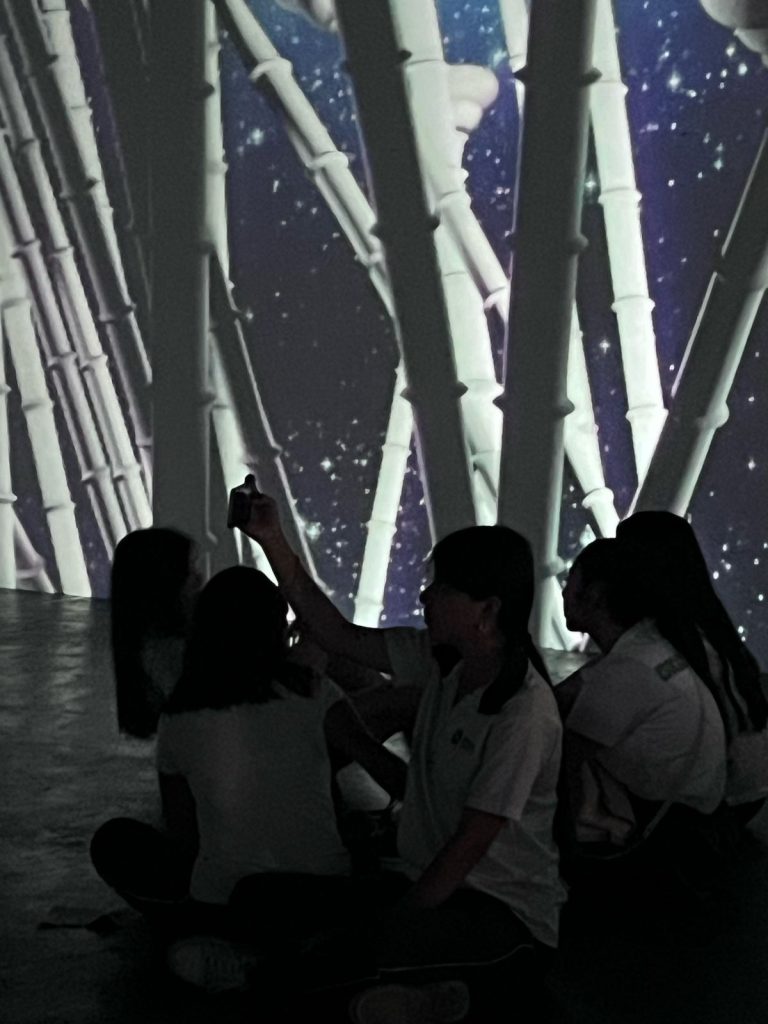
The final station consisted of a 15-minute immersive video, Seclusia, which explored themes of imagination, interior worlds, and the human desire to create a personal refuge. This concluding experience allowed participants to synthesize what they had encountered throughout the session.

We at Slow Art Day HQ love everything about this and look forward to seeing what creative design the Museo Edward James comes up with for Slow Art Day 2026.

– Ashley, Phyl, Jessica Jane, and Johanna

P.S. Follow them on their Instagram.

Art, Performance, and Community in Alkiza, Spain

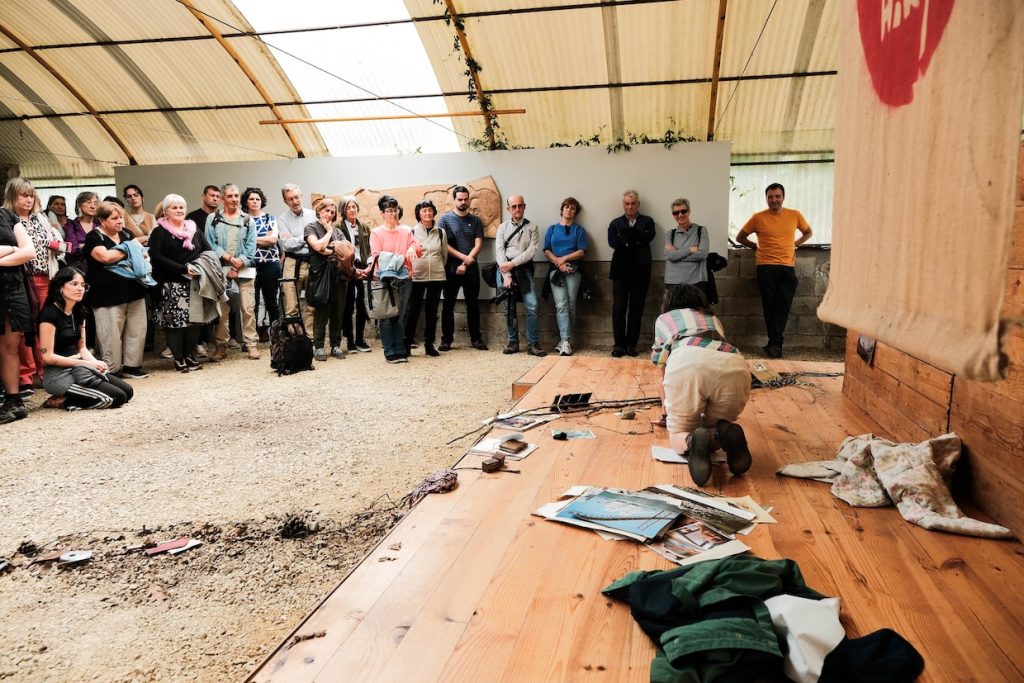
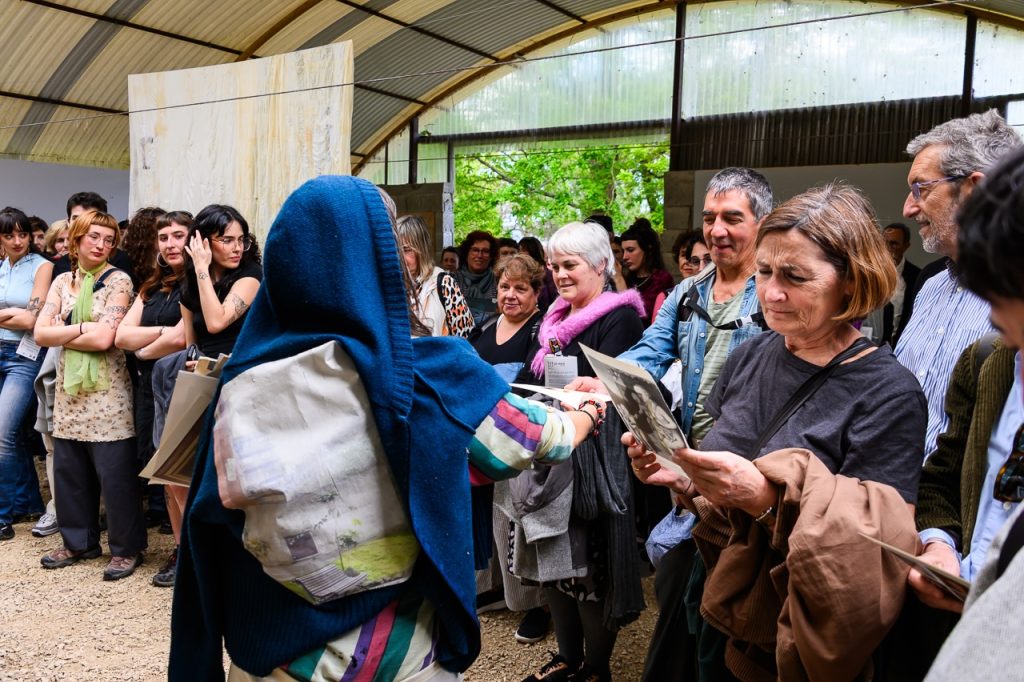
For their 10th Slow Art Day, Ur mara Museoa in Alkiza, Spain, hosted a gathering that combined exhibition, performance, and a shared meal in a single, community-centered experience.

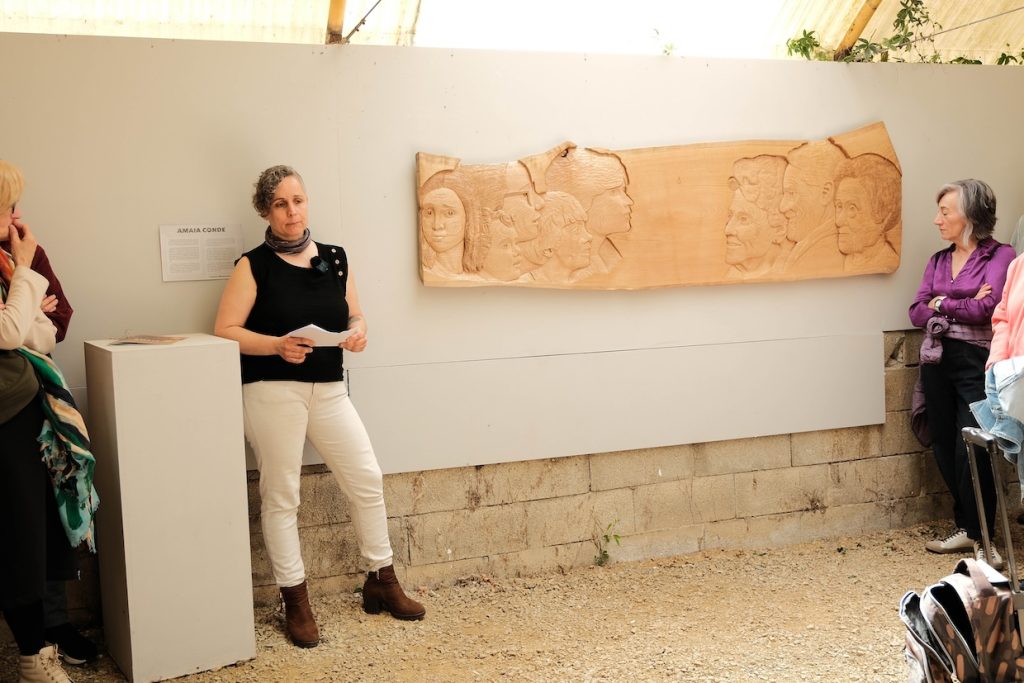
The event featured an exhibition by artists Ruth Anne Lopez, Amaia Conde, and Ainhoa Apezteguia, alongside a live performance by Leire Ugalde.

They put together a terrific video summary of the full day, which you can watch below.

Highlights included:

– A poetic reflection on touch and memory (0:59-2:08), using the metaphor of raindrops to explore how we interact with and preserve moments.

– An artistic piece focusing on skies and images (2:18-2:38), highlighting how images can capture what life cannot.

– An interview with artist Amaya Condechirt (2:51-3:36), who discusses her passion for wood carving and how her sculptures (3:03-3:18) explore the human form and complex life themes to bridge communication gaps in society.

– A sculptural work featuring older individuals and children (3:37-3:47), with one child breaking the fourth wall to question what they are being told, adding a touch of adolescent humor (3:48-3:56).

– A brief moment of reflection on new ideas and connections (4:41-4:50).

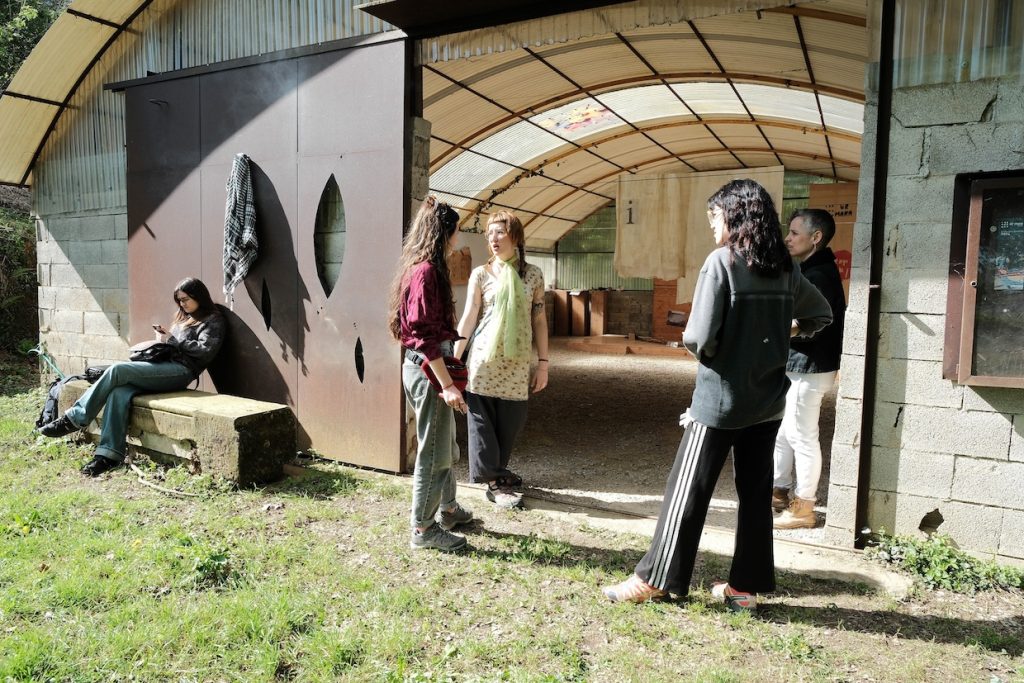
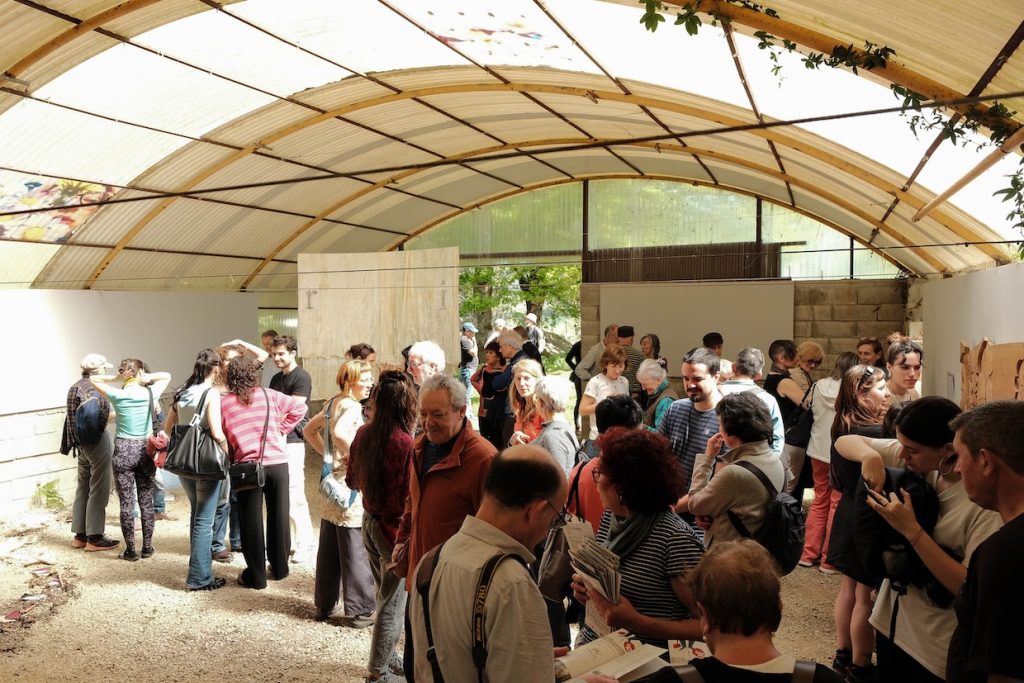
In addition, here are some still photos of the event.

As always with Ur Mara Museo, slow food was a part of the full day experience.

Thus, following the exhibition opening and performance, the museum organized a community lunch that brought together artists and visitors. The day as a whole reflected Ur mara Museoa’s mission, which we love, to connect contemporary artistic practice with local community life.

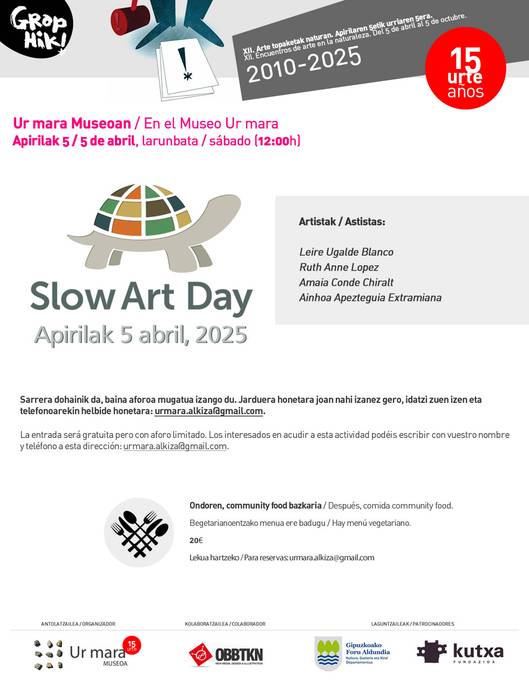
Below is their flyer for the event.

https://28kanala.tok-md.com/argazkiak/Gwx/cache/urmara_aprilak_5_tokikom_700x700.jpg

The museum shared documentation of the day through its social media channels, capturing both the exhibition and the collective atmosphere of the event.

We thank the team at Ur mara Museoa for their dedicated 10 years of leadership in the Slow Art Day movement. We look forward to seeing what they come up with for Slow Art Day 2026.

– Ashley, Johanna, Jessica Jane, and Phyl

P.S. Follow Ur mara Museoa on Instagram

Meditation and Slow Making at Gothenburg Museum of Art

The Gothenburg Museum of Art in Gothenburg, Sweden, participated in Slow Art Day 2025 by offering two structured activities for adults and children. The program combined guided meditation, slow looking in the galleries, and hands-on making in the studio.
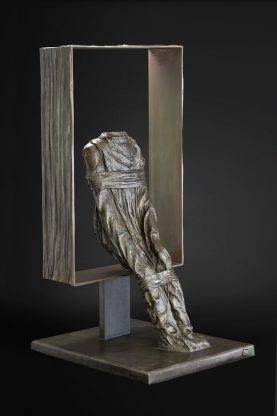
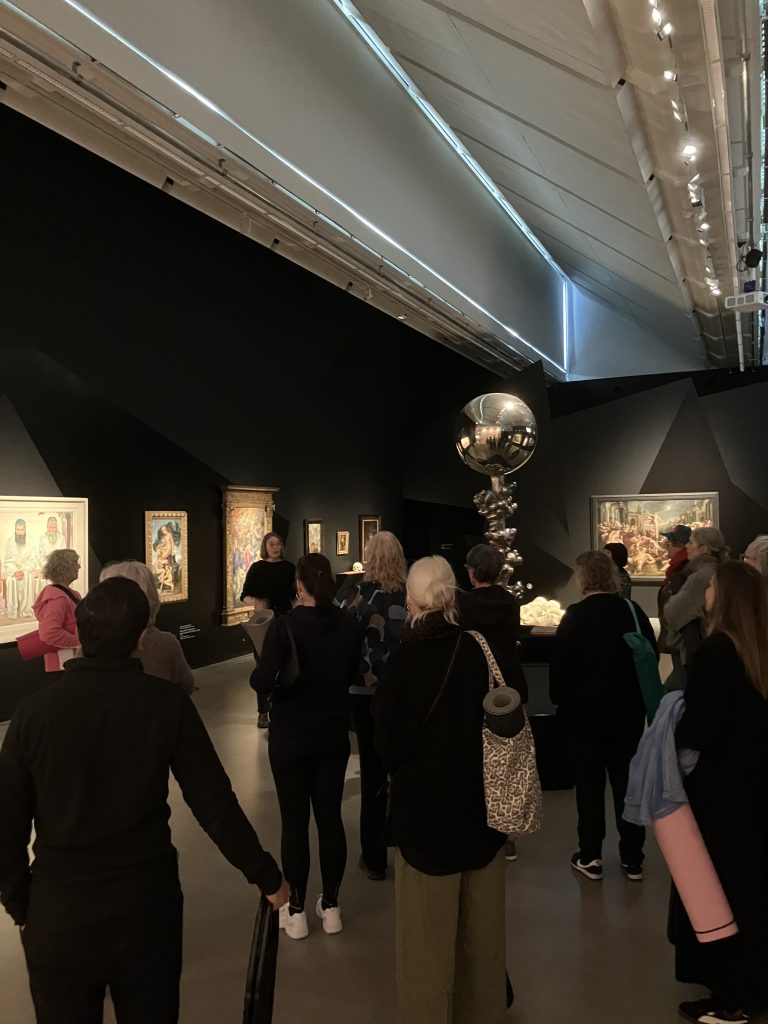
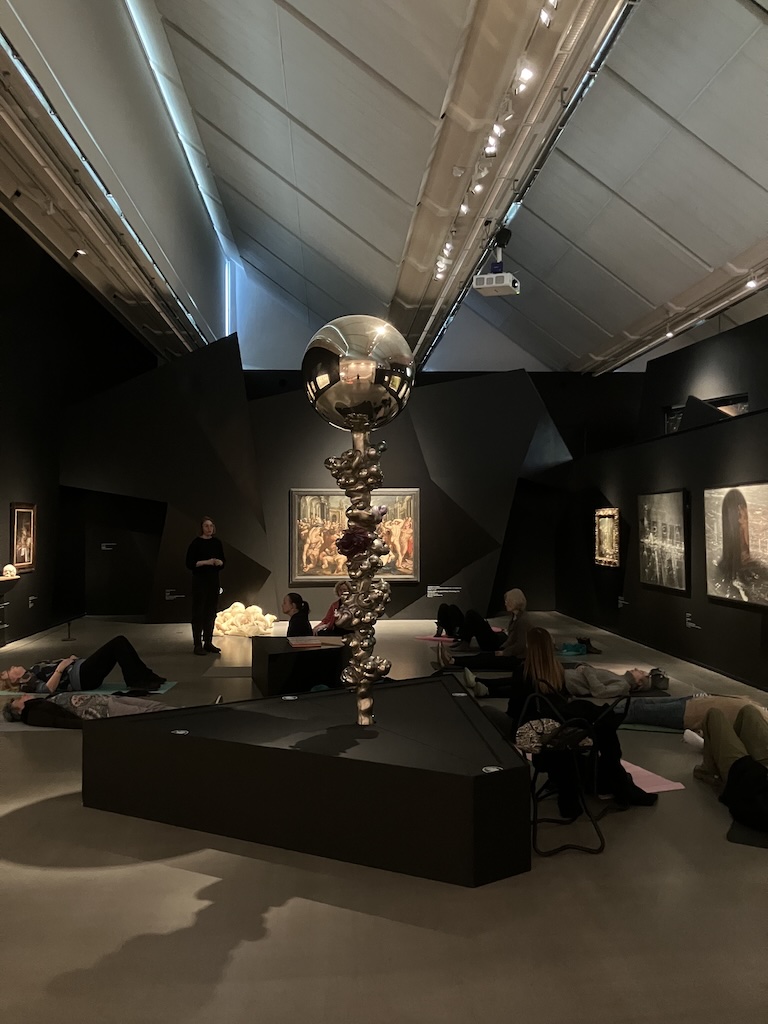
The group gathered in front of Oracle, a sculpture by Norwegian artist Jone Kvie, on view in the exhibition Apocalypse: From Last Judgement to Climate Threat.
Photo by Linda Noreen.

For adult participants, the museum hosted a guided meditation led by Pernilla Ljungkvist, artist and yoga teacher, around the sculpture. Through stillness and focused attention, participants were invited to engage with the sculpture more deliberately.

Participants practicing yoga. Photo by Linda Noreen.

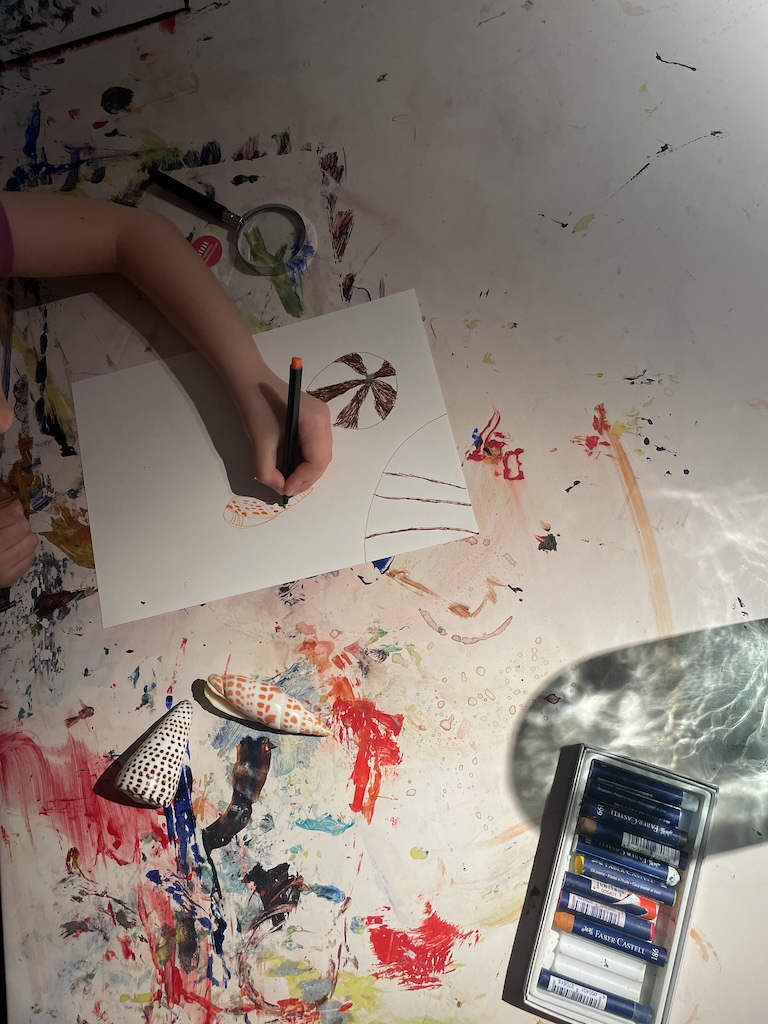
For children ages 6–12, the museum offered a two-part workshop. The first part took place in the museum’s collection galleries, where participants practiced slow-looking exercises and completed a drawing activity based on careful observation.

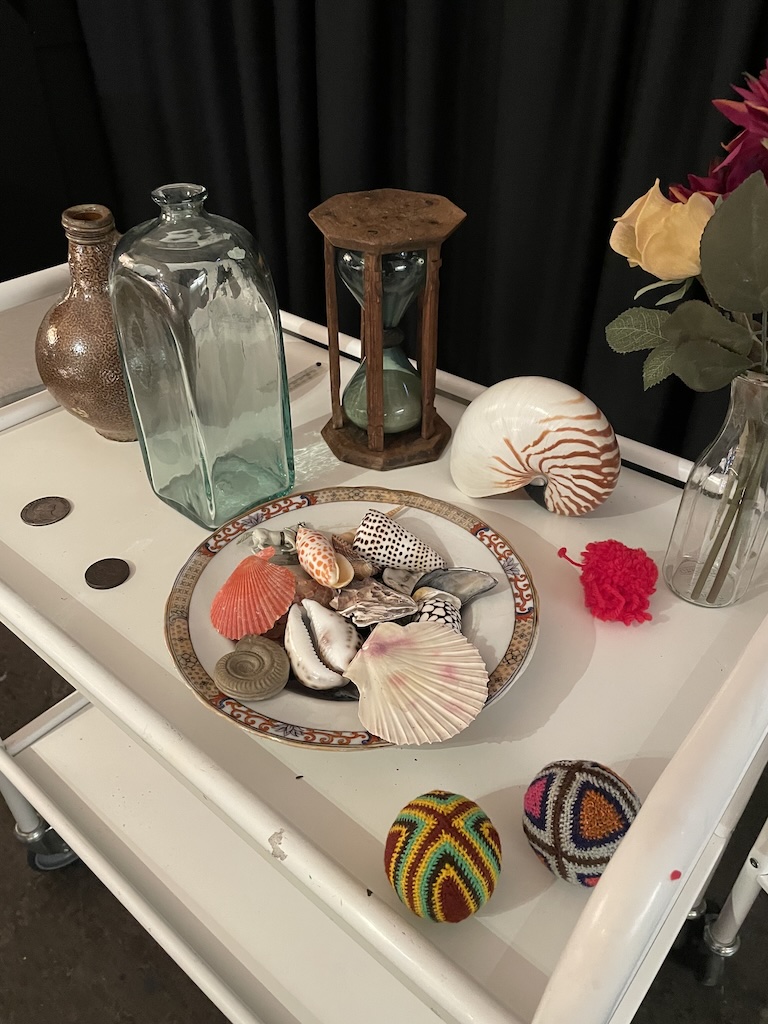
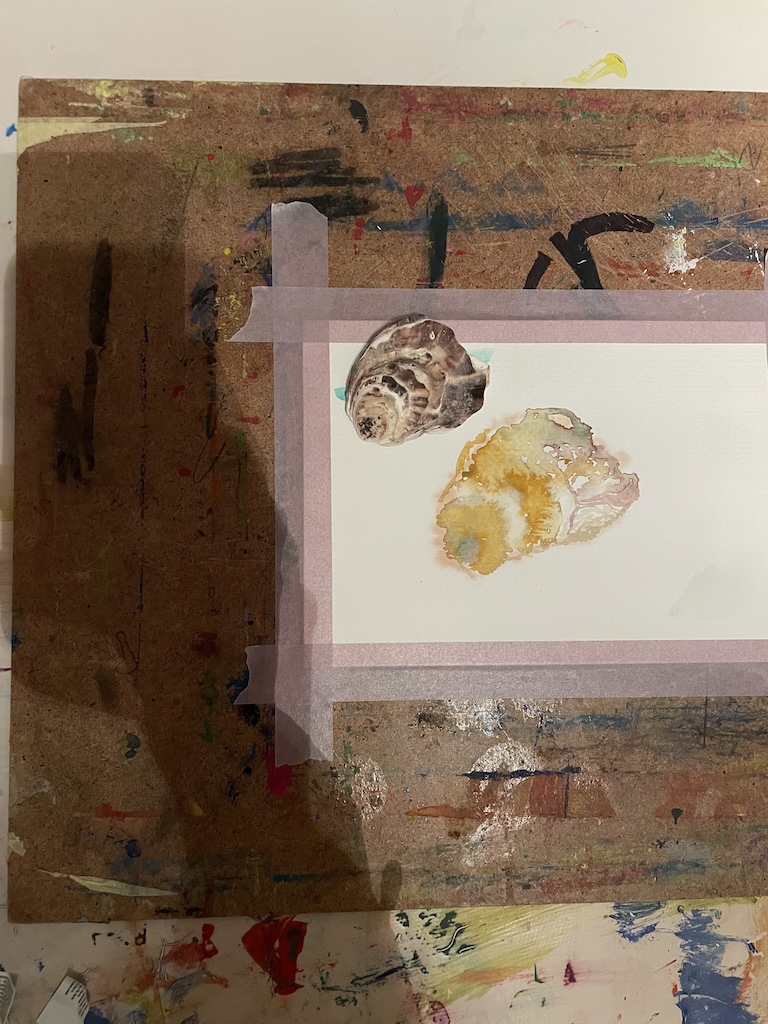
The group then moved to the Museum Studio, where a selection of objects was presented. Participants chose one or more objects to reinterpret by painting with watercolors, drawing with colored pens, or shaping forms in clay. The emphasis throughout was on slowing down, observing closely, and working deliberately. Across both activities, the shared goal was to encourage sustained attention and mindful engagement through observation, reflection, and making.

Photo by Jonna Kihlsten.

We thank Jonna Kihlsten, Art Educator, and the Gothenburg Museum of Art team for designing inclusive Slow Art Day experiences, as well as Pernilla Ljungkvist for leading the meditation session. We look forward to seeing what Gothenburg comes up with for Slow Art Day 2026.

– Ashley, Johanna, Jessica Jane, and Phyl

P.S. Follow Gothenburg Museum of Art on Facebook and Instagram

Mindfulness and Slow Looking at the Basil & Elise Goulandris Foundation

For their second Slow Art Day, the B&E Goulandris Foundation in Athens, Greece, invited all visitors to explore selected works from its permanent Collection and to take part in one or more of their three specially designed mindfulness activities.

On April 5th, 2025 all visitors were welcomed with a special printed slow looking guide (available in both English and Greek) at the Museum’s Reception Desk. This included information and instructions on how to practice slow looking, allowing them to fully engage with four carefully selected works from the permanent Collection:

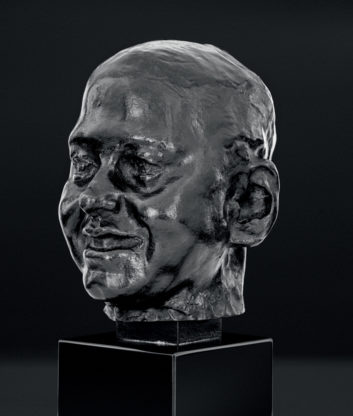
  • Laughing Man” by Camille Claudel [on the first floor]
  • The Traveller” by Igor Mitoraj [on the second floor]
  • Maria Callas no. 4” by Julian Schnabel [on the third floor]
  • Untitled” by Alexis Akrithakis [on the fourth floor]

Visitors were encouraged to keep and reuse this guide during future museum visits to explore even more works from the Collection in a similar immersive way. 

Laughing Man” by Camille Claudel
The Traveller” by Igor Mitoraj
Maria Callas no. 4” by Julian Schnabel
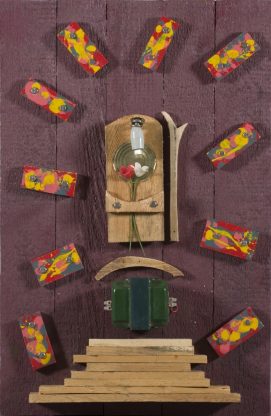
Untitled” by Alexis Akrithakis

On the same day, art historian, art educator and mindfulness instructor Lydia Petropoulou led three mindfulness activities. The morning mindfulness workshop I See, I Hear, I Feel, I Paint was designed for parents and children aged 6-12. Two mindfulness sessions designed exclusively for adults were then held in the afternoon. Titled Mindfulness at the Museum, they took place in the temporary exhibitions gallery where the exhibition “Catch Me” by Nicholas Kontaxis was on display.

What a great design for the day. More museums might decide to imitate what the B&E Goulandris Foundation did here.

At Slow Art Day HQ, we certainly appreciate integrating mindfulness as well as offering activities for both children and adults – and we are excited to see what the B&E Goulandris Foundation come up with for Slow Art Day 2026.

– Jessica Jane, Phyl, Ashley, and Johanna

P.S. Check out B&E Goulandris Foundation on their Facebook and Instagram.

cARTie Art Museum Bus: Centering Children’s Perspectives Through Virtual Engagement

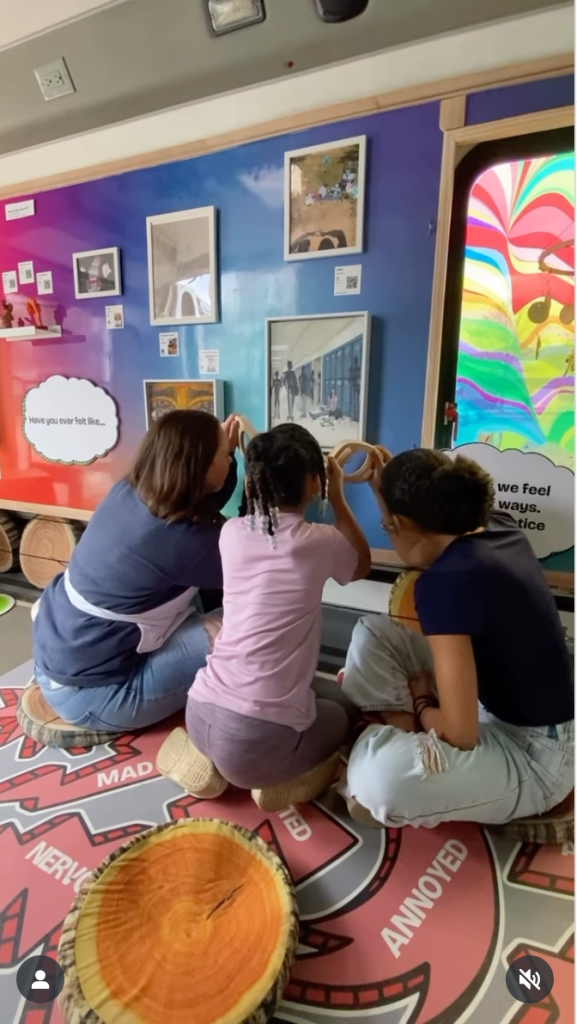
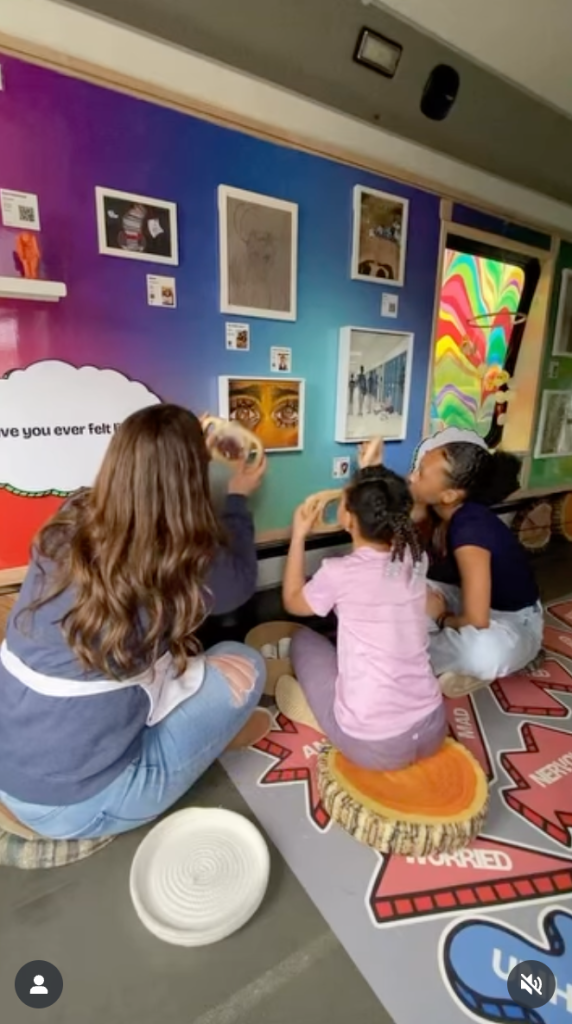
cARTie Art Museum Bus , a Connecticut-based nonprofit dedicated to making museums accessible and welcoming for young children, celebrated Slow Art Day virtually this year. Emphasizing children’s voices and perspectives, cARTie shared an engaging video experience on their Instagram, enabling community members to embrace slow-looking practices from home. See the virtual format of their exhibition on their website

Featured Works:

  • “Pretty Brown Eyes” by Siena Zawrotny
  • “Quiet Desperation” by Anna Kim
Two cARTie kids look closely at two works of art inside cARTie with different tools and from different angles, with a cARTIe educator. Screenshot from cARTie’s Instagram.

Both artworks, featured on cARTie’s traveling exhibit throughout 2024-2025, were created by secondary school student-artists from Connecticut. Participants watched a thoughtfully produced video highlighting children’s responses and insights, providing practical strategies for slow-looking.

Each work was featured for a recommended 5-10 minutes of focused viewing, encouraging deeper emotional and reflective engagement.

cARTie’s virtual approach captured the perspectives of children, underscoring the importance of accessibility and representation in museum spaces.

We extend our thanks to Clare, Co-Founder and Executive Director of cARTie, and the entire cARTie team for their innovative approach and dedication to Slow Art Day. We look forward to their participation in Slow Art Day 2026.

– Ashley, Johanna, Jessica Jane, and Phyl

P.S. Stay connected with cARTie Art Museum Bus on Instagram.

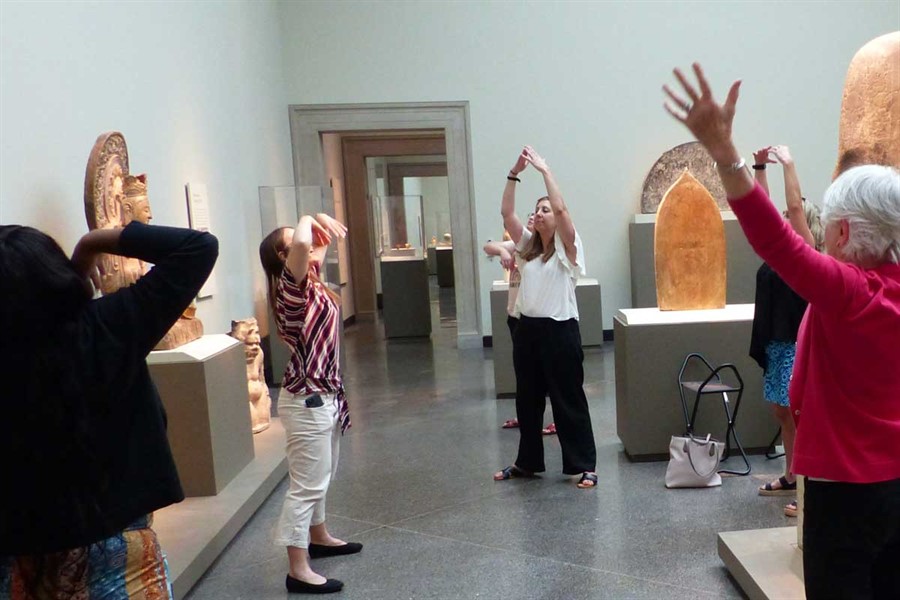
Freer Gallery of Art at the Smithsonian Hosts First Slow Art Day with Forest Bathing and Qigong

For their first Slow Art Day, the Freer Gallery of Art, part of the Smithsonian Asian Art Museum in Washington, D.C., hosted a day-long celebration focused on slowing the mind, body, and spirit.

Visitors were invited to participate in a series of immersive activities held in the Freer’s galleries and courtyard, designed to deepen observation and foster mindfulness through art and nature. The day offered both guided and self-guided experiences, welcoming adults and families alike.

Featured activities included:

  • Guided Slow Looking sessions in Gallery 5, focusing on Japanese screens (11:30 a.m. family session; 1:30 p.m. adults-only session)
  • Forest Bathing mindfulness walks in the courtyard led by naturalist and certified forest therapy guide Ana Ka’ahanui from Capital Nature (1 p.m. family session; 2 p.m. adults-only session)
  • Qigong practice in the courtyard, or Gallery 17 in case of rain (12–1 p.m.)
  • Self-Guided Slow Looking with sketching, writing, and conversational prompts available to encourage personal exploration at one’s own pace
A group of people doing yoga in an art gallery.
Image courtesy of Create Calm

Each session offered participants an opportunity to slow down, open their senses, and form a deeper, more personal connection with the art and environment around them.

Throughout the day, participants could be seen sketching quietly before the intricate screens, breathing mindfully in the courtyard, and moving gracefully through Qigong sequences that mirrored the flow of nature. The museum’s thoughtful integration of art, nature, and mindfulness—including the leadership of Ana Ka’ahanui in the forest bathing sessions—beautifully embodied the spirit of Slow Art Day.

We at Slow Art Day HQ love how the Freer Gallery of Art created such a great mix of events and wish we had been there to participate. We can’t wait to see what they come up with for Slow Art Day 2026.

– Ashley, Johanna, Jessica Jane, and Phyl

P.S. You can learn more about the Freer Gallery’s events and exhibits by visiting their website. You can also follow them on:

Meditation and Frozen Paint in Gothenburg

For their 5th Slow Art Day, the Gothenburg Museum of Art in Gothenburg, Sweden, hosted two events:

  • A guided meditation with artist and yoga instructor Pernilla Ljungqvist in front of the artwork “Höstafton, Nordingrå” by Helmer Osslund (1866 – 1938) – adults and teens were invited to join this one.
  • Slow looking and drawing workshop consisting of two parts: one in the Museum collection where they practiced slow looking exercises, and another in the Museum studio where they created their own artwork – this was a children’s workshop.
Slow Art Day participants in front of “Höstafton, Nordingrå” by Helmer Osslund (1866 – 1938). Photographer: Linda Noreen. Photo courtsey of Gothenburg Museum of Art.
“Höstafton, Nordingrå” by Helmer Osslund (1866 – 1938). Photographer: Hossein Sehat Lou. Photo courtsey of Gothenburg Museum of Art.

For the first activity, Pernilla, the meditation instructor, invited participants to look slowly at the artwork “Höstafton, Nordingrå.” Next, they relaxed into a comfortable position on a mat in front of the work as Pernilla guided them through simple motions and exercises while looking slowly at the painting.

Slow Art Day participants meditating in front of “Höstafton, Nordingrå” by Helmer Osslund (1866 – 1938). Photographer: Linda Noreen. Photo courtsey of Gothenburg Museum of Art.

During the children’s workshop, the kids looked at three artworks using different slow looking techniques focused on noticing new details in each. During the second half of the session, they were invited to paint with frozen colors on watercolor paper (again, this was done in the museum studio). The goal was to use a tactile material, which could activate several senses and emotions *and* in which the concept of time was present in the material itself. Frozen paint to illustrate time and slowness – how cool!

Slow Art Day workshop participant in the act of painting. Photographer: Jonna Kihlsten.
Slow Art Day workshop supplies: frozen paint. Photographer: Jonna Kihlsten.
Slow Art Day workshop participant in front of their artwork. Photographer: Jonna Kihlsten.

At Slow Art Day HQ we love the idea of using frozen paint in a workshop studio for kids (and hey – us adults would enjoy that too) while running a guided meditation for adults.

For readers not familiar with Gothenburg, it is the second largest city in Sweden situated on the west coast near the Kattegat. The city was built on marshy land and the layout of the city was inspired by Dutch cities like Amsterdam.

The Gothenburg Museum itself is the third largest in Sweden and hosts a collection of 19th century Nordic art as well as a range of modern, contemporary, and older works.

We appreciate the museum’s decision both to offer different events for kids and adults and the way they designed each of those sessions. We eagerly look forward to whatever they come up with for Slow Art Day 2025.

-Johanna, Ashley, Jessica Jane, and Phyl

P.S. Stay up to date with events at Gothenburg Museum of Art via their Facebook or Instagram.


BYU Museum of Art Engages All Ages for their 4th Slow Art Day

For their fourth Slow Art Day, Brigham Young University (BYU) Museum of Art invited visitors to look slowly at the following four artworks from the temporary exhibition Spain and the Hispanic World: Treasures from the Hispanic Society Museum & Library:

  • Miguel Alcañiz, “Ascension Panel from the Altarpiece of St. Vincent and St. Giles,” 1422-30  
  • Unknown Colombian Artist, “Portable Writing Desk,” ca. 1684
  • Fray Alonso López de Herrera, “Virgin of the Immaculate Conception,” 1640
    Painted on an engraved copper plate and displayed in a free-standing manner, allowing the visitor to explore the back of the painting.
  • Joaquín Sorolla y Bastida, Sketch for Visions of Spain,” 1912-13
    Adjacent to a television monitor showing a slow-moving panoramic view of the finished painting.

Visitors were greeted at the entrance of the exhibition by a museum educator who explained the premise of Slow Art Day, and invited them to look slowly at the four works (which were chosen by staff for their visual complexity). Each piece was accompanied by a temporary label with slow-looking prompts that were intended to help viewers be more intentional in their experience with each artwork (see example below). At the end of the visit, the museum educator prompted participants to share something they noticed or experienced by slowing down with the artworks.

Entrance to the Hispanic World exhibition on Slow Art Day, 2024
Temporary label with slow looking prompt next to the “Virgin of the Immaculate Conception” for Slow Art Day
Fray Alonso López de Herrera, “Virgin of the Immaculate Conception,” 1640 (painted on an engraved copper plate and displayed in a free-standing manner, allowing the visitor to explore the back of the painting)  
Unknown Colombian Artist, “Portable Writing Desk,” ca. 1684

In total, there were 118 participants, and the hosts gave each of them a small gift as a thank you: kaleidoscopes were offered to children, and adults had the choice between a museum pin or sticker.

The event was a success, and several participants left positive feedback:

“I liked looking at the works from different angles. I wouldn’t have realized there was something on the back of the painting (Virgin of the Immaculate Conception) if I hadn’t moved around it.” (Adult visitor)

“I really liked the box (Portable Writing Desk). It had a lot of interesting designs on it.” (7 year-old child)

“It was so cool to see the big sketch (Sorolla) next to the finished painting on the TV.” (12 year-old visitor)

“I loved the idea of slowing down and appreciating the beauty around you – not just in the museum, but in life.” (Adult visitor with children)

At Slow Art Day HQ, we love that participants got a small gift for taking part in slowing down. It is also great to see Slow Art Day events being made available to children as well as adults.

We can’t wait to see what BYU Museum of Art comes up with for Slow Art Day in 2025.

-Johanna, Ashley, Jessica Jane, and Phyl

P.S. Stay up to date with events at the BYU Museum of Art through their social media platforms on Instagram, Facebook, Pinterest, X, or YouTube by using the handle @byumoa.

The Significant Blue Bead at Gorgas House Museum in Alabama

For their third Slow Art Day, the Gorgas House Museum, which is the oldest dwelling on the campus of the University of Alabama, hosted an event focused on a bohemian blue bead that was found behind the museum and is believed to have once belonged to an enslaved person.

Slow Art Day coordinator, Dr. Sharony Green, Associate Professor at the Department of History at the University of Alabama, asked her students to study the bead and slavery in advance of the event, then create art based on their study (some even created haikus). She then invited the campus and local community to slowly look at the bead and hear about the students’ work.

Visitors were also invited to use bead stations that were set up in the front parlor of Gorgas House to make a blue bead bracelet to commemorate the event.

Photo of one of Dr Green’s Students. Photo by Sharony Green.
Photo of two UA anthropologists studying the blue bead. Photo by Sharony Green.
A Blue Bead (WordPress)

Above is a preview/link to the website they used to promote the project.

The bead station at Gorgas House before the event began. Photo by Sharony Green.

Dr. Green gave us some history about the bead:

The bead was found in an outdoor cooking area and was likely owned by an enslaved person. Some researchers believe it arrived via the Pacific Northwest and was brought to the Deep South via an indigenous trade network and that it was subsequently used as a protection amulet by an enslaved worker. While we speculate, we can also study the bead and sort through its significance during the antebellum period.

Dr. Sharony Green

Here’s a link to view some of the projects from Dr. Green’s students: Blue Bead Project Catalogue, and below you can scan a few of their photos and videos. All students took either an introductory level History class or an upper level History class taught by Dr. Green.

At Slow Art Day HQ we love how Dr. Green designed this whole Slow Art Day program – and that one small object, a bead, and its deep historical significance, became the point of inspiration for Slow Art Day. Thank you to Dr. Sharony Green, and her students, for such a unique event, and we look forward to whatever they come up with for Slow Art Day 2025.

-Johanna, Ashley, Jessica Jane, and Phyl

P.S. Stay up to date with future events at the Gorgas House via their social media @TheGorgasHouse

A friendship bracelet and student sewn piece. Photo by Rebecca Johnson.