Relax and Re-energize: Slow Art Day at Galleria l’Arte di Seta

For their first Slow Art Day, the Galleria l’Arte di Seta, in Ljubljana, Slovenia, organized a mindful Zoom session on April 10, featuring three different paintings:

  • Camille Pissarro. A Creek in St. Thomas (Virgin Islands), 1856.
  • Auguste Renoir , Jeune Espagnole jouant de la guitare, 1898.
  • Vasily Kandinsky, Composition 8 (Komposition 8), 1923.
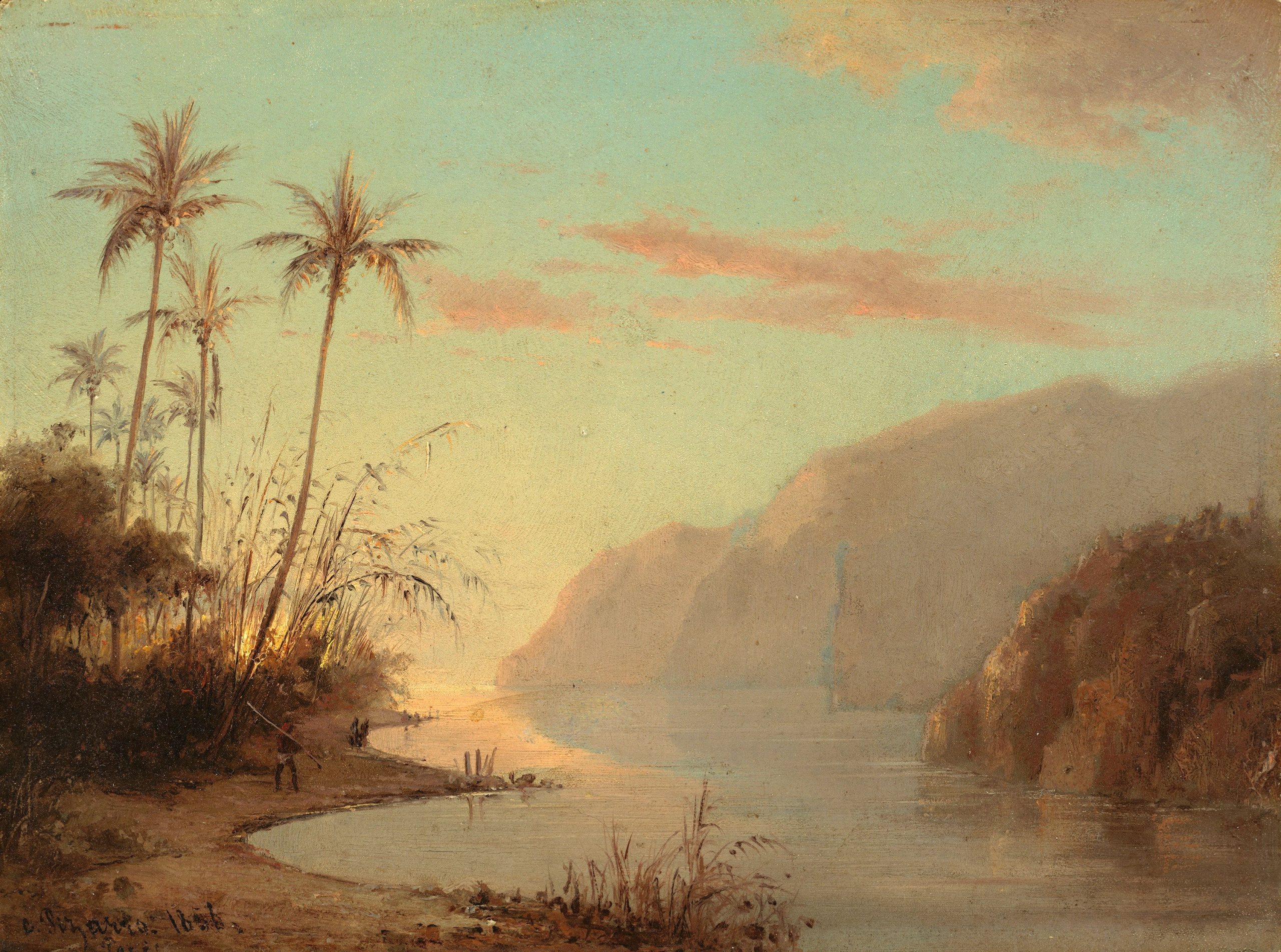
Camille Pissarro. A Creek in St. Thomas (Virgin Islands), 1856.
Oil on academy board, 24.5 x 32.2 cm, Courtesy of National Gallery, Washington.
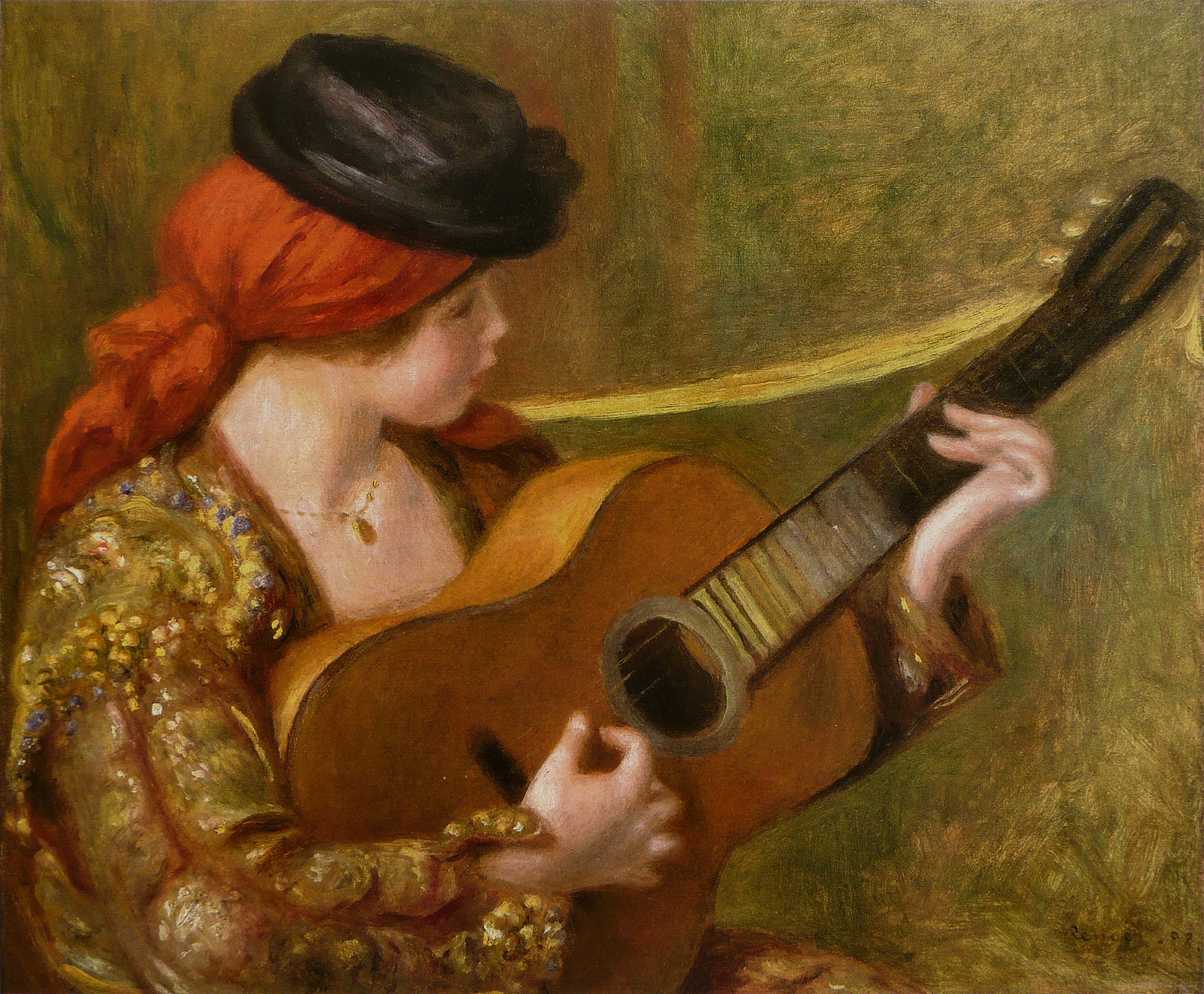
Auguste Renoir , Jeune Espagnole jouant de la guitare, 1898.
Oil on canvas, 55.6 x 65.2 cm. Courtesy of National Gallery Washington
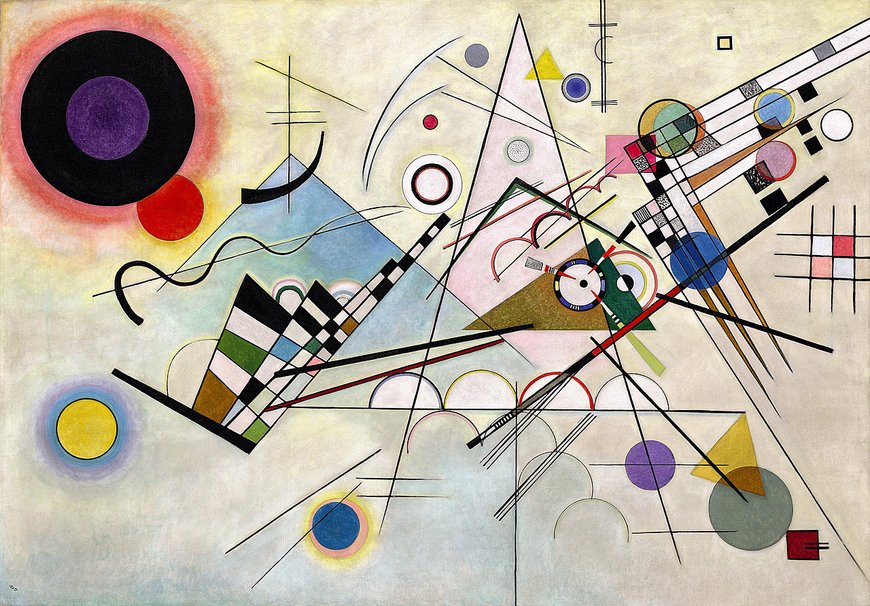
Vasily Kandinsky, Composition 8 (Komposition 8), 1923.
Oil on canvas, 140.3 x 200.7 cm. Courtesy of Guggenheim Museum.

Participants joined the two-hour Zoom session, which included 10 minute observation of each of the three paintings, followed by discussion.

Lidija Drobež, founder of Galleria l’Arte di Seta, was positively surprised by the enthusiasm and depth of insight from the participants. In fact, to foster even deeper discussion, she said the gallery might focus on one or two pieces of art next year.

Several participants left wonderful feedback.

“When I heard the title of event I was sceptical. After the session I can say that it was not only relaxing and reenergising but it gave me a lot of insights about myself.”

Ana Tijssen – Slow Art Day participant

“I joined the session out of simple curiosity. For the first time in my life I took more time to view a painting: I discovered things which took me by surprise. What I take out of whole event, is how diverse insights participants obtained and yet our conversation was open and positive all the time.”

Monika K. – Slow Art Day participant

“The more I was focusing on the paintings, the more it made me realise how everything is connected in life. For example – much more than being fond of traveling, I am fond of living in foreign countries and during the Slow Art Day session I realised why. When I allowed myself to stop and take time to be with the painting it was only then when I could feel a deeper connection and a sense of familiarity. It is the same with foreign countries – traveling through them seems like rushing through the gallery from one famous painting to another – the experience may appear fleeting and empty. Living in a foreign country, on the contrary, is like taking time to get to know the “painting” in depth, which feels meaningful and enriching.”

Anja Humljan – Slow Art Day participant

“I really appreciated the event, because it created the possibility of valuing different ways of seeing. One was to connect with myself and rediscover the joy of personal discovery almost like a child. And, of course, last but not least, I really enjoyed the insights and comments of other participants.”

Nenad Filipovic – Slow Art Day participant

Due to the enthusiastic response to the event by participants, the Gallery plans to organize an in-person event later this year once they can re-open. Visit their Instagram account to stay updated with their work.

At Slow Art Day HQ, we love the passion for slow looking that Lidija Drobež and her participants show. We must admit that our original design for Slow Art Day was to have participants look for one hour at one painting, but we decided that might be too intimidating. Yet, we still know the power of even slower looking, and are thus excited to see what Lidija Drobež comes up with for 2022.

Johanna, Jessica, Ashley
Two Resurrections: Slow Art Day at Sint-Pauluskerk

Sint-Pauluskerk in Antwerp, Belgium, hosted its fourth Slow Art Day event with a focus on the theme of “Resurrection”.

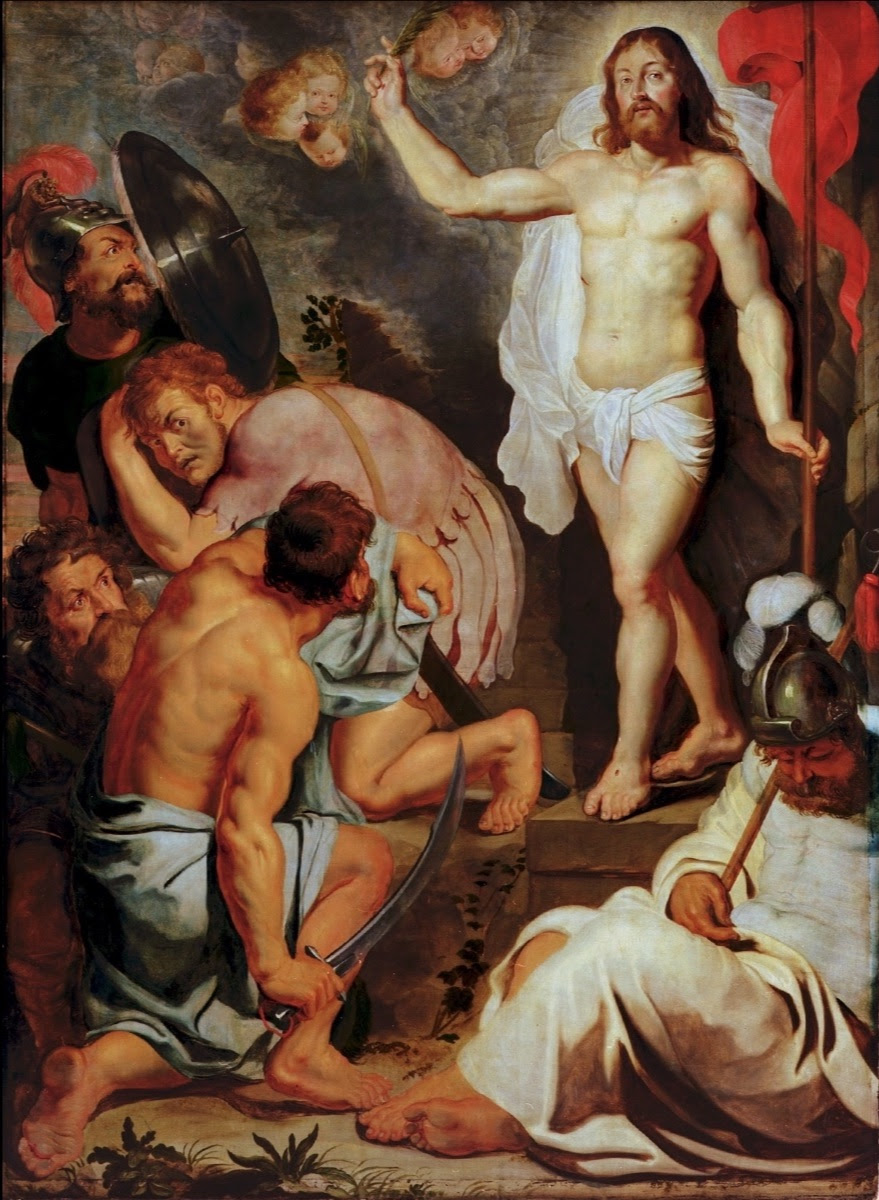
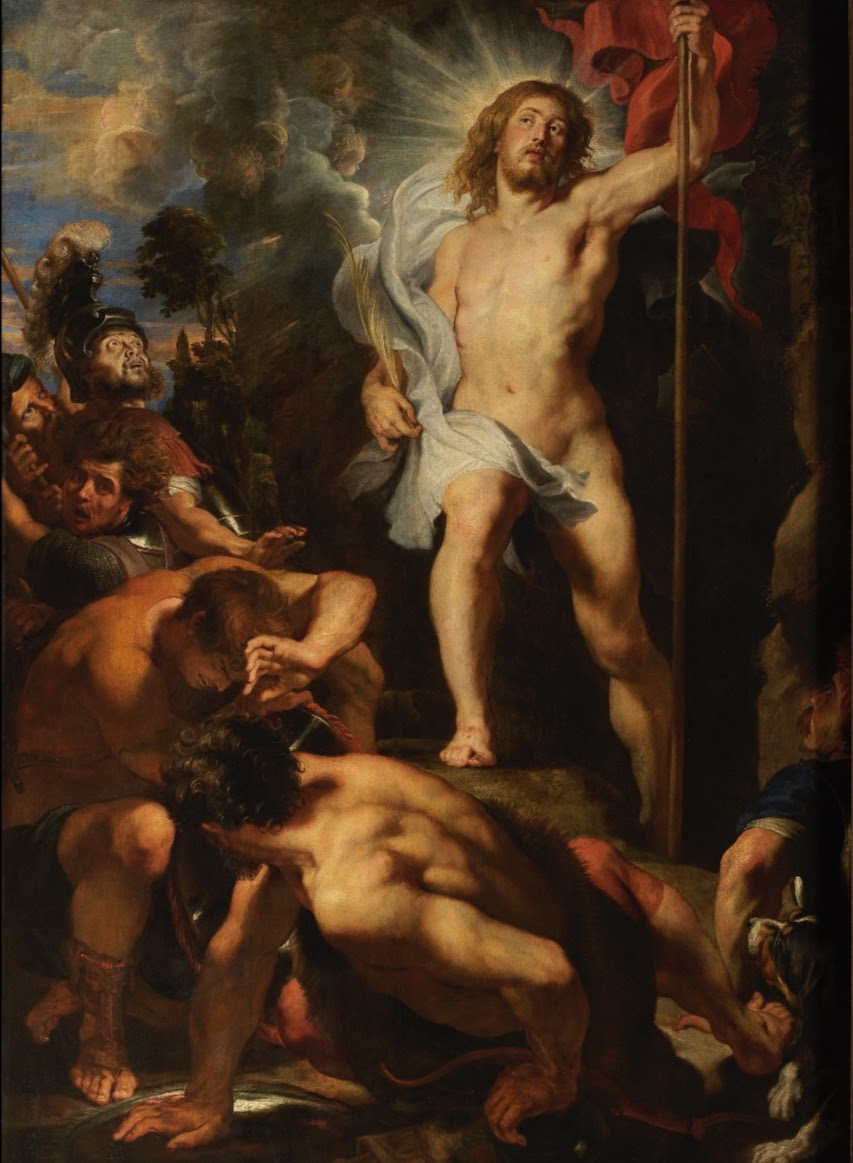
The event featured a comparison between the “Resurrection of Christ” by Aenout Vickenborgh, and Peter Paul Rubens’s painting with the same title, both of which are on display in the church.

Peter Paul Rubens, The Resurrection of Christ, 1611-1612.
Oil on panel, 138 x 98 cm.
Cathedral of Our Lady in Antwerp.
Aernout Vinckenborgh, Resurrection of Christ, 1615-1620.
Oil on panel, 223 x 166 cm.
Courtesy of Saint Paul’s church, Antwerp.

On April 10, church visitors were invited to participate in a guided 45-minute session to view the paintings. The session featured slow looking, which was followed by discussion and detailed comparisons of the paintings by the guides. Due to continued pandemic restrictions, sessions were capped at 10 visitors per group, with only 15 people allowed in the church at the same time.

The church also created a short documentary for those who could not come in person. This was shared via email to their 1,500 subscribers. The documentary was also shared to the church’s Facebook page.

Below is a link to the video, but keep in mind that it is available only in Dutch.

Armand Storck, scriptor for Sint-Pauluskerk, hopes that their planned video production for Slow Art Day 2022 will include English subtitles to reach an international audience.

“Der Verrijzenis” (in English “The Resurrections”) created by Sint-Pauluskerk, 2021.

The in-person event was attended by 45 people in total, and the documentary video has been viewed by 2,500 people via Facebook and YouTube combined. Viewers of the video responded positively.

“Nicely presented, informative, pleasant. Thanks to the volunteers and to Armand for the introduction.”

“Incredibly beautiful, congratulations to the whole team!”

Participant responses to the “Der Verrijizenis” video on Facebook (translated from Dutch).

At Slow Art Day HQ, we love that Sint-Pauluskerk opens its doors for Slow Art Day with a theme that fits the church calendar. The alignment of slow looking exercises with the reflective period of lent works beautifully. We hope that more churches, synagogues, mosques and other religious organizations are inspired by their approach.

We look forward to another event from Sint-pauluskerk in 2022.

Johanna, Jessica, and Ashley

5-in-1 at Albany Institute’s First Slow Art Day

For their first Slow Art Day, the Albany Institute of History and Art in Albany, NY, hosted five interconnected virtual events:

  • Social media slow looking activity
  • Word clouds from the virtual activity
  • Slow panning video
  • Wellness workshop
  • A “look & learn” for families

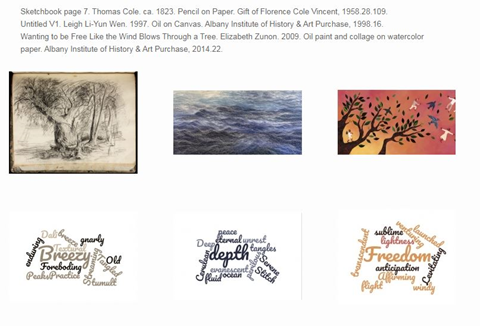
On April 10, the museum started their Slow Art Day by sharing three artworks to Instagram.

Viewers were asked to respond with one-word descriptions of the images, which the museum turned into word clouds to illustrate the feelings evoked. “Breezy”, “depth” and “freedom” were frequent responses.

The museum also produced a slow looking video that features the sculpture “The Fist” by Alice Morgan Wright. Viewers were encouraged to find a quiet space, silence their technology, take a few deep breaths, and observe the sculpture for one minute in silence. The video slowly circles the sculpture, allowing viewers to see it from every angle. At the end of the minute, the video moderator guides participants through thought provoking questions about the sculpture. View the video below and try this slow-looking activity for yourself.

https://www.youtube.com/watch?v=sCyoKUICkd8&t=3s
Slow looking video of Alice Morgan Wright, ‘The Fist’, 1921. Video produced by The Albany Insitute of History and Art.

For the Zoom-based wellness workshop ‘Making Meaning: Meditating on Artwork as Wellness’, participants were guided through an hour of exploring, viewing, and discussing works of art with licensed art therapist Chloe Hayward. They were also invited to share an object from their personal space as a vehicle for connecting to the artworks. The session ended with a guided meditation.

People responded positively to the digital events hosted by the Albany Institute, with one participant calling them “invaluable at this time”. Victoria Waldron, Education Assistant at the Albany Institute, said the Albany Institute’s first Slow Art Day program was a success, with 60+ combined participant and social media interactions.

At Slow Art Day HQ, we love that the Albany Institute of History and Art chose to host five connected events for their first Slow Art Day, and are already excited to see what they plan for Slow Art Day 2022.

– Johanna, Jessica, Ashley

Incarcerated Artists with the Justice Art Coalition

On April 10th, the Justice Arts Coalition (JAC) in Silver Spring, Maryland, hosted their first Slow Art Day event. The JAC is a nationwide network connecting incarcerated artists, teaching artists, arts advocates, and allies.

They hosted a virtual slow-looking Zoom session that featured three works of art from their inaugural virtual exhibition Inside & Out, which features work by 30+ incarcerated and formerly incarcerated artists:

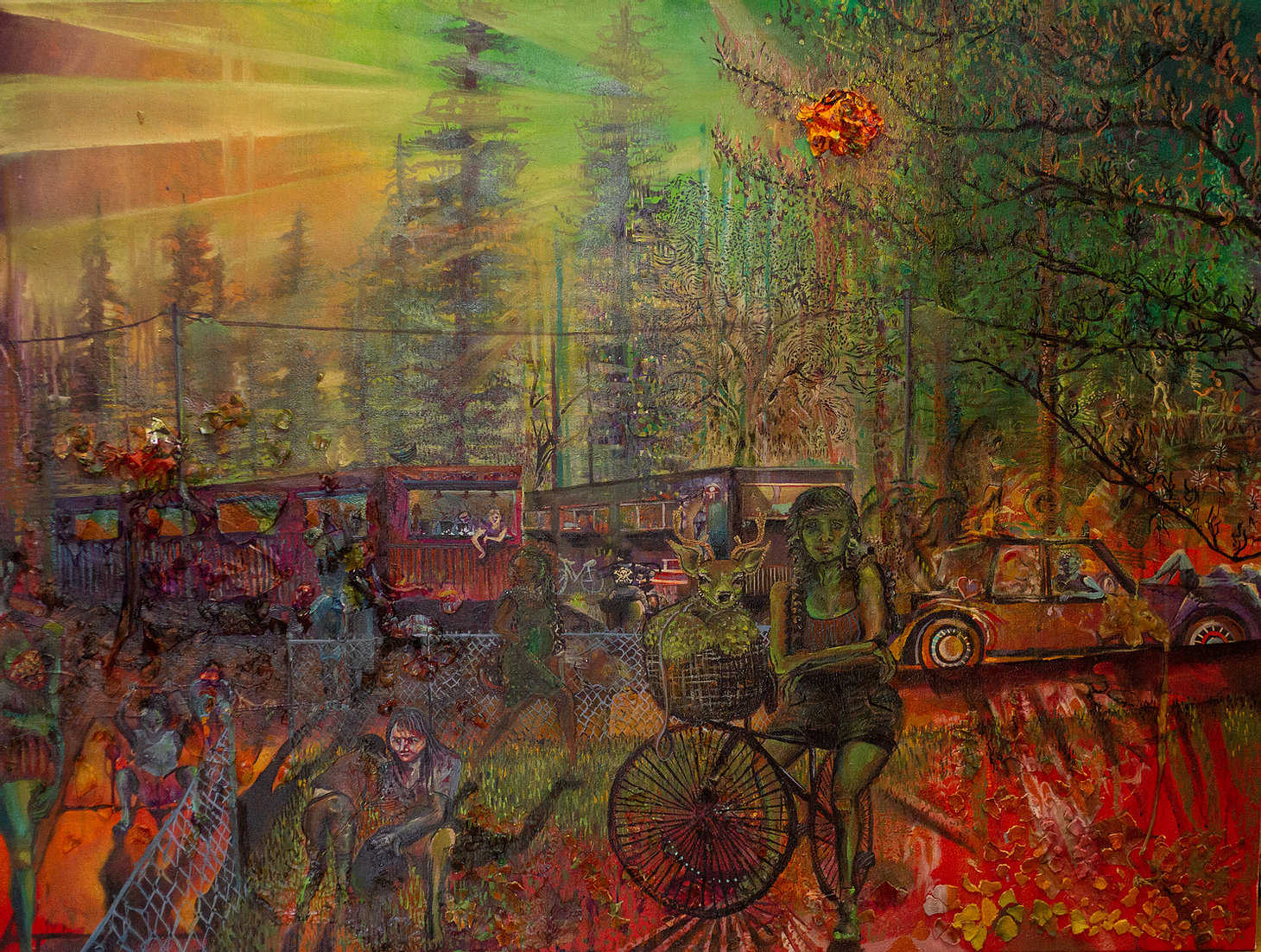
  • Jody E. Borhani d’Amico, ‘My friend’. Acrylic.
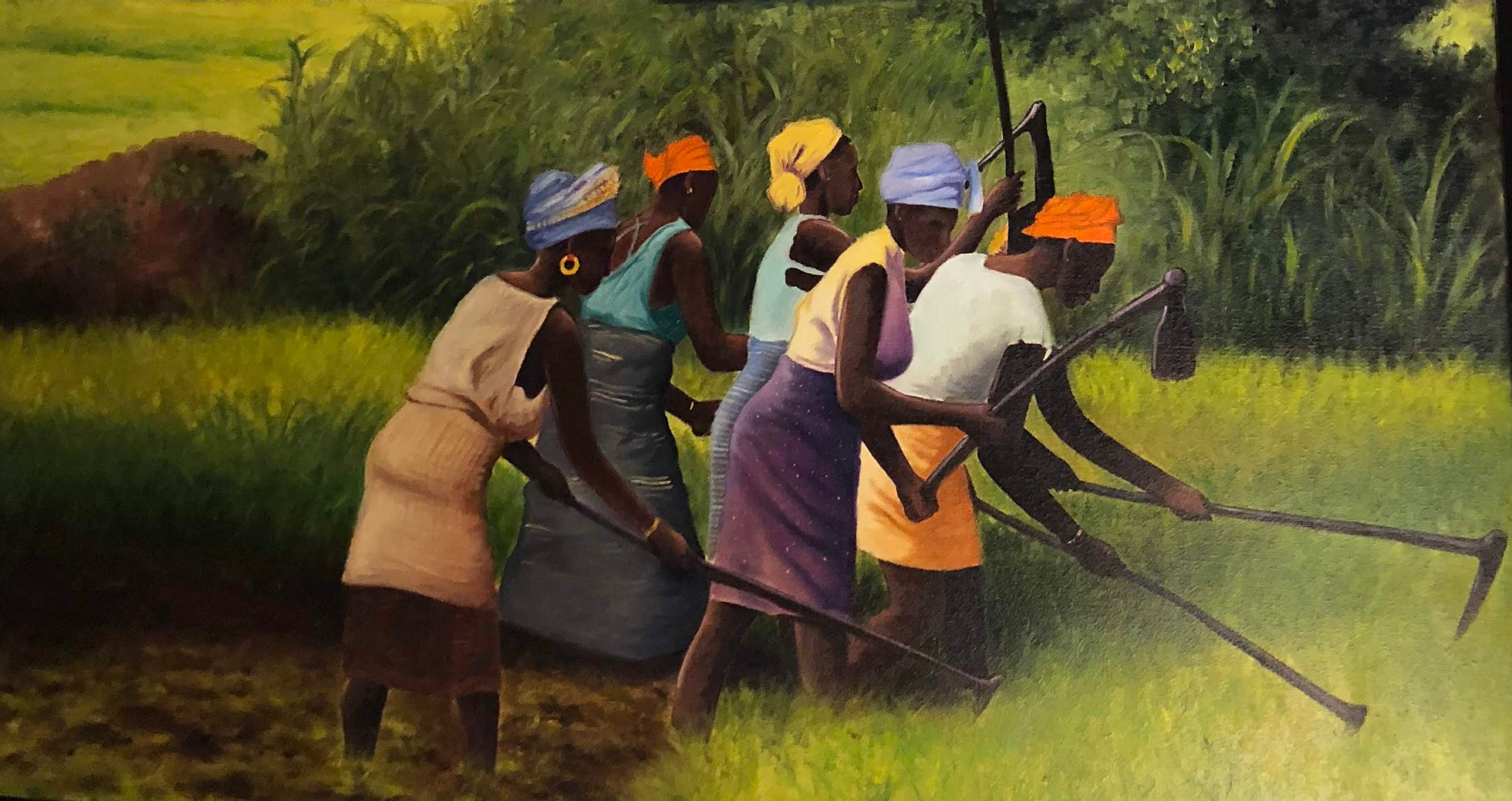
  • Harry T. Ellis, ‘Women Working’. Oil on canvas.
  • Shani Shih, ‘Needle at the Bottom of the Sea’. Pen & Ink on Bristol paper.
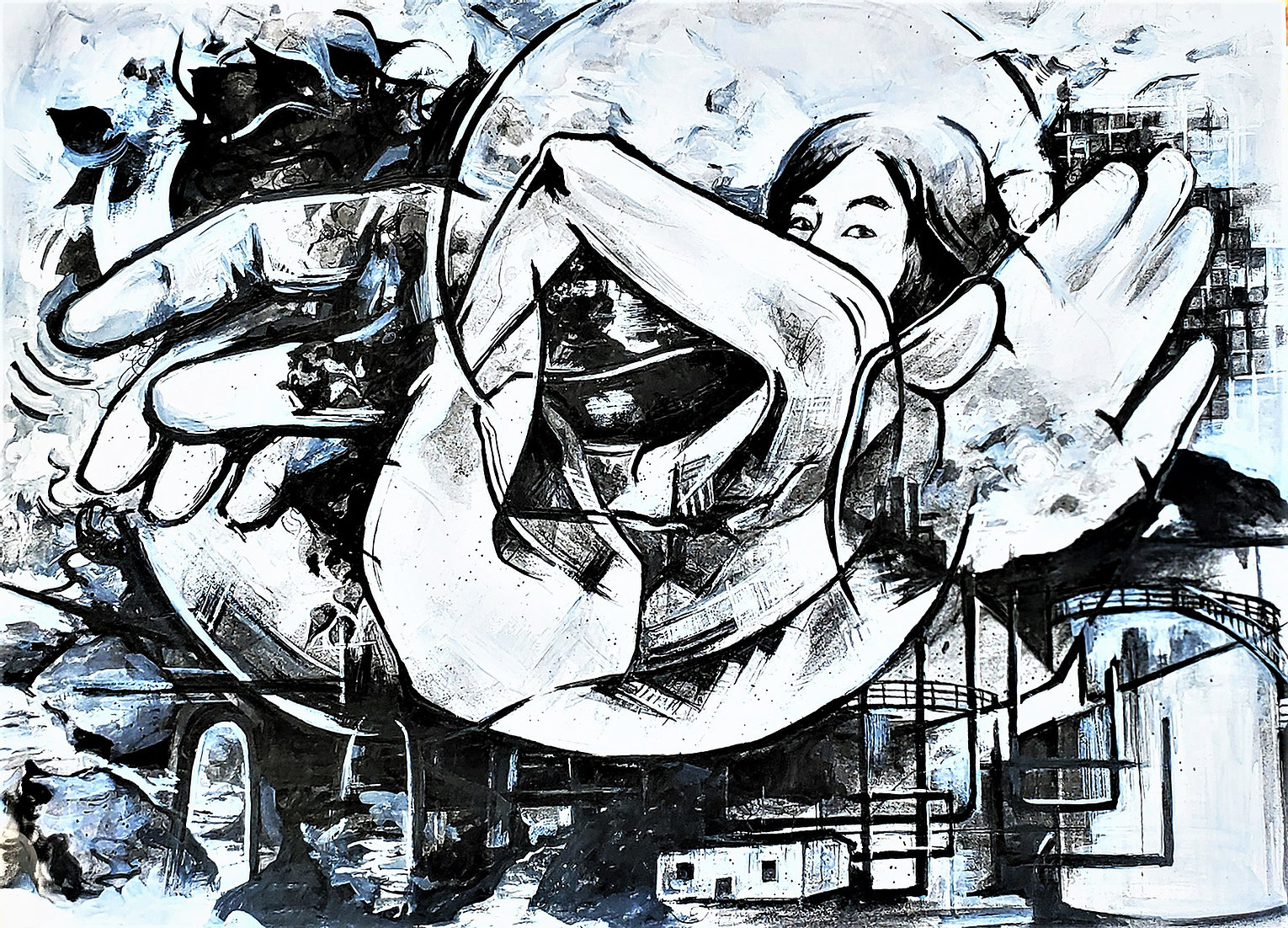
Jody E. Borhani d’Amico, My friend.
Harry T. Ellis, Women Working, oil on canvas.
Shani Shih, Needle at the Bottom of the Sea. Pen & Ink on Bristol paper.

The event was advertised on social media ahead of time, and participants were invited to a Zoom session where they looked slowly at the works and then discussed their understanding of the art and of creativity and justice.

The session was well received by participants:

“When I look at art in general, I tend to be really analytical, but this was a great opportunity to really slow down and get into my feelings around art. I really enjoyed reflecting on this new way of understanding and connecting to art.”

Slow Art Day Participant

“I love this picture. Every time you look at it (I confess to have seen it before) you see something new. I see it as a rescue of the fawn but you could see it as a baby stolen from its mother. The sun is coming through the trees. That’s optimistic. But there are also lots of nets or fences around. Keeping people in? Or keeping people safe?

Participant’s thoughts on “About My Friend”, by Jody E. Borhani D’Amico

At Slow Art Day HQ, we love JAC’s vision of “shaping public dialogue around the intersection of the arts and justice”, and their focus on community-building through art. Their Slow Art Day event, and their aim to support the creativity of incarcerated artists, remind us that both slow art and human connection do not require any expertise; just curiosity and a willingness to see them in new ways.

We look forward to a second Slow Art Day with the Justice Art Coalition in 2022. If you are interested in remaining updated with the artists and work at JAC, you can follow them on their Facebook, Instagram, and Twitter pages.

Johanna, Ashley, and Jessica

What’s in a Name? Titles and Emotions at MART

On April 10th, the Museo di Arte Moderna e Contemporanea di Trento e Rovereto (MART) in Rovereto, Italy, organized a virtual Slow Art Day event that focused on re-titling artworks based on participants’ emotional experiences of slow looking.

Images of three artworks from the MART collection were emailed to the 15 registered participants ahead of joining a Zoom session. Once in the virtual session, participants were given 45 minutes to look slowly at three artworks. They then split into 3 discussion groups, each led by a coordinator, that focused on the emotions and observations of the participants while viewing the works. Participants were then asked to give each artwork their own title based on emotions experienced during the slow looking. The day after the session, participants were sent a brief profile of each artwork that included the emotional titles, the actual title, and the name of the artist, date, and art movement.

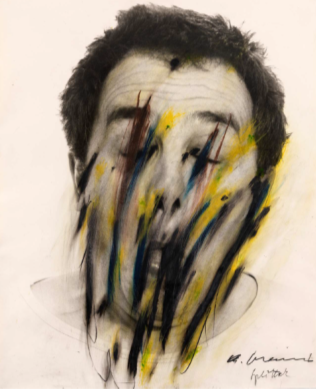
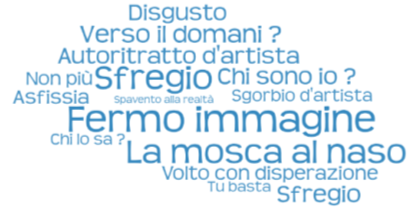
Below is one of the artworks along with a word cloud of the emotional titles given by the participants. Some of these translate to: “Disgust”, “Towards tomorrow?”, “Artist’s self-portrait”, “Who am I?”.

Arnulf Rainer, Splitter, 1971
Pastel and oil on photography, cm 60,5 x 50,5, Mart
Titles assigned to the artwork by the participants.

The event was well recieved by all the attendees, with one participant commenting:

“See how this way of following art stimulates a lot of creativity in us. Beautiful. We are like amateur jazz improvisers, extemporizing on a score!”

Participant Quote

That’s right. Slow looking is like jazz improvisation. We love this design of MART’s first official Slow Art Day event and hope that others decide to copy this.

Note that their Slow Art Day was not their first slow looking series. In 2020, local art enthusiast and MART member Piero Consolati approached Denise Bernabe, the Membership Coordinator at MART, about the possibility of organizing slow art sessions. Thanks to their initiative, MART has hosted nine slow art sessions since May 2020, which are now held monthly at the museum (so far, mostly virtually).

At Slow Art Day HQ we are delighted that slow looking has become a staple activity for the MART Museum. Denise Bernabe and Piero Consolati share updates with us about the status of slow art at MART throughout the year.

We look forward to MART’s continued events throughout the year, and their celebration of Slow Art Day in 2022.

– Johanna, Jessica and Ashley

Happy Slow Art Day 2021!

More than 110 museums* and galleries around the world are slowing down today – to create more inclusive environments that allow everyone to learn how to look at and love art.

We are really excited about the many creative events happening all over the world today. And we look forward to learn in the coming weeks more about what the educators and curators designed for this year (and we will be working with them to write-up and publish their 2021 reports).

Meanwhile, if you are looking to participate in a Slow Art Day event today, then you can go to your local museum or gallery to see if they are planning an event – or, you can click here on the official venues for this year. (tip: some of the links direct you to a museum homepage, from there go to their “events” section or search for “Slow Art Day”).

You can also check Instagram #slowartday2021.

Because of the pandemic, many events will be virtual allowing you to participate anywhere in the world.

Again, happy Slow Art Day!

– Phil, Johanna, Maggie, Ashley, and the whole volunteer team

*P.S. 110 is the official count, though we know many more are also celebrating.

Washington Post Covers Slow Art Day

In a terrific feature-length article published yesterday, the Washington Post writer Kelsey Ables covered slow looking, Slow Art Day, our message of radical inclusivity, and encouraged readers to sign up to one of the 90+ venues around the world for this year’s global event.

Participating museums like the Philadelphia Museum of Art and the National Museum of Women in the Arts are featured in the article, as is our friend, Jennifer Roberts, an art history professor at Harvard.

Further, the article highlighted a key element of our mission: increasing the accessibility of museums. From the beginning, we’ve believed that slow looking is an act of radical inclusivity where the viewer includes themselves, rather than being lectured to or told how to look. This radical inclusivity we believe is key to opening up museums and galleries to many more people.

I encourage you to read the article and share it on social media.

Also, if you are hosting a Slow Art Day event this weekend, then we wish you all the best and look forward to your report on how it went (and please post on social media with the tag #slowartday2021).

If you want to look slowly this weekend, then see the list of venues here.

Happy Slow Art Day 2021!

Best,

Phil

P.S. Again, you can read the Washington Post article here.

Slow Art Day Italian Interview

[Note: Slow Art Day 2021 is coming up Saturday, April 10 – read the 2020 report for ideas on how to design your slow looking events.]

In this interview, Annalisa Banzi, Ph.D. (researcher in museum studies, psychology and neuroscience at CESPEB-Bicocca University) shares some ideas on “Wellness and Museums” with Elisabetta Roncati (art influencer), and focuses on Slow Art Day as a great example of programs that help with mental health.

Banzi and Roncati discuss the powerful effect of slow looking and how Slow Art Day is radically inclusive – i.e., allows people to include themselves in the art experience.

Moreover, Banzi argues that Slow Art Day has become a useful way to enhance people’s mental wellbeing during the pandemic *and* has given an important way for museums to interact with visitors all over the world.

Listen to the interview in Italian here.

Phil

2020 Annual Report

Our 2020 report is now available for you to review!

Read it and get inspired by how educators around the world engaged the public during the pandemic. 

Also, get practical tips for designing virtual events.

A few highlights from 2020:

  • 2020 was our 10th anniversary. Since we began, more than 1,500 Slow Art Day events have been held in museums around the world, including The Tate Modern, SFMoMA, The Art Gallery of Ontario, The National Gallery in Australia, and The Art Institute of Chicago, to name a few.
  • We hosted virtual webinar training just after the lockdowns on how to use Zoom and host virtual events, with participants from several continents.
  • All Slow Art Day events were virtual this year except one, which was a walk-by window display.
  • A number of museums hosted their first Slow Art Day in 2020, despite the pandemic
  • Starting in April of 2020, we invited Slow Art Day hosts to join us for webinars with leading African Americans from outside the art world including:
    • NBA Deputy Commissioner, Mark Tatum
    • Then-Princeton educator, and now chair of President Biden’s Council of Economic Advisors, Cecilia Rouse
    • Dallas youth community organizer, Antoine Joyce
    • Former Deputy Mayor to then-Newark Mayor Cory Booker, Bo Kemp
  • We also spent time with museum leaders like Jack Becker, CEO and Executive Director of the Jocelyn Museum of Art in Omaha, who talked about “Diversity, Inclusion, and the Museum Experience.

So, thank you, thank you for helping us reach our 10 year anniversary – and for all you do to remind the world of the power of art to bring us together.

Best,

Phil, Johanna, Ashley, Maggie, and the whole Slow Art Day team

P.S. Again, here’s the link to download the annual report.

End of Year Greetings from Slow Art Day

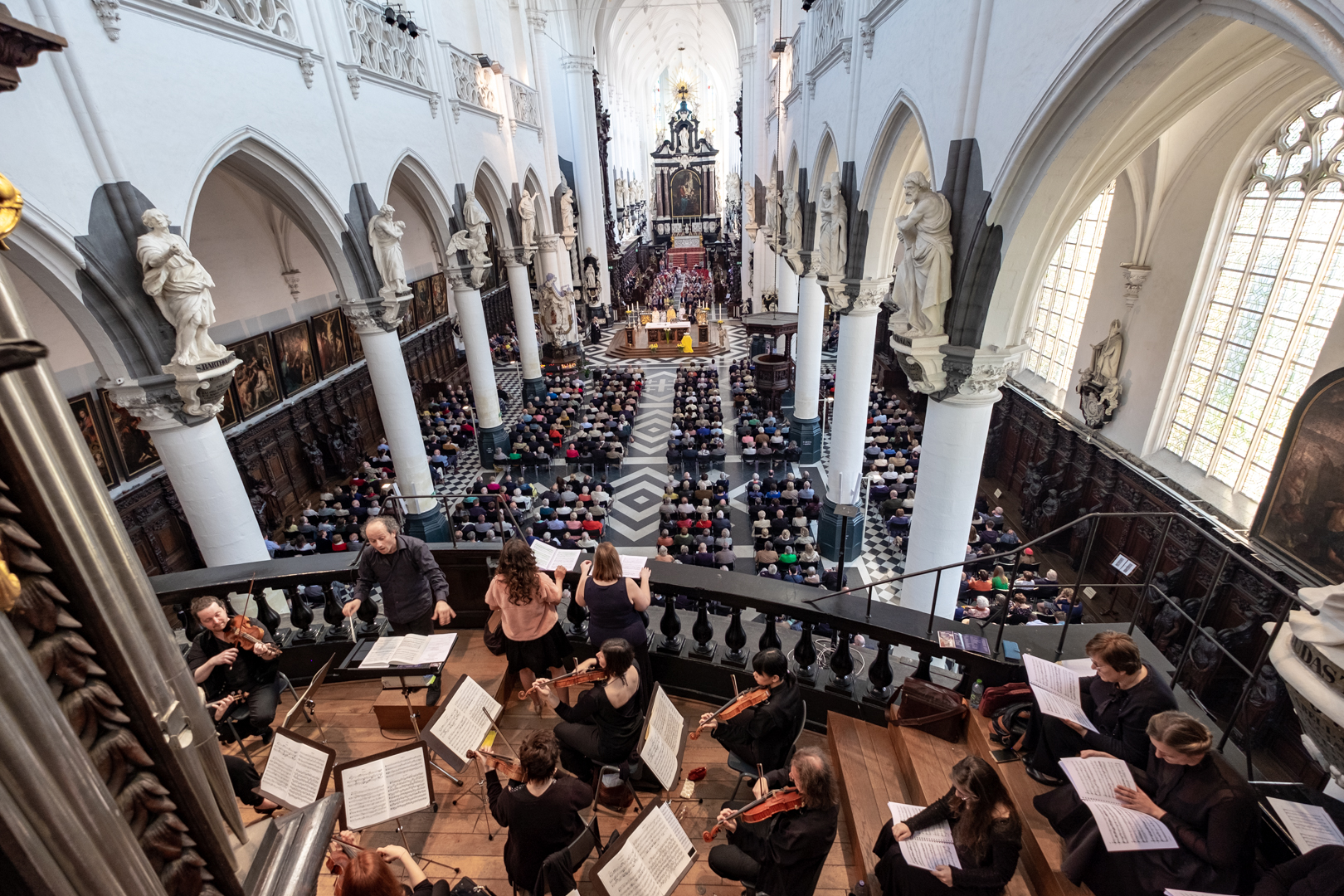
Slow Art Day 2019 at Sint-Pauluskerk, Antwerp, Belgium. Photo courtsey of Armand Storck

As we approach the end of this year, the Slow Art Day HQ team extends a big thank you to all Slow Art Day 2020 hosts and participants around the world.

2020 obviously hasn’t been what anyone expected or wanted.

But feedback from the museums and galleries that ran virtual Slow Art Day events in April repeatedly demonstrates how important art is, particularly during this pandemic (our annual report detailing the best practices from these virtual events will be coming out in January 2021).

We are grateful to all the curators of education and their teams who made Slow Art Day happen during this pandemic. The world owes you a debt of gratitude.

We hope that it will be possible for you to host in-person events for Slow Art Day next year on April 10, 2021 – though we recognize that virtual events may still be what’s possible in many places around the world.

As a reminder of how art – and the art of slow looking – bring us together, above we share a photo from the Slow Art Day event held at the *packed* Sint-Pauluskerk in Antwerp, Belgium, in 2019.

Look at the people in the pews, the orchestra, the choir – not an open seat in the house.

With heartfelt wishes, season’s greetings, and the hope that we get back as soon as possible to packed museums, galleries, concert halls, churches, synagogues, mosques, and theaters.

– Phil, Maggie, Ashley, and Johanna