Choi Sunu House: The Beauty and Heart of Korea

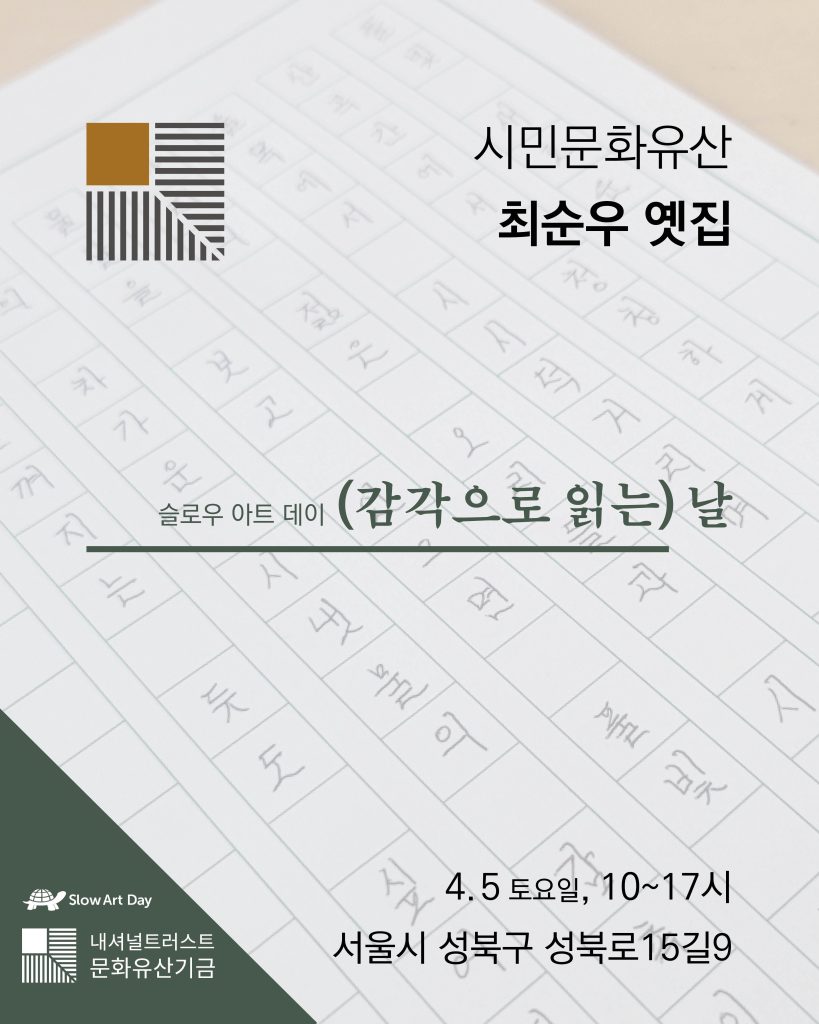
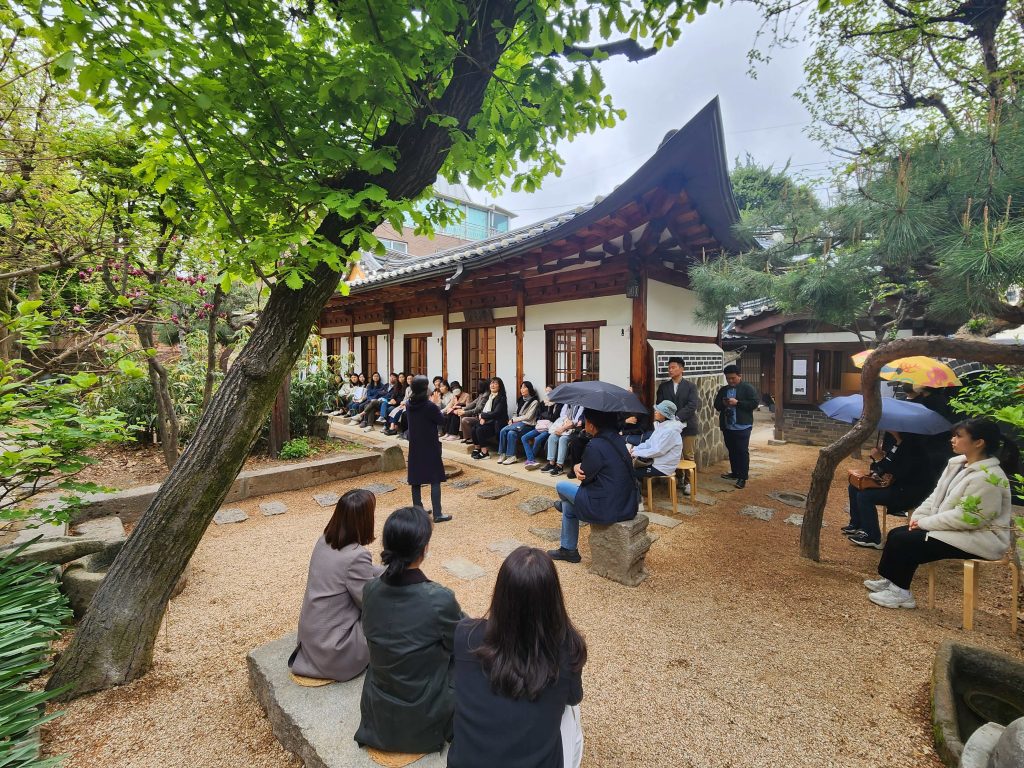
On April 5, 2025, Choi Sunu House in Seoul, South Korea participated in their third Slow Art Day with a reflective program titled “Discovering the Beauty and Heart of Korea” (“한국미 한국의 마음을 찾는 시간”).

Although rain fell steadily across Seoul that day, creating challenges for attendance, the quiet weather deepened the contemplative atmosphere of this historic hanok home nestled in Seongbuk-dong.

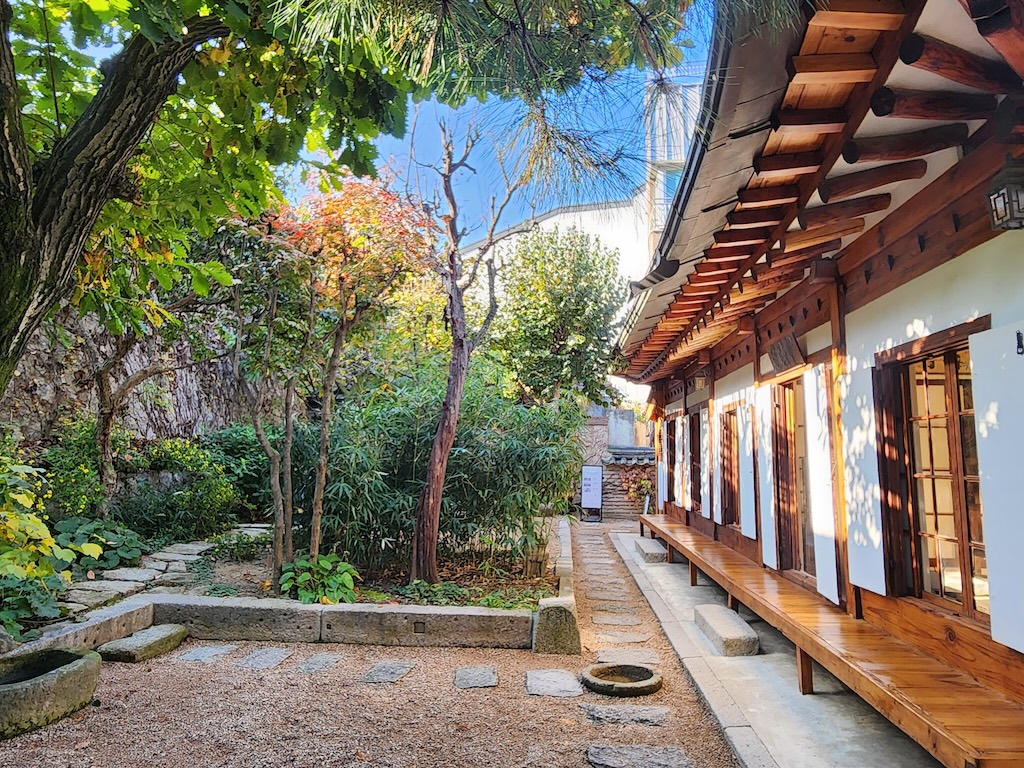
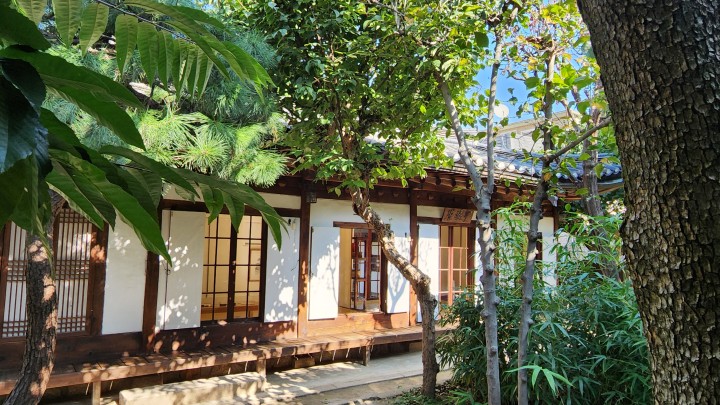
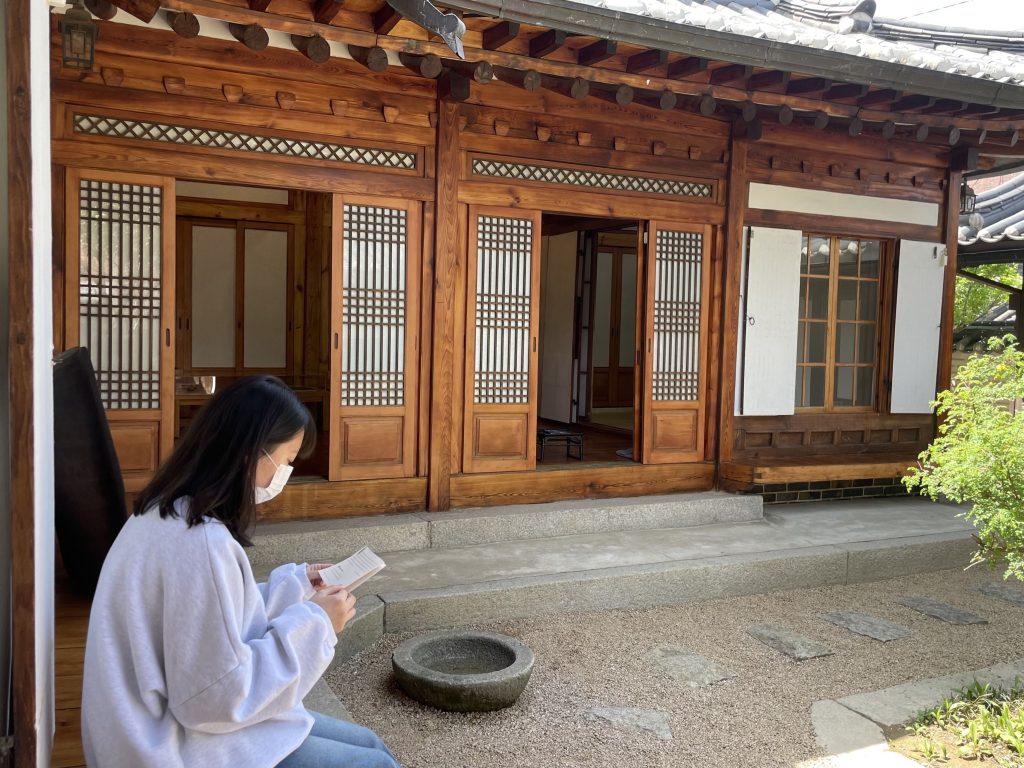
Choi Sunu House preserves the legacy of art historian and cultural scholar Choi Sunu (1916–1984), whose writing celebrated Korean aesthetics, craftsmanship, and spirit. Rather than centering a single artwork, the entire house and garden became the focus of slow looking — and slow reading.

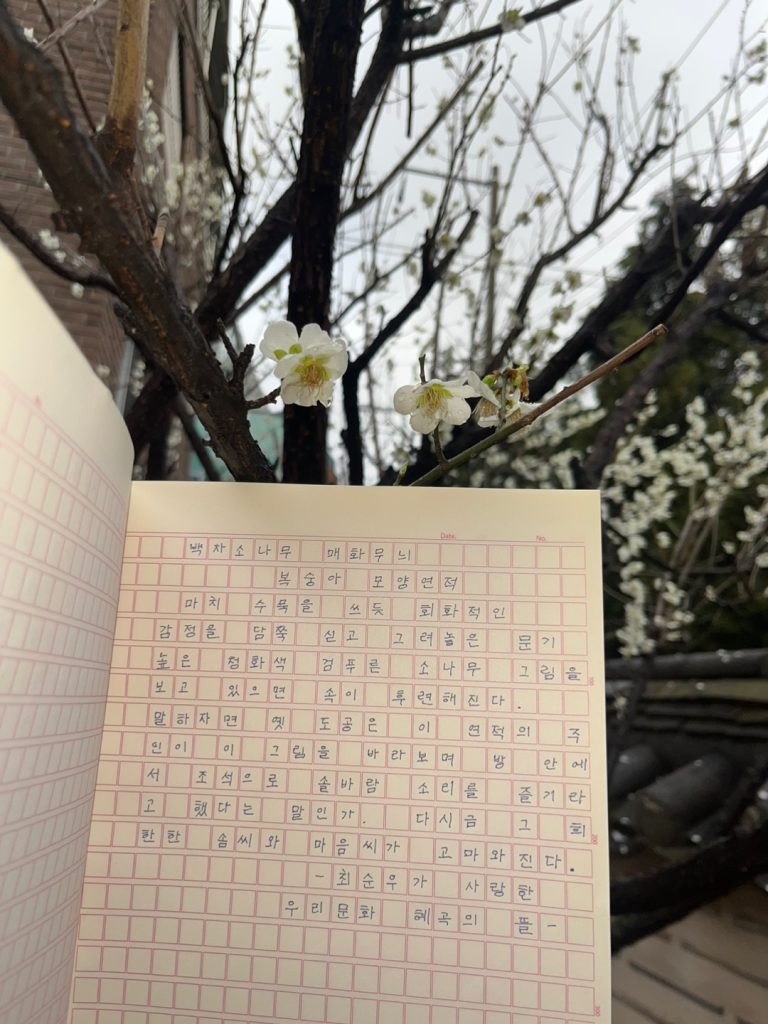
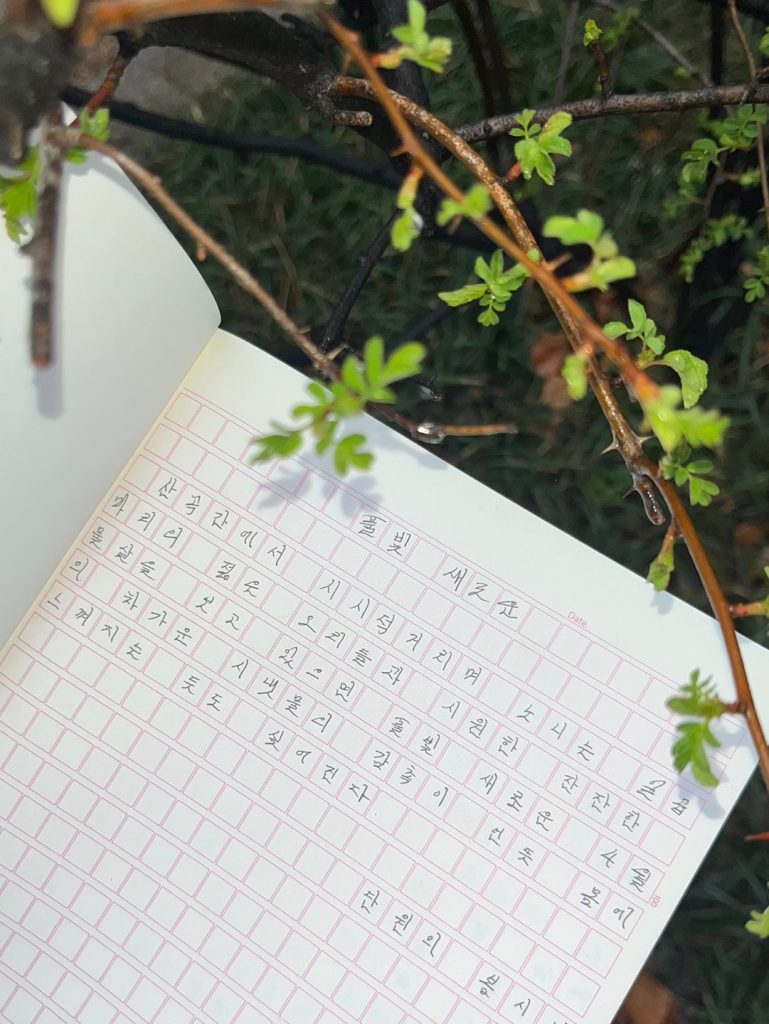
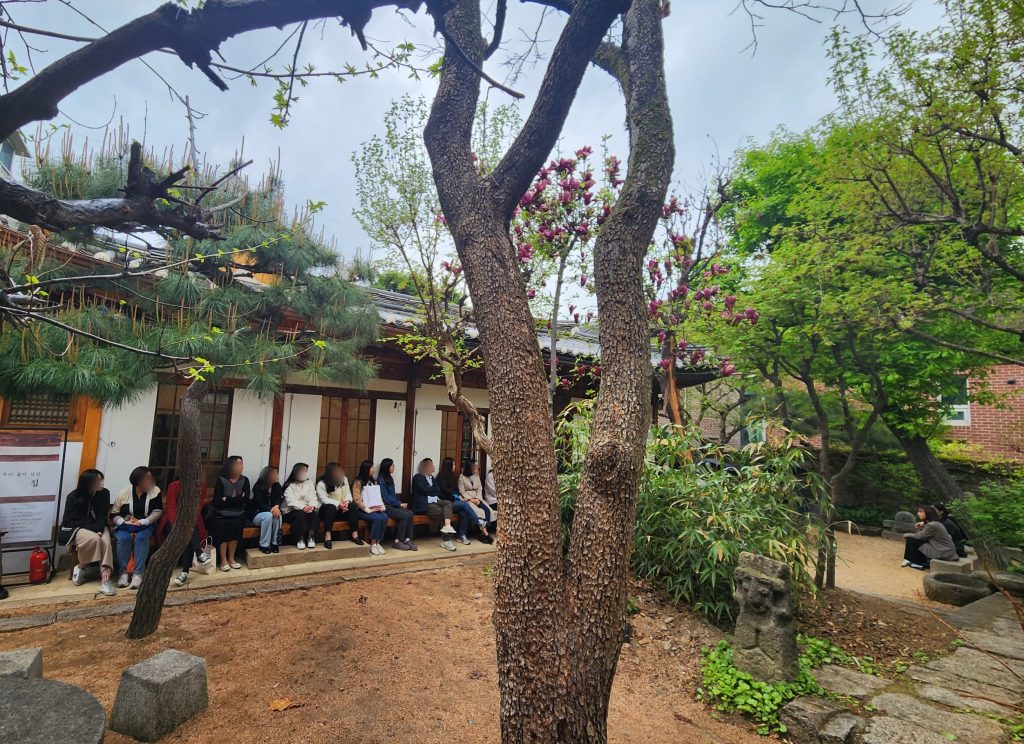
Participants were invited to walk slowly through the traditional courtyard and wooden halls, surrounded by early spring blossoms. Plum flowers and azaleas were just beginning to bloom against tiled roofs and stone walls. The soft sound of rain added to the sensory experience.

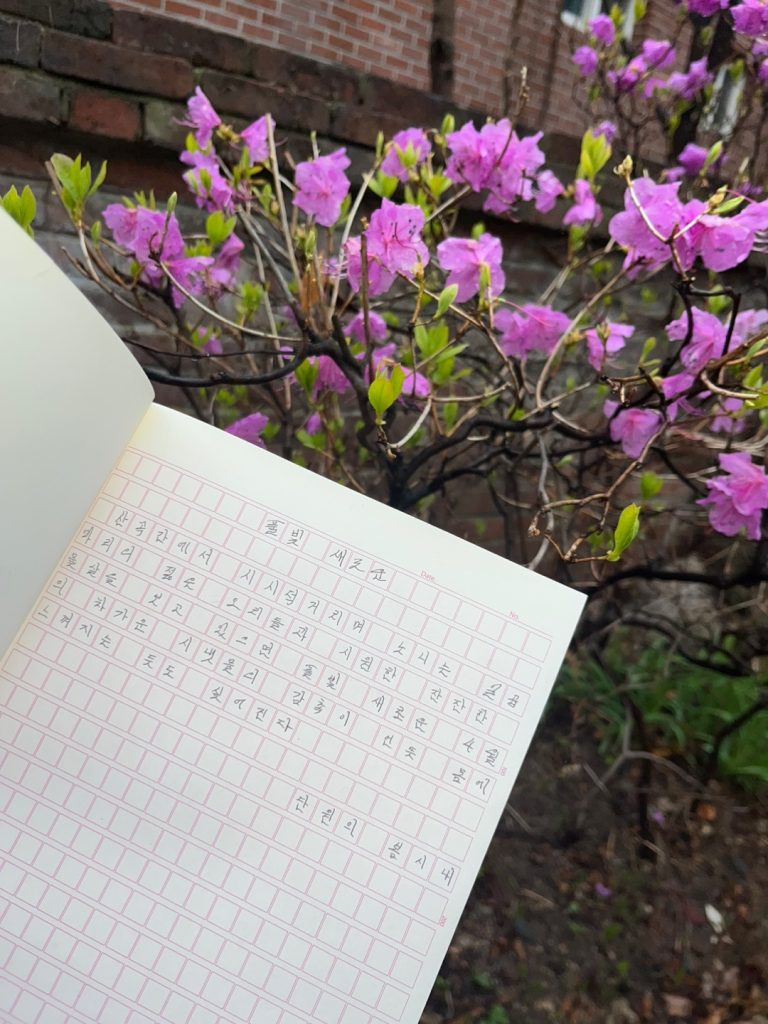
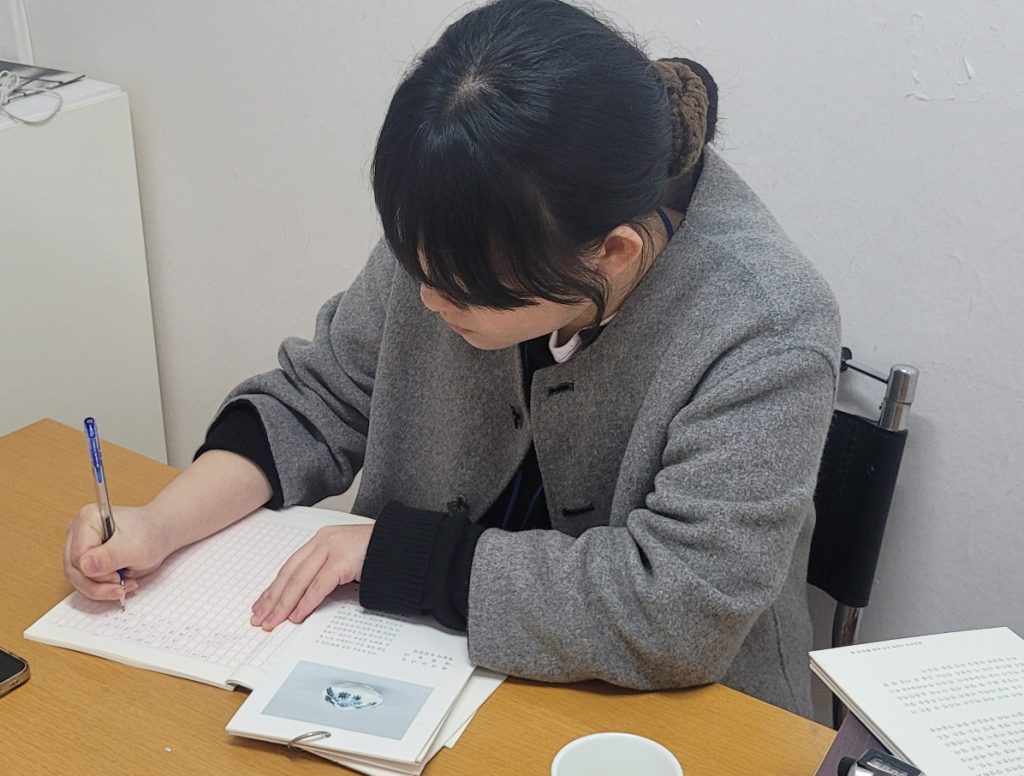
The core activity of the day was transcription.

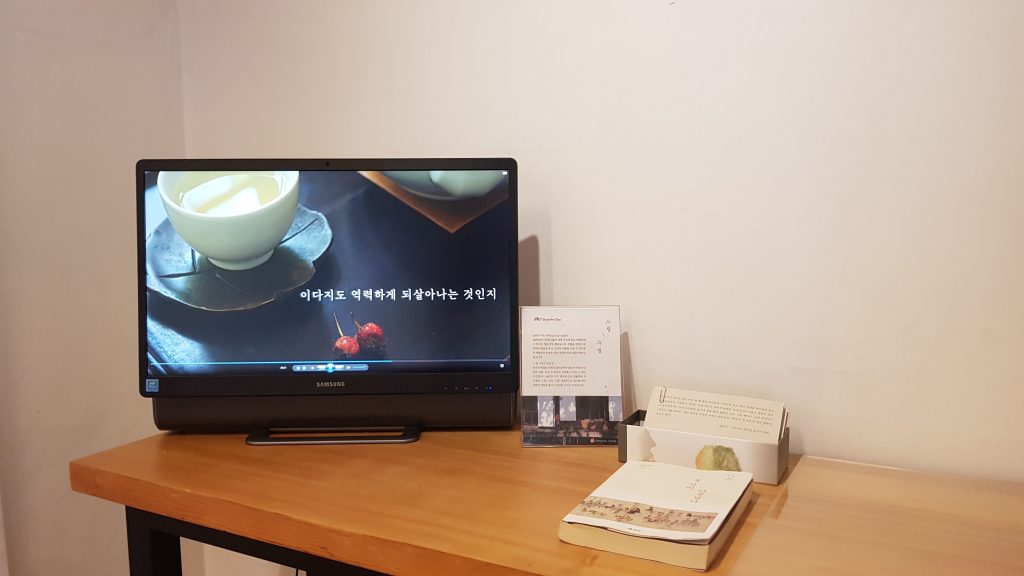
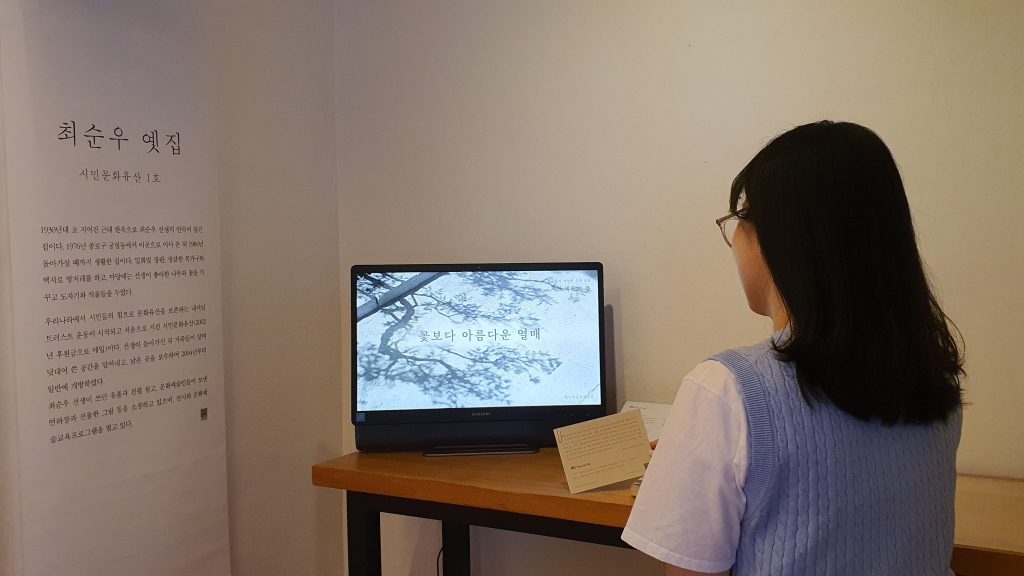
Visitors selected passages from Choi Sunu’s writings and carefully copied them by hand into squared manuscript notebooks. This act of deliberate writing encouraged participants to move at the pace of each word, absorbing not just meaning but rhythm and feeling. The practice echoed traditional Korean calligraphic discipline while remaining accessible to all.

Some guests chose to sit in the courtyard near flowering trees. Others settled indoors beside books and archival materials. A small round table was set outdoors with a publication featuring cultural artifacts and a blank page for reflection. The setting itself — stone statues, gravel paths, wooden floors warmed by filtered spring light — became part of the meditation.

The program encouraged participants to:

  • Take a slow walk through Choi Sunu House
  • Read selected passages from his essays
  • Transcribe a sentence or paragraph that resonated
  • Spend quiet time in the garden surrounded by spring blossoms

By combining slow walking, slow reading, and slow writing, Choi Sunu House beautifully expanded the meaning of Slow Art Day beyond visual observation alone. The event demonstrated how cultural heritage sites can invite visitors into embodied connection with language, architecture, landscape, and memory.

We are grateful to the team at Choi Sunu House and the National Trust Cultural Heritage Fund for carrying Slow Art Day forward in Korea, even under gray skies.

– Ashley, Johanna, Jessica Jane, and Phyl

Rainforest, Sculpture and Surrealism in Xilitla, Mexico

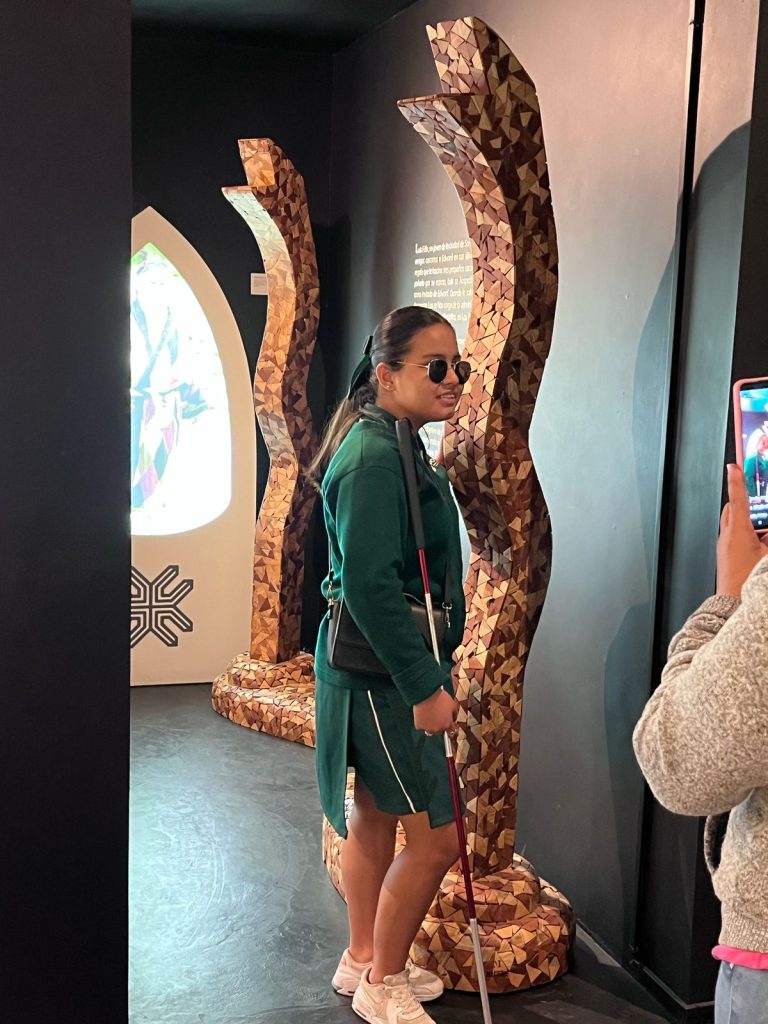
For their first Slow Art Day, the Museo Edward James, also known as Las Pozas, in Xilitla, Mexico hosted a contemplative experience titled “Finding Seclusia,” led by Beatriz Acosta.

The museum, which is dedicated to the legacy of Edward Frank Willis James, is set in a rainforest, and features towering surrealist sculptures amid pools and waterfalls.

That’s all we at Slow Art Day HQ need to know to jump on the plane to Xilitla (pronounced: hee-LEET-lah).

James, an eccentric British poet, artist, and patron of the Surrealist movement created the Edward James Sculpture Garden, Las Pozas, as a fusion of the organic and the artificial, merging jungle and concrete into a single, dreamlike environment where imagination and inner worlds could take physical form.

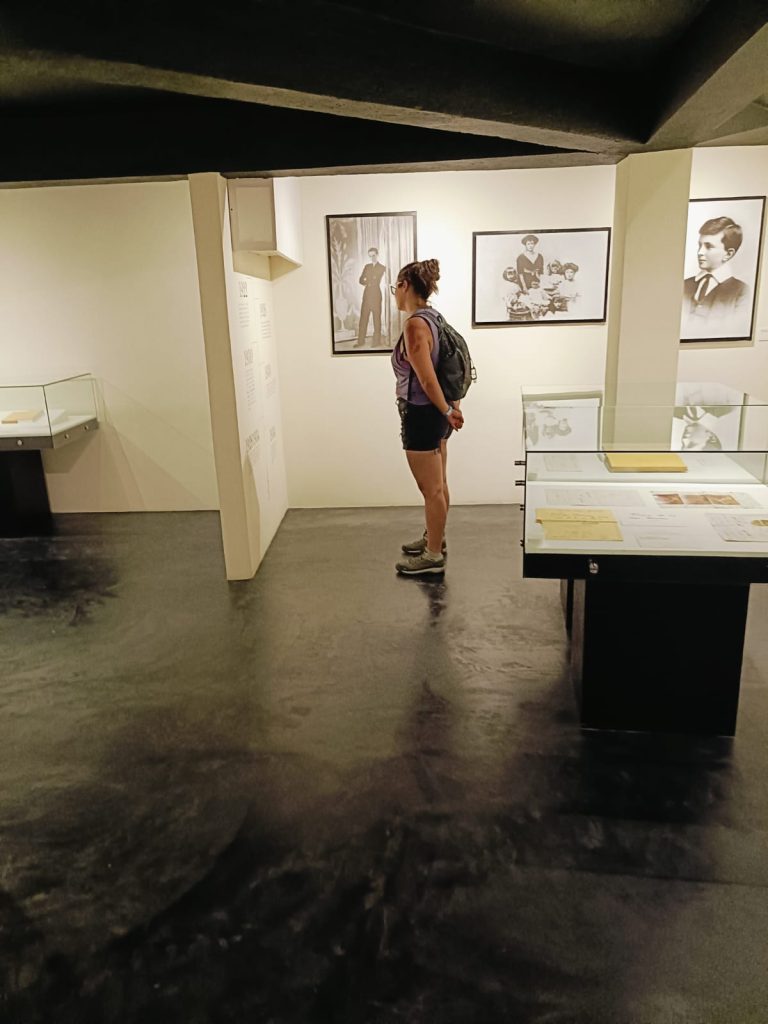
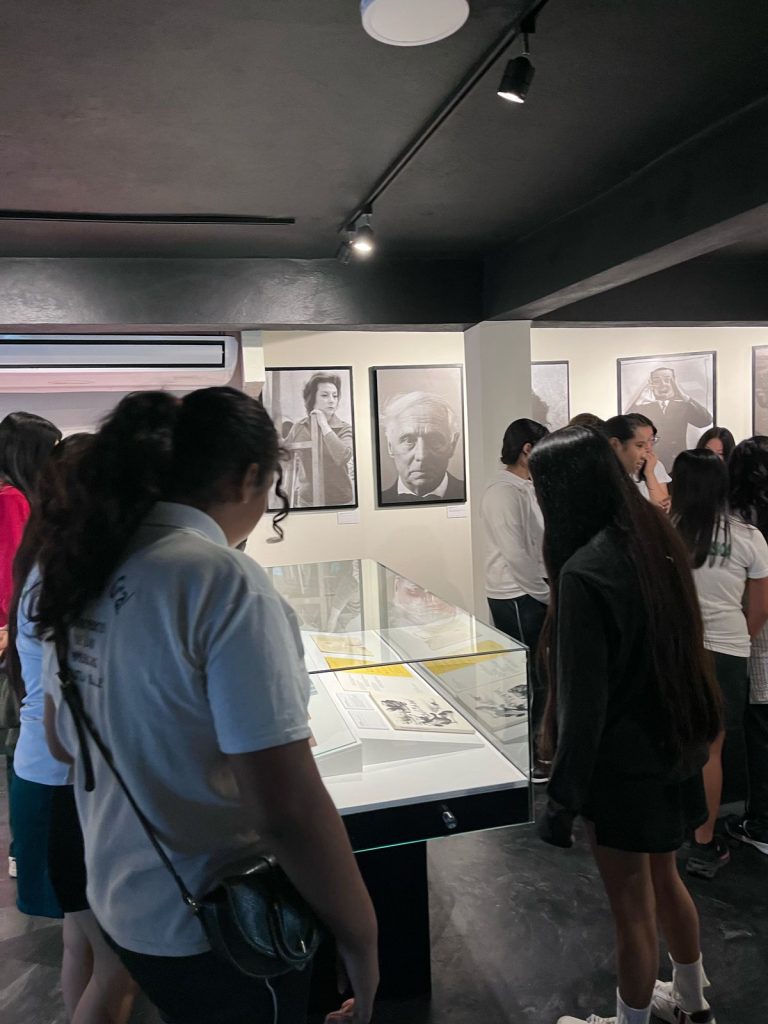
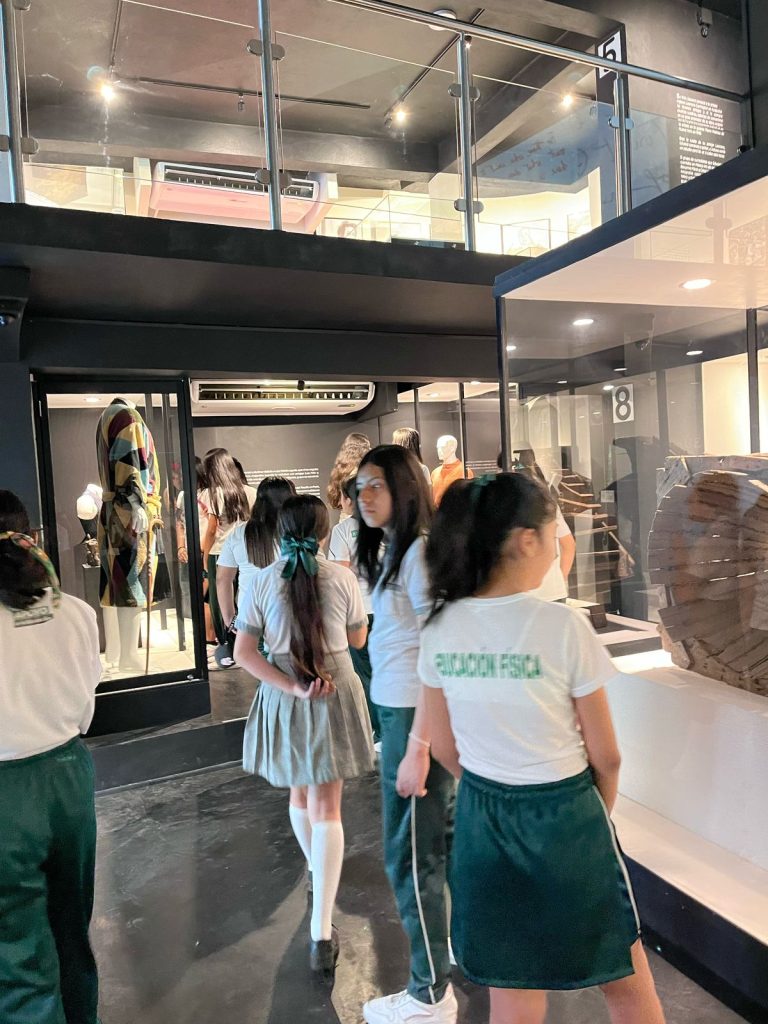
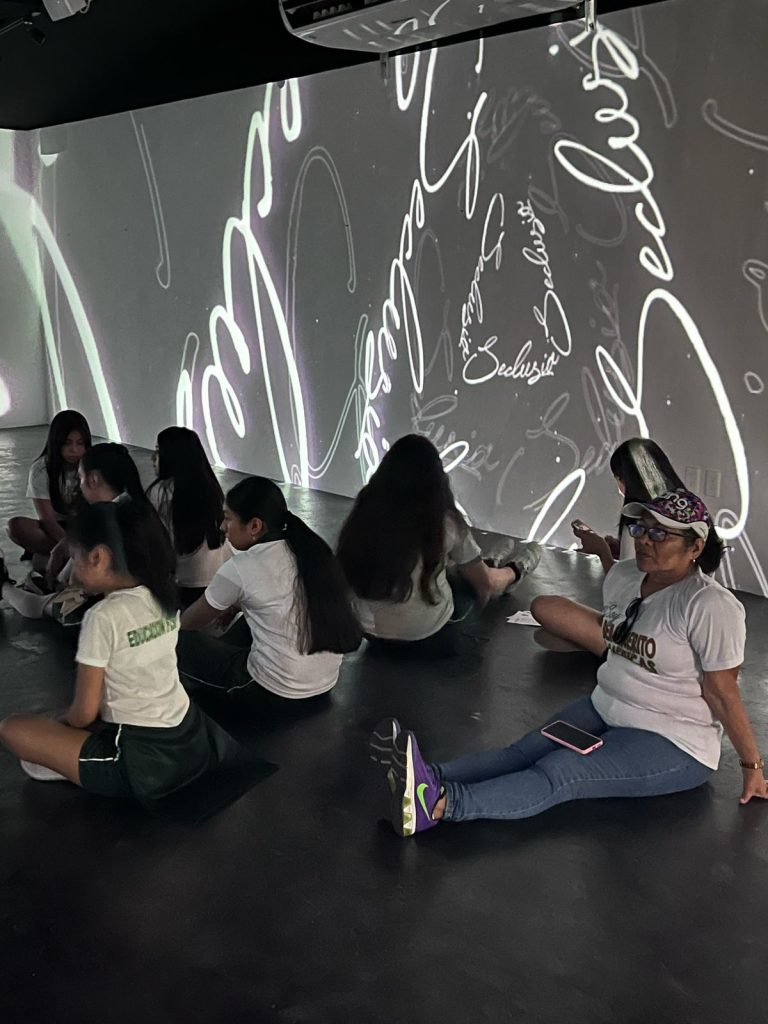
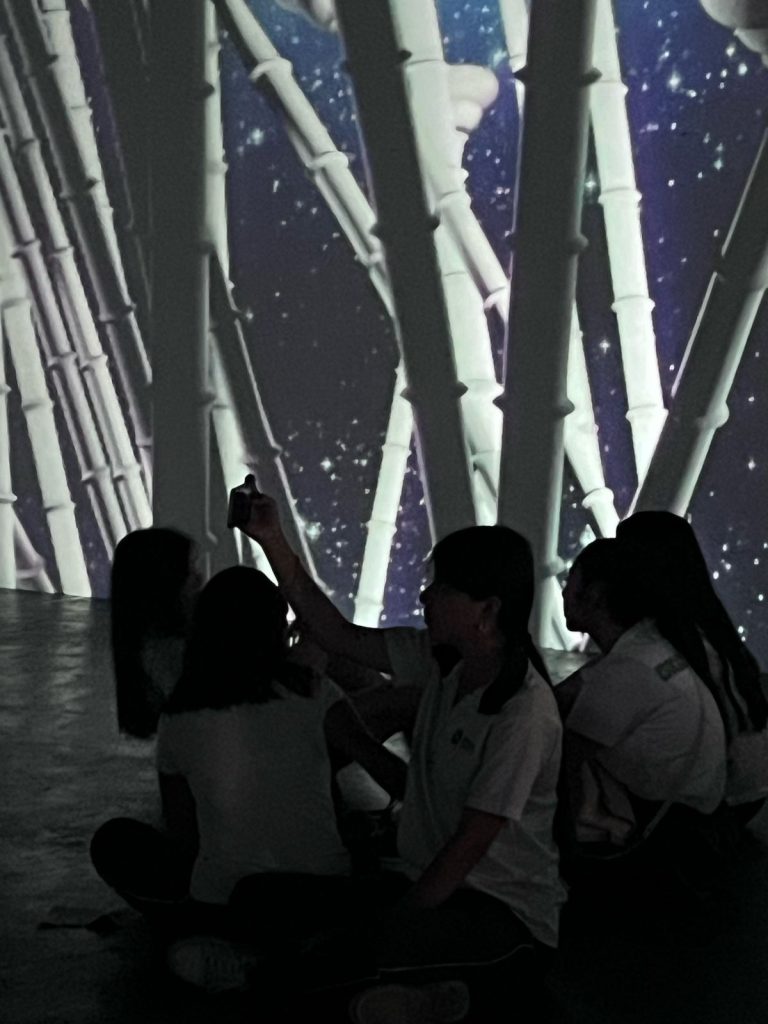
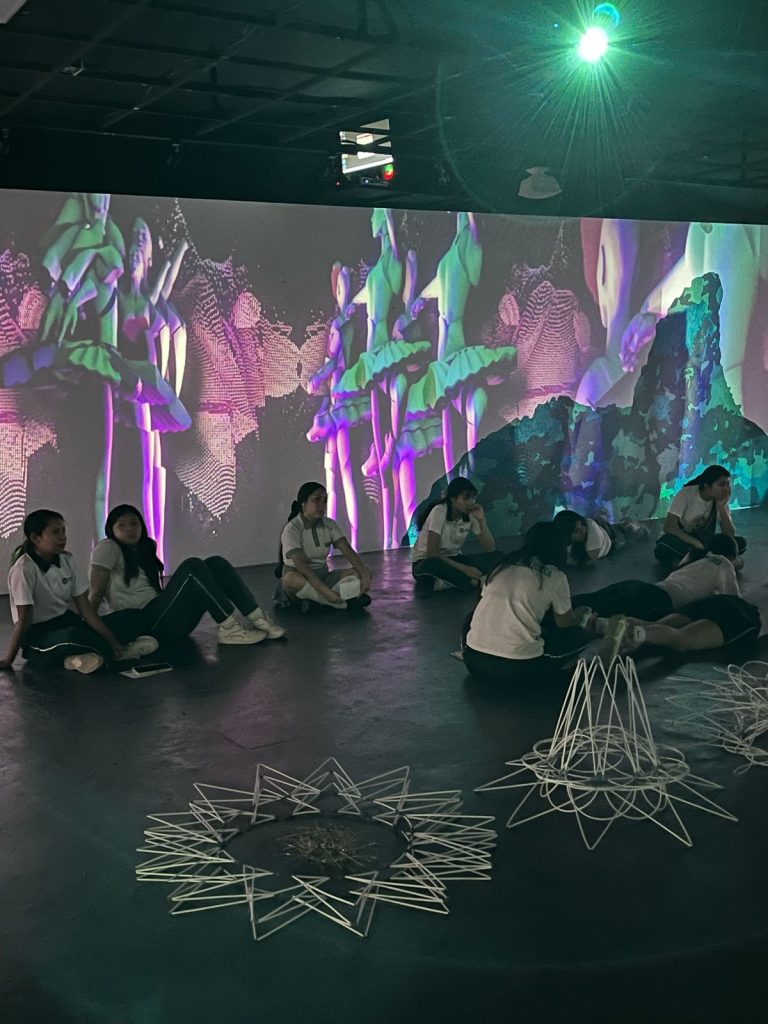
For their Slow Art Day, the museo welcomed a group of high school students through five carefully designed stations with unique slow-looking experiences. The session began in the Seclusia room with an introduction to the Slow Art Day movement and the power and purpose of slow looking. Participants also received a handout with prompts and spaces to write their notes throughout the experience.

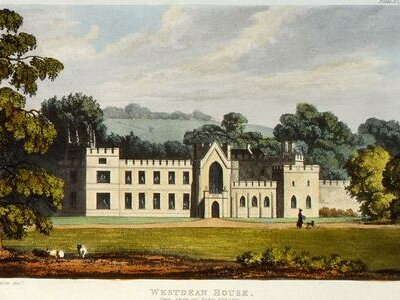
The first of the five stations focused on photographs of West Dean, Edward James’s childhood home. Participants explored James’s early life and family context, reflecting on how expansive spaces and environments can shape imagination and inner worlds.

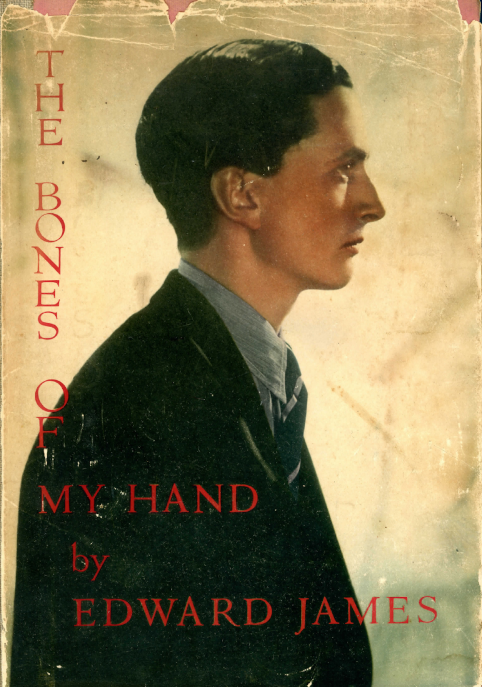
At the second station, participants spent quiet, individual time reading selections from the digital archive of James’s poetry book, The Bones of My Hands. This station emphasized attentive reading and personal interpretation, allowing each participant to engage with James’s words at their own pace.

The third station centered on 14 original molds used in the creation of the sculpture garden. Participants closely observed the forms, textures, and details of the molds, considering how abstract ideas are translated into physical structures.

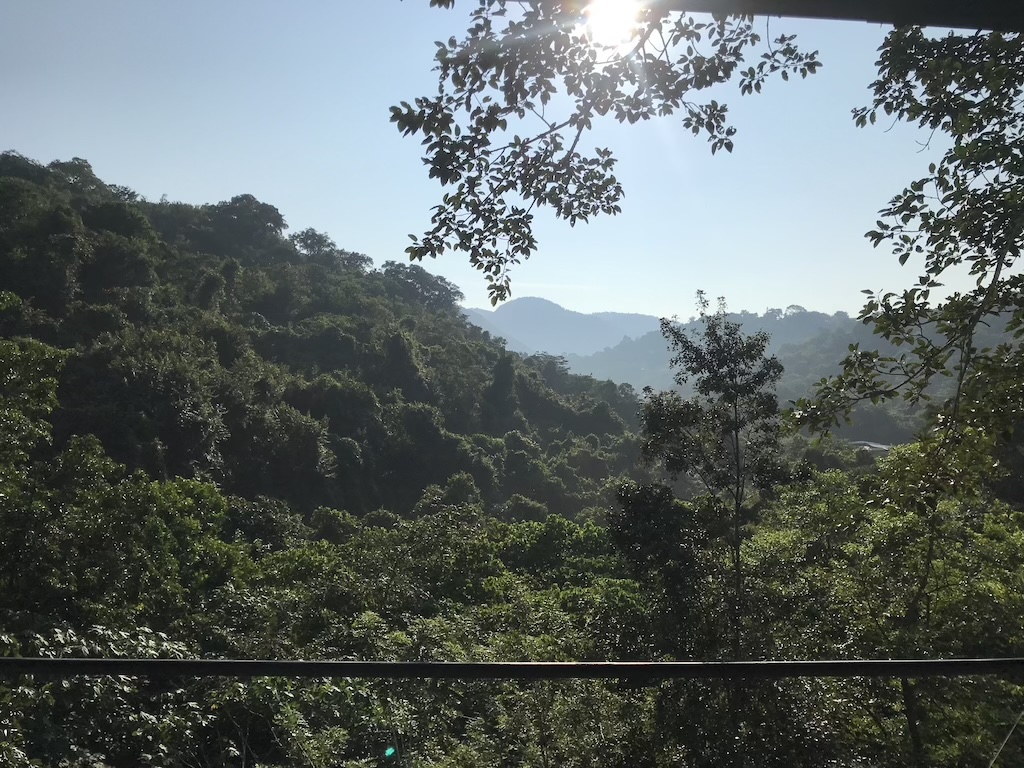
The fourth station took place on the museum balcony, where participants engaged in silent observation of the surrounding landscape. They were invited to notice sounds, colors, movement, and physical sensations, recognizing nature as an essential component of James’s creative universe.

View from the Museum.

The final station consisted of a 15-minute immersive video, Seclusia, which explored themes of imagination, interior worlds, and the human desire to create a personal refuge. This concluding experience allowed participants to synthesize what they had encountered throughout the session.

We at Slow Art Day HQ love everything about this and look forward to seeing what creative design the Museo Edward James comes up with for Slow Art Day 2026.

– Ashley, Phyl, Jessica Jane, and Johanna

P.S. Follow them on their Instagram.

Art, Performance, and Community in Alkiza, Spain

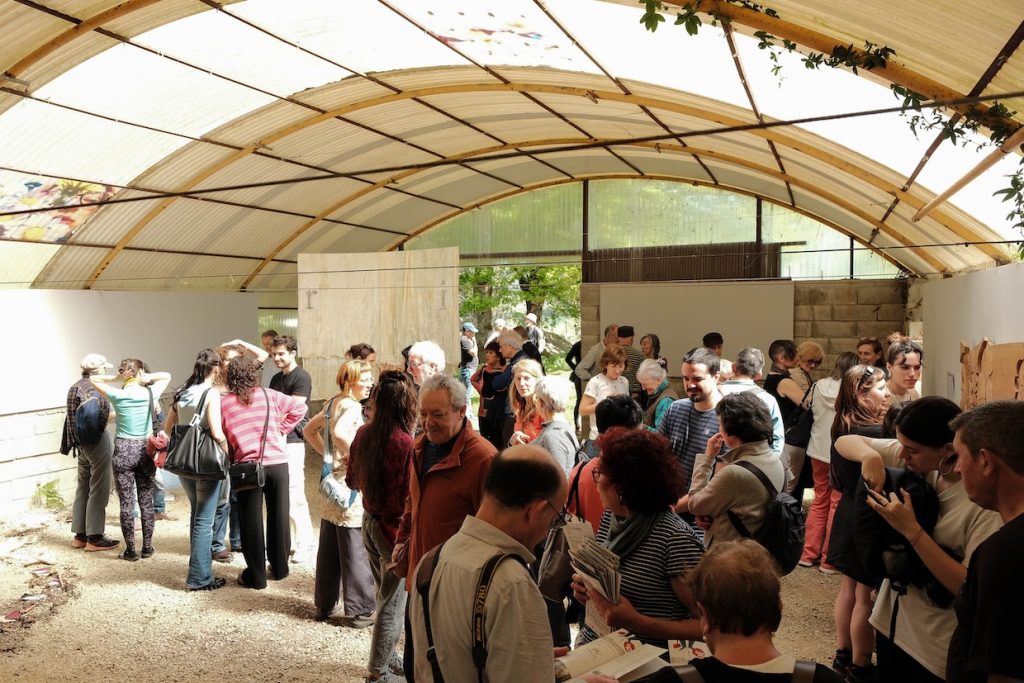
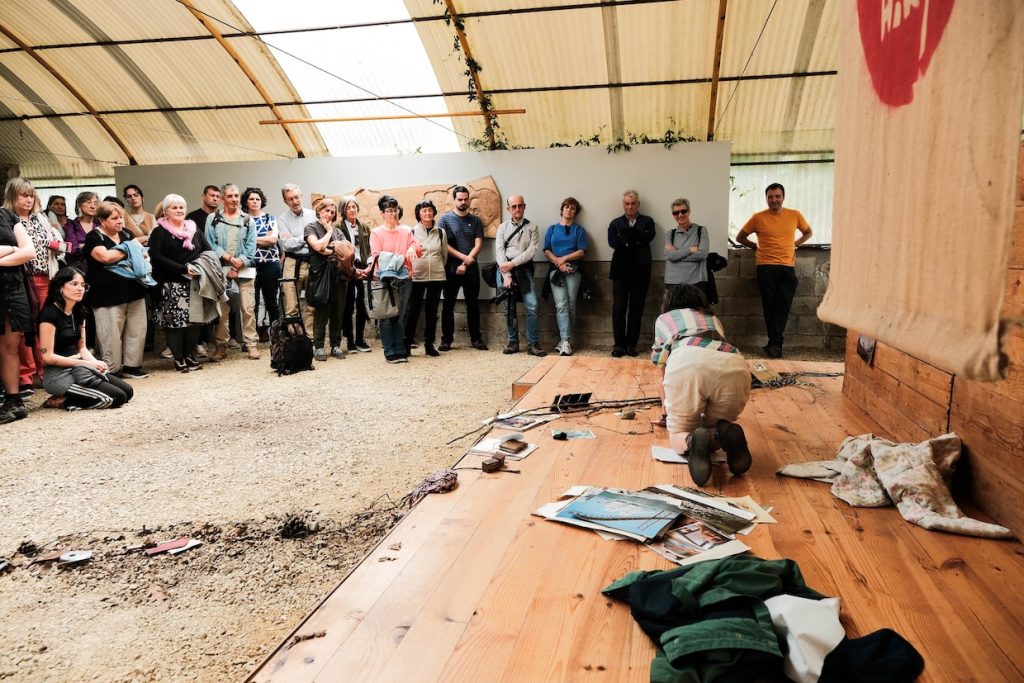
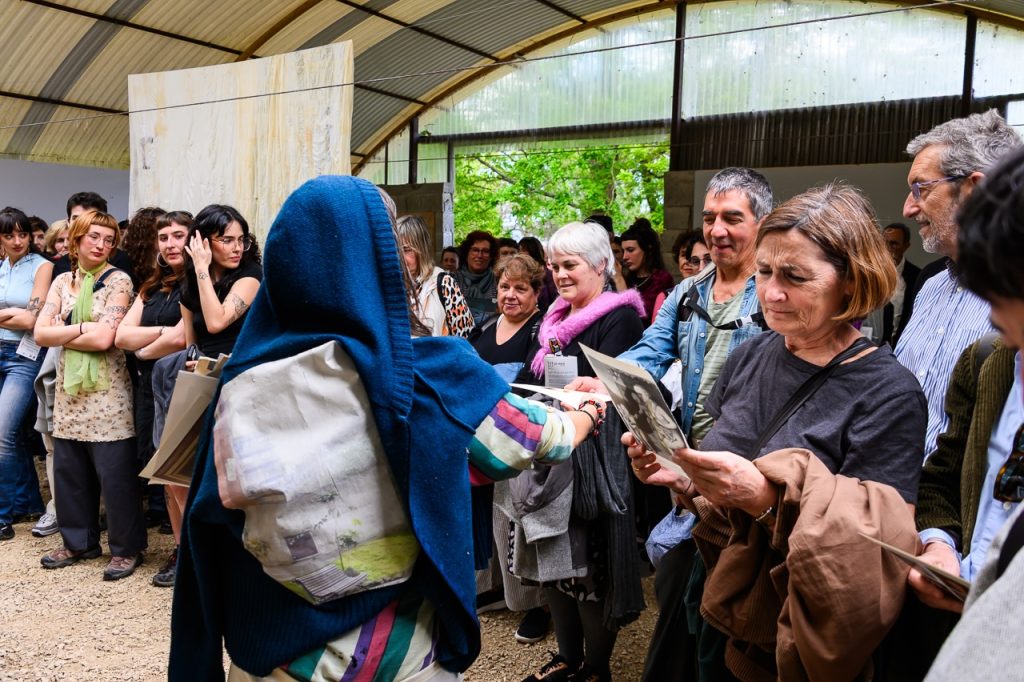
For their 10th Slow Art Day, Ur mara Museoa in Alkiza, Spain, hosted a gathering that combined exhibition, performance, and a shared meal in a single, community-centered experience.

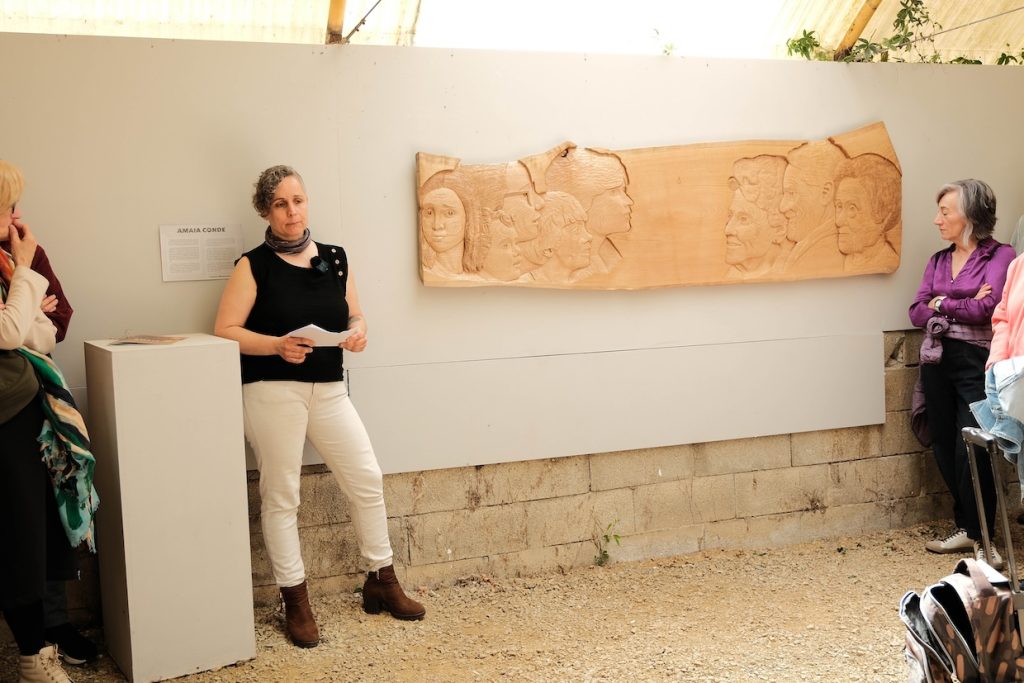
The event featured an exhibition by artists Ruth Anne Lopez, Amaia Conde, and Ainhoa Apezteguia, alongside a live performance by Leire Ugalde.

They put together a terrific video summary of the full day, which you can watch below.

Highlights included:

– A poetic reflection on touch and memory (0:59-2:08), using the metaphor of raindrops to explore how we interact with and preserve moments.

– An artistic piece focusing on skies and images (2:18-2:38), highlighting how images can capture what life cannot.

– An interview with artist Amaya Condechirt (2:51-3:36), who discusses her passion for wood carving and how her sculptures (3:03-3:18) explore the human form and complex life themes to bridge communication gaps in society.

– A sculptural work featuring older individuals and children (3:37-3:47), with one child breaking the fourth wall to question what they are being told, adding a touch of adolescent humor (3:48-3:56).

– A brief moment of reflection on new ideas and connections (4:41-4:50).

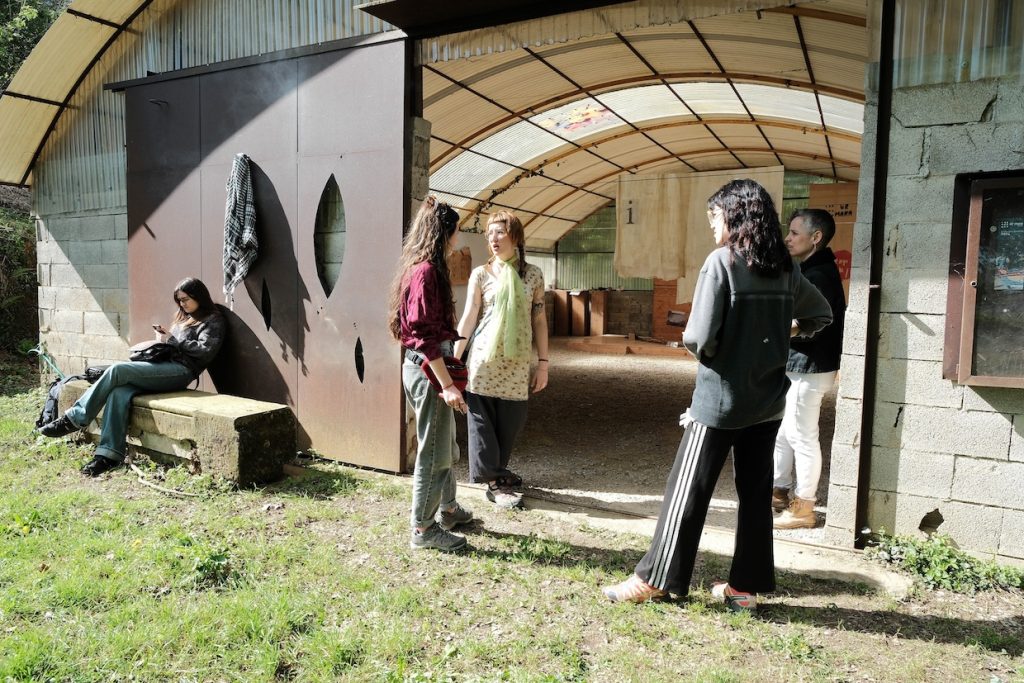
In addition, here are some still photos of the event.

As always with Ur Mara Museo, slow food was a part of the full day experience.

Thus, following the exhibition opening and performance, the museum organized a community lunch that brought together artists and visitors. The day as a whole reflected Ur mara Museoa’s mission, which we love, to connect contemporary artistic practice with local community life.

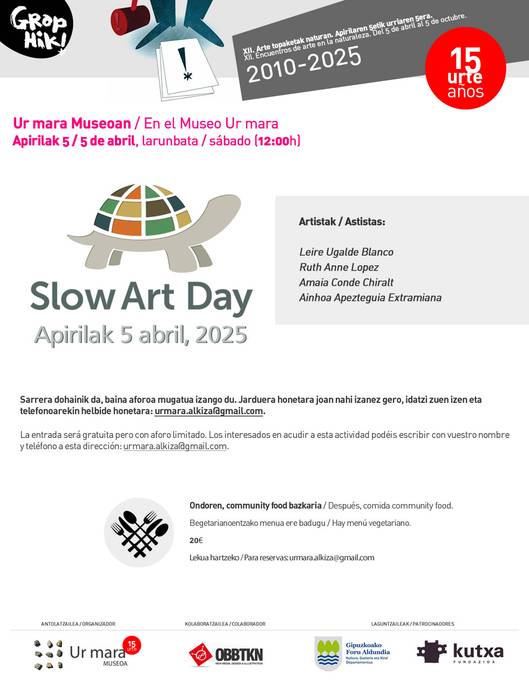
Below is their flyer for the event.

https://28kanala.tok-md.com/argazkiak/Gwx/cache/urmara_aprilak_5_tokikom_700x700.jpg

The museum shared documentation of the day through its social media channels, capturing both the exhibition and the collective atmosphere of the event.

We thank the team at Ur mara Museoa for their dedicated 10 years of leadership in the Slow Art Day movement. We look forward to seeing what they come up with for Slow Art Day 2026.

– Ashley, Johanna, Jessica Jane, and Phyl

P.S. Follow Ur mara Museoa on Instagram

Accessible Slow Art Day Hosted by the Art Gallery at Evergreen

For their third Slow Art Day, the Art Gallery at Evergreen in Coquitlam, Canada, invited visitors to look slowly at two artworks from their touring exhibition “Paths” for 5-10 minutes each:

Both artworks were part of the 2024 Capture Photography Festival Selected Exhibition Program.

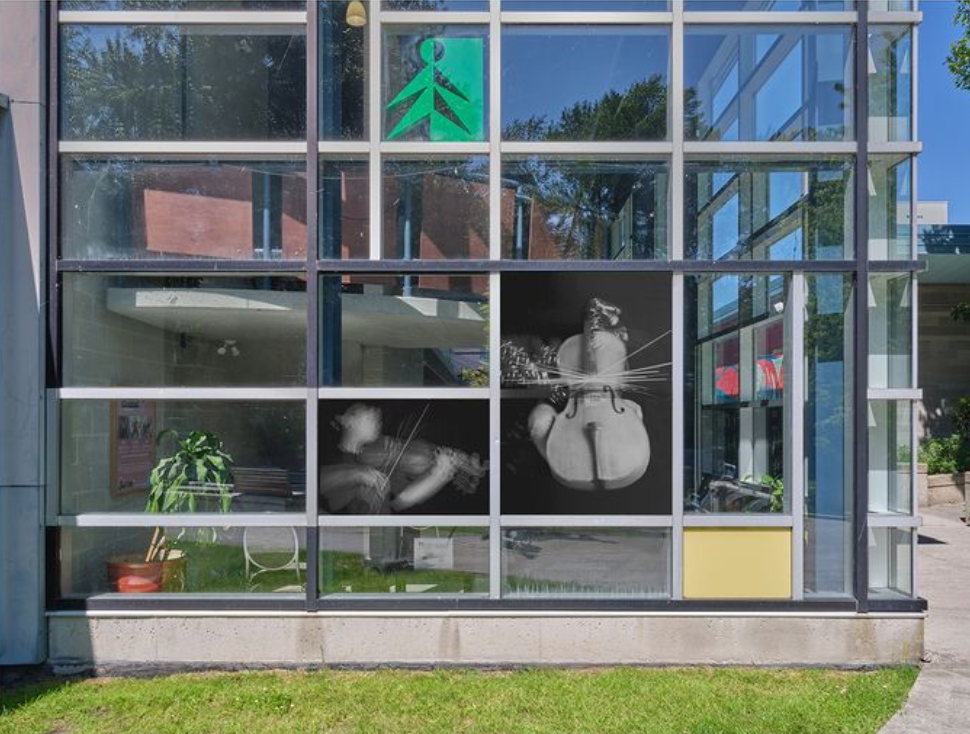
Silas Ng, “Music in My Eyes,” 2020, site-specific installation at the Art Gallery at Evergreen, Evergreen Cultural Centre, 2024. Photo: Rachel Topham Photography. @racheltophamphotography
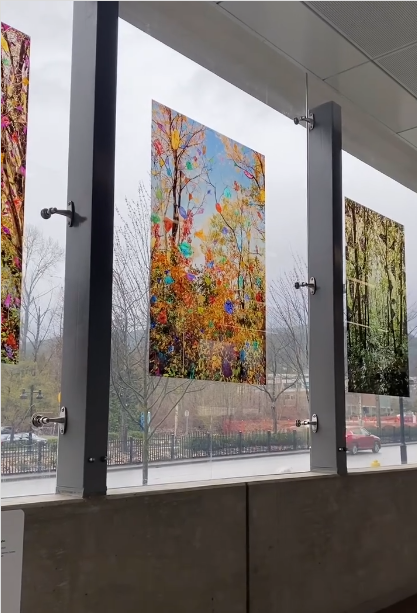
Still from a video featuring an interior pan of Sarah Anne Johnson’s “Woodland” across several window panels at the Lafarge Lake-Douglas SkyTrain Station. Woodland was presented at Evergreen in partnership with TransLink.

On the day, all visitors were invited to look slowly at one or both artworks using the below provided prompts. We encourage museum educators to take a look.

The activity was self-directed, but after doing individual slow looking, participants could discuss their experience with gallery assistant Kim Grewal, or were encouraged to share their reflections on Instagram. Before leaving, they were also invited to continue the slow looking experience by spending time with some of Evergreen’s public artworks, located only steps away from the gallery.

The exhibition “Paths” featured artwork by twenty-two Canadian artists, two of which were placed in focus for the Slow Art Day event. We’ll note that one of the featured artists, Silas Ng, is deaf, and explores this in his work. In fact, his featured work “Music in My Eyes,” 2020, encourages slow lookers to think creatively as they spend time with the art.

We look forward to seeing what Art Gallery Evergreen comes up with for Slow Art Day 2025.

– Johanna, Ashley, Jessica Jane, and Phyl

P.S. Stay up to date with events at Art Gallery Evergreen through their Instagram or Facebook.

Eat, Drink and Merrily Look at Art with Ur Mara Museoa

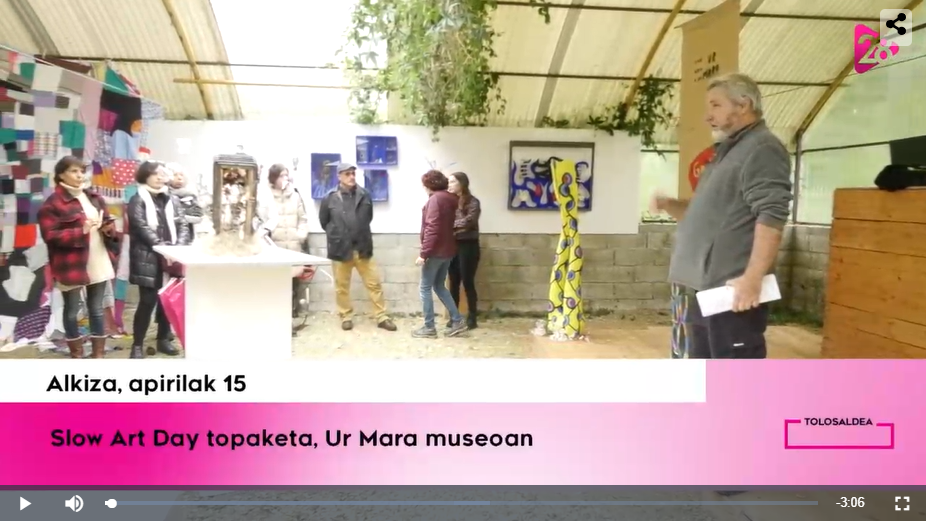
Our favorite Basque museum, Ur Mara Museoa, held its eighth Slow Art Day in 2023 and, like they have done in the past, they arranged a full day of slow looking, cooking, eating, and dancing.

The art came from five artists inspired by the French ecological movement of the 1990s, which sought to oppose the consumerist and speculative art market, and to instead advocate for ecological aesthetic values such as recycling and craftsmanship.

The five artists represented included:

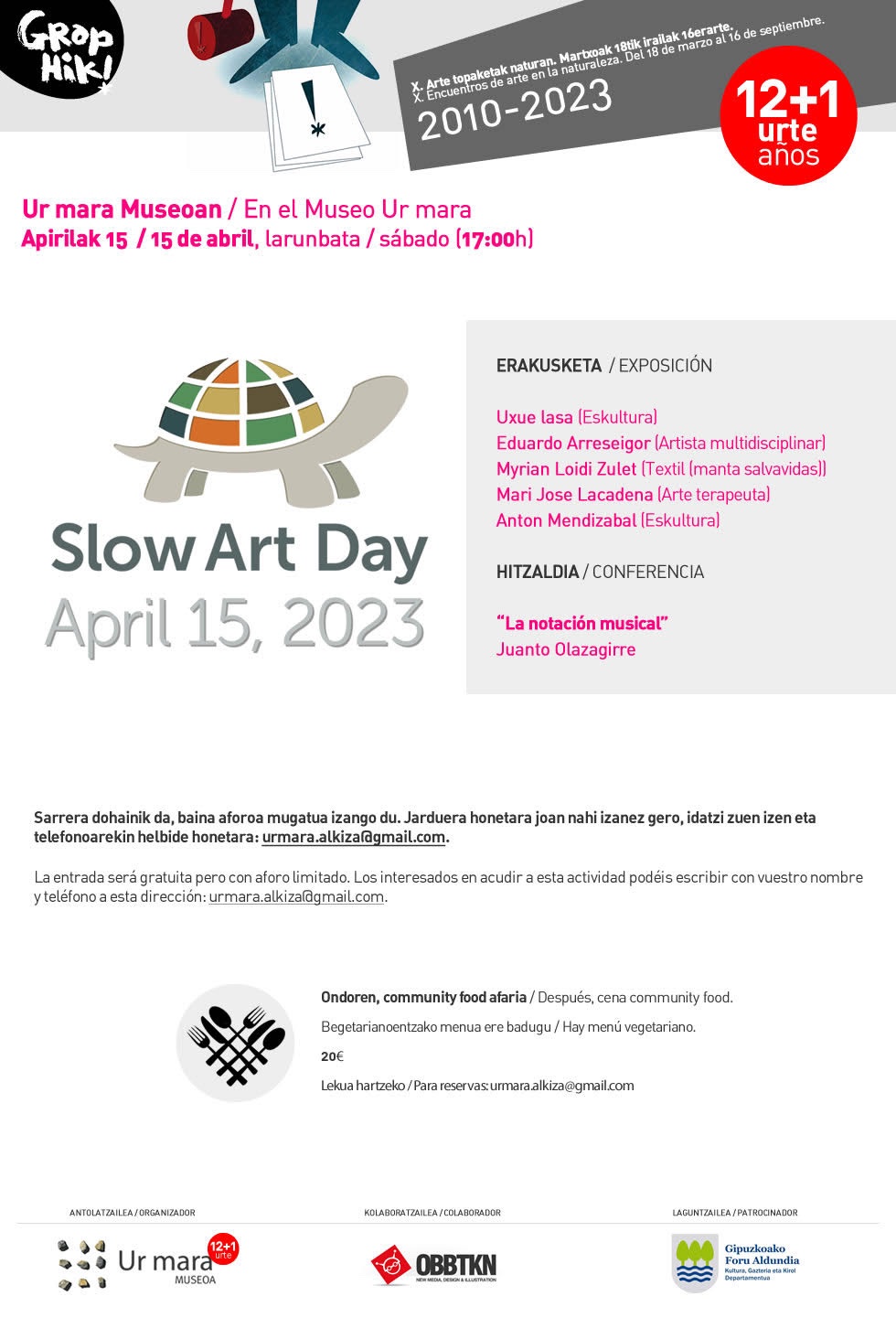
Uxue Lasa (sculpture)
Anton Mendizabal (sculpture)
Myrian Loidi Zulet (textile)
Mari Jose Lacadena (therapeutic art)
Eduardo Arreseigor (various art)

Further, a lecture by Juan Tomas Olazagirre – “La notación musical” – was held before the end-of-day special dinner (the dinner known as “community food”).

Click the above photo to watch a video excerpt.

Below is the promotional flyer they used to spread the word about their Slow Art Day.

Someday the Slow Art Day HQ team will finally make the trek to Ur Mara Museo so we can participate in their amazing daylong celebration of art, food, and community. We look forward to what they come up with for 2024.

Thanks,

– Johanna, Phyl, Ashley, and Jessica Jane

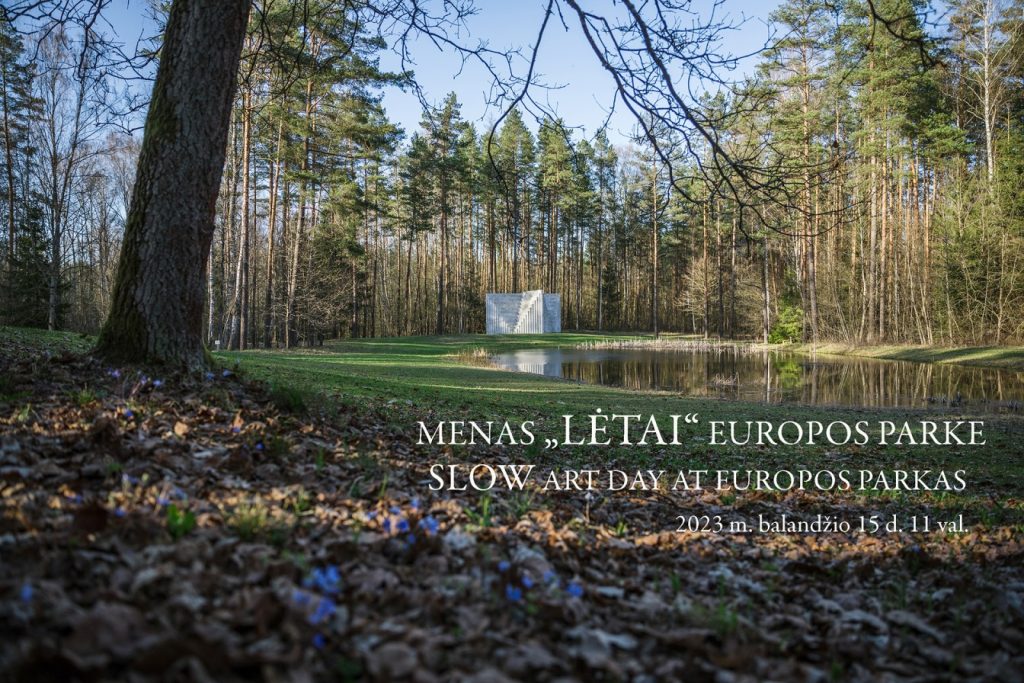
An Ecological Journey of Artistic Discovery at Europos Parkas

For their fourth Slow Art Day, the Open-Air Museum Europos Parkas, in Vilnius, Lithuania, organized a plein-air slow looking session with their participants.

Europos Parkas is a 55 hectare (136 acre) open-air museum situated in the center of Europe that began as a relaxing place in the forest where artists, sculptors, and people around the world could meet, and eventually transformed into an open-air museum with modern sculptures and landscape art.

Slow Art Day at Europos Parkas

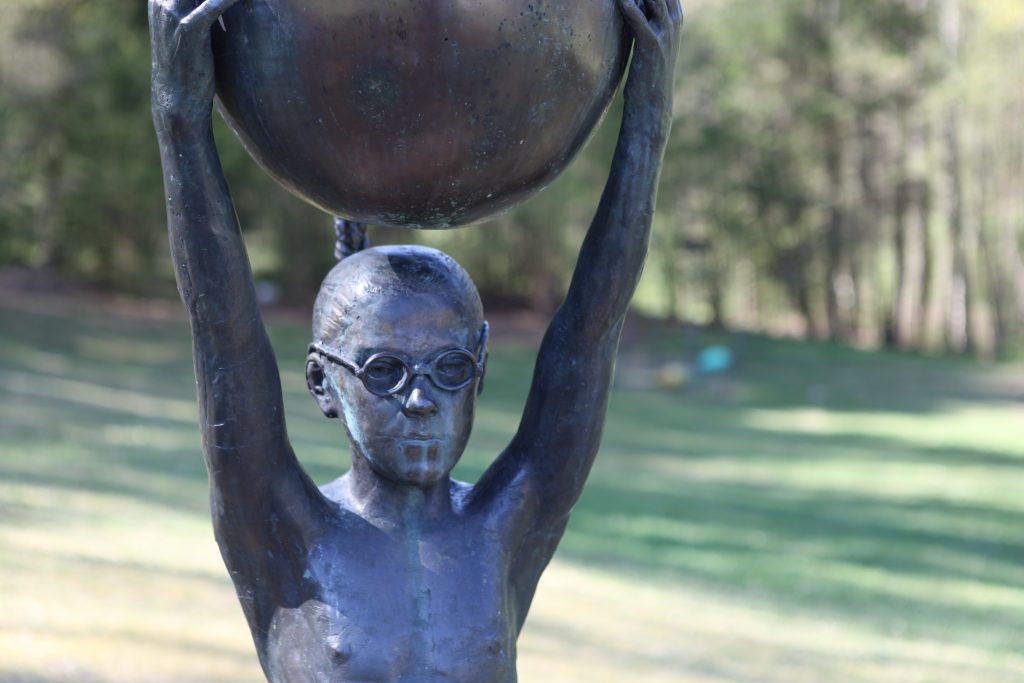
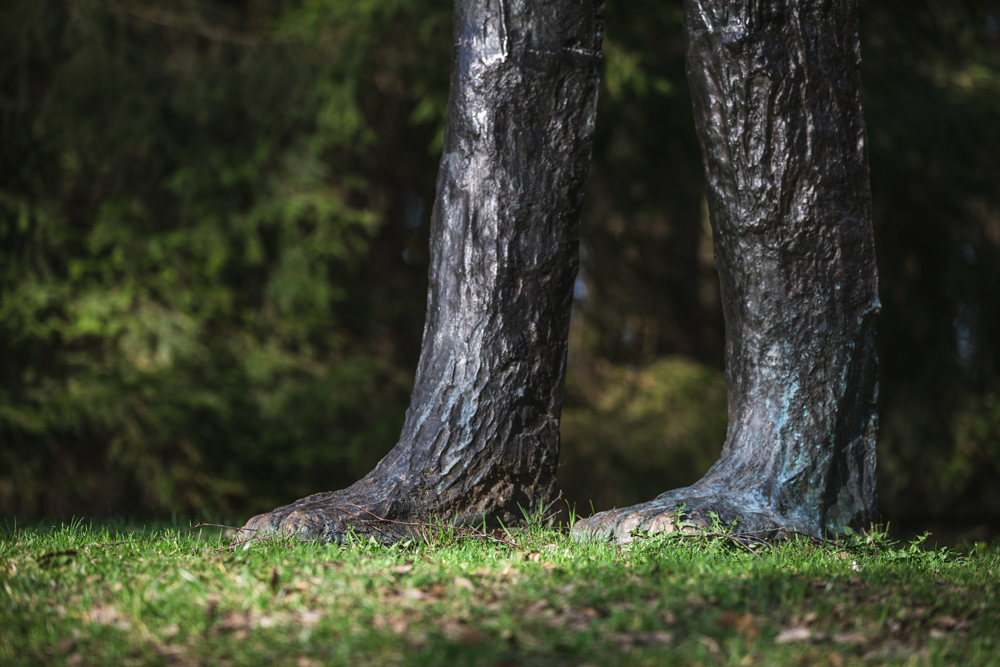
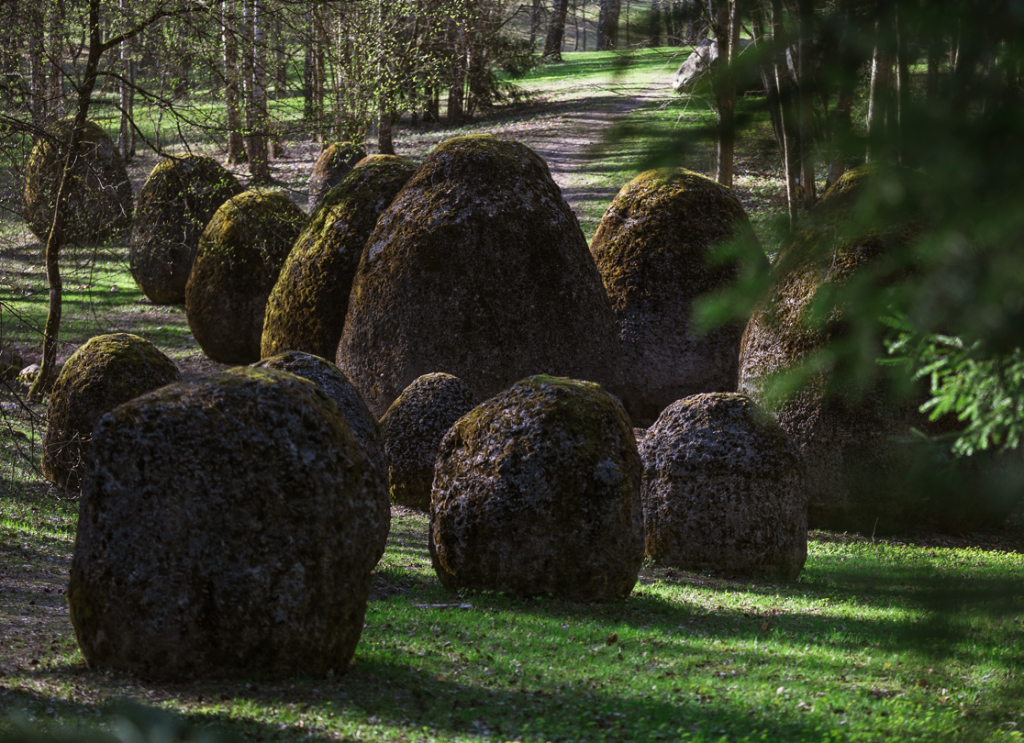
On the 15th of April, participants where invited to slowly experience three different sculptures:

  • “Gintarė/electricity” by Evaldas Pauza (Lithuania)
  • “Conjuror” by Magdalena Abakanowicz (Poland)
  • “Space of Unknown Growth” by Magdalena Abakanowicz (Poland)
“Gintarė/electricity” by Evaldas Pauza
“Conjuror” by Magdalena Abakanowicz
“Space of Unknown Growth” by Magdalena Abakanowicz

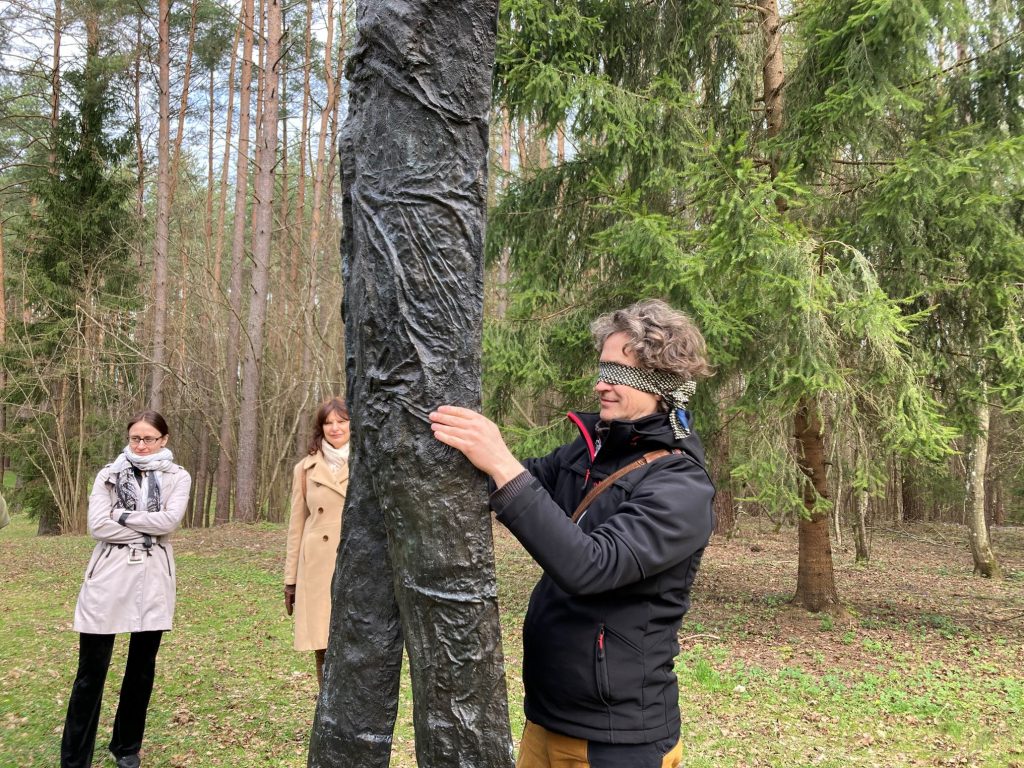
Participants were encouraged to pay close attention to their breathing, all while taking note of the colors, sounds, and smells surrounding them – and even being blindfolded so they could focus on touch.

After the slow viewing, art facilitator Karen Vanhercke led a discussion encouraging participants to make mindful connections between themselves and the surrounding nature, art, and other participants. To make the event more inclusive, discussions were conducted in English with Lithuanian translation. Tea and biscuits were also served.

Participants engaging with sculptures and nature on Slow Art Day

At Slow Art Day HQ, we love the creativity of the Europos Parkas team and look forward to seeing what they come up with in 2024.

– Jessica Jane, Johanna, Ashley and Phyl

P.S. Here you can find their Instagram and Facebook accounts.

Engaging the Senses in Frederiksberg, Denmark

For their second Slow Art Day, the Frederiksberg Museums in Frederiksberg, Denmark, held two guided slow looking events at Cisternerne (The Cisterns), an underground water reservoir that now hosts contemporary art exhibitions.

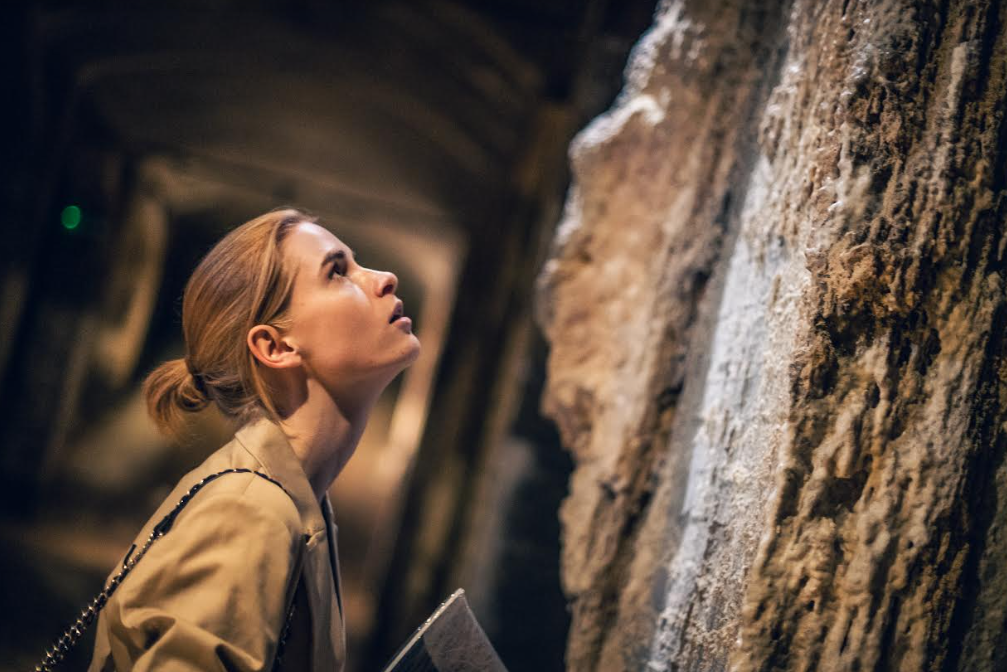
Slow looking participant. Slow Art Day 2023 at Cisterne. Photo: Jacob Hansen.

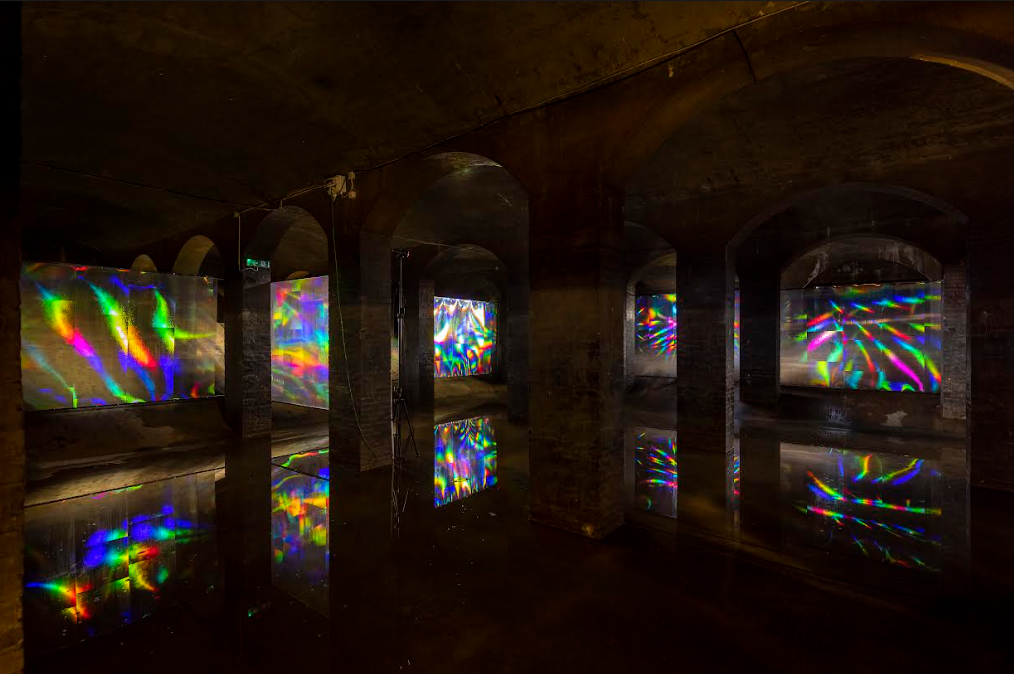
For their Slow Art Day event, Cecilie Monrad, Curator and Health Manager, and Thomas Riis Jensen, Coordinator of Exhibitions and Events, invited participants to engage their senses in a new way by experiencing South Korean artist Kimsooja’s Weaving the Light exhibition at the Cisternerne.

The Cisternerne Exhibition Space featuring Kimsooja’s Weaving the Light installation. Photo: Torben Eskerod.

Before we describe what they did for Slow Art Day, we need to first explain the unique environment of the Cisternerne. It is a 4,400 square meter underground space that never sees daylight, where the humidity is close to 100%, and the temperature fluctuates between 40 and 60 degrees Fahrenheit (4 and 16 degrees Celsius). Sounds vibrate and echo throughout, and a slow surface drip of water creates stalactites on the walls and vaults.

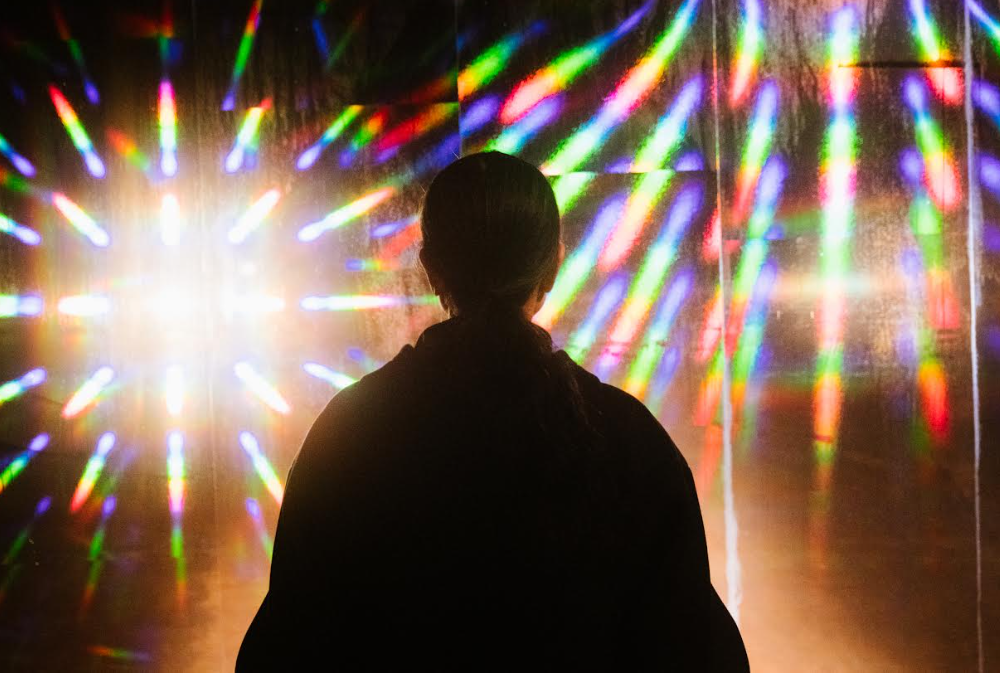
For the Weaving the Light exhibition, Kimsooja transformed the darkness of Cisternerne into an installation of light and color by using diffraction grating film mounted on transparent panels. These let light pass through a microscopic surface of horizontal and vertical prisms, creating a spectacular array of light in the darkness.

Artist Kimsooja at her exhibition Weaving the Light at Cisternerne. Photo: Malthe Ivarsson.

The Slow Art Day event started above ground, where participants first got acclimated to the light, temperature and atmosphere outside. Next, they went down into the Cisternerne together, first spending a moment getting used to the darkness, and change in temperature and humidity. They then self-selected areas throughout the exhibition for a 30 minute slow looking session before heading back to the surface, where they shared observations and reflections from the experience.

The Cisternerne, which is actually one of four museums in The Frederiksberg Museum collection, hosts, along with the other museums, slow looking events throughout the year. This year, for example, the museum collective is leading a research program for young psychiatric users who will investigate slow looking as a component in the recovery process for people suffering from dementia, stress, or depression.

At Slow Art Day HQ we are impressed by the many ways the Frederiksberg Museums are creatively using slow looking in a number of different ways. In fact, we all want to go spend some time with them and think you should do the same.

We look forward to whatever they come up with for Slow Art Day 2024.

-Johanna, Ashley, Jessica Jane, Phyl

P.S. Note that the Cisternerne is actually one of several museums in The Frederiksberg Museum collection, which also includes:
STORM – Museum of Humor and Satire
Bakkehuset – Museum of the Danish Golden Age
Møstings – Danish Museum of Contemporary and Modern Art

Korea’s First Slow Art Day at Choi Sunu House 

Ran Hee, the manager of the Choi Sunu House Memorial Museum in Seoul, Korea, hosted their (and Korea’s) first Slow Art Day on April 15 with the theme “Neurim & Nurim (느림 그리고 누림)”, which translates to “Slow and Enjoy”.

The event was jointly organized by the National Trust Cultural Heritage Foundation and Ewha Womans University Graduate School of Education participants majoring in art education, Kim Han-sol, Han Yu-jin, and Heo Bona.

Choi Sunu (1916~1984) was an eminent art historian and museum professional who served as the fourth director of the National Museum of Korea until his death. He devoted his life to define and propagate the beauty of Korean art and architecture through exhibitions and writings. The Choi Sunu House, where he lived from 1976 to 1984, is an expression of his aesthetics of simplicity and elegance, and has been open to the public since 2004.

Ran Hee and team created a three-part event:

First, curator Song Ji-young gave participants an introduction to Choi Sunu and his house.

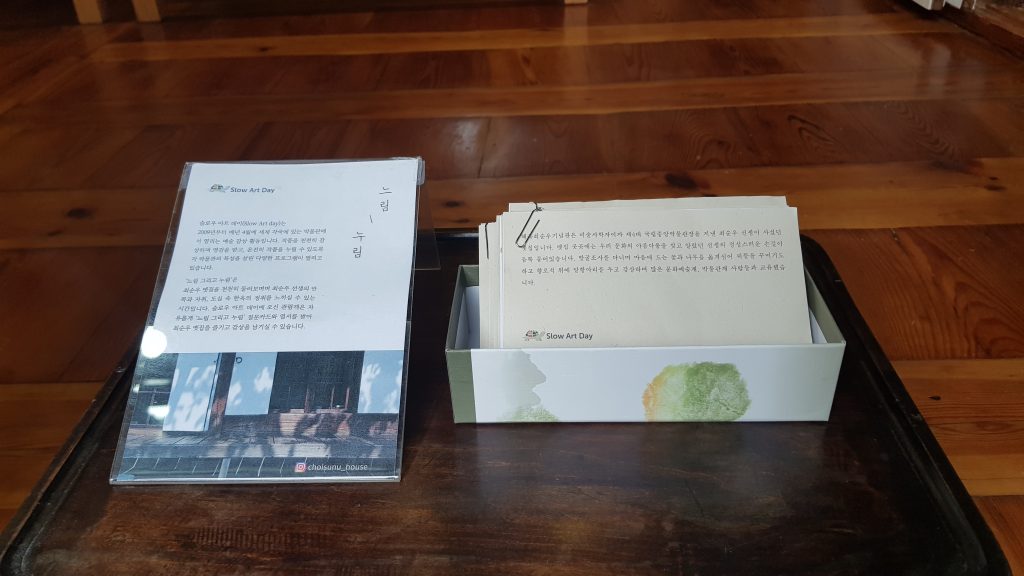
Next, Bona Heo, Ewha Womans University graduate student, Yoo Jin-han, and Hansol Kim handed out question cards with prompts for slow looking (and talked about the slow looking movement).

Last, Professor Han Ju-yeon hosted a video viewing session and discussion with attendees (scroll down to see photos, as well as audio and video excerpts).

Visitors listening to the introduction of the Slow Art Day event.
Curator Song Ji-young introduces the event.
Participant contemplating the question cards.
Flyer for the event.

The hosts prepared a few memorable excerpts from Choi Sunu’s works alongside a video. Participants were also encouraged to write a short note on postcards about their experience.
Slow Art Day experience cards.

Below are a few links to audio and text excerpts of Choi’s works (in Korean): 

Choi Sunu, “Fruits More Beautiful than Flowers”
Choi Sunu, “The Empty Branch of Mid-Winter” 
Choi Sunu, “Light Green Radish” 

We at HQ are glad to welcome the first Korean museum to the slow art movement, and look forward to seeing what the Choi Sunu House designs for Slow Art Day 2024.

– Ashley, Johanna, Jessica Jane, and Phyl

P.S. You can also follow Choi Sunu House on Instagram.

Ur Mara Museoa Shows All of Us How to Celebrate Art

Ur Mara Museoa, located in Gipuzkoa, Spain, held its seventh Slow Art Day this year.

This Basque museum has been a real leader in the slow looking movement showing all of us how to celebrate via daylong events that combine art, food, music, and dance (below is a video from 2019 showing one of their events).

This year’s hosts Koldobika Jauregi and Elena Cajaraville featured work from six artists including Aitor Irulegi, Aihnoa Goenaga, Koldobika Juaregi, Juan Chillida, Julia Leigh, and Maria Giró.

During the event, each artist was given a chance to discuss their work with the attendees (see below for photos of the art as well as photos of participants).

Juan Chillida, Constelaciones
Juan Kruz Igerabide and Koldobika Jauregi, Anaforak
Maria Giró and Julia Leight, La memòria dels dits
Aitor Irulegi, Euria
Ainhoa Goenaga, Isilune

Afterwords food was shared at a community table.

We can’t wait to see what this wonderful and creative group comes up with for next year.

– Robin, Ashley, Phyl, Johanna, Jessica Jane

P.S. Ur Mara Museoa can be found on Facebook, Twitter, Instagram, YouTube, and Vimeo.

Open-Air Slow Art at Europos Parkas

For their third Slow Art Day, Europos Parkas, or the “Open-air Museum of the Center of Europe”, held an in-person event hosted by Lina Karosienė of the European Park, and Karen Vanhercke and Justina Kaminskaite of Easel World, an agency focused on connecting people through art.

Located in the geographical center of Europe, near Vilnius, Lithuania, the European Park is an outdoor museum of modern and contemporary art that has been operating since 1991.

Location of Europos Parkas

Their Slow Art Day featured sculptural works by Marius Zavadskis and Adomas Jacovskis, seen below.

Photography courtesy of Gintare Užtupytė
Marius Zavadskis, Carousal, Photography courtesy of Gytis Juodėnas
Adomas Jacovskis, Lying Head, Photography courtesy of Gytis Juodėnas
Photography courtesy of Gintare Užtupytė

We love sculpture parks and would have enjoyed slowly walking around and inside some of these sculptures.

Participants of the Slow Art Day seemed to love it too – and reported that slowing down changed their relationship to the park and to the art. “Earlier I just saw this park as the place full of objects, and now I see the artworks in a whole new light,” said one. Yes!

The team at European Park also produces year-round Slow Art programming and has created a special route through the park that encourages participants to look at art (and nature) slowly.

This beautiful video in Lithuanian (below) on their YouTube channel gives an idea of how they have done this.

It’s great to have this central European art park participating, especially during this difficult time for the region. We look forward to seeing what they come up with for their fourth Slow Art Day.

– Robin, Ashley, Johanna, Jessica Jane, and Phyl

P.S. You can visit European Park’s Facebook, Twitter, and Instagram pages.