50+ Venues for the Mexico City 2026 Citywide!

Wow. Constanza Ontiveros Valdés — an art writer and cultural project leader – has done it again, but bigger and better.

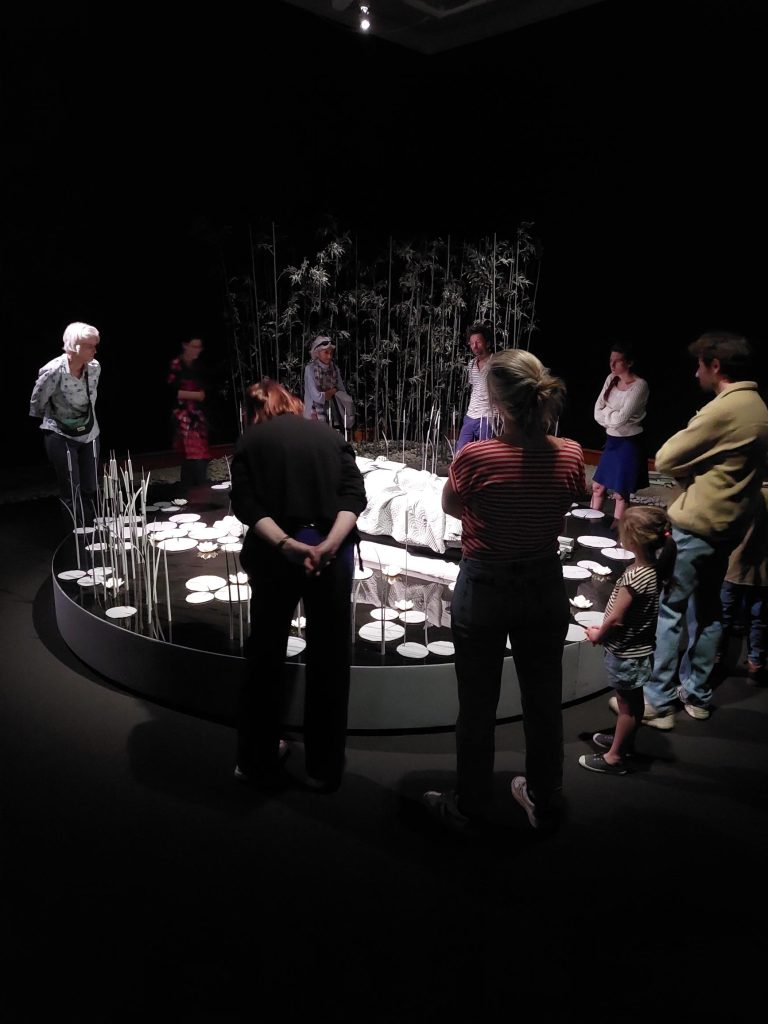
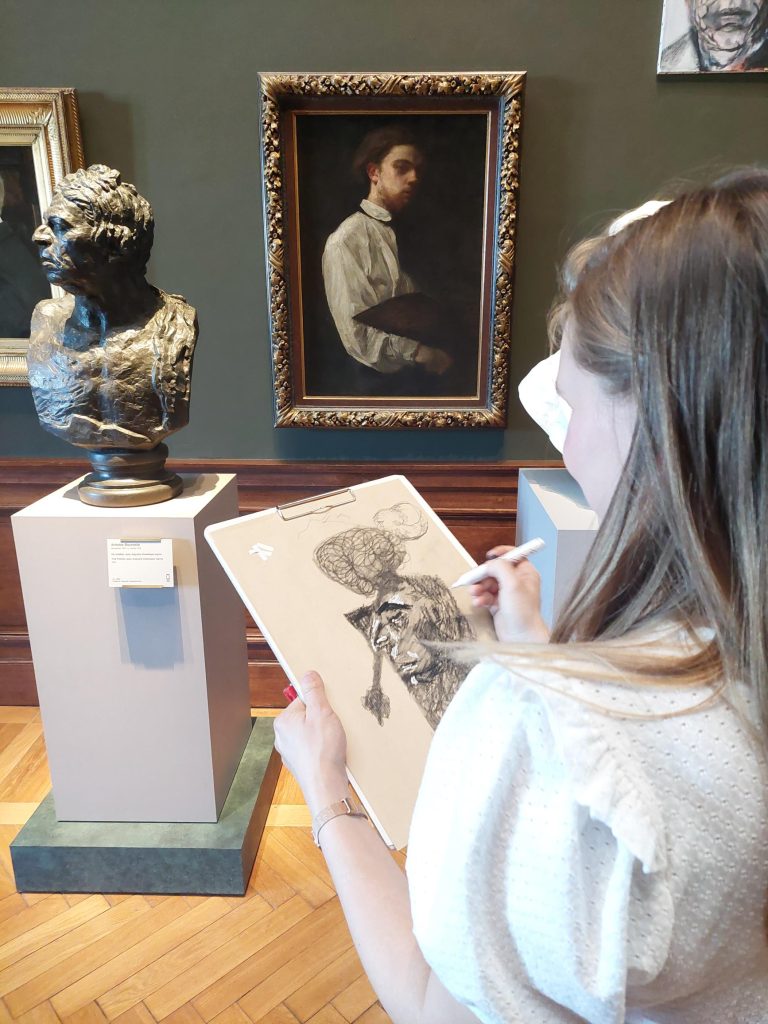
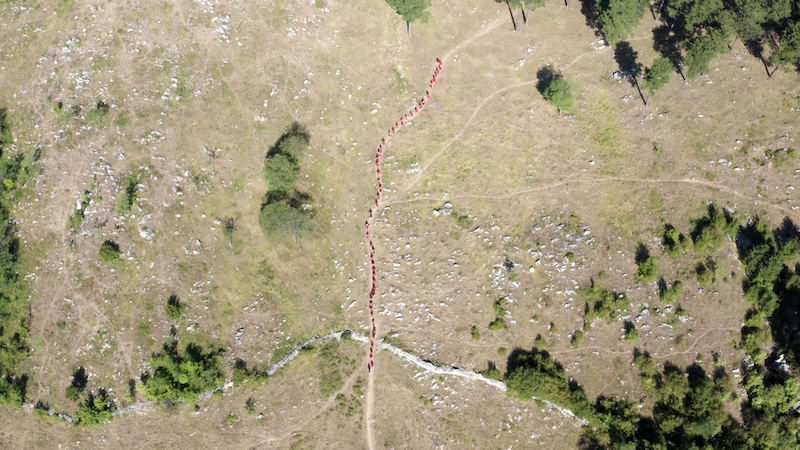
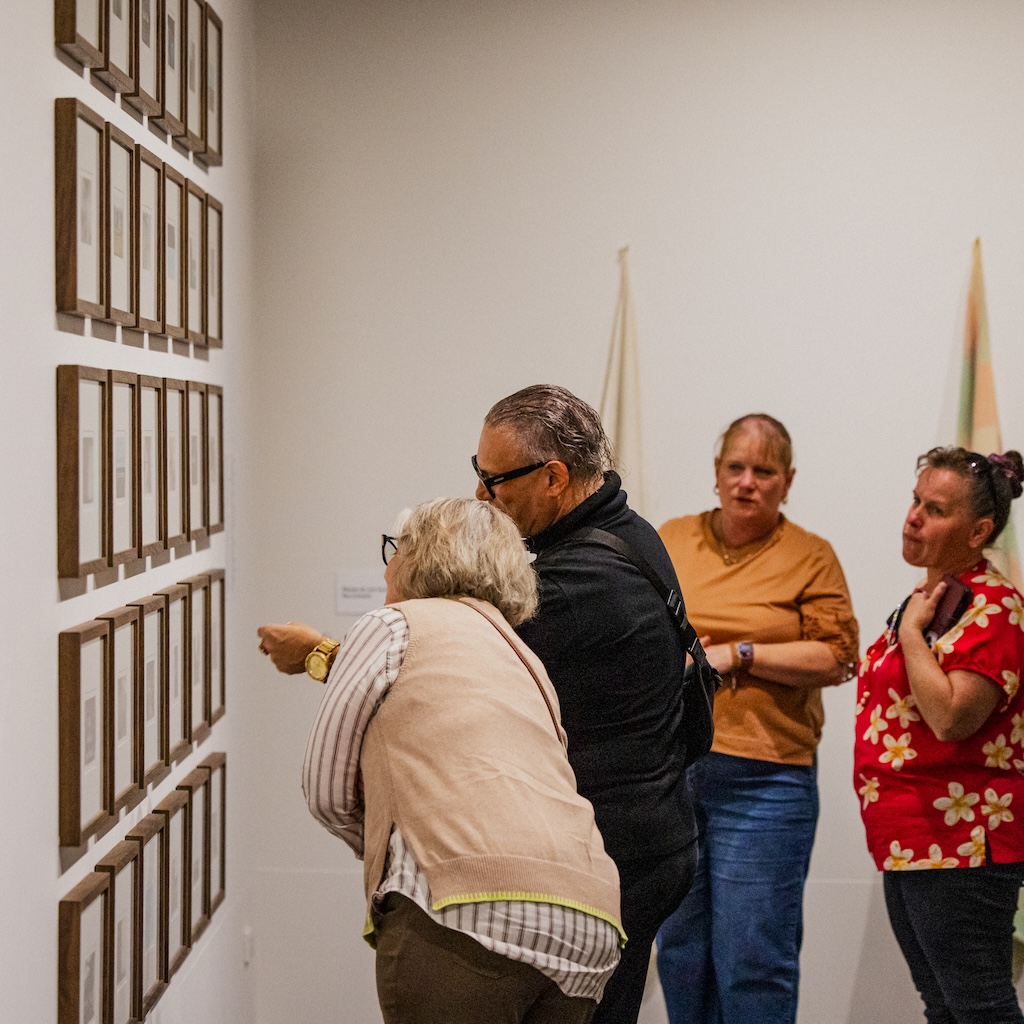
For the second citywide Slow Art Day in Mexico City on April 11, 2026, Ontiveros Valdés has organized more than 50 museums, galleries, artist studios, and independent cultural spaces. She and her volunteer team have also created a website just for their citywide. Photos below are part of their impressive site.
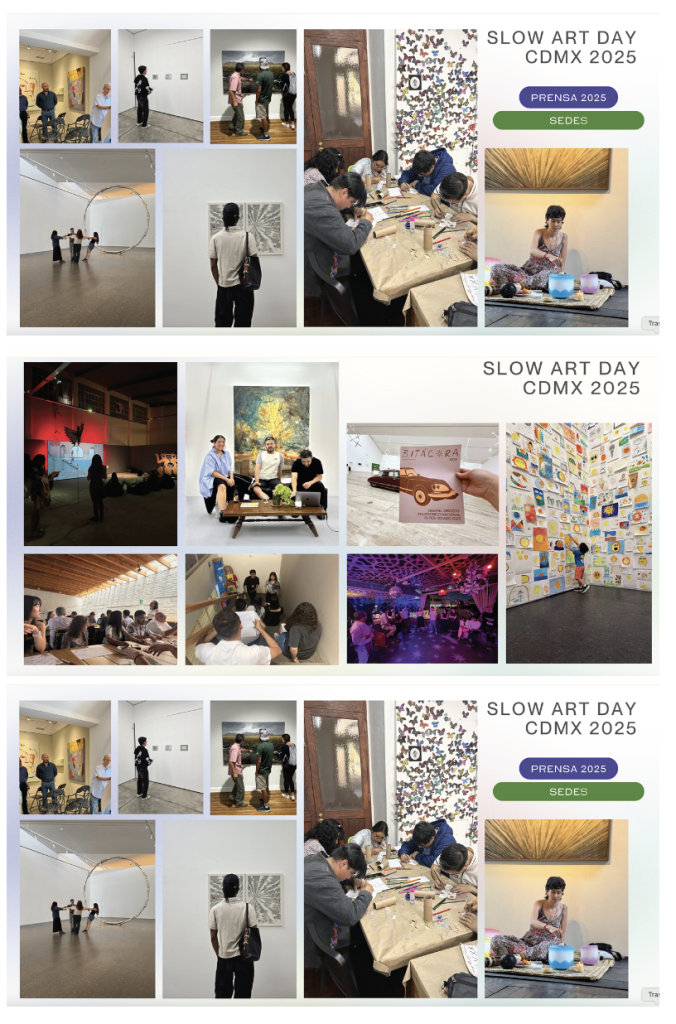
Participating institutions include museums such as Museo del Palacio de Bellas Artes, Museo Vivo del Muralismo and Museo Archivo de la Fotografía, as well as galleries, artist studios, and cultural spaces across the city. Each venue will organize its own program — ranging from guided slow-looking sessions and conversations to workshops and informal gatherings.

As noted, the Mexico City initiative continues to be led by Ontiveros Valdés. This year, she is supported by three enthusiastic and talented volunteers: Alejandra Sánchez Catalán, Shalom Hernández Espinosa, and Rebeca Rosales Reyes, whose collaboration has been key to the project’s expansion.

The initiative is further strengthened by the support of GAMA (Galerías de Arte Mexicanas Asociadas), a network of leading contemporary art galleries in Mexico, and by the cultural platform Artists’ Container, founded by curator and producer Gabriela Andrade Gorab, which fosters collaboration and visibility across artistic communities.

This is a remarkable initiative and is definitely one path for the future of Slow Art Day. We now have two committed citywide organizers – one in Illinois and now one in Mexico City. We hope that more emerge inspired by the success of the efforts of Ontiveros Valdés and her team.

With love and sequins,

Phyl, Ashley, Jessica Jane, Johanna, and Maggie (the Slow Art Day core volunteer team)

P.S. Below are the participating venues:

·   ALDO ISLAS ESTUDIO
·   ALEJANDRA TOPETE GALLERY
·   ALMANAQUE
·   AMPLIA GALERIA
·   ARRÓNIZ ARTE CONTEMPORÁNEO
·   ARTE ABIERTO
·   CAM GALERÍA
·   CASA ENNEA
·   ENCARTE
·   ETHRA GALERÍA
·   ESTUDIO LA DALIA
·   ESTUDIO MARTE
·   FIERA ARTE NO DOMESTICADO
·   FUNDACION TTAMAYO
·   GALERÍA ANDREA POZZO, IBERO
·   GALERÍA CAMPECHE
·   GALERIA CLAROSCURO
·   GALERÍA HILARIO GALGUERA
·   GALERIA KAREN HUBER
·   GALERIA RGR
·   KÖNIG GALERIE
·   KURIMANZUTTO
·   LAGO ALGO
·   LE LABORATOIRE
·   LUAN MUSEO EMOCIONAL
·   LS GALERÍA
·   MARIANE IBRAHIM GALLERY
·   MISFIT ART ALLIANCE
·   MUSEO ARCHIVO DE LA FOTOGRAFÍA
·   MUSEO CASA DE CARRANZA
·   MUSEO DEL PALACIO DE BELLAS ARTES
·   MUSEO SOUMAYA
·   MUSEO TAMAYO ARTE CONTEMPORÁNEO
·   MUSEO VIVO DEL MURALISMO
·   OMR
·   PATRICIA CONDE GALERÍA
·   PEANA
·   PLAYA ESCANDÓN
·   PROYECTO PARALELO
·   PROYECTO N.A.S.A.L
·   SAENGER GALERÍA
·   STUDIO MITOTE
·   TALLER CRISTINA TORRES
·   TERRENO BALDÍO
·   THIRD BORN
·   ART TRIGGERIA (HAAB PROJECT CONDESA)
·   TINTA NARANJA GALERÍA
·    YUNQUE FÁBRICA DE ARTE
·     ZONA DE RIESGO 
Ukraine’s National Museum of Decorative Arts Reflects on Memory, Community, and War

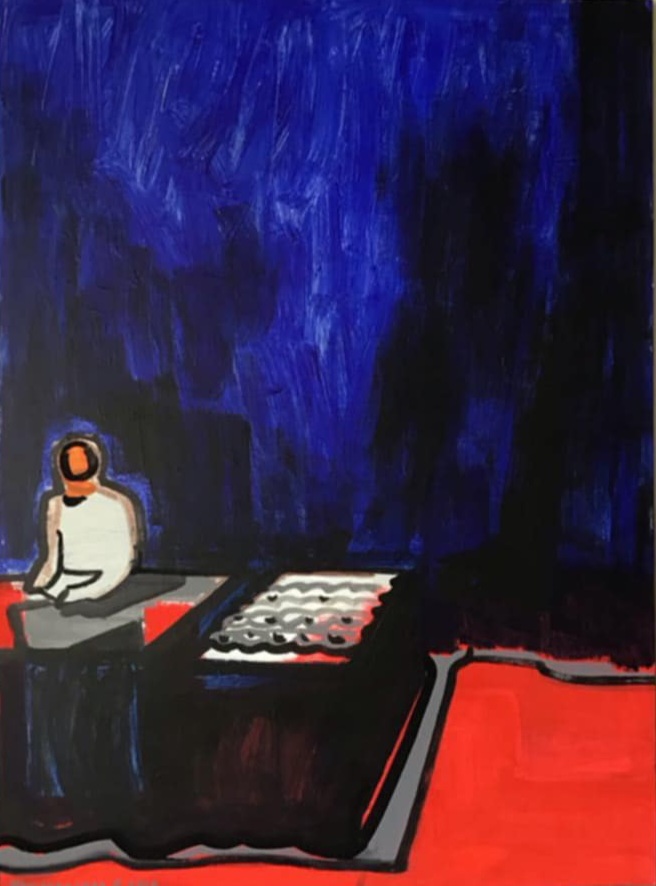
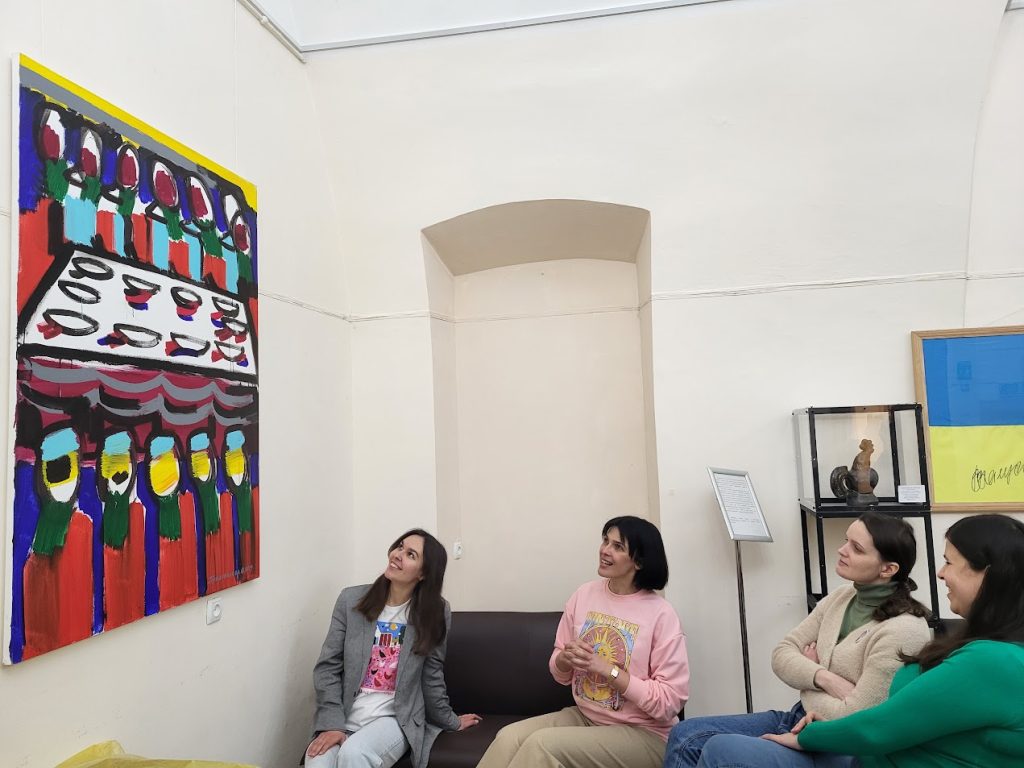
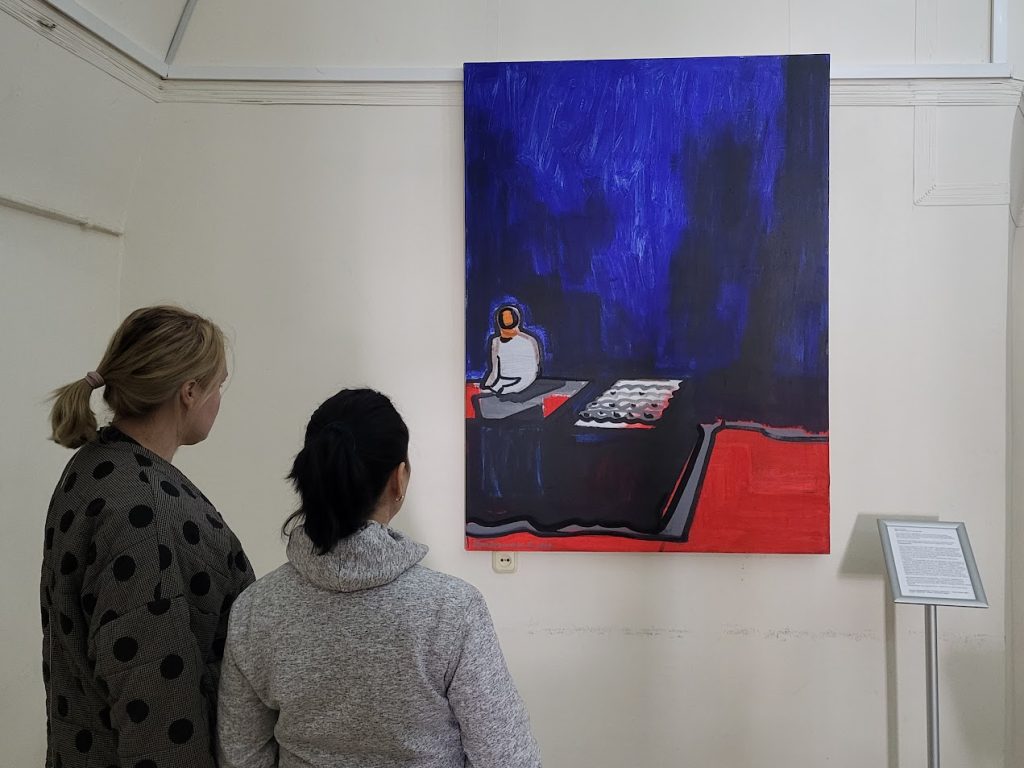
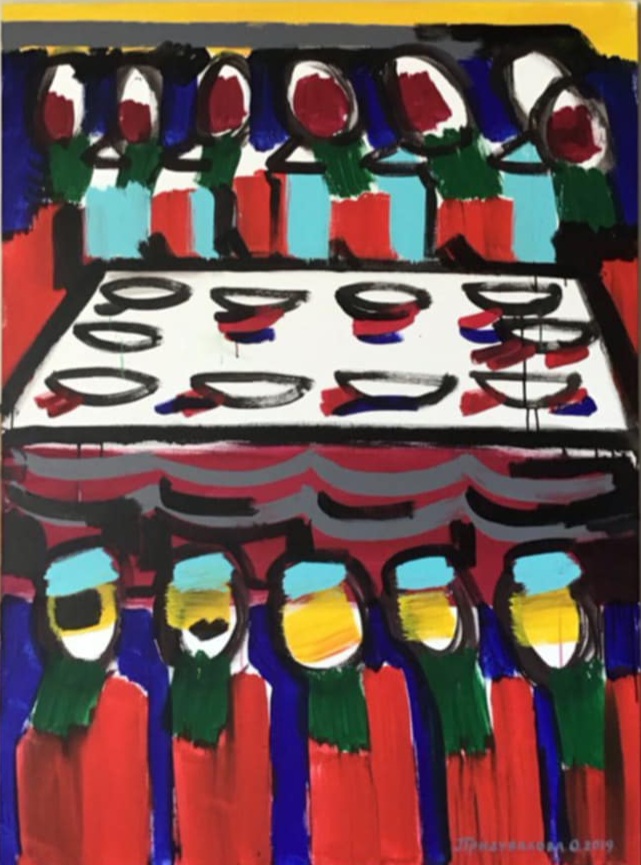
For their first Slow Art Day, the National Museum of Decorative Arts of Ukraine hosted a deeply reflective session centered on memory, community and war via the series “Meals” by Ukrainian artist Olena Pryduvalova.

The featured works, “Beginning of the Buffet” and “Festive Dinner” (2019, acrylic on canvas), explore the emotional significance of gathering around food and shared meals. Pryduvalova originally created the Meals series while reading the book “Yes, but…” by Ukrainian writer Taras Prokhasko. Rather than illustrating the text directly, the artist used the reading experience as a catalyst for reflection, allowing the works to emerge from months of personal memories and contemplation.

According to Pryduvalova, the series explores what unites people and what remains in memory over time: moments of gathering, conversation, and shared meals that mark both joyful and difficult experiences. The ten paintings in the series depict a range of occasions, including weddings, buffets, festive dinners, memorial meals, and quiet conversations between two people.

The diptych shown for Slow Art Day captures two distinct moments within this theme. “Beginning of the Buffet” depicts a quiet scene before guests arrive, when the table is prepared and anticipation fills the air. In contrast, “Festive Dinner” celebrates the joy of coming together.

During the Slow Art Day session on April 5, museum visitors were invited to spend time carefully observing the works and then share their reflections. The discussion soon moved beyond the paintings themselves and into the personal experiences of participants.

Visitors spoke openly about how life in Ukraine has changed in recent years following the Russian invasion. The conversation turned to the meaning of family gatherings and how precious shared meals have become during the war. Participants reflected on how moments around a table—sometimes joyful, sometimes sorrowful—continue to bring people together and strengthen community.

Through these conversations, the artworks became a catalyst for dialogue about memory, resilience, and human connection.

We at Slow Art Day HQ are deeply grateful to the team at the National Museum of Decorative Arts of Ukraine for sharing this moving program and for demonstrating the power of art and slow looking even — and especially — during wartime.

We look forward to what they come up with for this year’s Slow Art Day, which is coming up on Saturday, April 11, 2026.

— Ashley, Johanna, Jessica Jane, and Phyl

P.S. – Follow them on Facebook and Instagram

P.P.S. If you have not yet registered your museum of gallery for Slow Art Day 2026, please do.

Slow Looking and Slow Walking at Museo Universidad de Navarra in Spain

For their third Slow Art Day in 2025, the Museo Universidad de Navarra in Pamplona, Spain organized two free events — one for adults and another for children — both exploring different ways of slowing down with art.

Featured works included:

• “Incendi” by Antoni Tàpies
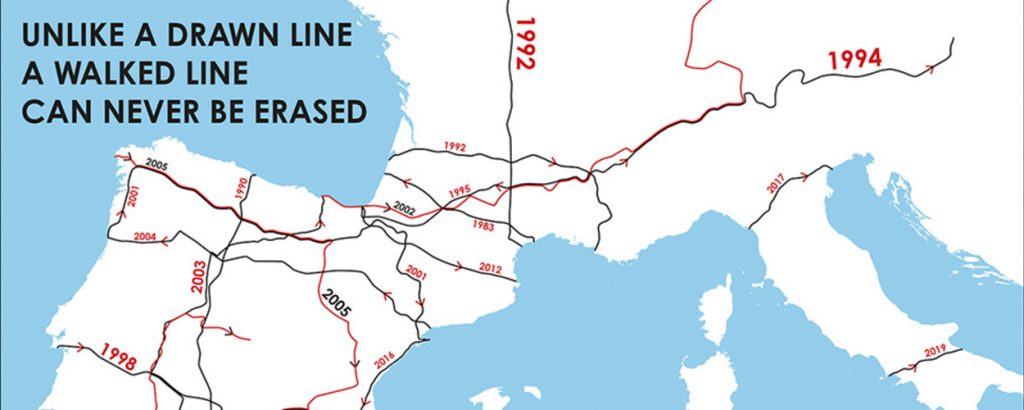
• Walking route map artwork by Hamish Fulton

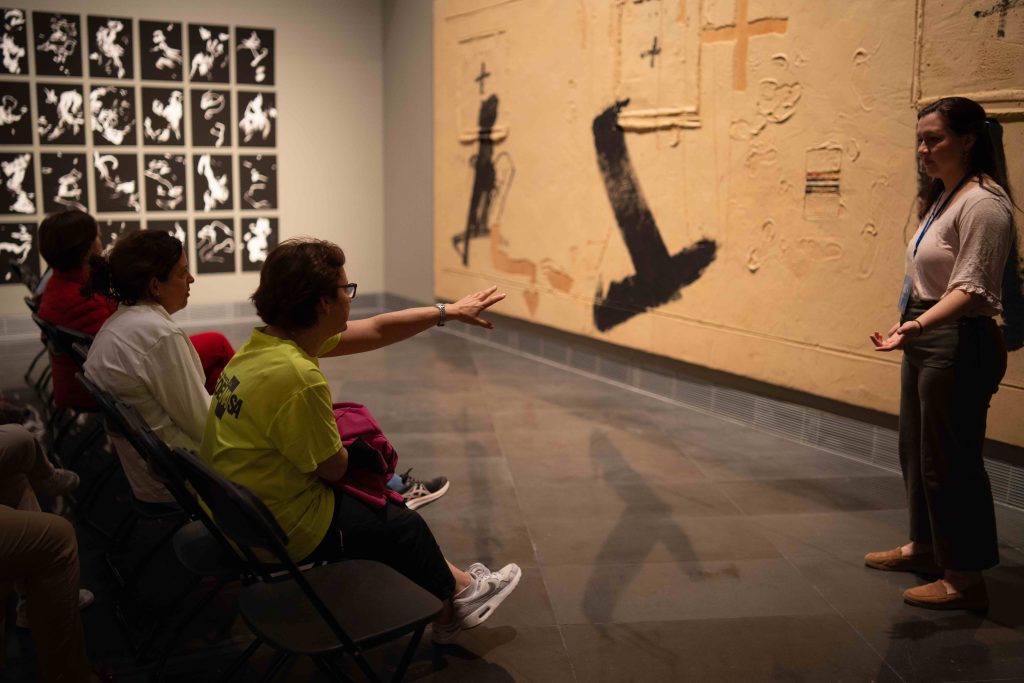
First, nine adults gathered in front of the abstract painting “Incendi” (1991) by Antoni Tàpies for a slow looking session guided by a museum educator. Participants spent extended time contemplating the work before sharing their observations and reflections together in discussion.

Adult session held in front of Incendi by Antoni Tàpies (1991); photo by Tamara Garcés.

The museum also hosted a Slow Art Day workshop for nine children aged 8-12, inspired by the work of the “walking artist” Hamish Fulton, who has walked the Camino de Santiago several times.

The workshop had two parts. First, participants carried out a “slow walk” exercise inside the museum inspired by Fulton’s artistic practice. Then the group went outside and walked a small section of the Camino de Santiago, which passes through the University of Navarra campus near the museum.

Through this combination of walking, observation, and conversation, the children explored how movement and place can become part of artistic experience.

Children’s session — Map artwork documenting walking routes by the walking artist Hamish Fulton, including walks along the Camino de Santiago; photo by Manuel Castells.

At Slow Art Day HQ, we love seeing hosts expand the idea of slow looking in creative ways. By combining careful observation with walking and place-based exploration, the Museo Universidad de Navarra created two thoughtful experiences that helped adults and children connect with art in different ways.

We look forward to seeing what Museo Universidad de Navarra comes up with for Slow Art Day 2026.

– Ashley, Johanna, Jessica Jane, and Phyl

See–Think–Wonder at Museum of Chelmsford

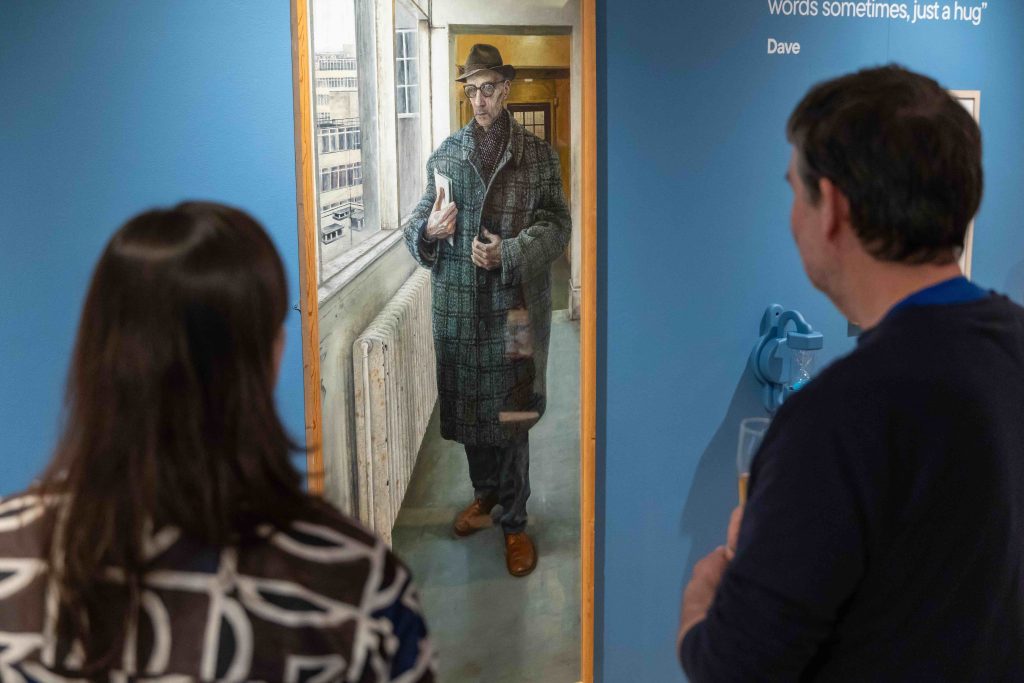
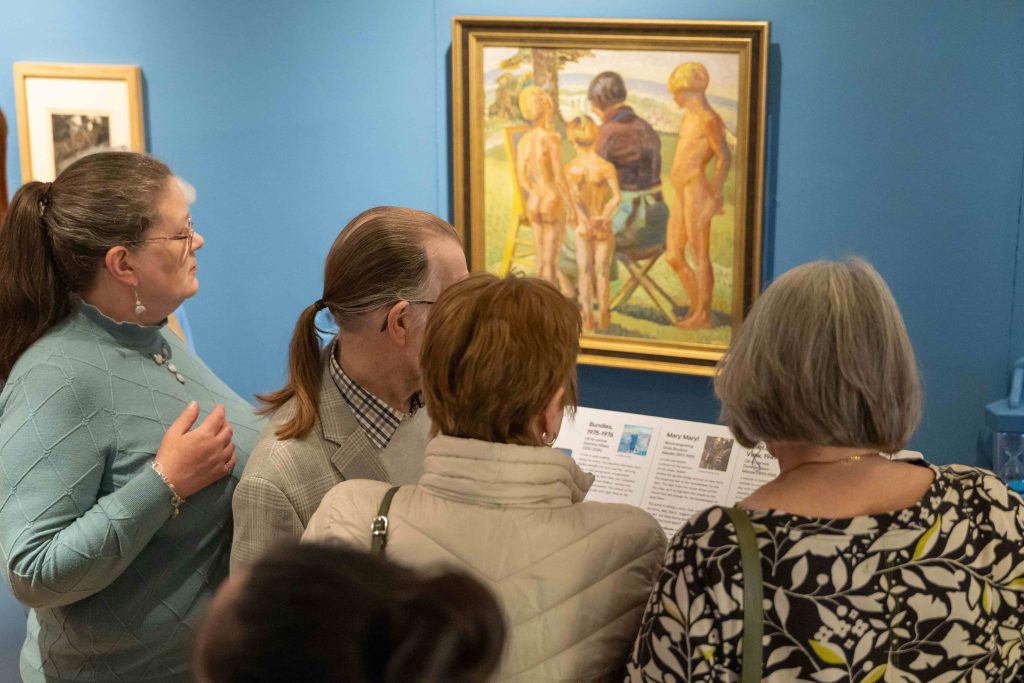
For their first Slow Art Day, the Museum of Chelmsford in Essex, United Kingdom invited visitors to slow down with art using a simple framework: See – Think – Wonder. The activity took place within the exhibition Shifting Perspectives: Exploring Art Together, which ran in the museum’s temporary gallery space through November 2, 2025.

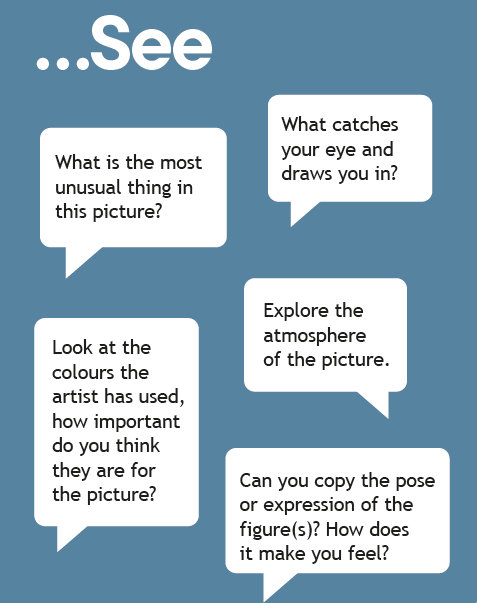
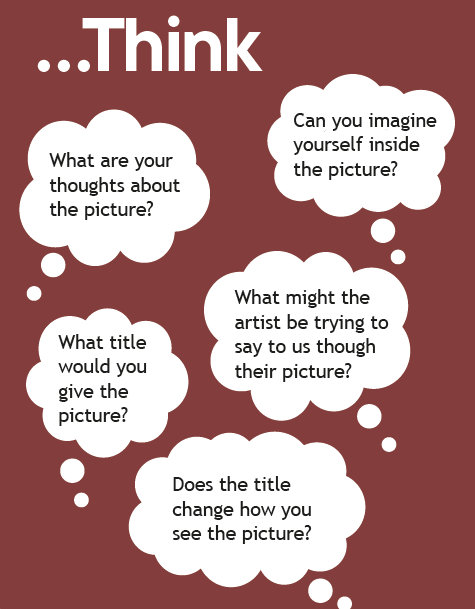
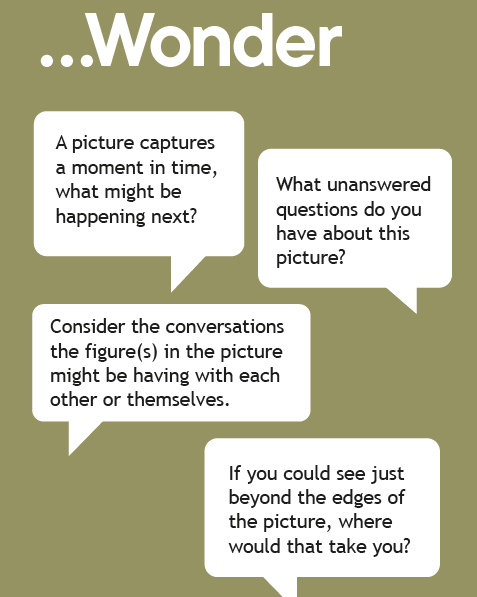
To guide visitors, the museum created a set of “See Think Wonder” cards that guests could pick up in the gallery. The cards encouraged people to slow down and consider different ways of engaging with artworks — an approach that works not only in museums but whenever people encounter art in daily life.

Visitors were invited to explore artworks through three stages of looking.

See — what catches your eye? Look at the colors the artist used. Explore the atmosphere of the picture. Can you copy the pose or expression of any figures you see?

Think — can you imagine yourself inside the picture? What might the artist be trying to say to us? Does the title change how you see the picture?

Wonder — what might happen next in the picture? What conversations might be taking shape? What unanswered questions do you have about the picture?

This simple structure gave visitors permission to take their time and engage with artworks through curiosity rather than expertise.

Featured works included:

• “Cecil Collins at the CSA” by Rosalind Cuthbert
• “Point of View” by Doris Boulton-Maude (1892–1976)

Visitors slowing down with Cecil Collins at the CSA by Rosalind Cuthbert.
Visitors engaging with Point of View by Doris Boulton-Maude (1892–1976).

The museum’s See–Think–Wonder cards were inspired by the I Picture This toolkit developed by the The Wallace Collection, a past Slow Art Day participant.

At Slow Art Day HQ we love the simple See–Think–Wonder cards – they are easy to use with any artwork, and help shift the experience from passive viewing to active discovery. We encourage other museums and galleries to copy these.

Since this was the Museum of Chelmsford’s first Slow Art Day, we’re especially happy to welcome them to the global Slow Art Day movement and look forward to seeing what the Museum of Chelmsford comes up with for Slow Art Day 2026.

– Ashley, Johanna, Jessica Jane, and Phyl

Meditation, Tea, and Slow Looking at Frederiksbergmuseerne in Denmark

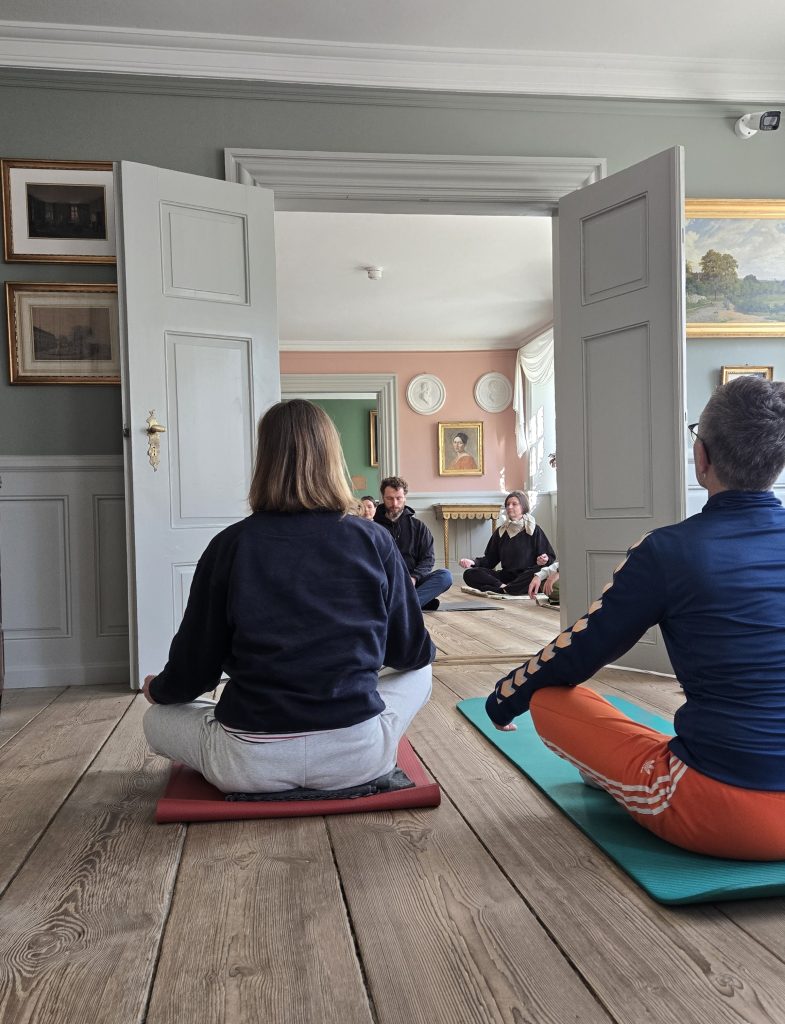
For Slow Art Day 2025, Frederiksbergmuseerne in Frederiksberg, Denmark invited participants to step into a slower rhythm of being through a sensory-rich morning program at Bakkehuset (one of four museums) centered on art, presence, and reflection. The program gently guided visitors toward deeper awareness, encouraging attentiveness to both inner experience and artistic detail.

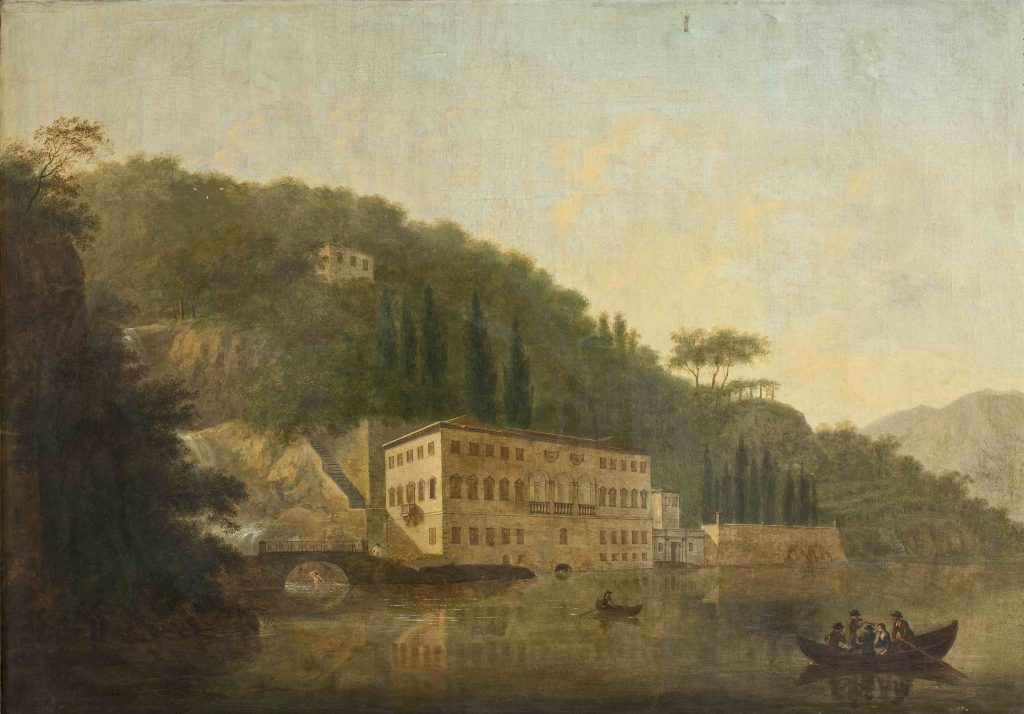
One key artwork from the day: The Como Lake with Villa Plinia in the Background by artist H. Hess, 1795; photo taken by Siw Aldershvile Nielsen of the Frederiksbergmuseerne.

The day began with a softly guided morning meditation, held in the atmospheric rooms of Bakkehuset, where light and shadow played across historic interiors. This session opened the senses and prepared participants for a mindful encounter with art and environment.

Slow Art Day participants beginning the day with meditation; photo taken by Siw Aldershvile Nielsen of the Frederiksbergmuseerne.

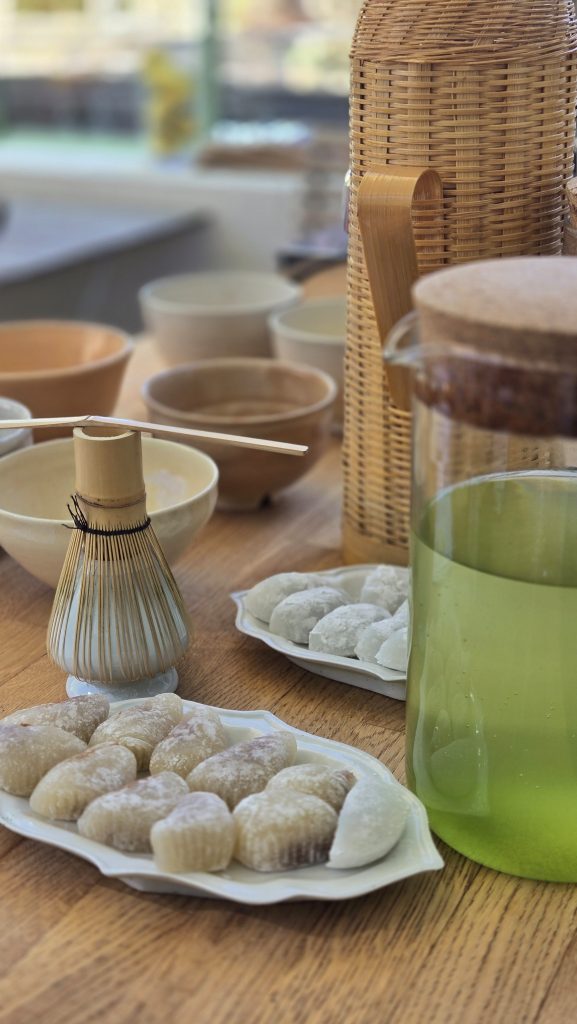
Next, guests took part in a tea experience that activated taste, smell, and touch — deepening sensory awareness and setting a calm, attentive tone. While briefly introduced to the cultural background of Matcha, the focus remained on being fully present with the experience.

Tea experience; photo taken by Siw Aldershvile Nielsen of the Frederiksbergmuseerne.

The morning culminated in a session of Slow Looking and creative reflection, where participants engaged deeply with the museum’s art and design elements. In a quiet, unhurried atmosphere, they explored visual details and textures, allowing time for intuitive insights and personal resonance. The experience was extended through writing exercises that captured impressions, emotions, and thoughts stirred by the art.

Each element of the program supported the others, with sensory openness cultivated in the meditation and tea experience enriching the final artistic encounter. The day as a whole emphasized slowness as a method for connecting more profoundly with both art and oneself.

Frederiksbergmuseerne’s contribution to Slow Art Day was also part of a national phenomenological slow looking research project, “From Challenge to Opportunity.” This initiative explores how Slow Looking can promote well-being and deeper cultural engagement.

At Slow Art Day HQ, we especially appreciate Frederiksbergmuseerne’s thoughtful integration of meditation, tea, and reflection. Programs like this show how slow looking can engage multiple senses and deepen the experience of art.

We look forward to seeing what Frederiksbergmuseerne comes up with for Slow Art Day 2026.

– Ashley, Johanna, Jessica Jane, and Phyl

Four Museums in Reims, France, Explore Maps, Meditation, and Movement

For their second Slow Art Day, the Musée de Reims organized a coordinated afternoon of slow looking activities across several museums. The events, held on Saturday, April 5, invited visitors to explore collections through quiet observation as well as practices that connected art with mindfulness and movement.

Across the participating museums, a total of 41 visitors took part in the Slow Art Day programs.

At the Museum of the Surrender, 25 participants gathered in the historic military operations room where General Eisenhower’s headquarters were located during the final days of World War II. Visitors were invited to slowly study the large strategic maps used during the war. Using binoculars, they examined details across the maps’ surfaces, discovering markings and geographic elements that would normally escape a quick glance.

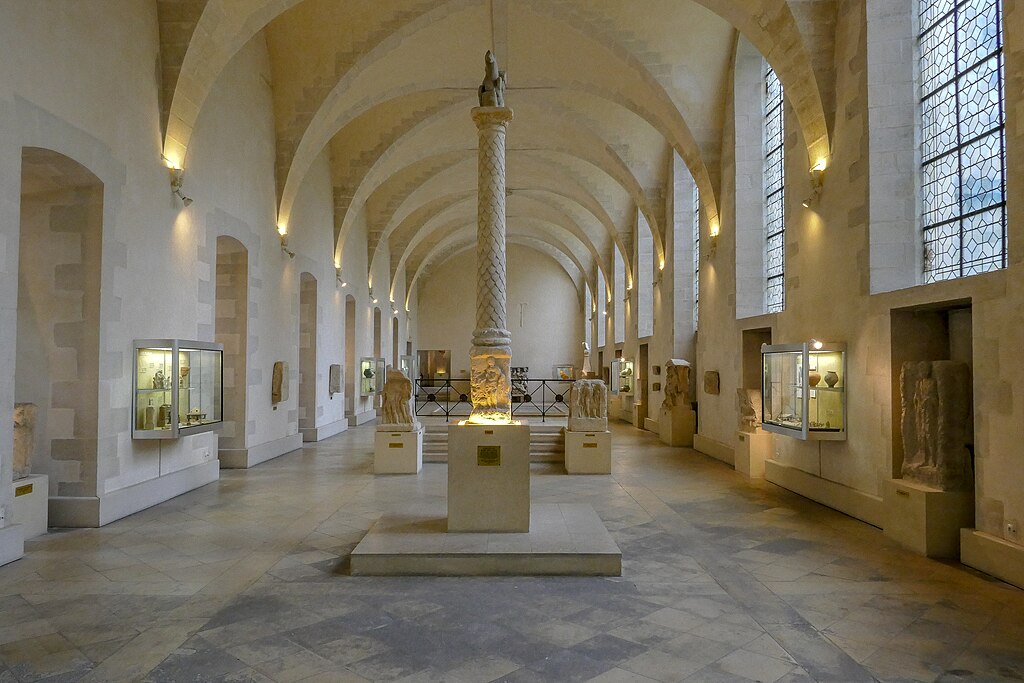
At the Saint-Remi Museum, five visitors participated in a small but deeply focused session. Participants first spent time slowly observing a display case dedicated to the museum’s Japanese collections. Following the slow viewing, the group practiced a Do-In session, a traditional Japanese self-massage and breathing practice that encourages calm awareness of the body.

Hall in Saint-Remi Museum, Reims – photo courtesy of The Crazy Tourist, CC BY-SA 4.0, via Wikimedia Commons

Two participants took part in a quiet slow-looking visit paired with yoga at the Le Vergeur Museum-Hotel – Maison Hugues Krafft. The small scale of the session created an intimate environment where participants could move slowly between looking, breathing, and reflection.

Finally, nine visitors joined a yoga session followed by a slow visit to the Foujita Chapel, a unique chapel decorated by the Japanese-French artist Tsuguharu Foujita. The combination of yoga and slow viewing encouraged participants to approach the chapel’s artworks with heightened attention and presence.

While the numbers at each location were intentionally limited, organizers noted that the smaller groups contributed to the quality of the experiences. Each program offered participants the opportunity to spend time with art in a focused and thoughtful way.

Organizers also noted that Saturday can be a quieter day for museum attendance in Reims when admission fees apply, making the intimate scale of the programs well suited to the Slow Art Day format.

The Reims museums demonstrated how historical collections, museums, sacred spaces, and mindfulness techniques can come together to create meaningful experiences of art and place. With small groups, the day made it possible for people to really slow down.

We look forward to seeing what the museums of Reims come up with for Slow Art Day 2026.

– Ashley, Johanna, Jessica Jane, and Phyl

Music, Poetry, Drawing and Discussion at the Royal Museum of Fine Arts in Antwerp

For Slow Art Day 2025, the Royal Museum of Fine Arts Antwerp (KMSKA) in Belgium invited visitors to slow down and engage deeply with art through a series of thoughtfully designed experiences across the museum’s exhibitions.

KMSKA has been an important participant in the Slow Art Day movement for nearly a decade and was notably the first museum in Belgium to organize a Slow Art Day event in 2016. For the 2025 edition, the museum expanded its program with several creative formats designed to help visitors observe more carefully and reflect more deeply.

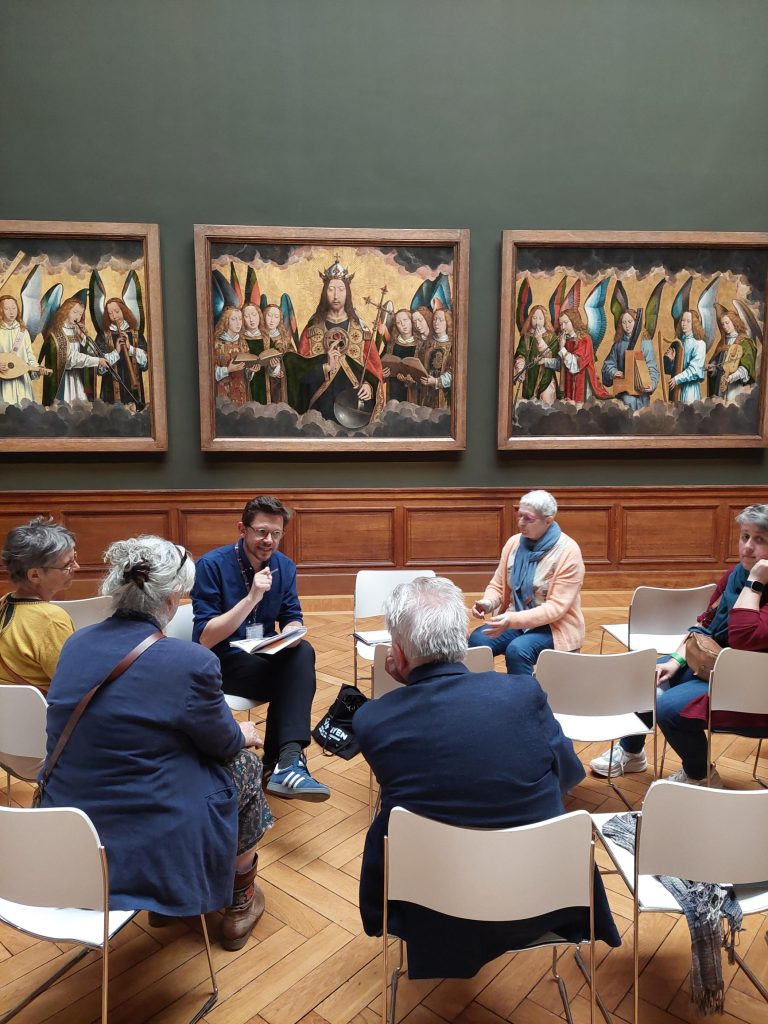
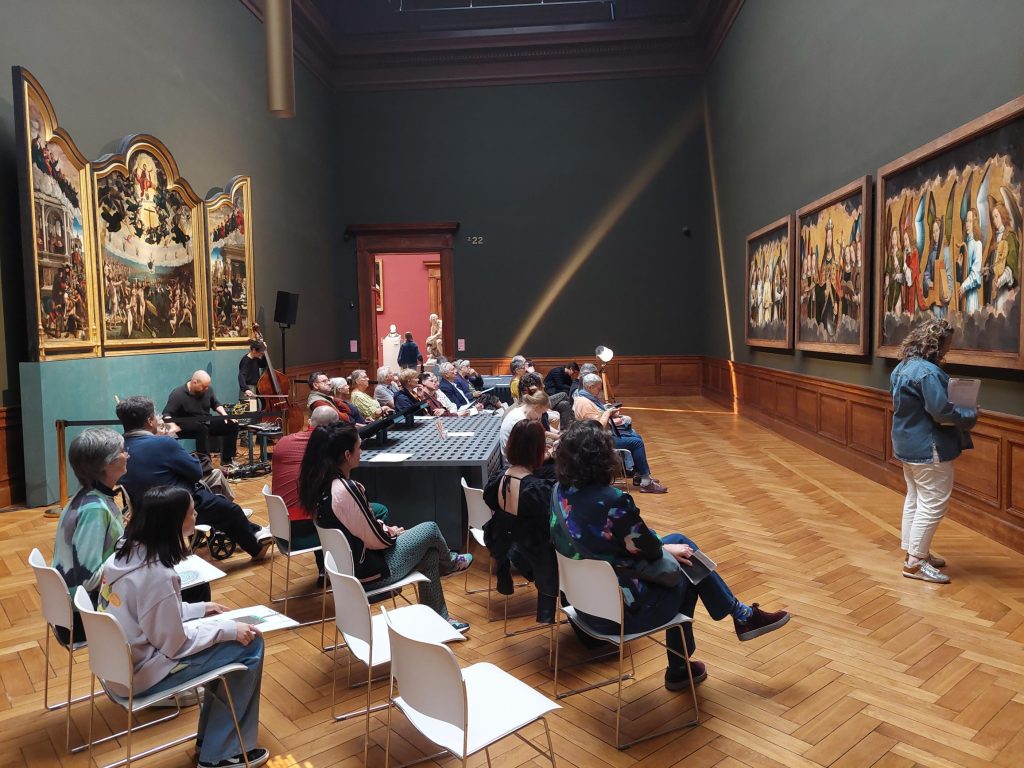
One of the highlights was an experimental program called “Slow Looking with Music.” Visitors spent an hour focusing on a monumental triptych by the 15th-century Flemish painter Hans Memling, while a live soundtrack was performed by the Belgian experimental band Monnik. The musicians performed from behind the audience so that all attention remained directed toward the artwork (note: we at Slow Art Day HQ wish we could have been there).

Electric guitars, analog synthesizers, effect pedals, and layered vocal sounds created an immersive soundscape that encouraged visitors to observe the painting slowly and thoughtfully. Participants were given printed prompts to guide their reflections, including questions such as: What do you see? What do you hear? What thoughts or feelings arise? slow_looking_prompts_music_KMSKA

After the musical performance, a museum guide facilitated a group discussion where visitors shared their interpretations and experiences.

In addition to this musical slow looking experiment, KMSKA organized several other Slow Art Day activities throughout the museum.

During “In Dialogue,” visitors sat together in front of a selected artwork by Belgian contemporary artist Hans Op de Beeck, guided by a museum educator who helped participants observe closely and discuss their impressions.

Another activity invited visitors to participate in a drawing tour through the exhibition spaces. With drawing prompts provided by a museum guide, participants of all skill levels used sketching as a way to slow down and connect with the artworks.

A literary component was also included. Museum staff member Sophie led a poetry session, reading selected poems alongside artworks and encouraging visitors to reflect on how language and visual art interact.

Finally, visitors could participate in Radio Bart, a special conversational format led by art lovers who are blind. Through discussion and thoughtful questioning, the Radio Bart hosts helped visitors experience artworks from new perspectives and notice details they might otherwise overlook.

Together, these varied programs demonstrated how many different paths can lead to slow looking. Whether through music, drawing, poetry, or spoken word and conversation (especially awesome for blind participants), visitors were encouraged to pause, reflect, and engage more deeply with the artworks around them.

We at Slow Art Day HQ are deeply grateful to the team at KMSKA for continuing to innovate around slow looking and for being such a long-standing leaders in our movement.

We look forward to what amazing design they come up with for Slow Art Day 2026.

— Ashley, Johanna, Jessica Jane, and Phyl

Multisensory Slow Art Day at the House of European History

For Slow Art Day 2025, the House of European History in Brussels, Belgium, launched a new program called “Slow Looking Saturday,” a guided series designed to accompany the museum’s temporary exhibition Presence of the Past: A European Album, which explores documentary photography and how Europeans engage with memory, history, and the legacy of the past.

The inaugural session, held on April 5 for Slow Art Day, focused on a single photographic project: “Our Family Garden” by Bosnian artist Smirna Kulenović. Participants gathered for a one-hour facilitated slow looking experience led by Pauline Gault, Informal Learning Project Manager at the museum. The session was designed to help visitors deeply explore one image and its many layers of meaning.

“Our Family Garden” documents a remarkable act of healing through nature. In the project, calendula flowers are planted in former trenches used during the Siege of Sarajevo, transforming spaces once associated with violence into places of growth and remembrance. The Slow Art Day session took place just one day before Sarajevo’s city day, when people now gather to care for these gardens.

Drone view of the calendula-planting performance ‘Our Family Garden’ organized by Smirna Kulenovic and filmed by Jasmina Omerika, Bosnia and Herzegovina, 2021.
Smirna Kulenović, A grandmother, mother and daughter prepare to plant flowers in the former trenches from which Sarajevo was besieged between 1992 and 1996, Bosnia and Herzegovina, 2023.

To guide the slow looking experience, Gault incorporated educational frameworks including Project Zero Visible Thinking routines from the Harvard Graduate School of Education and the Thinking Museum® Approach developed by museum educator Claire Bown, author of The Art Engager: Reimagining Guided Experiences in Museums. Participants engaged in several structured activities including Memory Draw, Engage & Imagine, and 3–2–1 Reflection, each designed to deepen observation, interpretation, and conversation.

The session also activated the sense of smell: dried calendula flowers were present in the room, allowing participants to connect physically with the plant at the center of the artwork. During the closing reflection exercise, visitors wrote their thoughts on the back of specially designed postcards featuring the artwork. These served both as reflection tools and souvenirs for participants to take home.

Feedback from participants was very positive. Many remarked that focusing on a single photograph allowed them to notice details and meanings they would have otherwise overlooked.

We at Slow Art Day HQ are delighted to see the House of European History launch an entire learning series from their Slow Art Day program. Special thanks to Pauline Gault and the Learning & Outreach team for developing this thoughtful approach, and we look forward to hearing about their event for Slow Art Day 2026.

— Ashley, Johanna, Jessica Jane, and Phyl

Cross-Exhibition Design at Mildura in Australia

For their fifth Slow Art Day, the Mildura Arts Centre invited visitors to slow down and explore artworks across several of the gallery’s current exhibitions. Rather than focusing on a single piece, participants were encouraged to choose a work from each exhibition and spend five to ten minutes observing it carefully.

The selected exhibitions included: Time and Place by Bruce Munro, Chapter 5 (Mallee Parley) by Aaron Bailey, Alight by Nicola McClelland, and works from the Mildura Arts Centre Collection. This approach allowed participants to experience a variety of artistic styles and perspectives while practicing slow looking.

Chapter 5 (Mallee Parley) by Aaron Bailey. Photo courtesy of Mildura Arts Centre.

Visitors were encouraged to bring a journal and pencil to jot down thoughts and questions while observing the artworks. Others attended with friends and discussed their reflections together afterward. The experience often continued beyond the gallery walls, with participants gathering for refreshments at the Vista Café Bar onsite to continue their conversations.

Slow Art Day also connected naturally with other events happening at the centre that day. Visitors were invited to attend artist talks and exhibition openings, including a presentation by Nicola McClelland, where they could share their observations and continue engaging with the art and artists.

The city of Mildura is known as a cultural hub in regional Australia – Mildura itself is located far north-western Victoria, Australia, on the banks of the Murray River near the New South Wales border.

We at Slow Art Day HQ love the simple cross-exhibition design of their Slow Art Day and would love ourselves to someday visit this wonderful center for art and theater (they have a 500 seat theater) and we look forward to what they come up with for Slow Art Day 2026.

– Ashley, Jessica Jane, Johanna, and Phyl

P.S. – Visit them on Facebook and Instagram.

MASS MoCA: Looking Beyond 21 Seconds

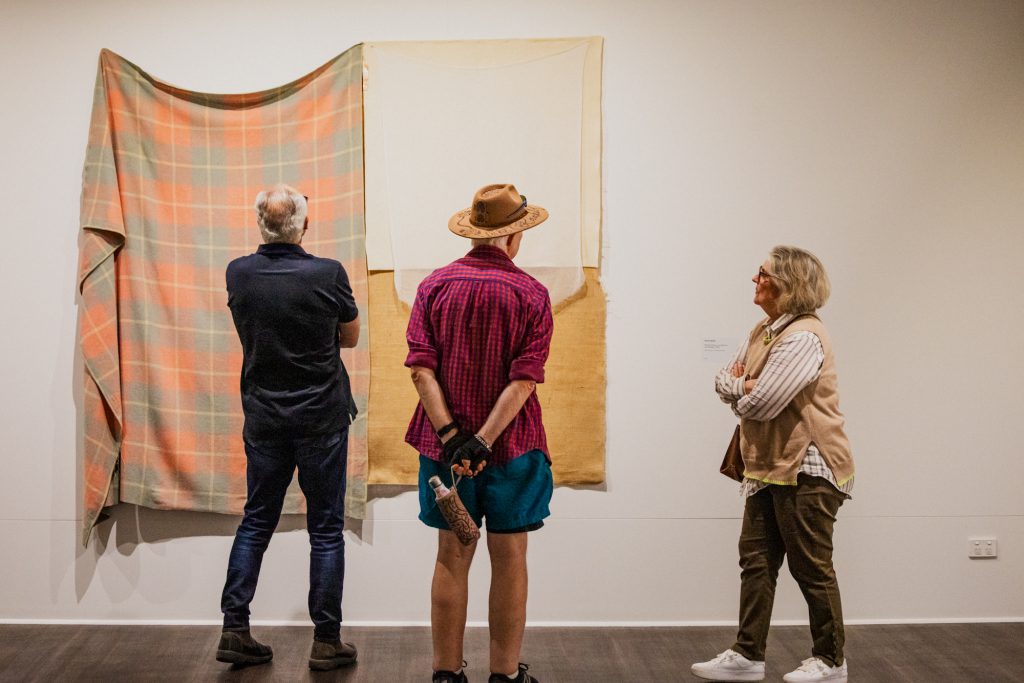
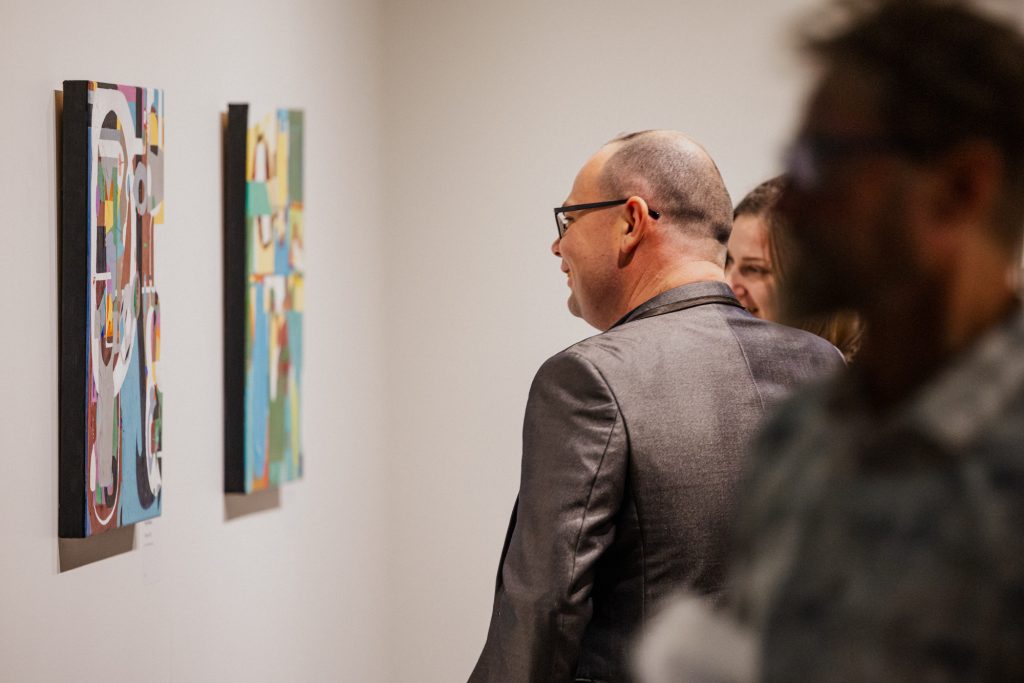
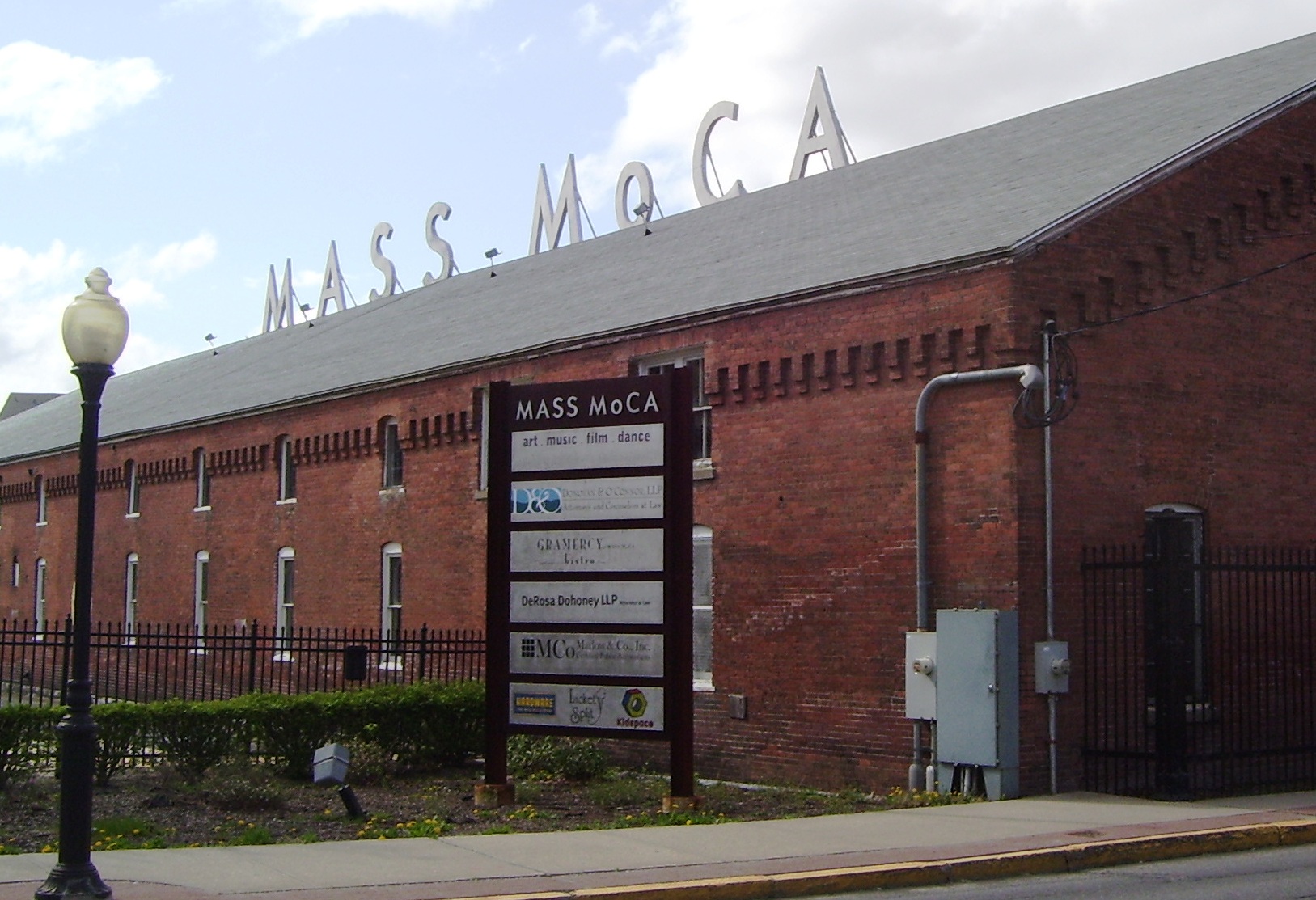
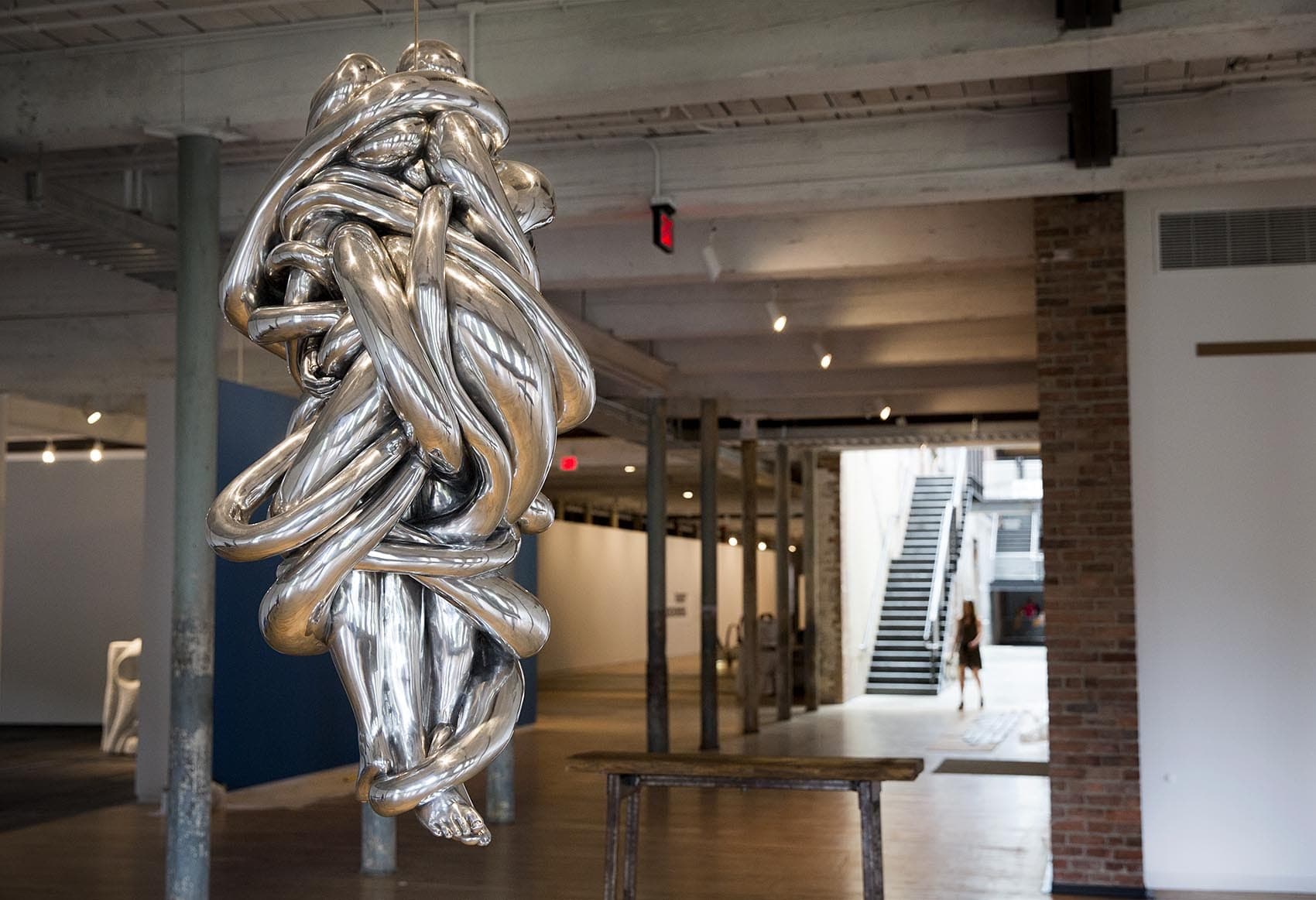
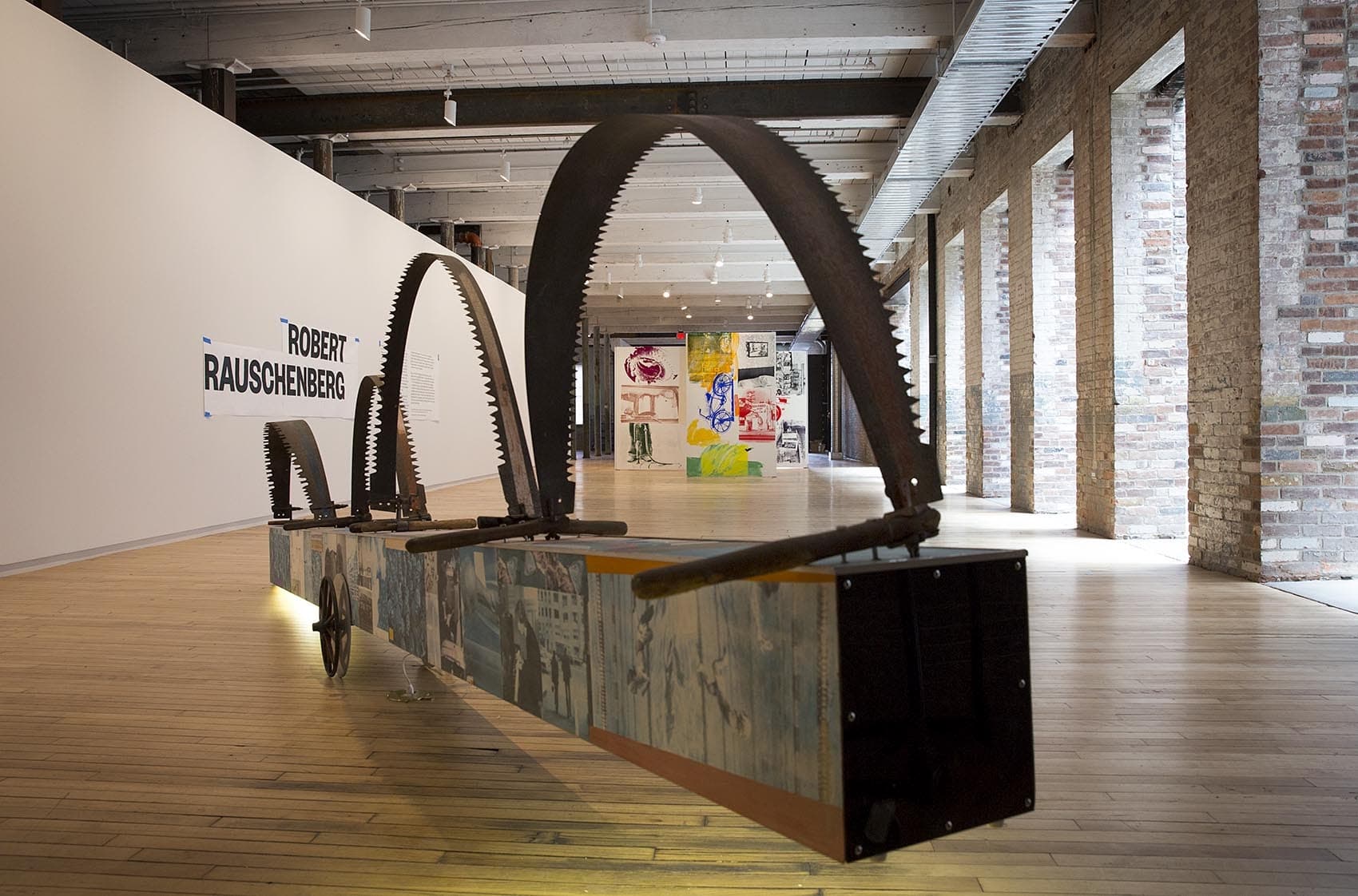
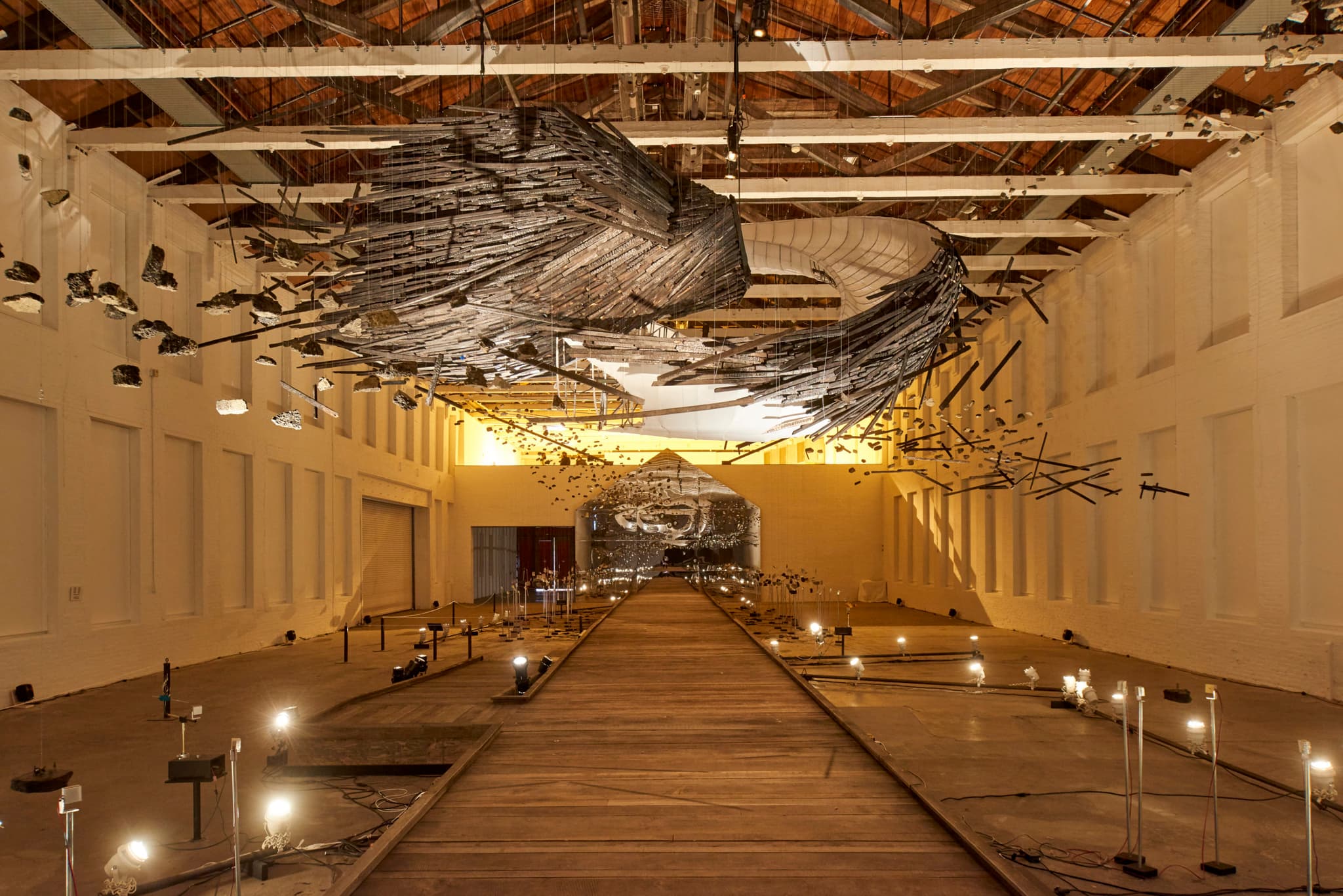
For their seventh Slow Art Day, Massachusetts Museum of Contemporary Art (MASS MoCA) in North Adams, Massachusetts invited visitors to focus on large-scale contemporary installations throughout the museum’s campus, with attention to:

  • Immersive, room-sized installations
  • Light-based and spatial works
  • Sound-producing pieces integrated into gallery environments

Throughout the day, guided slow-looking tours were offered and visitors could also explore independently using prompts provided by museum staff.

Image
Image
Image
Image

MASS MoCA’s programming leaned into the strengths of its unique setting — a converted 19th-century factory campus now housing some of the world’s largest contemporary installations. Rather than focusing on a single object, participants were encouraged to slow down within immersive spaces.

Prompts invited visitors to consider:

  • What exactly are you seeing?
  • How does light shape your perception of depth and space?
  • What happens if you close your eyes and listen to the sounds produced by the installation?
  • How does your body feel in relation to the work — your feet on the ground, your breathing, your position in space?

In some installations, guests were encouraged to observe subtle blinking sequences of light or shifts in projected imagery. In others, the focus turned toward sound — noticing how ambient or intentional audio elements changed the experience of the visual field.

The museum also incorporated simple mindfulness techniques before viewing: deep breathing, grounding awareness, and a moment of stillness. These small pauses helped participants transition from walking through galleries to inhabiting them more fully.

The event was designed for all ages, and Spanish-language itineraries were typically available, reinforcing MASS MoCA’s commitment to accessibility.

At Slow Art Day HQ, we love MASS MoCA and have spent time there and appreciate what they did this year to help visitors learn to slow down in immersive spaces and how that can present a different kind of challenge than focusing on a single painting .

We look forward to seeing what MASS MoCA comes up with for Slow Art Day 2026.

– Ashley, Johanna, Jessica Jane, and Phyl

P.S. You can learn more about MASS MoCA’s exhibitions and programming at https://massmoca.org.