Salem’s Public Art Commission Hosts Its First Slow Art Day

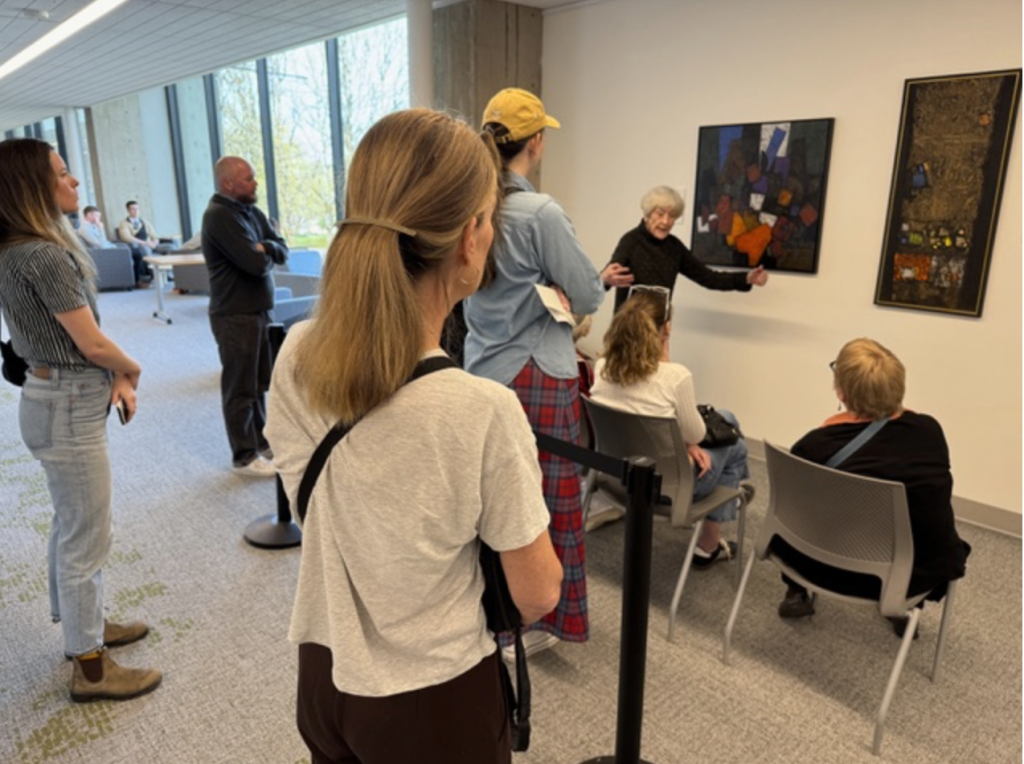
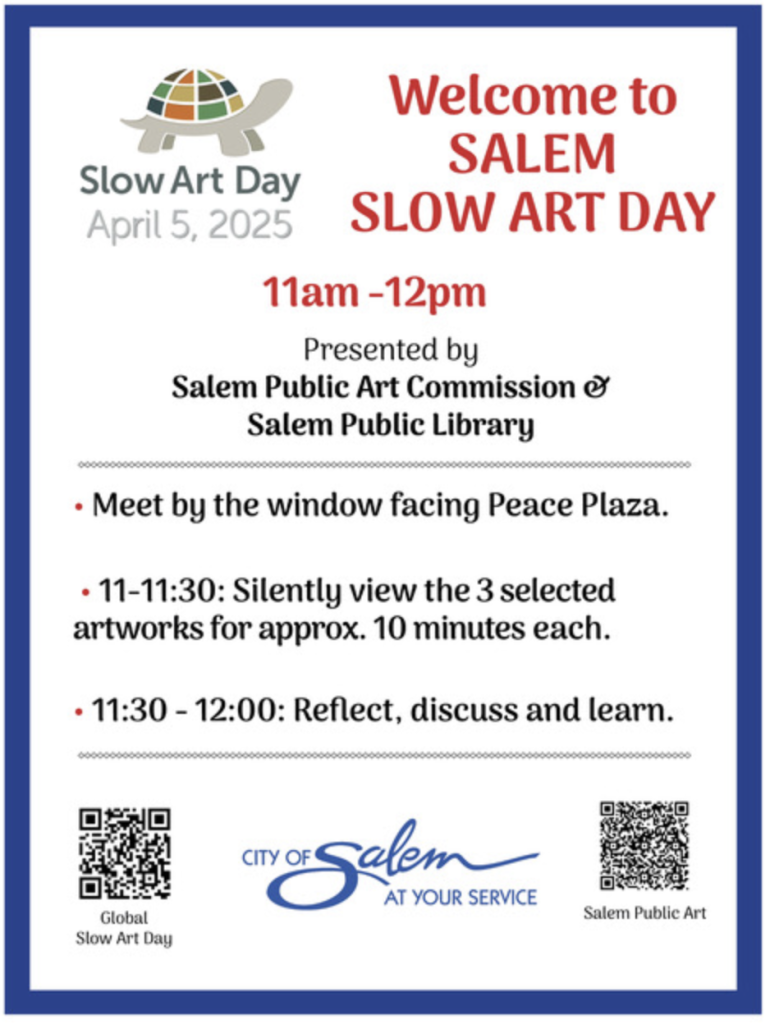
For their first Slow Art Day, the Salem Public Art Commission partnered with the Salem Public Library to invite the community to slow down with three abstract paintings from the City of Salem’s Public Art Collection. The event took place on Saturday, April 5, 2025, from 11:00 AM to 12:00 PM and followed the classic Slow Art Day format: quiet viewing followed by discussion.

Featured works:

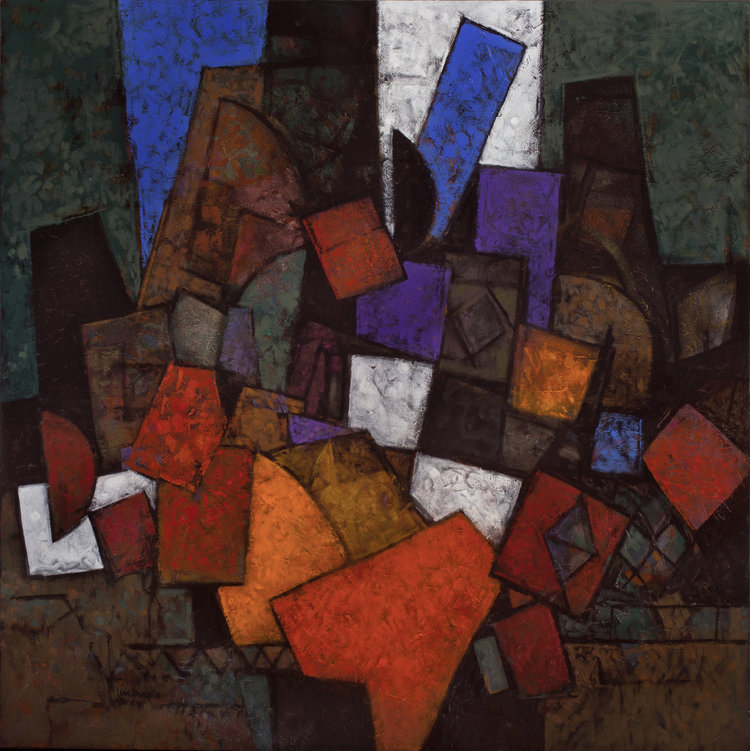
  • Still Life in Flux (2014) by Nancy Lindburg
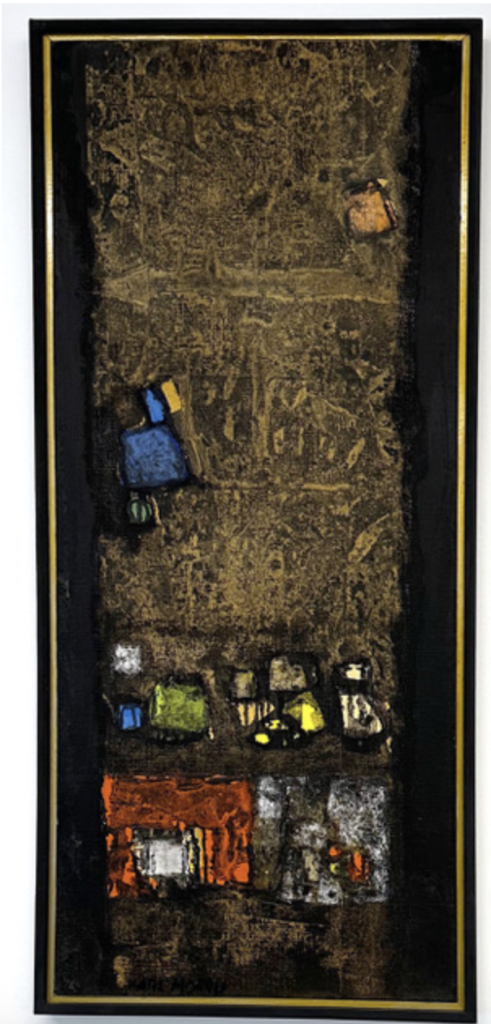
  • Dwelling (1965) by Carl Morris
  • View (1973) by Louis Bunce
Image
Still Life in Flux by Nancy Lindburg, 2014.
Carl Morris Dwelling, 1965
Image
Louis Bunce View, 1973

The Commission selected these three abstract paintings because they are thoughtfully installed within the Salem Public Library and represent artists with strong ties to the Pacific Northwest.

Participants gathered by the window facing Peace Plaza and began with approximately ten minutes of silent viewing per artwork. The group was encouraged simply to look — noticing color relationships, compositional structure, surface texture, and emotional tone before moving into conversation.

Nancy Lindburg’s Still Life in Flux (2014) presents layered geometric forms in vibrant oranges, blues, and deep neutrals, creating a sense of movement within abstraction. Carl Morris’s Dwelling (1965) offers a vertical composition grounded in earthy browns and textured surfaces, punctuated by small bursts of color. Louis Bunce’s View (1973) introduces architectural structure and rhythmic pattern, balancing a vivid green plane with repeated arch-like motifs and a distant horizon.

The experience was made especially meaningful by the presence of Nancy Lindburg herself — a Salem resident and long-time local arts advocate — who joined the group. After the quiet viewing period, Lindburg shared insights into her artistic process and engaged directly with participants during what coordinators described as a lively post-viewing discussion.

The conversation that followed the silent viewing allowed participants to compare perceptions and discoveries. As often happens on Slow Art Day, viewers noted details they might otherwise have missed — subtle shifts in color, interplay between positive and negative space, and how each painting’s scale influenced their physical experience in the room.

The event was organized by Susan Napack, coordinator for the Salem Public Art Commission, in collaboration with Kathleen Swarm and the library team. The Commission also created a clear and inviting flyer (below) outlining the structure: silent viewing from 11:00–11:30, followed by reflection and discussion from 11:30–12:00 and providing QR codes to the global website and to their event site.

Also, they did a good job of marketing including getting The Statesman Journal, the local newspaper, to cover the event.

At Slow Art Day HQ, we are especially glad to welcome Salem’s Public Art Commission to the global movement. We love when city collections — especially those installed in civic spaces like libraries — become the focus of slow looking. Public art belongs to everyone, and this event demonstrated how simply creating space and time can transform everyday encounters into meaningful experiences. We also appreciate the generosity of artist Nancy Lindburg in participating directly in the conversation.

We look forward to seeing what the Salem Public Art Commission comes up with for Slow Art Day 2026.

– Ashley, Johanna, Jessica Jane, and Phyl

First Slow Art Day at Wichita Falls Museum of Art

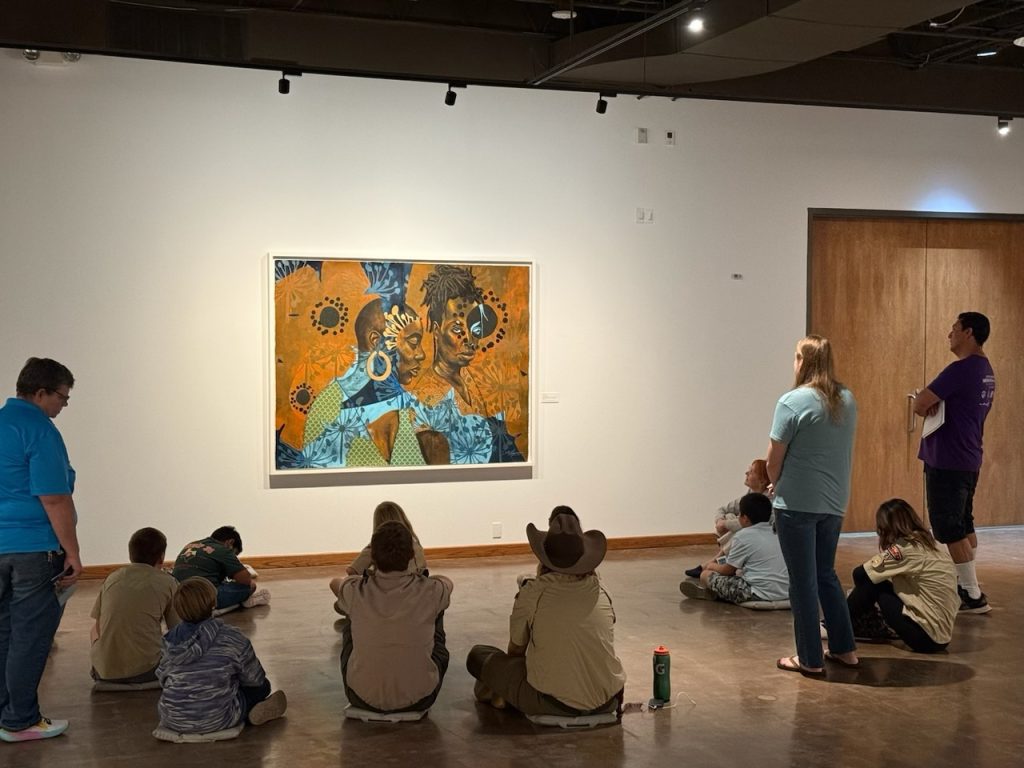
For their first Slow Art Day, the Wichita Falls Museum of Art at MSU Texas in Wichita Falls hosted a focused workshop within the exhibition Follow the Waters by Delita Martin, led by Dr. Zora Carrier, Executive Director of the Museum.

Participants were invited to slow down with five selected works from Martin’s exhibition, spending 10–15 minutes in silent observation with each piece. The workshop centered on Martin’s layered mixed-media portraits of Black women, exploring themes of cultural storytelling, symbolism, and spiritual legacy.

Following the slow-looking sessions, the group gathered for a facilitated discussion that encouraged participants to share personal interpretations, reflect on emotional responses, and consider how extended time and dialogue can transform the viewing experience.

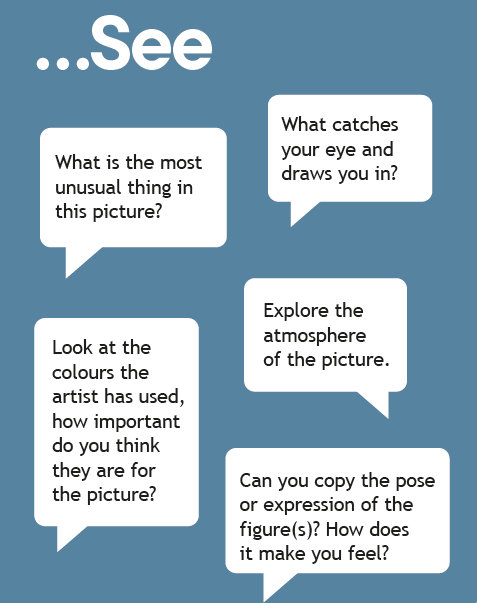
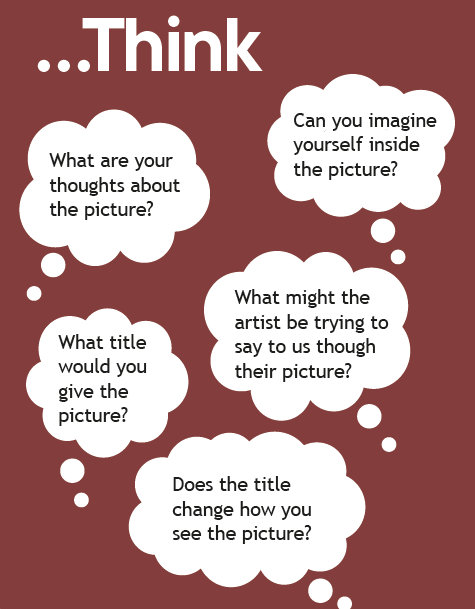
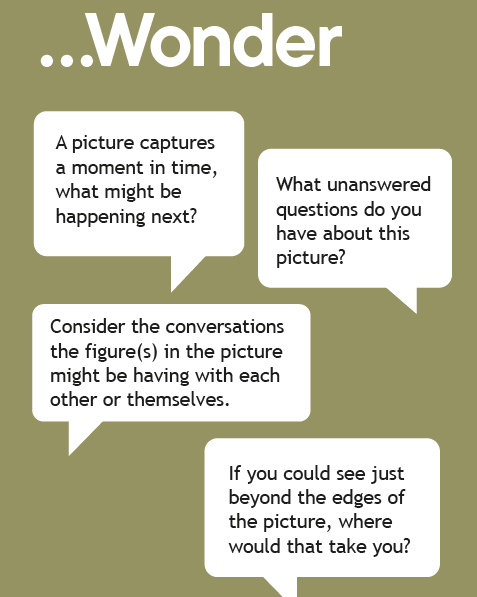
To support the process, the Museum provided a structured worksheet titled The Art of Seeing (attached below) that guided participants through observation, implication, analysis, and reflection, prompting them to consider elements of art such as line, color, texture, rhythm, and unity, while also imagining the moments before and after the scene depicted. This layered approach reinforced visual literacy and encouraged deeper engagement beyond first impressions.

(By the way, museums and galleries should feel free to steal some of their lovely worksheet design.)

Feedback from participants was what we have heard from many thousands around the world: One participant discovered layers they might otherwise have missed while another shared that hearing others’ interpretations shifted their own perspective about the art.

We welcome the Wichita Falls Museum of Art to the Slow Art Day community, and look forward to seeing how they build on this strong beginning for Slow Art Day 2026.

— Ashley, Johanna, Jessica Jane, and Phyl

P.S. View them on Instagram and Facebook.

Rainforest, Sculpture and Surrealism in Xilitla, Mexico

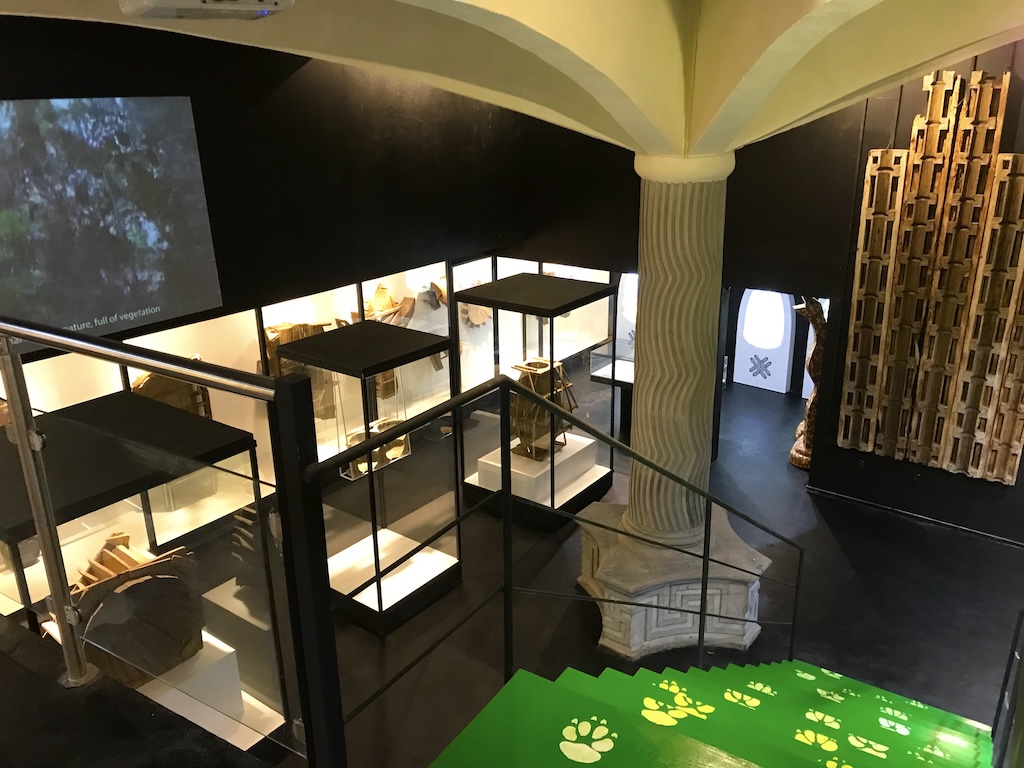
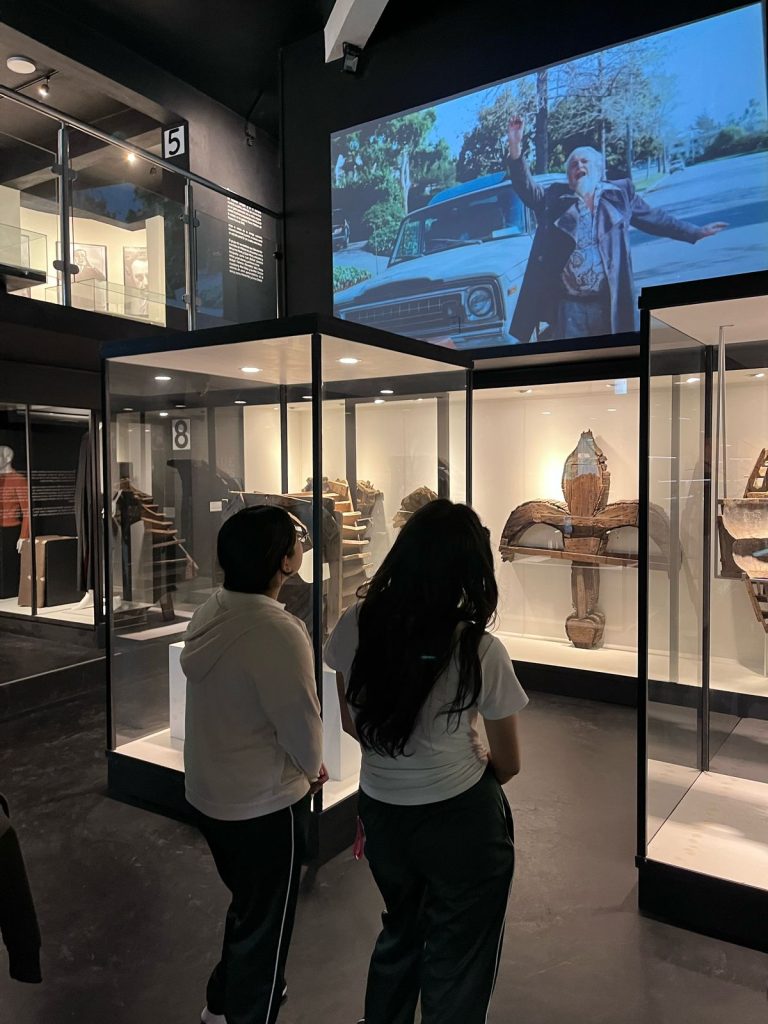
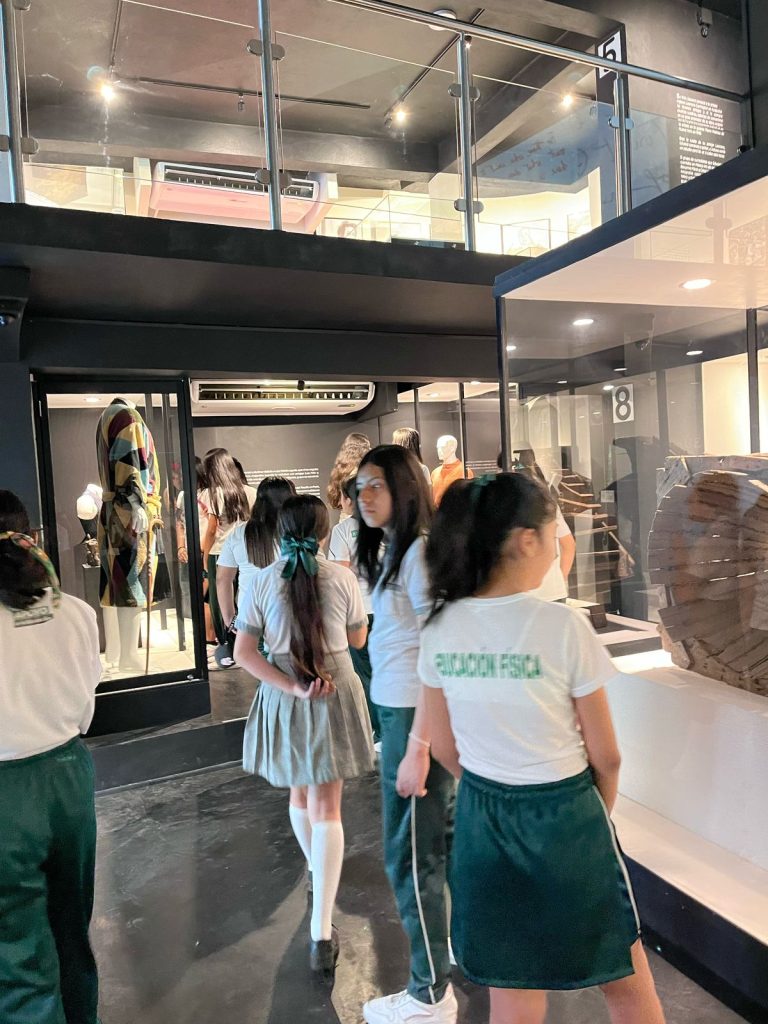
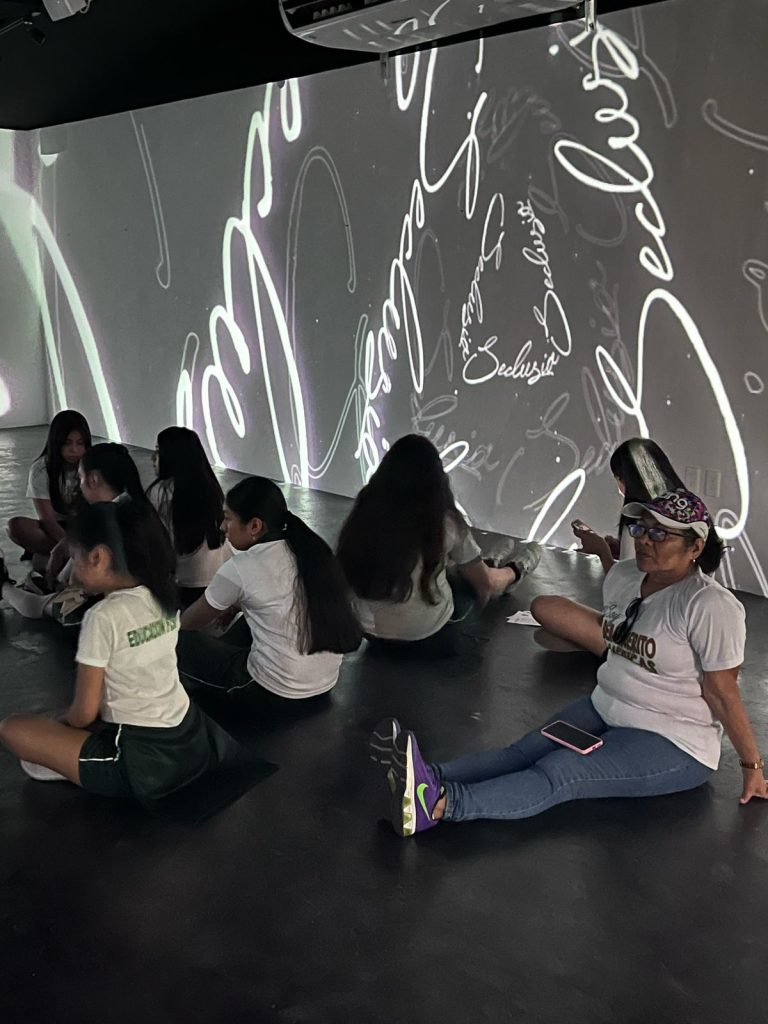
For their first Slow Art Day, the Museo Edward James, also known as Las Pozas, in Xilitla, Mexico hosted a contemplative experience titled “Finding Seclusia,” led by Beatriz Acosta.

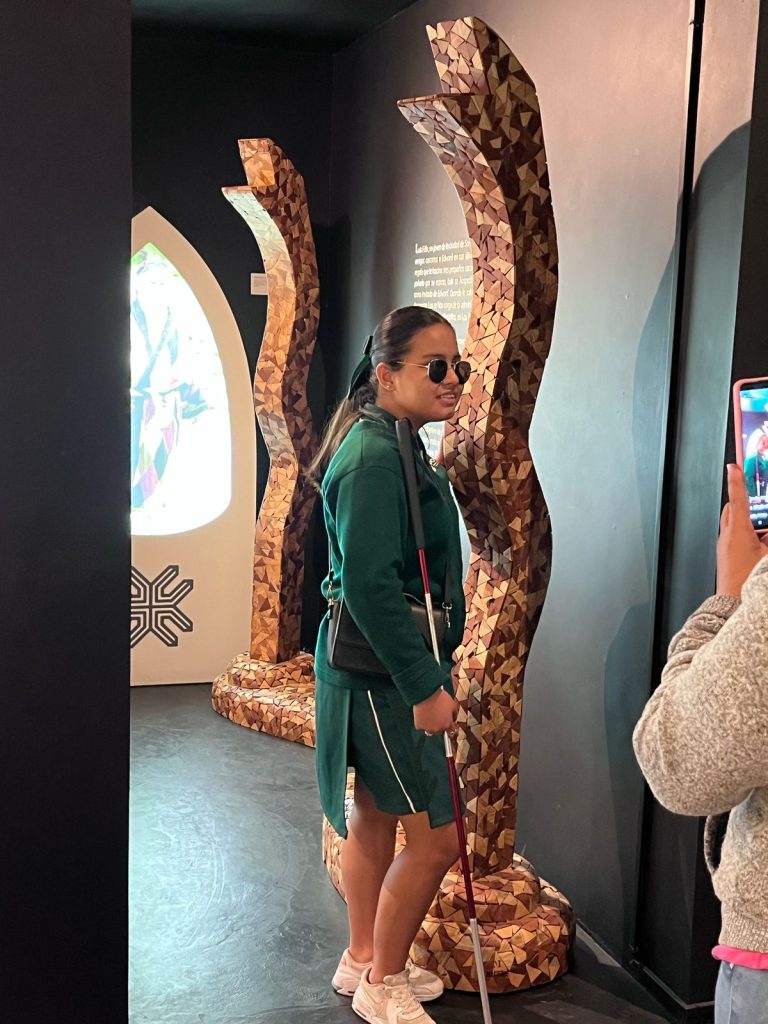
The museum, which is dedicated to the legacy of Edward Frank Willis James, is set in a rainforest, and features towering surrealist sculptures amid pools and waterfalls.

That’s all we at Slow Art Day HQ need to know to jump on the plane to Xilitla (pronounced: hee-LEET-lah).

James, an eccentric British poet, artist, and patron of the Surrealist movement created the Edward James Sculpture Garden, Las Pozas, as a fusion of the organic and the artificial, merging jungle and concrete into a single, dreamlike environment where imagination and inner worlds could take physical form.

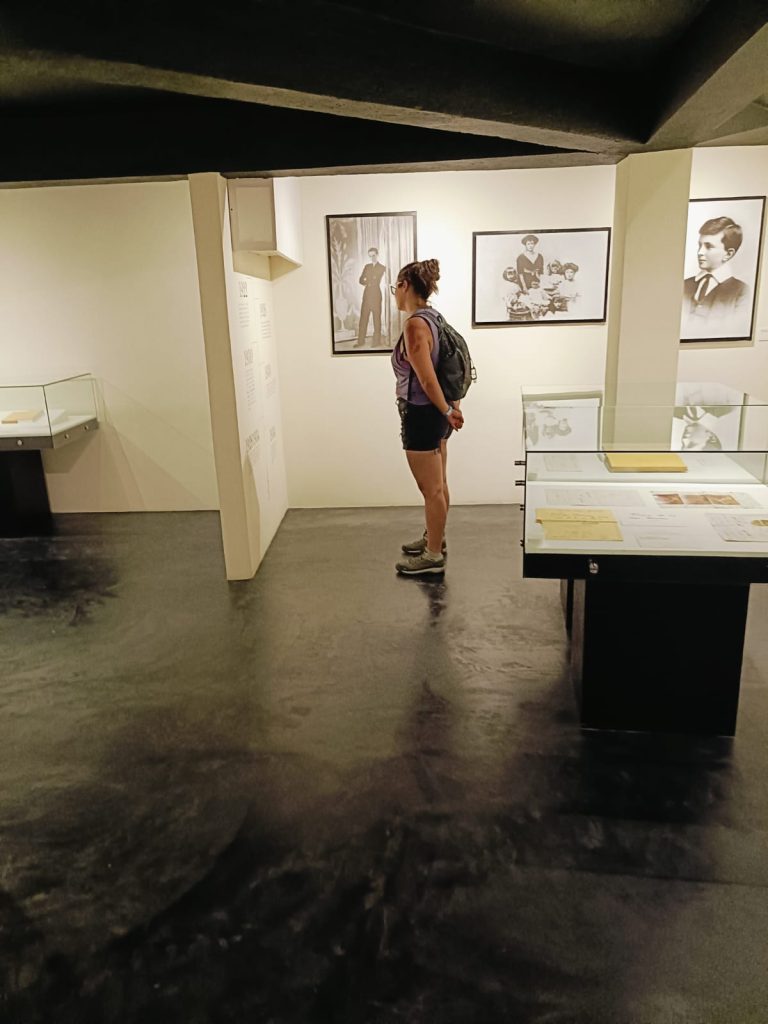
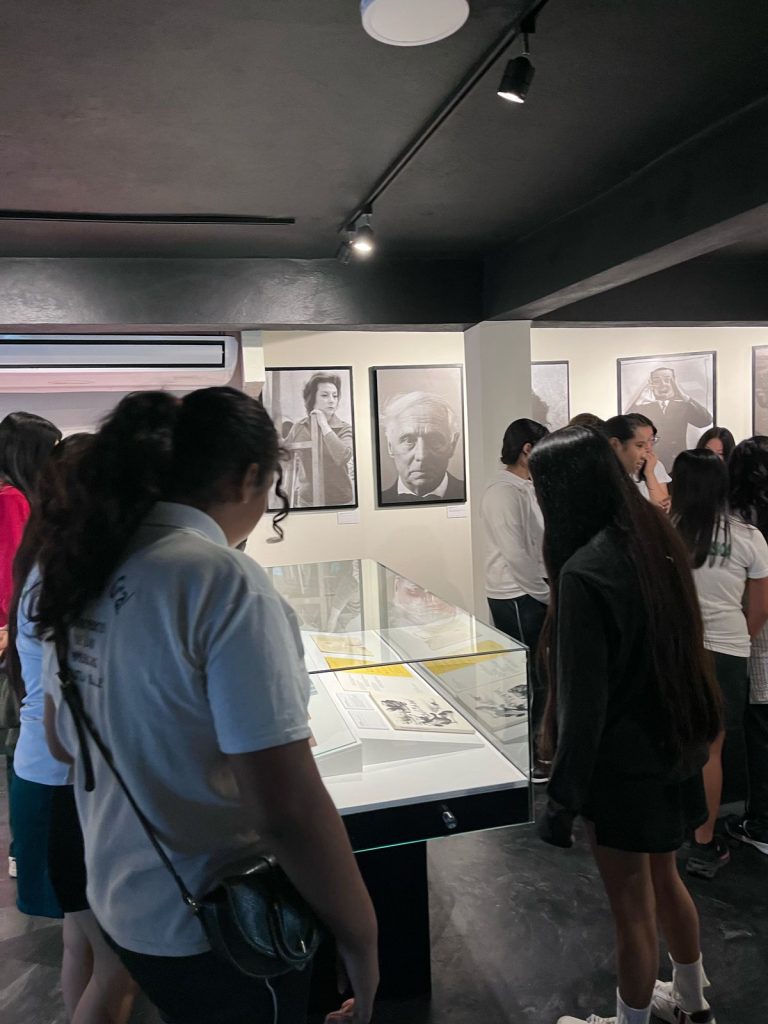
For their Slow Art Day, the museo welcomed a group of high school students through five carefully designed stations with unique slow-looking experiences. The session began in the Seclusia room with an introduction to the Slow Art Day movement and the power and purpose of slow looking. Participants also received a handout with prompts and spaces to write their notes throughout the experience.

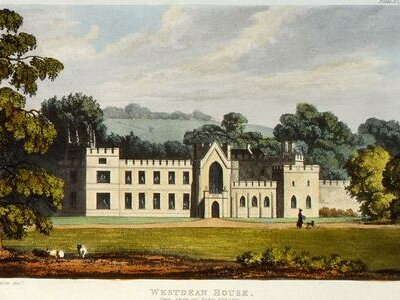
The first of the five stations focused on photographs of West Dean, Edward James’s childhood home. Participants explored James’s early life and family context, reflecting on how expansive spaces and environments can shape imagination and inner worlds.

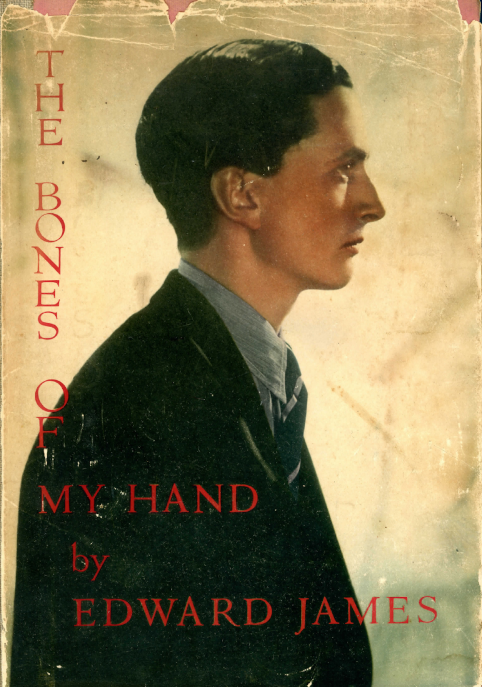
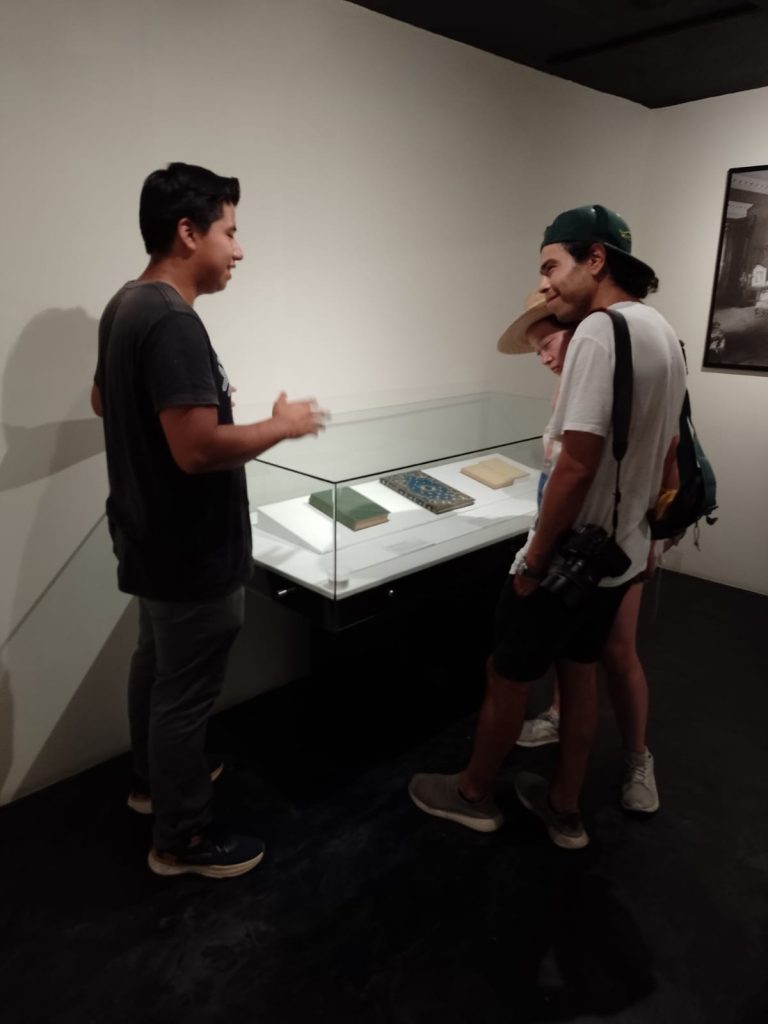
At the second station, participants spent quiet, individual time reading selections from the digital archive of James’s poetry book, The Bones of My Hands. This station emphasized attentive reading and personal interpretation, allowing each participant to engage with James’s words at their own pace.

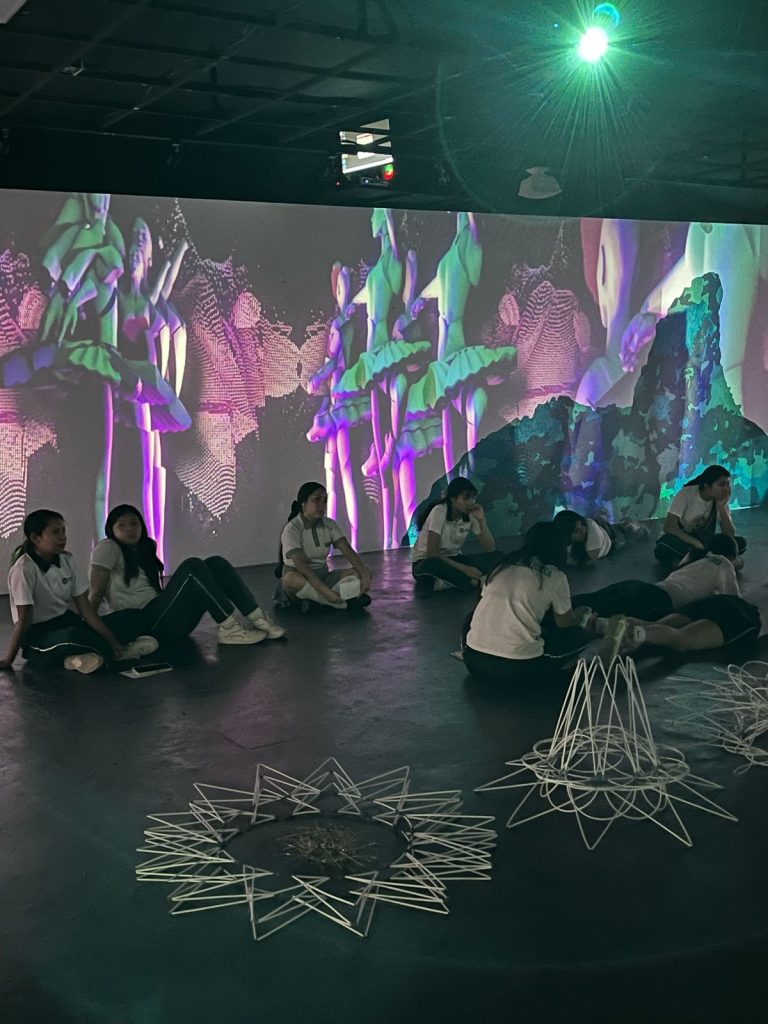
The third station centered on 14 original molds used in the creation of the sculpture garden. Participants closely observed the forms, textures, and details of the molds, considering how abstract ideas are translated into physical structures.

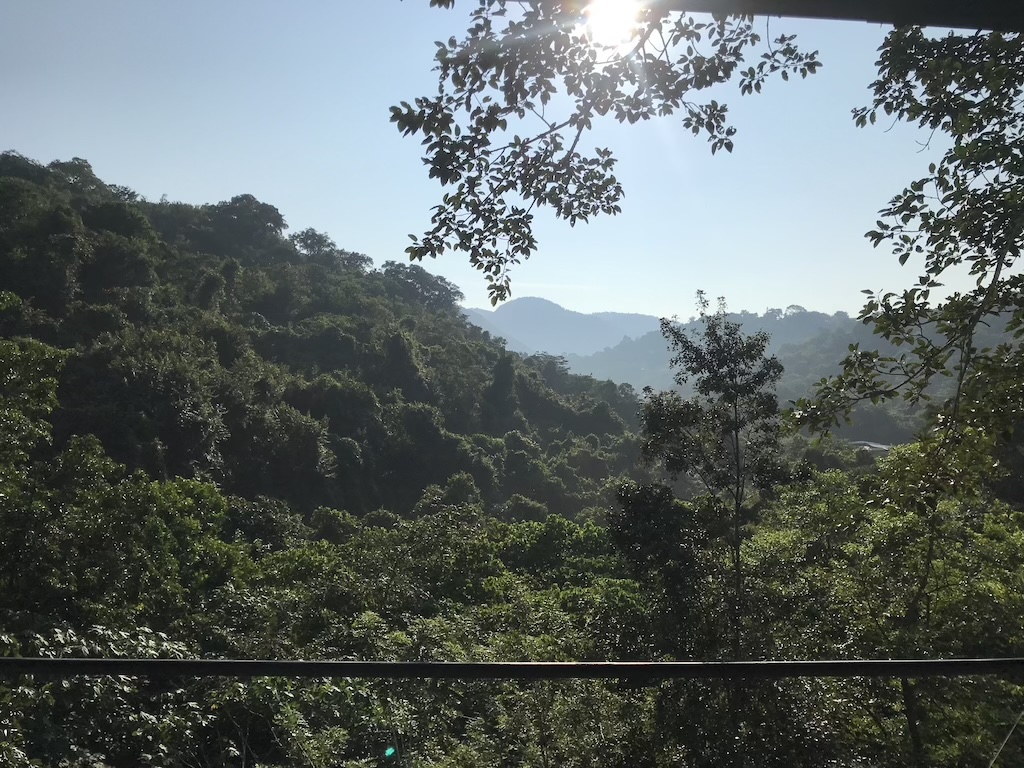
The fourth station took place on the museum balcony, where participants engaged in silent observation of the surrounding landscape. They were invited to notice sounds, colors, movement, and physical sensations, recognizing nature as an essential component of James’s creative universe.

View from the Museum.

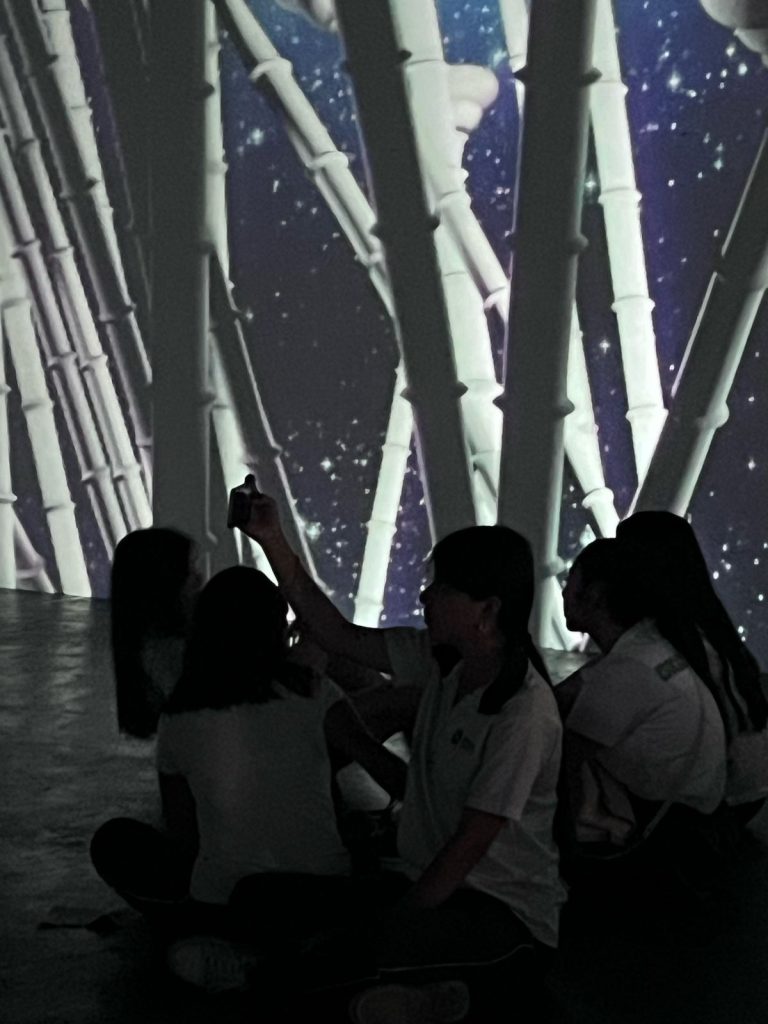
The final station consisted of a 15-minute immersive video, Seclusia, which explored themes of imagination, interior worlds, and the human desire to create a personal refuge. This concluding experience allowed participants to synthesize what they had encountered throughout the session.

We at Slow Art Day HQ love everything about this and look forward to seeing what creative design the Museo Edward James comes up with for Slow Art Day 2026.

– Ashley, Phyl, Jessica Jane, and Johanna

P.S. Follow them on their Instagram.

Slow Art Day 2025 in Mexico City: A Citywide First

In 2025, Mexico City hosted its first city-wide Slow Art Day – and what may be the largest city-wide in the world – with 35 participating venues, coordinated by art writer and cultural organizer Constanza Ontiveros Valdés.

Ontiveros Valdés organized an unexpectedly wide range of participants, from established museums and galleries to alternative and emerging cultural spaces across the city.

The venues offered a rich mix of programming, including yoga, meditation, aromatherapy, workshops, panel discussions, and multidisciplinary artistic happenings. She noted that the accessibility and inclusiveness of Slow Art Day encouraged participation across diverse spaces, all eager to explore slow looking in ways that felt authentic to their communities.

We received reports from seven of the 35. Below are those highlights.


Galería Oscar Román

Galería Oscar Román featured an artist-led conversation titled “Sombras del Pintor(Shadows of the Painter) with artist Saúl Kaminer, followed by a guided visit to his exhibition “La Tierra en el Cielo” (The Earth in the Sky). Kaminer shared insights into his creative process and the narratives behind his work, inviting participants to engage slowly through conversation and close observation. The session encouraged reflection on the relationship between art and nature, with visitors spending extended time discussing individual works.

Follow them on Instagram and Facebook.


Arte Abierto
Reported by: Guadalupe Salcedo, Communications

Arte Abierto‘s Public Programs Team designed a Slow Art Day experience around the exhibition long last happy by Swiss artist Ugo Rondinone. Participants engaged in contemplative observation of the large format sculptures the sun and the moon (2022), followed by individual and group body activations inspired by dance and performance. The program invited participants to explore the idea of opposing forces through both stillness and body movement. Adults and children took part, and the event received significant public and media engagement.


Follow them on Instagram and Facebook.


kurimanzutto

Host: Constanza Ontiveros Valdés, Art Writer and Cultural Projects Coordinator
Venue contact: Julia Villaseñor, Communications and Media Director

At kurimanzutto, participants were introduced to Slow Art Day through breathing and relaxation exercises before engaging in close looking with works by Haegue Yang from the exhibition Arcane Abstractions. The group explored intricate paper collages from the Mesmerizing Mesh series and interacted physically with the sculptural installation Mesmerizing Votive Pagoda Lantern. The session concluded with a hands-on activity in which participants created visual responses to their observations and shared reflections.


Follow them on Instagram and Facebook.


Alejandra Topete Gallery

Natalia Martinez Aanaya, Communications Manager shared that Alejandra Topete Gallery participated with Between Threads and Stories, featuring works by Jason Kriegler and Claribel Calderius. The program included individual meditation sessions throughout the day and an empowering roundtable discussion led by Maria Ortiz, Cultural Mediator. Visitors were encouraged to form personal connections with the artworks through guided dialogue and slow observation.

Follow them on Instagram.


Naranjo 141 Gallery

Naranjo 141 gathered participants to look slowly at five selected works from their current exhibition. The session began with a brief introduction to Slow Art Day and the gallery’s residency program. Visitors then spent six to seven minutes in silent observation with each of five selected works:

  • Lily Alice Baker, Mothers’ Meeting (2024)
  • Colleen Herman, Blood Bloom in a Blue Field (2024)
  • Lee Maxey, Face the Front (2024)
  • Kataria Riesing, Holster (2024)
  • Pauline Shaw, Blackout (2025)

After slow looking, participants came together for a facilitated group discussion, sharing observations and personal responses over light refreshments. The session concluded with informal conversation and continued engagement with the exhibition.

Follow them on Instagram.


Tinta Naranja

Host: Tinta Naranja
Contact: Mark Jerusalmi

Tinta Naranja focused on close observation of graphic design and visual culture. Participants explored original materials related to the Mexico 1968 Olympic design system, discussing the origins and historical context of the typography and imagery. The session concluded with a participatory activity in which attendees designed their own names using Olympic-inspired typographic forms.


Follow them on Instagram.


Zona de Riesgo Art

Zona de Riesgo Art hosted a free evening program that combined slow looking, guided meditation, sound art, and collective reflection. The event opened with a brief introduction, then featured two guided meditative experiences led by artist Mónica Martz M.

The first, Realm of the Devas, combined guided meditation with sound art by Bruno Bresani and the projection of two visual works by Mónica Martz M.

After a short pause, Mónica Martz M. led a second meditation that explored The Human Realm, accompanied by sound art from Mercedes Balard and Montserrat Coltello, alongside projected works by Bruno Bresani.

Following the meditations, participants gathered for an open conversation, sharing sensations, images, and reflections that emerged during the experience. The evening concluded with expressions of gratitude among artists and attendees, highlighting the value of creating spaces for stillness, contemplation, and shared presence.


Check out the below video and more on their website featuring their Slow Art Day event and see their event Instagram post here.

Follow them on Instagram.


Together, these seven reports represent just a portion of the 35 venues that participated in Mexico City’s first citywide Slow Art Day. The range of formats—artist talks, guided observation, movement-based practices, meditation, and slow making—demonstrates how Slow Art Day can scale across a major global city while remaining grounded in local artistic practice. Check out a great article summarizing the day (in Spanish).

We thank Constanza Ontiveros Valdés for her leadership and all participating venues, artists, facilitators, and visitors for making this inaugural citywide Slow Art Day possible. We look forward to seeing what they come up with for Slow Art Day 2026.

– Ashley, Johanna, Jessica Jane, and Phyl

Mindfulness and Slow Looking at MAAT in Lisbon

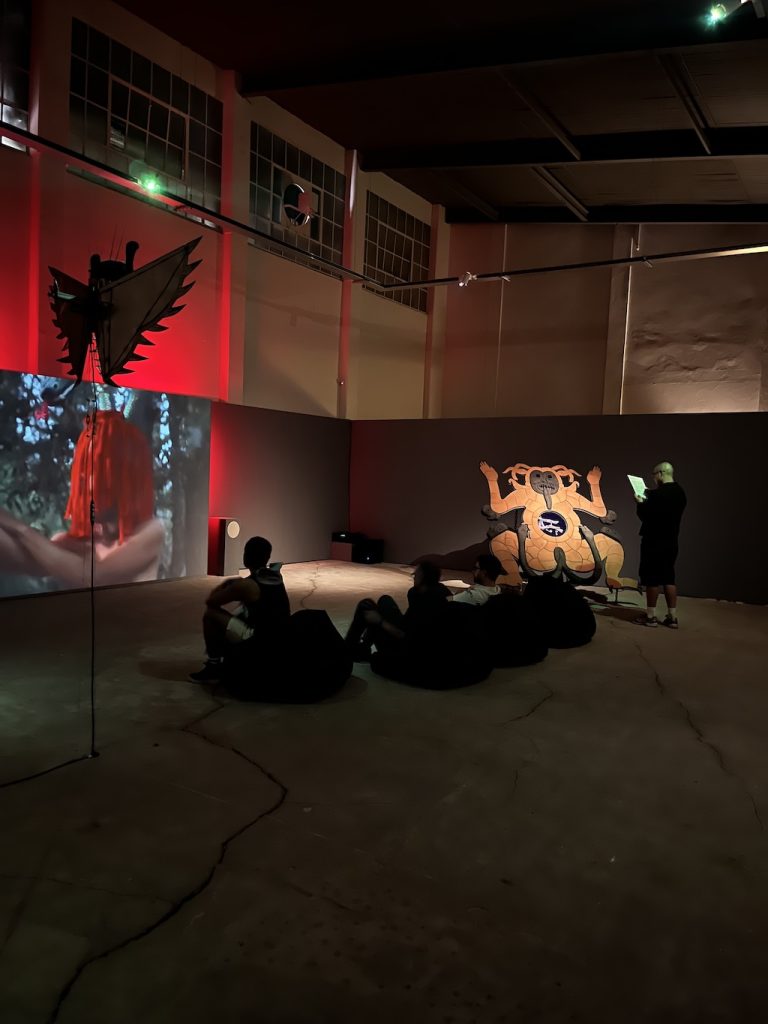
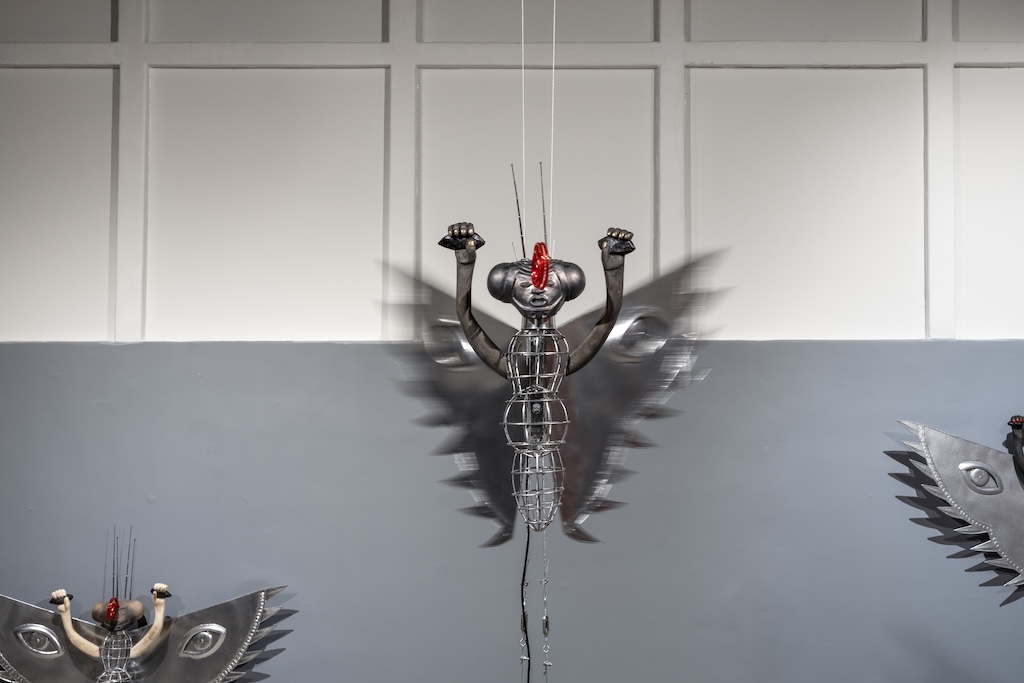
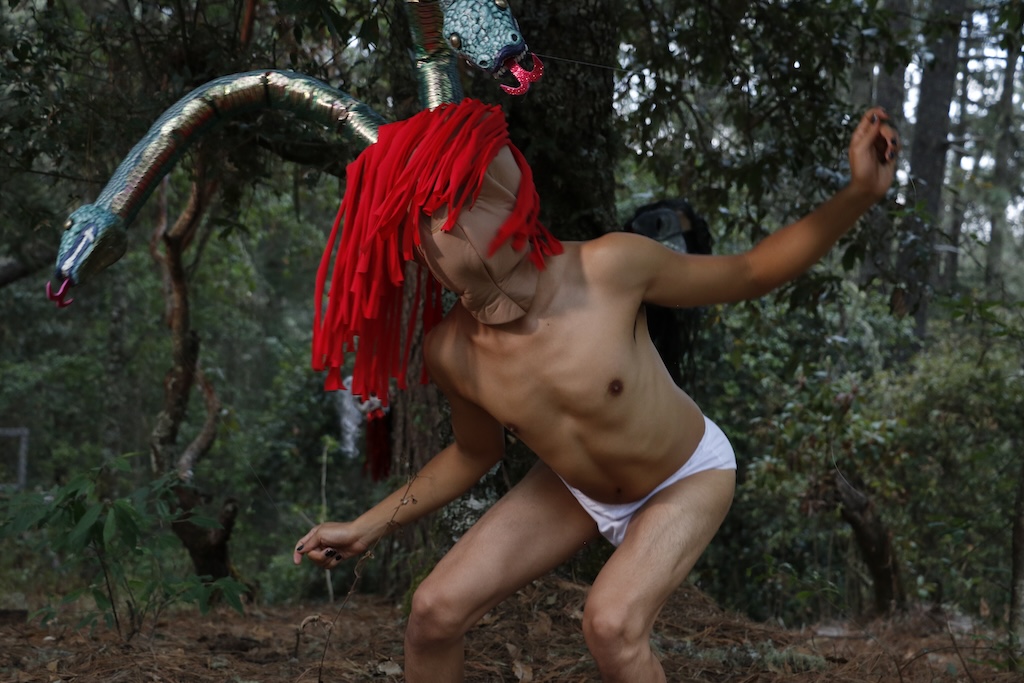
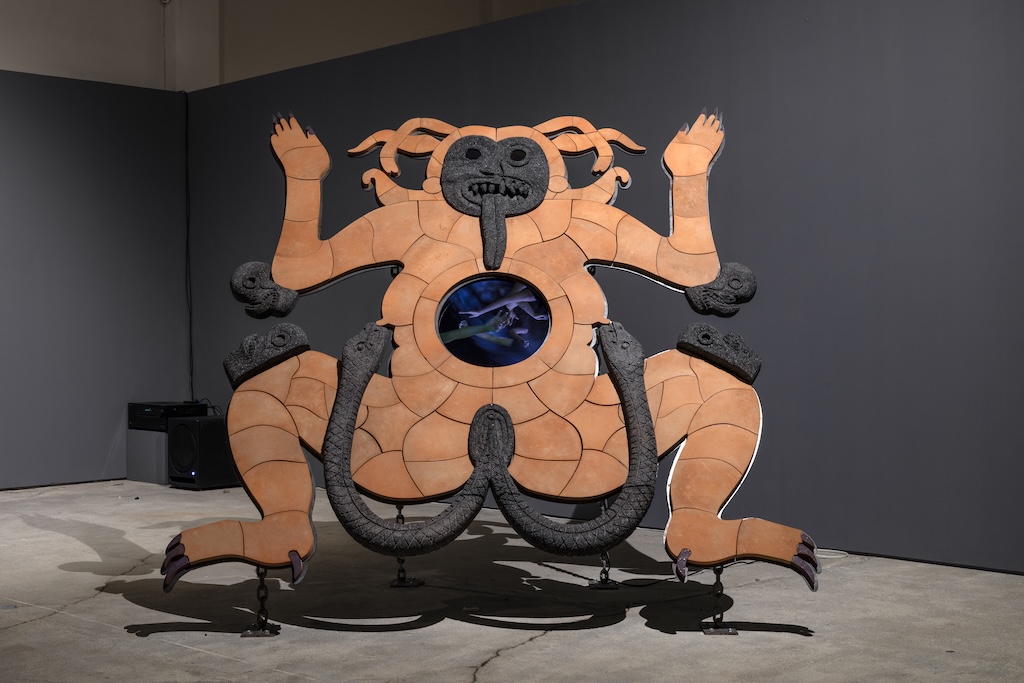
For their first Slow Art Day 2025, the Museum of Art, Architecture and Technology (MAAT) in Lisbon, Portugal participated with a guided slow-looking session held within the exhibition Transe by Rui Moreira, whose work is known for its meditative atmosphere. The event featured these 6 works:

  1. Mindfulness – “I’m a giant lost in the woods”
  2. A Noite (O Telepata)
  3. A máquina de emaranhar paisagens VII
  4. Nossa Senhora do Aborto I
  5. Telepata I
  6. Eclipse I

The session was led by Mário J. Rodrigues, a psychologist and certified mindfulness teacher, who opened with a brief mindfulness exercise. Participants then looked slowly at each work for ten minutes. The session concluded with a group conversation, allowing participants to share observations and reflect on their emotional and sensory responses.

The event was promoted via a reel on Instagram.

MAAT also holds monthly art and meditation sessions, and you can check out their programming on their website.

We thank Joana Simões Henriques, Head of Public Programmes at MAAT, for organizing this Slow Art Day experience, and look forward to seeing what they come up with for Slow Art Day 2026.

– Ashley, Johanna, Jessica Jane, and Phyl

P.S. Follow them on Facebook and Instagram

First Slow Art Day at The Museum of Book and Printing of Ukraine

For their first Slow Art Day, The Museum of Book and Printing of Ukraine in Kyiv organized a hybrid event. The Museum is housed in a former building of the Kyiv Cave Monastery Press that was built in the early 17th century and was then open to the public as a State Museum in the 1975. The Museum collection contains 58,000 exhibits – from manuscripts, to old printed books from the 16th century, to engravings, graphic works, paintings, and so on.

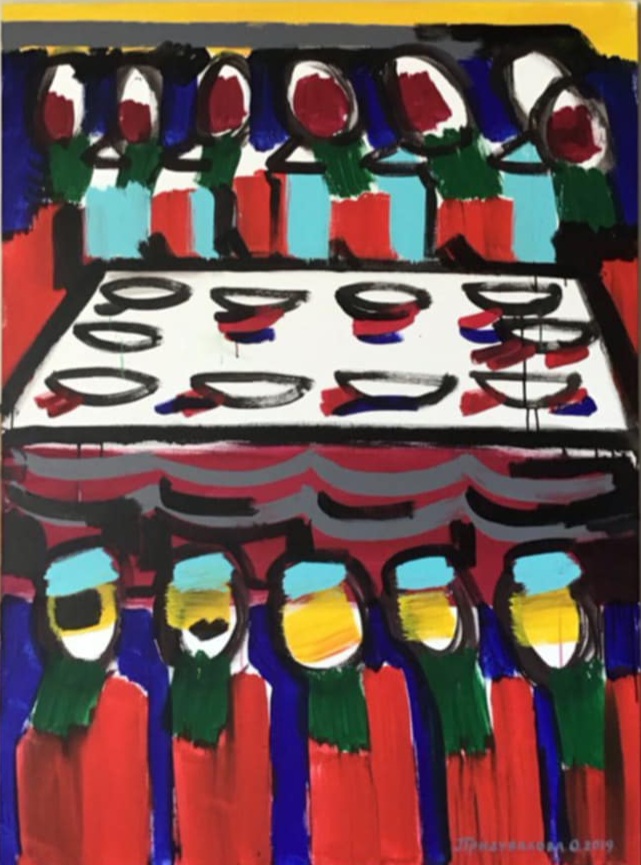
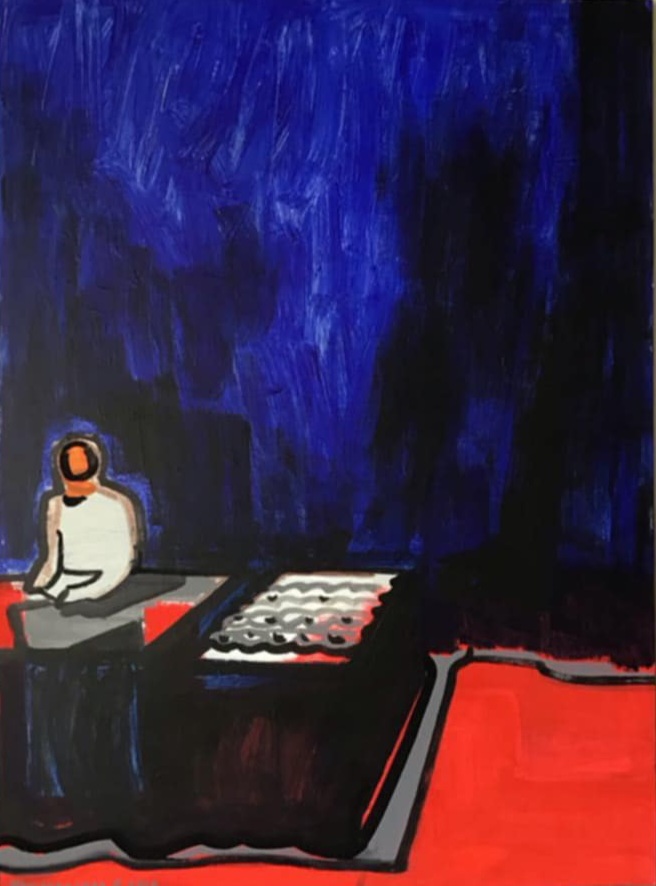
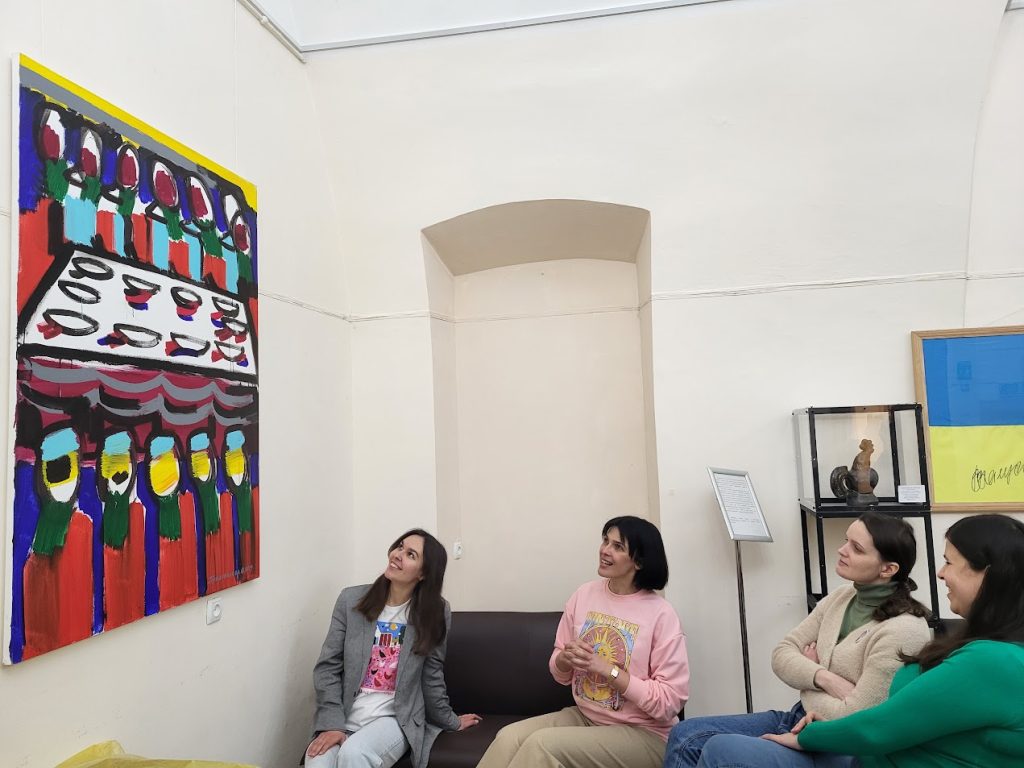
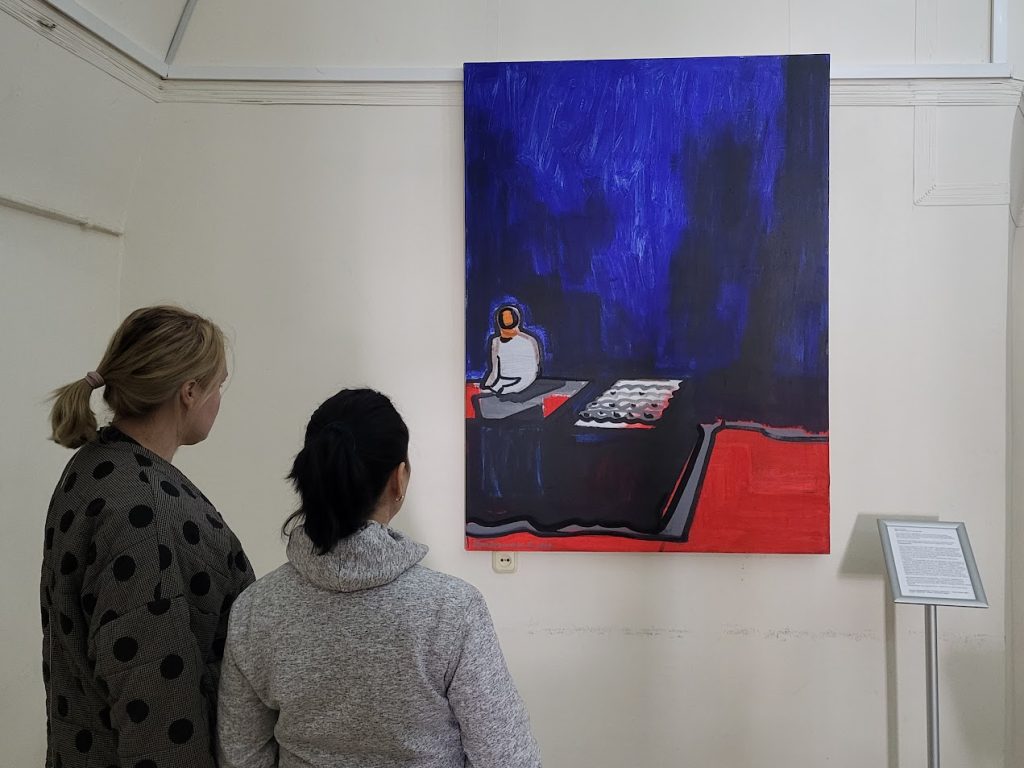
On the 15th of April, the Museum invited participants (online and in person) to spend an hour and a half focusing on one work by Heorhiy Tkachenko (1898 – 1993), a Ukrainian bard and bandurist (which is a person who plays the Ukrainian plucked string instrument known as the bandura).

Flyer of the event

Participants were encouraged to look at the artwork carefully and then discuss what they noticed and how it made them feel. They also read Heorhiy Tkachenko’s biography and discussed what linked the artwork to the artist’s life.

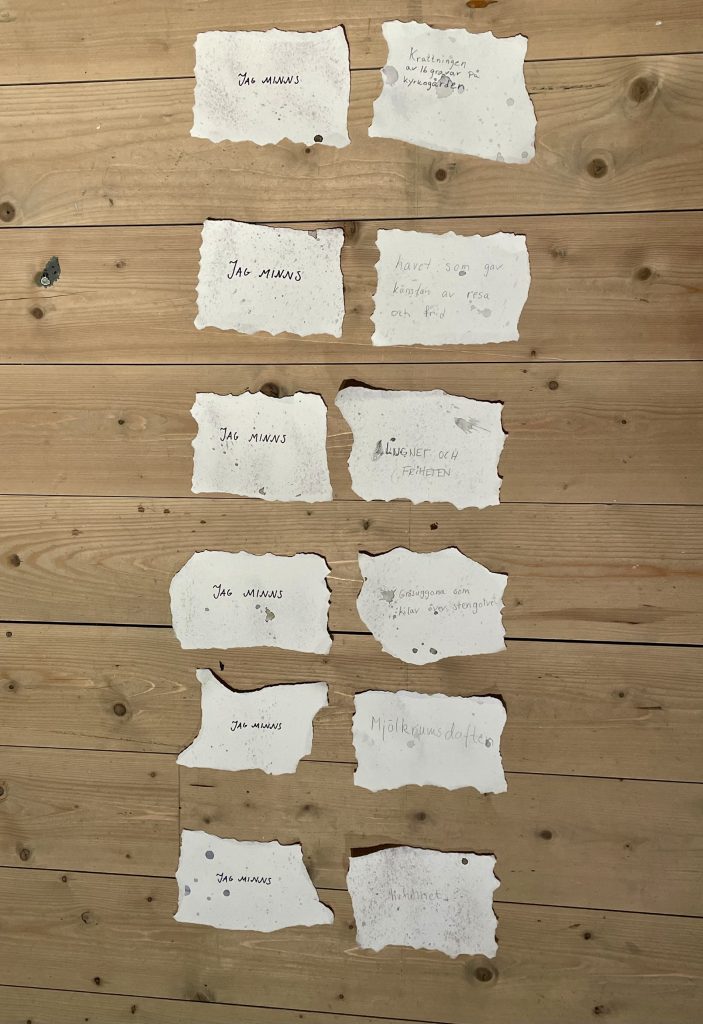
Positive notes (in Ukrainian) left by participants on the event

The event was advertised on their social media account (Facebook and Instagram).

We love the creativity of this event, and look forward to what the museum comes up with for Slow Art Day 2024.

– Jessica Jane, Johanna, Ashley, and Phyl

Slow Looking Art Swap at Creative Arts Workshop in New Haven, CT

For their first Slow Art Day, the Creative Arts Workshop, a community art school in New Haven, Connecticut, hosted a slow-looking art swap – where the artists were the participants – facilitated by Dymin Ellis, poet, digital artist, musician, and community organizer. Artists ranging from youth to adults participated in the event, each contributing multiple original pieces including photography, altered books, digital art, and embossed prints. 

Instagram post advertising the event.

Dymin Ellis led the group through a series of three exercises designed to deepen their engagement with one another’s artworks, and started by asking participants to share their names, artistic disciplines, and the titles of the works they brought. They were then asked to exchange their art work but keep them face down until the exercises began. 

  • First, each artist was asked to share their piece for 10-seconds only.
    • Each participant was then asked to share a single word inspired by what they saw. 
    • They repeated the 10-second viewing a second time engaging all 5 senses, and were then asked: “What do you see? smell? feel? hear? taste?” 
  • Next, participants were asked to look at the same work for 1 minute. They were then asked if they had an emotional reaction to the art.
  • Finally, Ellis facilitated a ten-minute slow-looking session, introducing the following prompts every two minutes. Participants were asked to write their responses and share in a group discussion afterwards.
    • What if this artwork were a portal to a dream—whose dreamworld would it lead to, and what would greet you on the other side?
    • Who do you imagine this artwork remembers? Whose hands, eyes, or stories does it carry forward?
    • Put yourself in the place of the canvas and imagine what it must have endured to become what it is now.
    • Imagine the canvas is living flesh—warm, breathing, wounded, or healed. What kind of creature wears this? Is the artwork a tattoo, a scar, a birthmark, or a disguise?
    • Let your senses cross wires. What color does this artwork smell like? What texture does it sing in? What temperature does it speak with?

The session concluded with a collective reflection on the experience, where participants shared what stood out most and how they might apply slow-looking practices in the future. 

Dymin reported that the discussion was “intimate, reflective, and at times, magical,” and highlighted how the art-swap format created deep reciprocal learning and such a collaborative spirit that some attendees chose to gift their artwork to others.

At Slow Art Day HQ, we are delighted to hear of the unique art-swap format that the Creative Arts Workshop introduced for their Slow Art Day event, and love hearing how it has helped build slow looking into the local artist community. We look forward to seeing how the Creative Arts Workshop continues to innovate for Slow Art Day 2026.

– Ashley, Johanna, Jessica Jane, and Phyl

P.S. Stay connected with Creative Arts Workshop on Facebook and Instagram.

Inclusive Slow Sculpture and Drawing Experience at Kasteel van Gaasbeek in Belgium

For their first Slow Art Day, Kasteel van Gaasbeek (Gasbeek Castle) in Belgium held two activities that combined inclusive slow looking, touching and drawing.

The first activity was a slow-looking and slow-touching session with the “The Peasant Wedding,” a gilded bronze sculpture referencing Bruegel’s paintings that is located in a quiet and intimate corner of the castle. Visitors were invited to slowly experience the sculpture on their own terms. And to make the experience more inclusive, they could choose to also experience it blindfolded or by touch, which also ensured accessibility for people with visual impairments. A guide was also there to ask questions and encourage dialogue about their impressions. 

Visitors engage with The Peasant Wedding by Studio Job. Photo courtesy of Kasteel van Gaasbeek.

The second activity took place outside the castle, where a guide-lecturer hosted a small slow drawing workshop. Passers-by were invited to pause, sit, and sketch the castle, focusing on its details and slowing down to notice the intricacies of its architecture. This exercise provided participants with an opportunity to not only look carefully but also to translate their observations into creative expression.

We at Slow Art Day HQ love how Kasteel van Gaasbeek’s first Slow Art Day demonstrated how accessible, inclusive, and participatory approaches can enrich the slow looking experience. We look forward to seeing what they do for Slow Art Day 2026!

– Ashley, Johanna, Jessica Jane, and Phyl

P.S. Stay connected with Kasteel van Gaasbeek on Facebook and Instagram.

Freer Gallery of Art at the Smithsonian Hosts First Slow Art Day with Forest Bathing and Qigong

For their first Slow Art Day, the Freer Gallery of Art, part of the Smithsonian Asian Art Museum in Washington, D.C., hosted a day-long celebration focused on slowing the mind, body, and spirit.

Visitors were invited to participate in a series of immersive activities held in the Freer’s galleries and courtyard, designed to deepen observation and foster mindfulness through art and nature. The day offered both guided and self-guided experiences, welcoming adults and families alike.

Featured activities included:

  • Guided Slow Looking sessions in Gallery 5, focusing on Japanese screens (11:30 a.m. family session; 1:30 p.m. adults-only session)
  • Forest Bathing mindfulness walks in the courtyard led by naturalist and certified forest therapy guide Ana Ka’ahanui from Capital Nature (1 p.m. family session; 2 p.m. adults-only session)
  • Qigong practice in the courtyard, or Gallery 17 in case of rain (12–1 p.m.)
  • Self-Guided Slow Looking with sketching, writing, and conversational prompts available to encourage personal exploration at one’s own pace
A group of people doing yoga in an art gallery.
Image courtesy of Create Calm

Each session offered participants an opportunity to slow down, open their senses, and form a deeper, more personal connection with the art and environment around them.

Throughout the day, participants could be seen sketching quietly before the intricate screens, breathing mindfully in the courtyard, and moving gracefully through Qigong sequences that mirrored the flow of nature. The museum’s thoughtful integration of art, nature, and mindfulness—including the leadership of Ana Ka’ahanui in the forest bathing sessions—beautifully embodied the spirit of Slow Art Day.

We at Slow Art Day HQ love how the Freer Gallery of Art created such a great mix of events and wish we had been there to participate. We can’t wait to see what they come up with for Slow Art Day 2026.

– Ashley, Johanna, Jessica Jane, and Phyl

P.S. You can learn more about the Freer Gallery’s events and exhibits by visiting their website. You can also follow them on:

RiverBrink Art Museum Deepens Reflection Through Slow Looking

For their third Slow Art Day, RiverBrink Art Museum, located in Queenston, Ontario (Canada), invited visitors to slow down and deepen their connection with three selected artworks from their permanent collection. Guests were welcomed into the gallery and encouraged to sit quietly with each artwork, observing closely for five minutes before joining a facilitated group discussion led by Programming and Curatorial Assistant Moyu Chen.

Featured works included:

  • “Effet de Pluie, Pont Aven” by Gustave Loiseau (n.d.)
  • “Portrait of Frances Davis” by Francis Cotes (c. 1760)
  • “Settlers’ Cabin in the Foothills [Early Canadian Settler]” by Cornelius Krieghoff (1859)

“Effet de Pluie, Pont Aven” by Gustave Loiseau. (Photo courtesy of RiverBrink Art Museum)
“Portrait of Frances Davis” by Francis Cotes. (Photo courtesy of RiverBrink Art Museum)
“Settlers’ Cabin in the Foothills [Early Canadian Settler]” by Cornelius Krieghoff. (Photo courtesy of RiverBrink Art Museum)

Participants reflected on visual details, brushwork, subject matter, and emotional tone. The museum provided extra seating to ensure an accessible and comfortable environment for slow looking, and a helpful handout (featured below) with observation questions created by the museum team.

Gallery setup for Slow Art Day at RiverBrink Art Museum, featuring “Effet de Pluie, Pont Aven” by Gustave Loiseau.* (Photo courtesy of RiverBrink Art Museum)

We at Slow Art Day HQ love the art, the simple design and the ongoing partnership with RiverBrink. We look forward to what they come up with for Slow Art Day 2026.

– Ashley, Johanna, Jessica Jane, and Phyl

P.S. You can follow RiverBrink Art Museum on Instagram: @riverbrinkartmuseum